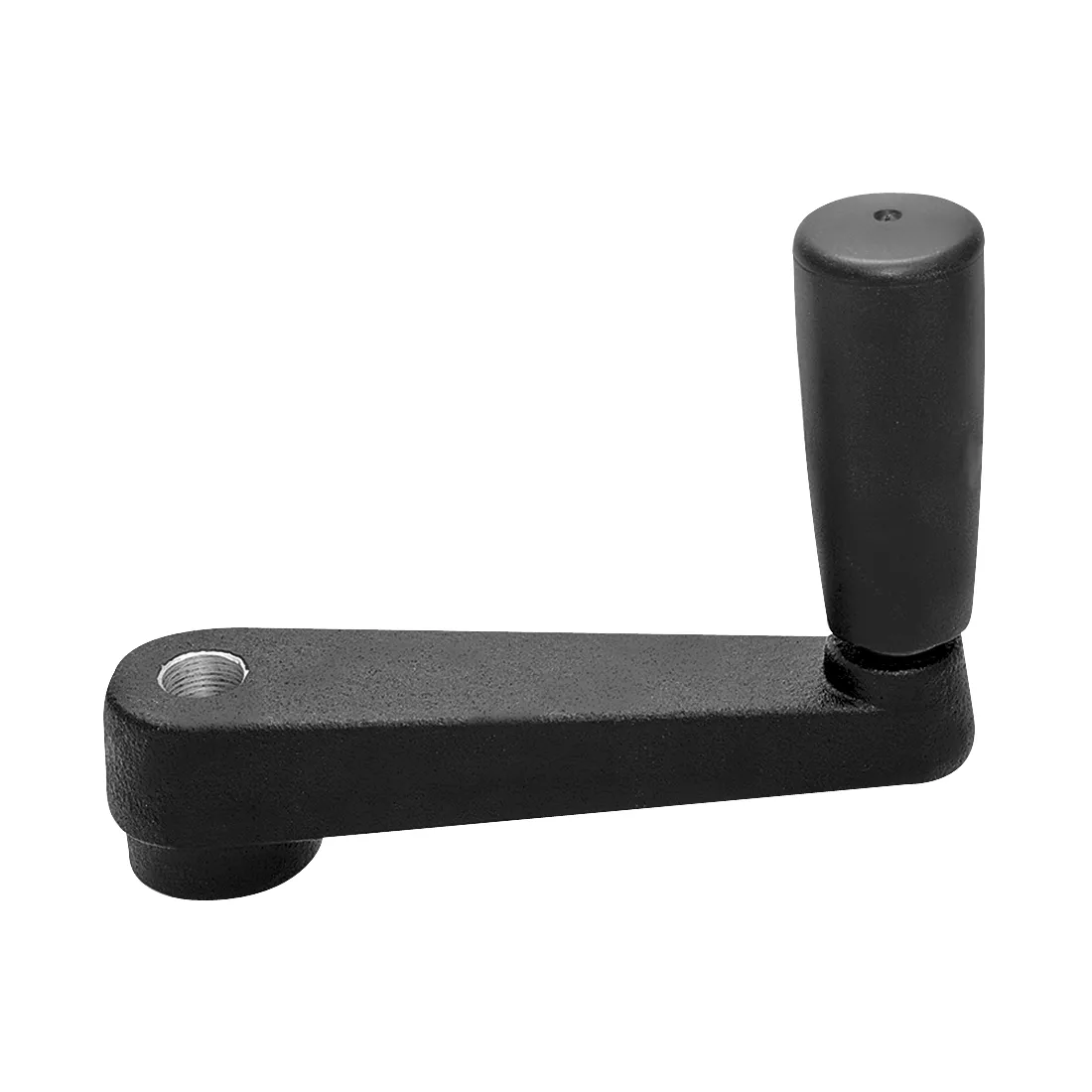
Crank handle design plays a critical role in industrial machinery where manual control remains essential for precision operation. Engineers apply this concept to convert human rotational input into controlled mechanical movement with stable output. The system supports torque transmission in environments where automation is limited or unavailable. Industrial operators rely on it for accuracy in calibration and adjustment tasks. Mechanical reliability depends on geometry, force distribution, and structural integrity. Proper design reduces operator fatigue while improving efficiency during long operational cycles. Many production systems still integrate manual control mechanisms for backup and fine tuning. Performance consistency depends on alignment between human motion and machine response. Well engineered systems improve both safety and productivity in demanding environments. This foundation explains why crank handle design remains relevant across modern engineering sectors.
Torque Efficiency Optimization in crank handle design for Industrial Systems
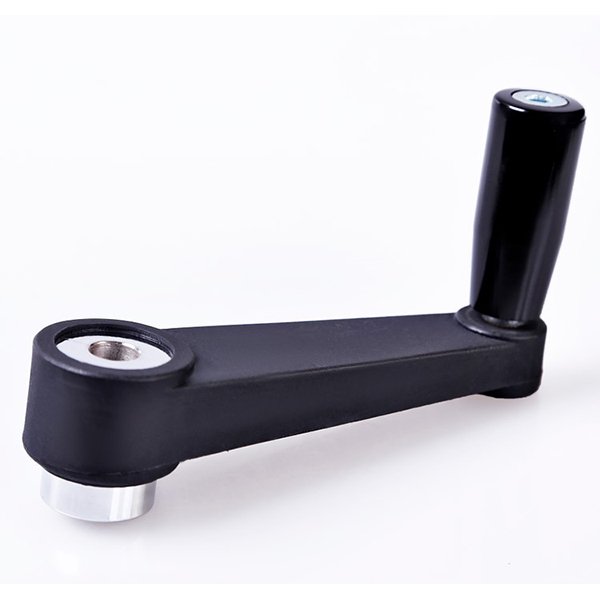
Crank handle design improves torque efficiency through optimized lever geometry and mechanical advantage principles. Engineers calculate lever length to reduce required input force while maintaining output stability. Longer arms generate higher torque with less operator effort in controlled conditions. Compact structures balance space constraints with mechanical effectiveness in industrial layouts. Gear interaction and shaft alignment also influence energy transfer efficiency. Misalignment can reduce output power and increase wear on components. Stable rotational paths ensure smoother motion and predictable mechanical response. Industrial systems often require adaptation for varying load conditions during operation. Proper engineering ensures consistent performance across different working environments. Efficiency gains directly affect productivity and long term operational cost control.
Material Engineering Selection in crank handle design for Durability and Strength
Crank handle design depends heavily on material selection to ensure durability and long service life, and crank handles must maintain stability under repeated industrial loading. Stainless steel provides strong corrosion resistance in humid and chemical environments. Aluminum reduces overall weight and improves handling comfort for operators. Alloy steel delivers high strength under heavy torque applications in industrial machinery. Each material offers different tradeoffs between weight, cost, and mechanical performance. Surface treatments such as anodizing improve hardness and resistance to wear. Corrosion protection extends component lifespan in harsh industrial environments. Repeated mechanical cycles require materials with stable deformation resistance. Engineers evaluate fatigue limits before selecting final production materials. Proper material selection ensures stable performance under continuous industrial operation conditions.
Operator Safety and Ergonomics in crank handle design Systems
Crank handle design integrates ergonomic principles to improve operator safety and reduce fatigue. Grip shape influences hand stability and wrist alignment during operation. Poor design can lead to long term strain and reduced productivity. Engineers optimize handle diameter to match natural human grip strength. Slip resistant surfaces improve control in oily or wet environments. Safety standards regulate moving parts to prevent accidental injuries. Controlled rotation limits reduce risk during high torque applications. Human motion compatibility ensures smoother and more natural mechanical interaction. Proper ergonomic planning enhances comfort during extended use periods. These improvements significantly reduce operational hazards in industrial environments.
Manufacturing Precision Standards in crank handle design Production Systems
Crank handle design requires strict manufacturing standards to ensure dimensional accuracy and performance consistency. ISO 2768, ISO 1101, and ISO 286 define tolerance levels for mechanical components in industrial systems. Precision machining ensures uniform geometry across mass production batches. Small deviations can affect torque transfer efficiency and system stability. Quality inspection methods include digital measurement and automated testing systems. Assembly compatibility ensures correct integration with machine interfaces. Surface finishing standards such as ISO 1302 improve durability and reduce friction during operation. Consistent manufacturing reduces vibration and mechanical noise in equipment systems. Reliable production standards improve global industrial compatibility and safety. These controls ensure stable performance across different application environments.

Industrial Application Overview of crank handle design Systems
Crank handle design is widely used across multiple industrial sectors for manual control functions. CNC machinery relies on it for fine calibration adjustments during operation. Agricultural equipment uses it for mechanical control in field environments. Packaging systems depend on it for conveyor alignment and tension control. Maintenance teams use manual systems for emergency override operations. Industrial valves use rotational input for precise flow regulation control. Integration with automated systems improves hybrid operational flexibility. Different industries require varying levels of torque and precision control. Design adaptability ensures compatibility with diverse mechanical systems. This versatility makes it a core component in modern engineering applications.
Mechanical Motion Systems and Role of revolving handles in Industrial Equipment
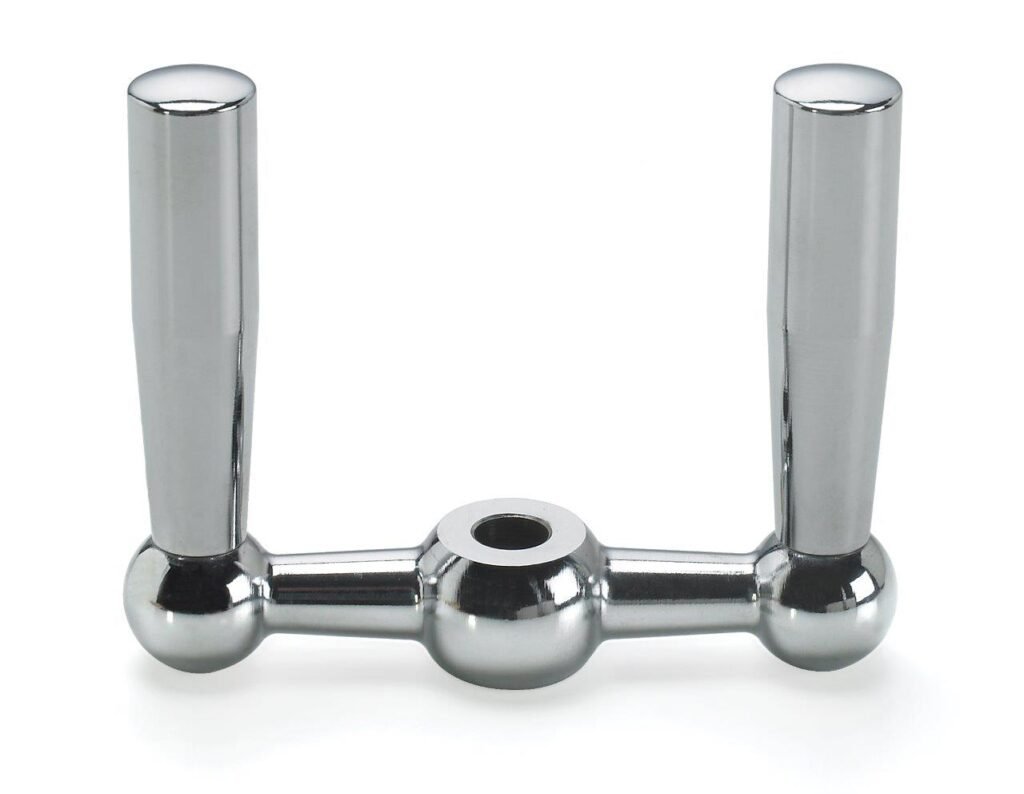
Revolving handles are commonly used in machinery requiring continuous rotational input for smooth mechanical control. These systems differ from standard crank mechanisms due to uninterrupted motion design. They support applications where constant adjustment or rotation is required. Industrial equipment benefits from reduced stopping resistance and smoother motion flow. This structure improves efficiency in repetitive adjustment operations. Operators experience less interruption during continuous control tasks. Mechanical stability depends on bearing quality and rotational balance. Such systems are often used in precision machinery and control interfaces. Their design complements automated systems requiring manual fine tuning support. This ensures flexibility in both industrial and maintenance environments.
Key Engineering Factors in crank handle design Performance Optimization
Crank handle design performance depends on multiple engineering variables working together in system balance. Torque capacity determines maximum force output under operational conditions. Lever length influences mechanical advantage and required input effort. Material strength ensures durability under repeated stress cycles. Ergonomic grip design reduces operator fatigue during long usage periods. Shaft alignment maintains smooth energy transfer between components. These factors interact to define overall system efficiency and reliability. Engineers evaluate each parameter during testing and validation stages. Small improvements in one area can significantly enhance total performance. Balanced design ensures stability across different industrial applications.
| Material Type | Strength Level | Weight | Corrosion Resistance | Industrial Use |
|---|---|---|---|---|
| Stainless Steel | High | Medium | Excellent | Heavy machinery |
| Aluminum | Medium | Light | Good | Portable equipment |
| Alloy Steel | Very High | Heavy | Moderate | High torque systems |
Material Selection Impact on Industrial Mechanical Performance
The table shows how different materials influence mechanical behavior in industrial systems. Stainless steel provides balanced durability and corrosion resistance for long term use. Aluminum supports lightweight applications where mobility is important. Alloy steel handles extreme loads but increases system weight. Engineers select materials based on torque requirements and environmental exposure. Weight differences affect operator fatigue and system responsiveness. Corrosion resistance determines suitability for harsh conditions. These tradeoffs directly influence machine efficiency and maintenance cycles. Material engineering remains a core part of mechanical design strategy.
| Industry | Application | Precision Need | Load Condition | Control Type |
|---|---|---|---|---|
| CNC Manufacturing | Calibration | Very High | Medium | Manual adjustment |
| Agriculture | Field machinery | Medium | High | Mechanical control |
| Packaging | Conveyor setup | High | Low | Fine tuning |
Industrial Application Distribution in Mechanical Systems
The table compares industrial use cases across different sectors. CNC manufacturing requires extremely high precision for machine calibration.
Agricultural systems prioritize strength due to harsh environments. Packaging systems focus on accuracy for consistent production flow. Load conditions influence design strength and durability requirements. Each sector applies mechanical control differently based on operational needs. Precision levels determine complexity of mechanical design. These differences highlight adaptability in engineering solutions. Industrial diversity drives continuous improvement in mechanical systems.
FAQ
What factors determine crank handle design efficiency in machinery systems
Efficiency depends on torque capacity, lever length, and material strength working together. Engineers also consider shaft alignment to reduce energy loss during operation. Ergonomic grip design helps reduce operator fatigue and improves control accuracy. Environmental conditions such as humidity and load variation also influence performance. Testing ensures stability under repeated mechanical cycles. Small design changes can significantly improve output efficiency. Proper balance between structure and usability is essential. Material fatigue resistance also affects long term reliability. Combined engineering factors ensure stable industrial performance across applications.
How does crank handle design improve operator performance and productivity
Crank handle design improves performance by reducing required physical effort during operation.Optimized lever geometry allows smoother rotation with less resistance. Ergonomic improvements support natural hand positioning and reduce strain. Operators maintain better control during long operational periods.Consistent torque delivery improves precision in mechanical tasks.
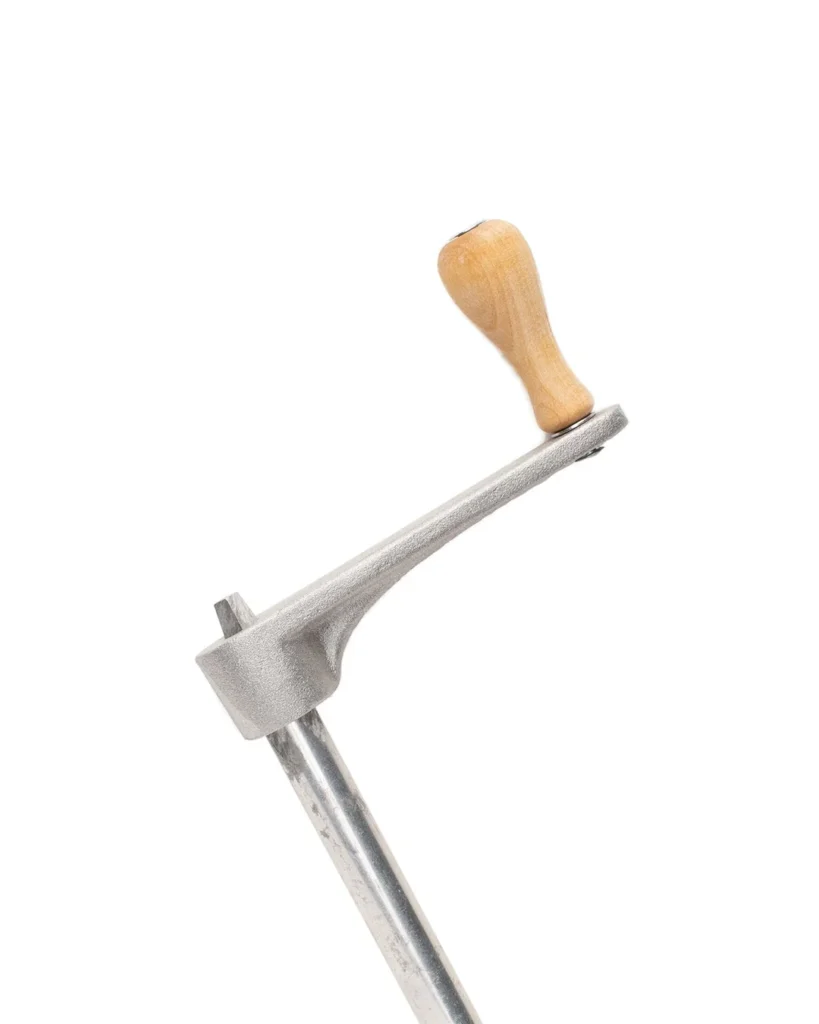
Reduced fatigue increases overall productivity in industrial environments. Smooth motion design also enhances safety during operation. Engineers refine surfaces to improve grip stability and control. These improvements create more efficient and safer working conditions.
Which industries benefit most from crank handle design systems
Manufacturing industries benefit significantly due to precision adjustment needs. Agricultural sectors rely on mechanical systems for field equipment control. Packaging industries use them for conveyor alignment and flow regulation. Maintenance operations depend on manual systems for emergency control. Energy and utility sectors use them in valve regulation systems. CNC machining requires fine adjustment mechanisms for accuracy. Each industry values reliability and manual control flexibility. Demand remains high in environments requiring backup systems. These applications demonstrate broad industrial relevance across sectors.