Plastic knob materials determine how clamping knobs perform under pressure, movement, and repeated use. These components appear in machines, control panels, laboratory tools, and industrial equipment. Their materials affect grip strength, dimensional stability, and resistance to environmental changes. Engineers often select polymers based on torque requirements, operating temperatures, and production needs. A suitable material prevents early damage and improves user experience. Different applications require different properties because each polymer has unique advantages. ABS offers balanced performance, nylon provides excellent wear resistance, and polycarbonate supports demanding environments. Proper selection creates reliable knobs that maintain function throughout extended service periods.
Why Material Selection Influences Clamping Knob Reliability
Clamping knobs experience continuous mechanical stress during daily operation. Users apply rotational force when tightening or releasing equipment parts. The selected polymer must maintain shape while supporting repeated pressure. Material quality also affects surface texture, grip comfort, and resistance to impact. Industrial environments may expose knobs to chemicals, heat, moisture, or vibration. These conditions require careful evaluation before production begins. Manufacturers consider resin characteristics, molding methods, and application requirements together. A strong material choice reduces replacement frequency and supports stable equipment operation. Cost factors also matter because businesses need practical solutions without sacrificing performance. Balanced decisions help create durable products for different industries.
Plastic Knob Materials Used in Industrial Applications
Different polymers provide specific benefits for various clamping applications. Engineers usually compare mechanical properties before selecting a suitable option. Common choices include ABS, nylon, polypropylene, and polycarbonate. Each material provides different levels of strength, flexibility, and temperature resistance. Plastic knob materials should match the working environment rather than only focusing on initial cost. For example, nylon performs well in applications requiring wear resistance, while ABS fits general equipment needs. Polycarbonate supports areas where impact protection is important. The following table shows common material characteristics.
| Material | Main Features | Temperature Range | Typical Uses |
|---|---|---|---|
| ABS | Balanced strength and easy processing | Medium temperature applications | Control panels, equipment handles |
| Nylon | High wear resistance and durability | Higher temperature environments | Industrial machinery, adjustable parts |
| Polycarbonate | Excellent impact resistance | Wide operating range | Heavy-duty equipment components |
Comparing Plastic Knob Materials: ABS, Nylon, and Polycarbonate
Plastic knob materials require detailed comparison because different projects have different performance targets. ABS contains strong impact properties and supports efficient injection molding processes. Nylon offers better friction resistance and maintains performance during frequent adjustments. Polycarbonate provides superior impact protection and works well in challenging conditions. Designers also review moisture absorption because some polymers change dimensions after long exposure. The table below highlights important differences among common engineering plastics.
| Performance Factor | ABS | Nylon | Polycarbonate |
|---|---|---|---|
| Impact Resistance | Good | Very Good | Excellent |
| Wear Resistance | Moderate | Excellent | Good |
| Processing Efficiency | High | Medium | Medium |
| Surface Finish | Smooth | Technical texture | Clear and strong |
Comparing Plastic Knob Materials: ABS, Nylon, and Polycarbonate
Plastic knob materials require detailed comparison because different projects have different performance targets. ABS contains strong impact properties and supports efficient injection molding processes. Nylon offers better friction resistance and maintains performance during frequent adjustments. Polycarbonate provides superior impact protection and works well in challenging conditions. Designers also review moisture absorption because some polymers change dimensions after long exposure. The table below highlights important differences among common engineering plastics.
Nylon Advantages for Heavy-Duty Clamping Applications
Nylon has become a preferred option for demanding mechanical applications. Its molecular structure provides strong resistance against friction and repeated stress.Glass fiber reinforced nylon can further improve stiffness and dimensional stability. This material reduces deformation when knobs experience frequent tightening cycles.Nylon also performs well in environments where durability is essential. Engineers often choose nylon components for machines, fixtures, and adjustment systems. Proper drying before molding is important because nylon absorbs moisture from the air. Controlled processing helps maintain accurate dimensions and consistent quality. These characteristics make nylon suitable for equipment requiring dependable operation over long periods.
ABS Solutions for Cost-Efficient Equipment Designs
ABS remains popular because it combines affordability with reliable mechanical performance. The material provides smooth surfaces, attractive finishes, and easy color customization. Manufacturers can create various shapes through injection molding without complex production requirements. ABS knobs work effectively in general industrial equipment, electronic devices, and consumer products. The polymer offers enough impact resistance for normal operating conditions. It also supports detailed textures that improve hand grip during operation. Designers often select ABS when they need practical performance with efficient manufacturing costs. Surface treatments can enhance appearance and provide additional protection. These advantages make ABS a common choice for many commercial applications.
Key Factors When Choosing Plastic Materials for Clamping Knobs
Material selection requires evaluation of several technical conditions. Engineers review operating environments, mechanical loads, and production goals before making decisions.Important factors include:
- Mechanical strength for resisting pressure and repeated movement.
- Temperature resistance for stable performance in different conditions.
- Chemical resistance against oils, solvents, and cleaning agents.
- Surface design requirements for comfortable operation.
- Manufacturing efficiency for consistent production quality.
Material selection decisions should consider both current usage and future demands. A knob used in a laboratory may require different properties from one installed on factory equipment. Environmental exposure, operating frequency, and maintenance schedules all influence the final choice. Careful evaluation helps create components that deliver reliable performance.
Manufacturing Processes Affecting Knob Quality and Function
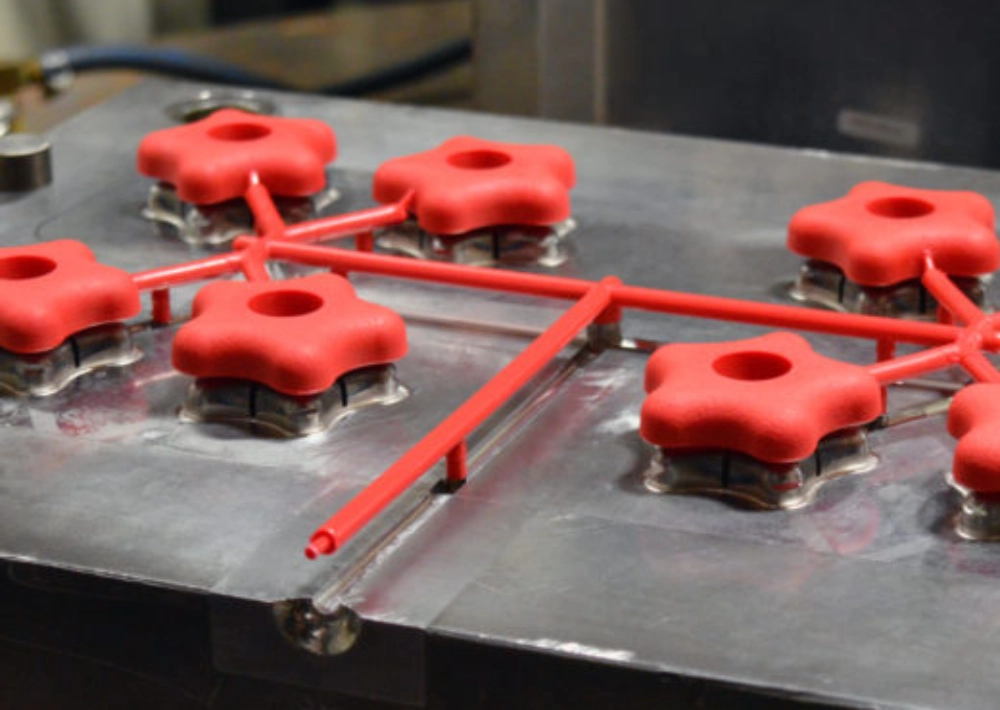
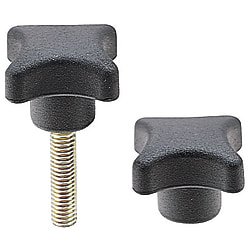
Injection molding plays an important role in producing accurate clamping knobs. The process includes material preparation, mold filling, cooling, and finishing stages. Manufacturers control temperature, pressure, and cooling time to maintain product consistency. Mold design also affects surface quality, dimensional accuracy, and structural strength. Small details such as internal ribs and connection areas influence load distribution. Some specialized designs include metric clamping lobe knobs for equipment requiring precise adjustment control. These components rely on accurate molding and strong material performance. Quality inspections during production help identify defects such as air marks, deformation, or incomplete filling. Reliable manufacturing methods support stable products across different applications.
Surface Design Features Improving User Experience
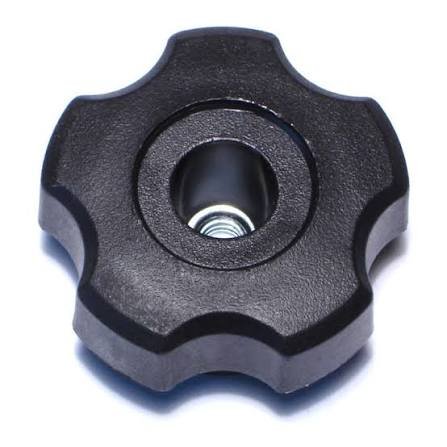
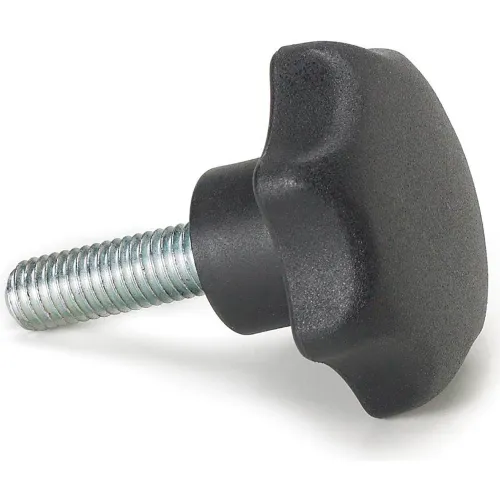
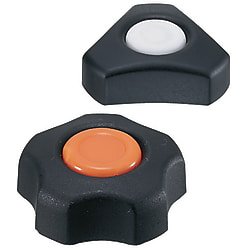
Good clamping knob design includes more than material selection. Surface texture, shape, and ergonomic structure influence handling comfort. Anti-slip patterns help users apply stable force during operation. Rounded edges reduce discomfort during repeated adjustments. Internal structures must also support secure attachment to shafts or threaded components. Manufacturers may combine plastic bodies with metal inserts to improve connection strength. Design optimization allows knobs to maintain performance while offering comfortable operation. Four lobe clamping star knobs represent one example of a structure designed for easier gripping and manual adjustment. These features help operators achieve better control in industrial environments.
Material Selection for Different Industrial Applications
Different industries require different performance standards from clamping components. Automation equipment often needs durable materials that tolerate repeated movement. Laboratory instruments may require chemical resistance and dimensional stability. Electrical devices usually focus on insulation properties and safe handling. Plastic knob materials should align with specific application conditions and operating expectations. Engineers evaluate workload, environmental factors, and maintenance requirements before production. A well-selected polymer improves equipment reliability and reduces downtime. Manufacturers with technical experience can recommend suitable materials based on practical conditions. Proper communication between designers and producers supports efficient development and consistent results.
Future Trends in Advanced Polymer Clamping Components
Modern industries continue searching for lighter and stronger material solutions. Advanced polymers with improved additives are expanding application possibilities. Reinforced plastics provide higher strength while maintaining low weight. Sustainable materials are also gaining attention because companies seek environmentally responsible options. New manufacturing technologies improve precision and reduce material waste. These developments create more opportunities for customized clamping solutions. Engineers now consider performance, sustainability, and production efficiency together. Material innovation will continue shaping future component designs. Reliable polymer choices remain important for equipment that requires accurate adjustment and long service life.
FAQ
What Is The Most Common Material For Plastic Clamping Knobs?
ABS and nylon are among the most commonly selected materials for clamping knobs. ABS provides balanced strength, smooth surfaces, and efficient production advantages. Nylon offers stronger wear resistance and better durability during repeated operations. The best choice depends on working conditions, load requirements, and environmental exposure. Equipment used in harsh environments may require reinforced nylon or polycarbonate solutions. General applications often use ABS because it provides practical performance at a reasonable cost. Engineers evaluate temperature, chemicals, and mechanical stress before selecting the final material for reliable operation.
How Does Material Affect Plastic Clamping Knob Performance?
Material directly influences strength, durability, grip quality, and service life. A suitable polymer helps the knob maintain shape during repeated tightening and releasing actions. Materials with better wear resistance reduce surface damage over time. Temperature stability prevents deformation in hot environments. Chemical resistance protects components exposed to oils or cleaning substances.
Different polymers also affect manufacturing accuracy and appearance. Selecting the correct material improves equipment reliability and reduces maintenance requirements. Professional evaluation of operating conditions helps create clamping solutions that match specific industrial needs.
Can Plastic Clamping Knob Materials Be Customized?
Yes, manufacturers can customize materials based on application requirements. Options include different polymer grades, reinforced compounds, colors, and surface textures. Glass fiber additives can increase stiffness, while special formulas can improve chemical resistance. Designers may also combine plastic components with metal inserts for stronger connections. Customization allows products to meet unique environmental and performance demands. Material adjustments should consider production methods, expected loads, and long-term usage conditions. Working with experienced manufacturers helps achieve consistent quality and suitable technical results for specialized equipment applications.