Why Lead Screw Lubrication Matters In Industrial Systems
Modern automation equipment depends on stable linear movement during repeated production cycles. Lead screw lubrication reduces friction between threaded surfaces during continuous mechanical contact. Proper lubrication also stabilizes torque values across changing operational speeds. Many factories monitor friction because unstable motion damages positioning accuracy quickly. Controlled lubrication improves thermal balance inside precision transmission assemblies. Engineers often inspect lubrication conditions during preventive maintenance schedules. Reduced friction supports smoother travel across robotic positioning systems. Lower operating resistance also decreases electrical motor loading significantly. Manufacturers prefer stable transmission systems because downtime disrupts production planning severely. Consistent lubrication supports reliable product quality within industrial assembly lines. Several machining facilities also track lubrication intervals through digital maintenance software. Accurate servicing schedules prevent premature wear across critical motion components.
Core Components Inside A Lead Screw Assembly
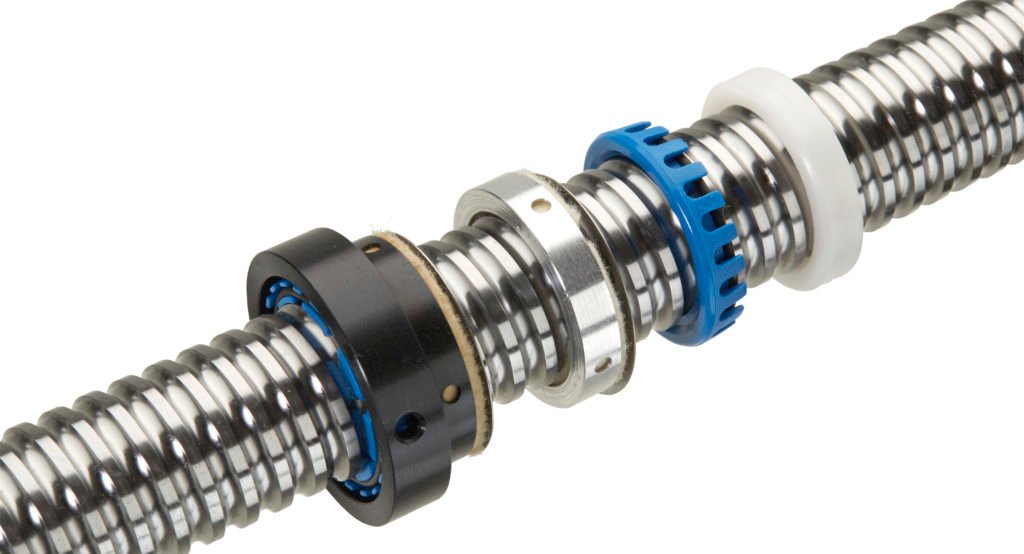
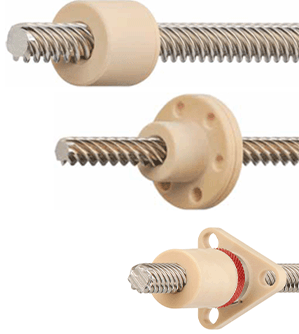
Linear motion assemblies contain threaded shafts, drive nuts, support bearings, and protective sealing elements. Each component influences positioning stability during industrial operating conditions. Engineers select material combinations according to load capacity and environmental exposure. Bronze nuts often operate with hardened steel shafts during precision manufacturing applications. Polymer nuts reduce noise within compact medical or laboratory equipment systems. Surface roughness strongly affects lubricant retention across threaded contact regions. Ground screw surfaces usually provide smoother motion than rolled manufacturing finishes. Bearing supports maintain axial stability during rapid directional movement changes. Sealing systems block dust intrusion near exposed rotating surfaces effectively. Several factories also request threaded rod for machine OEM/ODM production during custom equipment development. Specialized suppliers often adjust thread pitch according to customer torque requirements. Proper component integration improves transmission reliability across automated industrial platforms.
Friction Reduction Through Lead Screw Lubrication
Threaded motion systems experience continuous sliding contact during repetitive positioning operations. Friction increases rapidly when lubrication films become unstable or contaminated. Lead screw lubrication separates metal surfaces through controlled protective film formation. Stable lubricant layers reduce heat generation during prolonged operating cycles. Lower temperatures improve dimensional stability across precision mechanical assemblies. Reduced friction also limits vibration during high-speed directional movement changes. Smooth motion improves repeatability within CNC machining equipment considerably. Packaging systems also benefit from consistent actuator movement under varying product loads. Many production facilities monitor torque values during preventive maintenance inspections. Abrasive particles often increase resistance within poorly maintained transmission systems. Lubricated assemblies usually maintain smoother acceleration characteristics during demanding production schedules. Stable friction conditions also reduce sudden motor overload situations significantly.
Lubricant Types Used In Precision Motion Equipment
Industrial facilities select lubricants according to operating speed, environmental contamination, and temperature conditions. Grease lubricants remain common within enclosed motion assemblies requiring long service intervals. Oil lubrication supports better cooling during high-speed industrial operations. Dry film products operate effectively inside dusty manufacturing environments. Engineers compare viscosity levels before selecting lubricants for precision equipment systems. High viscosity products support heavy loads during slow positioning applications. Lower viscosity oils improve movement efficiency during rapid acceleration cycles. Several manufacturers follow ISO viscosity classifications during industrial lubricant selection procedures. Food processing equipment often requires certified non-toxic lubrication materials. Cleanroom production lines demand low particle generation during repeated mechanical movement. Some automation systems also incorporate stainless steel lead screw components for corrosive production environments. Proper lubricant selection protects expensive machinery from premature operational failure.
Surface Wear Mechanisms In Motion Systems
Industrial screw assemblies face abrasive wear during continuous production movement. Hard particles often scratch threaded surfaces during contaminated operating conditions. Adhesive wear develops when metal surfaces contact without adequate protective films. Corrosion damage also appears within humid industrial processing facilities. Chemical vapors frequently attack exposed metal surfaces near manufacturing equipment. Engineers inspect wear patterns because damage affects positioning precision significantly. Uneven wear also increases vibration during rapid directional changes. Production managers often replace damaged nuts before catastrophic mechanical failure develops. Lead screw lubrication lowers wear rates through stable surface separation characteristics. Proper filtration systems also reduce contamination near exposed transmission assemblies. Maintenance teams usually monitor particle accumulation around protective sealing components. Controlled servicing procedures extend operational lifespan across industrial automation systems.
Industrial Applications Requiring Stable Linear Motion
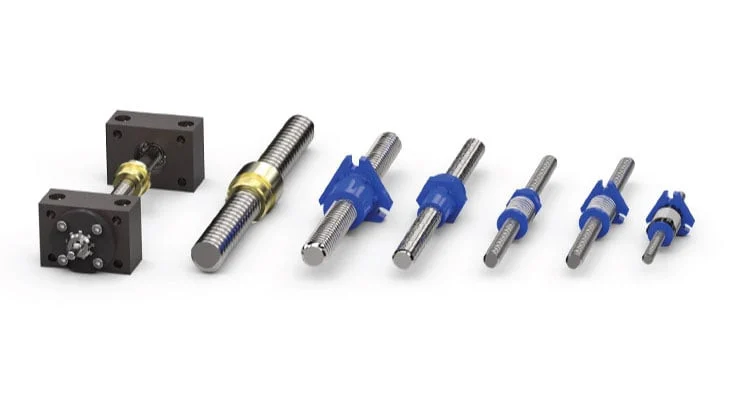
Modern factories depend on accurate positioning during automated manufacturing processes. CNC equipment requires precise movement during metal cutting operations. Medical machinery also depends on smooth actuator movement during diagnostic procedures. Robotic assembly systems position components through repeated linear travel sequences. Packaging machinery controls product spacing through synchronized mechanical motion. Semiconductor equipment demands extremely stable positioning during microfabrication operations. Aerospace manufacturers often inspect positioning repeatability during component machining procedures. Printing equipment also relies on consistent motion across high-speed production lines. Several industrial systems integrate digital sensors for movement verification purposes. Engineers monitor backlash values because excessive movement reduces production quality. Reliable transmission systems improve operational consistency across demanding manufacturing environments. Stable positioning also reduces rejected products during automated industrial processing operations.
Maintenance Practices Supporting Long-Term Reliability
Preventive servicing reduces unexpected downtime across industrial automation facilities significantly. Maintenance teams inspect lubrication conditions during scheduled operational shutdown periods. Several factories follow documented service intervals according to equipment operating hours. Common maintenance procedures include cleaning threaded surfaces and checking sealing integrity. Engineers also inspect abnormal vibration during equipment performance evaluations. Operators frequently monitor motor temperature during extended production cycles. Excessive heat often indicates rising friction within transmission assemblies. Lead screw lubrication requires careful application because overfilling attracts contaminant particles quickly.
Maintenance checklist:
- Inspect threaded surfaces for abrasive contamination
- Remove hardened grease near sealing components
- Monitor operating temperature during production cycles
- Verify alignment between shafts and support bearings
- Replace damaged seals immediately
- Record servicing intervals through maintenance software
Consistent servicing practices improve operational reliability across automated production environments.
Performance Comparison Between Lubricated And Dry Assemblies
| Operating Factor | Lubricated Assembly | Dry Assembly |
|---|---|---|
| Surface Temperature | Lower and stable | Rapid heat increase |
| Thread Wear Rate | Slow progression | Accelerated damage |
| Positioning Accuracy | Consistent movement | Irregular travel |
| Motor Load | Reduced resistance | Higher torque demand |
| Service Life | Extended lifespan | Frequent replacement |
Factories compare operational data before selecting lubrication strategies for production equipment. Stable lubrication improves positioning consistency during demanding manufacturing schedules. Dry assemblies often experience sudden friction spikes during prolonged movement cycles. Higher resistance increases electrical consumption across industrial drive systems. Engineers also monitor temperature changes because excessive heat damages threaded components rapidly. Controlled lubrication supports smoother acceleration within automated positioning systems. Many manufacturers prioritize reliability because equipment downtime disrupts customer delivery schedules. Proper servicing procedures also reduce replacement costs across large production facilities. Motion stability remains critical within precision machining and robotic assembly applications. Consistent lubrication conditions improve long-term operational efficiency considerably.
Environmental Factors Affecting Lubrication Stability
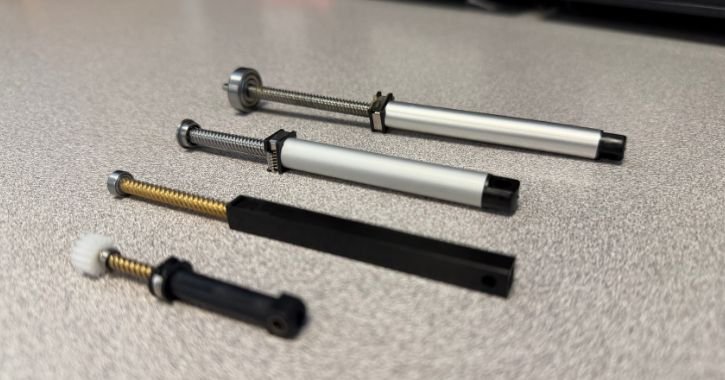
Industrial environments expose motion assemblies to dust, chemicals, and temperature fluctuations regularly. Fine particles often enter exposed threads during heavy manufacturing operations. Moisture contamination also reduces lubricant effectiveness across metal contact surfaces. Engineers install protective covers near high-contamination production equipment frequently. Thermal expansion changes internal clearances during continuous operating cycles. Chemical exposure may degrade sealing materials inside aggressive processing facilities. Lead screw lubrication performs best with effective contamination control measures. Several manufacturers use sealed housings during food and pharmaceutical production processes. Proper airflow also reduces heat accumulation near enclosed motion assemblies. Maintenance teams inspect protective covers during scheduled operational evaluations. Stable environmental control improves lubrication lifespan within demanding industrial facilities. Reliable contamination prevention also protects expensive automation components from premature wear.
Lubricant Selection Standards For Heavy Manufacturing
Heavy industrial systems require lubricants supporting high loads and continuous operating cycles. Engineers evaluate pressure resistance before approving lubrication materials for production equipment. Extreme pressure additives improve protection during severe mechanical contact conditions. Several factories also compare oxidation resistance during long operational schedules. ISO viscosity grading helps technicians select compatible industrial lubrication products. Synthetic lubricants often support wider operating temperature ranges effectively. Food production facilities require certified products preventing contamination risks. Mining equipment usually operates with heavy-duty grease under extreme environmental exposure. Textile machinery often prioritizes low staining lubrication materials during production operations. Many automation suppliers provide detailed compatibility charts for industrial customers. Proper lubricant selection reduces maintenance frequency across demanding manufacturing facilities. Consistent servicing procedures also improve long-term production stability significantly.
Operational Savings Linked To Proper Lubrication Control
Industrial companies monitor maintenance expenses across automated production facilities carefully. Poor lubrication conditions increase component replacement frequency significantly. Unexpected downtime also disrupts delivery schedules for manufacturing customers. Lead screw lubrication improves equipment reliability during continuous production operations. Stable motion systems reduce rejected products caused by positioning inaccuracies. Lower friction also decreases electrical energy consumption across motor assemblies. Several factories track operational efficiency through predictive maintenance software platforms. Reduced wear extends service intervals for expensive mechanical transmission components. Production managers often prioritize preventive servicing because emergency repairs increase operating expenses. Reliable automation systems support stable manufacturing output during demanding production periods. Long equipment lifespan also improves return on industrial capital investments. Consistent lubrication management strengthens operational efficiency across large manufacturing facilities.
FAQ
How Often Should A Lead Screw Receive Lubrication?
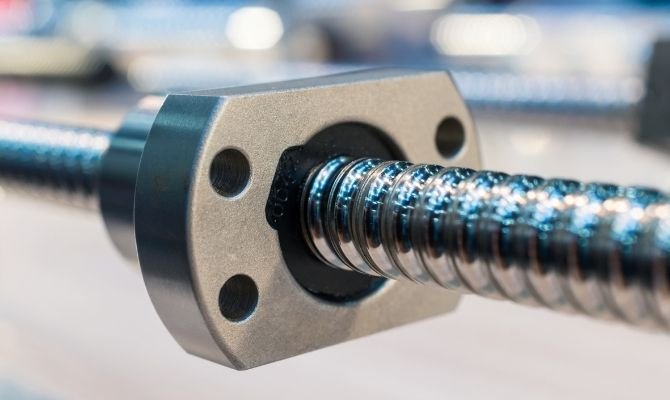
Lubrication frequency depends on operating speed, environmental contamination, and production intensity. High-speed machinery usually requires shorter maintenance intervals than slower positioning systems. Dusty facilities also demand more frequent servicing because contaminants damage threaded surfaces quickly. Many industrial suppliers recommend inspections after specific operating hour ranges. Technicians often inspect temperature changes during maintenance evaluations. Rising heat commonly indicates increasing friction within motion assemblies. Production facilities usually document lubrication intervals through digital maintenance systems. Consistent servicing prevents unexpected mechanical failures during manufacturing operations. Proper cleaning procedures also improve lubricant performance across threaded contact surfaces. Reliable maintenance planning supports stable equipment availability during demanding industrial production schedules.
Which Lubricants Work Best For High-Speed Motion Systems?
High-speed applications often require low viscosity synthetic oils for stable movement performance. Synthetic products usually provide better thermal stability during extended operating cycles. Several industrial facilities also prefer oxidation-resistant lubricants for continuous production schedules. Engineers evaluate load conditions before selecting lubrication materials for positioning equipment. Grease products may create excess resistance during rapid directional changes. Oil systems generally improve cooling performance within fast automation assemblies. Cleanroom environments frequently require low particle generation during mechanical movement. Food processing equipment also demands certified non-toxic lubrication products. Proper lubricant selection improves positioning consistency across precision manufacturing systems. Stable lubrication conditions reduce vibration and motor loading during high-speed industrial operations.
Can Incorrect Lubrication Damage Lead Screw Components?
Improper lubrication often creates severe wear across threaded motion assemblies. Excess lubricant attracts contaminant particles near exposed mechanical surfaces quickly. Insufficient lubrication increases friction and operating temperature during repeated movement cycles. Damaged threads frequently reduce positioning accuracy within industrial automation equipment. Incorrect viscosity selection may also create unstable motion during production operations. Heavy grease products sometimes restrict movement inside high-speed positioning systems. Contaminated lubricants commonly accelerate abrasive wear across contact surfaces. Maintenance teams usually inspect unusual vibration during equipment evaluations. Reliable servicing procedures reduce unexpected operational failures across manufacturing facilities. Correct lubrication practices improve component lifespan and production stability considerably.