Industrial machinery depends heavily on precision motion transmission and stable mechanical alignment. A qualified custom threaded shaft manufacturer helps factories reduce vibration, premature wear, and assembly deviation during long production cycles. Precision threads improve fastening accuracy inside automation systems and conveyor structures. Consistent machining quality also protects bearings, couplings, and linear transmission components from operational stress. Many industrial sectors require exact concentricity and strict dimensional tolerances for continuous production conditions. Poor shaft quality often creates thermal expansion problems during high-speed operation periods. Reliable suppliers usually maintain advanced CNC equipment and standardized inspection systems. Engineering communication also affects compatibility between shafts and mating mechanical components. Professional factories normally provide tolerance analysis and material recommendations before production approval. Buyers should evaluate manufacturing capability carefully before establishing long-term industrial purchasing cooperation.
Core CNC Systems Used In A Custom Threaded Shaft Manufacturer
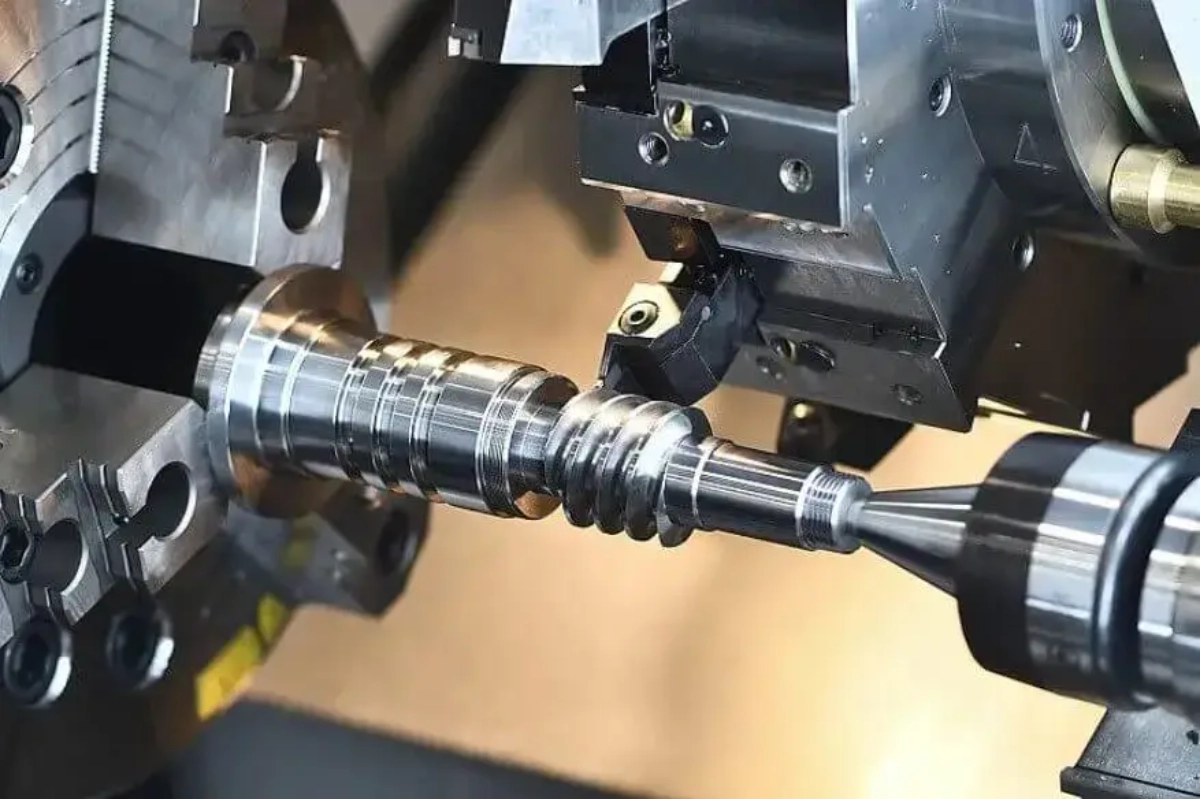
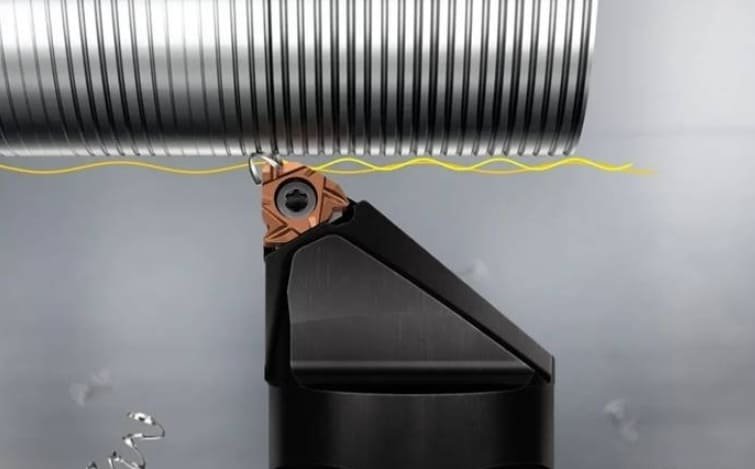
Modern shaft production requires advanced machining technology and stable process management systems. A professional custom threaded shaft manufacturer commonly operates CNC turning centers, grinding machines, and thread rolling equipment for industrial production applications. Multi-axis machining improves dimensional consistency across complex threaded structures significantly. Precision tooling also reduces thread deformation during high-volume manufacturing procedures. Engineers usually inspect pitch accuracy, shaft straightness, and surface roughness throughout each production cycle. Stable machining parameters help suppliers maintain repeatable product quality for industrial automation systems. Certain factories also provide customized heat treatment for higher hardness and improved fatigue resistance. Some equipment producers require threaded rod for machine OEM/ODM projects with unique dimensions and specialized coatings. Automated inspection systems further improve consistency during large export orders. Technical support departments often assist buyers during prototype validation and assembly optimization stages.
Material Selection Standards For A Custom Threaded Shaft Manufacturer
Raw material quality directly affects shaft durability, corrosion resistance, and operational safety performance. An experienced custom threaded shaft manufacturer normally purchases certified steel from traceable industrial suppliers with stable chemical composition control. Carbon steel shafts provide strong load-bearing capability for heavy machinery and transmission equipment applications. Stainless steel materials offer superior corrosion protection within humid production environments and chemical processing facilities. Many automation systems use stainless steel lead screw components because of their smooth motion performance and surface stability. Tensile strength and hardness also influence wear resistance during continuous industrial operation cycles. Factories commonly perform chemical composition analysis before machining procedures begin. Surface treatment methods such as nitriding, zinc plating, and black oxide coating improve environmental durability significantly. Buyers should always confirm material certification records before approving large industrial production contracts.
Production Quality Control And Inspection Procedures
Industrial shaft quality depends greatly on strict inspection management throughout every manufacturing stage. Reliable factories inspect diameter tolerance, thread pitch accuracy, and concentricity during active machining procedures. Coordinate measuring machines help engineers verify dimensional consistency across customized shaft components. Thread gauges also confirm compatibility with industrial fastening systems and transmission assemblies. Hardness testing improves confidence in long-term wear resistance performance under demanding operating conditions. Inspection laboratories often evaluate surface roughness before packaging approval begins. Many industrial manufacturers implement ISO-based management systems for process traceability and documentation control. Batch tracking procedures also improve accountability during large production projects and export shipments. Final inspections reduce transportation risks and protect product quality during international logistics operations. Consistent quality control systems help industrial buyers reduce equipment downtime and maintenance expenses significantly.
Industry Certifications And International Compliance Standards
Industrial certifications indicate whether manufacturing procedures follow recognized international quality requirements consistently. ISO 9001 remains one of the most important certifications for precision machining factories worldwide. Many overseas equipment companies also request RoHS and REACH compliance documentation before procurement approval. Automotive and automation sectors often require additional production records for safety-sensitive industrial applications. Export-oriented factories usually maintain standardized workflow systems and inspection documentation internally. Compliance management improves trust during long-term cooperation between industrial buyers and machining suppliers. Engineering departments should review certification validity before confirming strategic purchasing agreements. Some industries also require complete material traceability for environmental and operational safety verification. Experienced exporters normally manage customs documents and technical certification requirements efficiently. Stable compliance systems reduce procurement risks during international industrial manufacturing partnerships.
Comparing OEM And ODM Production Support
Industrial buyers frequently compare OEM and ODM production structures before selecting machining suppliers. OEM manufacturing focuses mainly on customer drawings and predefined engineering specifications. ODM services include internal design optimization and technical development support during production planning. Flexible factories commonly provide both solutions according to industrial application requirements and complexity levels. Prototype development services help engineers confirm assembly compatibility before large-scale production begins. Certain manufacturers also recommend structural modifications for better machining efficiency and reduced production cost. Design communication strongly affects tooling preparation and machining stability during customized projects. Buyers should evaluate previous production experience before approving technical cooperation agreements. Experienced engineering departments usually reduce production delays during urgent industrial manufacturing schedules. Stable technical collaboration also improves long-term operational reliability across customized mechanical systems.
Supplier Evaluation Comparison Table
| Evaluation Area | Basic Factory | Advanced Factory |
|---|---|---|
| CNC Capability | Standard turning | Multi-axis machining |
| Tolerance Accuracy | ±0.05 mm | ±0.01 mm |
| Inspection Method | Manual testing | CMM verification |
| Material Records | Limited traceability | Full certification |
| Engineering Support | Basic production | OEM and ODM service |
Advanced machining systems improve dimensional precision and assembly compatibility across industrial equipment applications. Factories with professional inspection laboratories usually maintain more stable production quality during large export projects. Material traceability also improves procurement safety for regulated industrial sectors. Buyers should compare engineering capability, inspection systems, and production consistency instead of focusing only on pricing levels.
Important Questions During Factory Audits
- Does the factory operate multi-axis CNC equipment?
- Are inspection devices calibrated regularly?
- Can engineers support prototype optimization quickly?
- Does the supplier maintain stable raw material inventory?
- Are export packaging systems suitable for long transportation?
- Can the factory manage urgent production schedules efficiently?
- Does the supplier provide complete material certification records?
- Are heat treatment and coating services available internally?
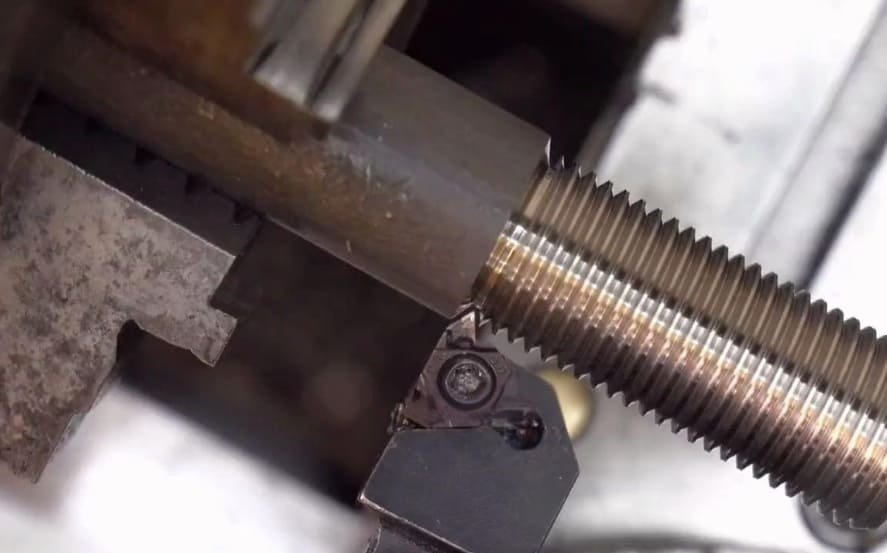
Factory audits help buyers verify actual production capability before approving long-term manufacturing cooperation. On-site inspections often reveal machining stability, equipment maintenance quality, and process management conditions clearly. Technical meetings with engineers also improve communication efficiency during future development projects. Organized workflow systems generally indicate better delivery reliability and stronger production consistency for industrial orders.
Production Cost And Long-Term Procurement Value
Industrial purchasing decisions should balance machining precision, operational reliability, and production cost carefully. A custom threaded shaft manufacturer offering extremely low pricing rarely guarantees stable performance inside demanding industrial environments. Tooling quality, inspection procedures, and material standards strongly influence long-term operational expenses. Buyers should review setup charges, transportation costs, and packaging quality before confirming procurement contracts. Some suppliers lower production costs through automated CNC systems and optimized workflow management procedures. Bulk purchasing agreements also reduce unit pricing during stable long-term cooperation periods. Poor packaging conditions sometimes create thread damage during overseas transportation operations. Reliable manufacturers usually recommend cost-efficient production solutions according to actual equipment requirements. Strategic sourcing decisions improve equipment lifespan and reduce unexpected maintenance expenses significantly.
Delivery Stability And Supply Chain Coordination
Stable delivery performance directly affects industrial installation schedules and manufacturing productivity worldwide. Reliable suppliers usually maintain sufficient steel inventory for urgent production requirements and schedule adjustments. Digital workflow systems improve production coordination across multiple machining departments effectively. Logistics teams also manage export documentation and international transportation planning efficiently. Emergency order handling capability helps industrial buyers avoid operational interruption during unexpected market demand increases. Certain factories cooperate with multiple shipping companies for flexible transportation arrangements. Stable scheduling systems reduce procurement uncertainty during long-term industrial purchasing cooperation. Buyers should evaluate historical delivery performance before approving strategic manufacturing partnerships. Consistent logistics coordination also improves customer confidence during global industrial equipment projects.
Technical Performance Comparison Table
| Performance Factor | Industrial Importance | Production Influence |
|---|---|---|
| Thread Precision | Assembly stability | Reduced vibration |
| Surface Hardness | Wear resistance | Longer lifespan |
| Material Strength | Load capacity | Operational safety |
| Corrosion Resistance | Environmental protection | Lower maintenance |
| Straightness Accuracy | Motion stability | Smoother transmission |
Mechanical performance depends heavily on machining precision, material quality, and inspection consistency throughout production cycles. Proper shaft straightness reduces vibration during high-speed industrial operation conditions. Hardness treatment also improves fatigue resistance during repeated mechanical loading processes. Corrosion-resistant coatings further protect threaded components inside humid or chemical manufacturing environments. Reliable suppliers normally optimize machining parameters according to actual industrial application conditions.
FAQ
What machining tolerance should industrial threaded shafts meet?
Industrial threaded shafts generally require tight dimensional tolerances for stable mechanical performance. Many automation systems demand tolerance ranges between ±0.01 mm and ±0.03 mm for precise assembly compatibility. Robotics, packaging equipment, and conveyor systems often require accurate thread pitch control and concentricity stability during continuous operation. Loose tolerances may create vibration, alignment deviation, and excessive wear across connected components. Manufacturers usually inspect dimensions through coordinate measuring machines and calibrated thread gauges. Buyers should define tolerance standards according to equipment speed, operational load, and environmental conditions. Stable precision improves assembly efficiency and reduces maintenance frequency significantly across industrial production systems.
Why does material certification matter in shaft production?
Material certification confirms whether industrial steel meets required mechanical and chemical property standards. Certified materials improve operational safety and long-term durability inside demanding manufacturing environments. Factories commonly provide mill test reports containing hardness, tensile strength, and alloy composition details for engineering verification. These records help buyers confirm compatibility with industrial machinery specifications and compliance requirements. Unverified materials sometimes create cracking, deformation, or corrosion problems during continuous operation cycles. Certified suppliers also improve procurement traceability and manufacturing reliability significantly. Many international industries require complete material documentation before equipment installation approval. Strong certification management supports stable equipment performance and lowers operational risks over extended production periods.
How can buyers evaluate a manufacturer before mass production?
Industrial buyers should evaluate machining capability, inspection systems, engineering communication, and delivery reliability carefully before approving production contracts. Factory audits provide direct visibility into equipment condition, process management quality, and workflow organization standards. Buyers should also request prototype samples before confirming large industrial orders officially. Sample inspections help engineers verify dimensional accuracy and thread compatibility within actual machinery assemblies. Reviewing certification documents and export experience further improves supplier selection confidence during procurement discussions. Technical communication speed also affects project efficiency during urgent manufacturing schedules. Experienced suppliers generally provide inspection reports and engineering recommendations during prototype development. Long-term cooperation depends heavily on stable quality performance and consistent delivery management capability.