Precision Role in Mechanical Transmission Systems
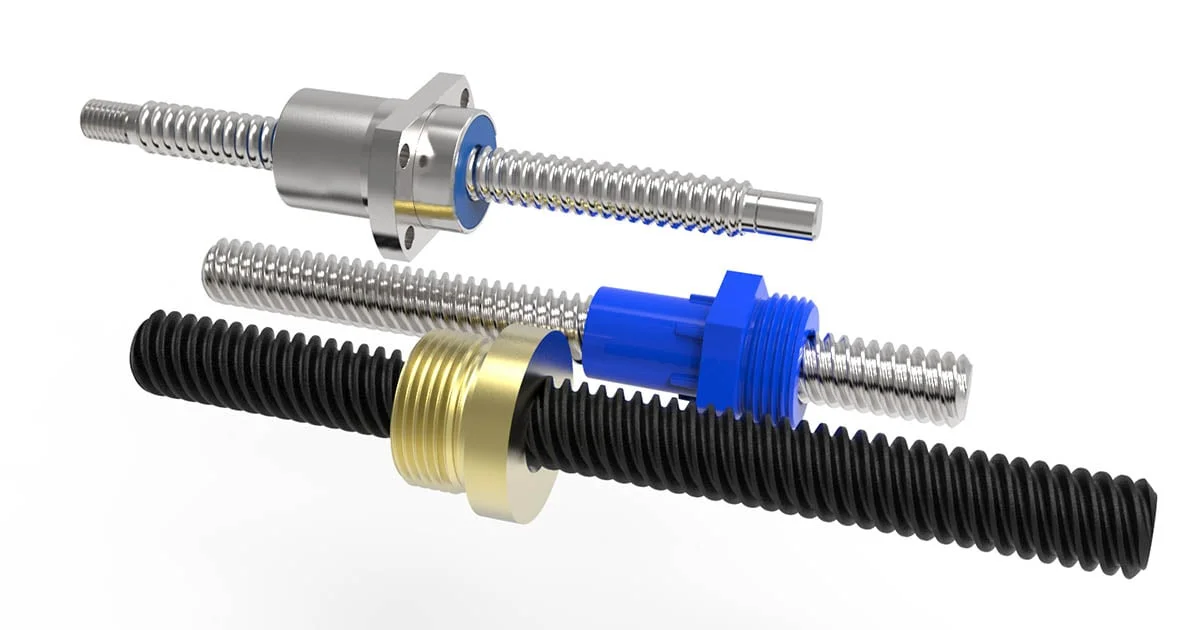
Lead screw systems rely heavily on interface accuracy to maintain stable linear motion. Lead screw end machining defines the geometric condition where torque is transferred into axial movement through couplings and bearings. When this interface is precisely controlled, vibration is reduced and load distribution becomes more uniform across the shaft. In industrial automation, even slight misalignment can amplify positioning errors over long travel distances. Proper end geometry ensures smooth engagement between rotating and fixed components. Engineers also use this process to enhance structural balance in high-speed applications. Without consistent finishing at the ends, mechanical backlash increases and system efficiency drops significantly. This is why precision manufacturing environments treat end geometry as a critical design parameter rather than a secondary operation.
Manufacturing Workflow and Machining Stages
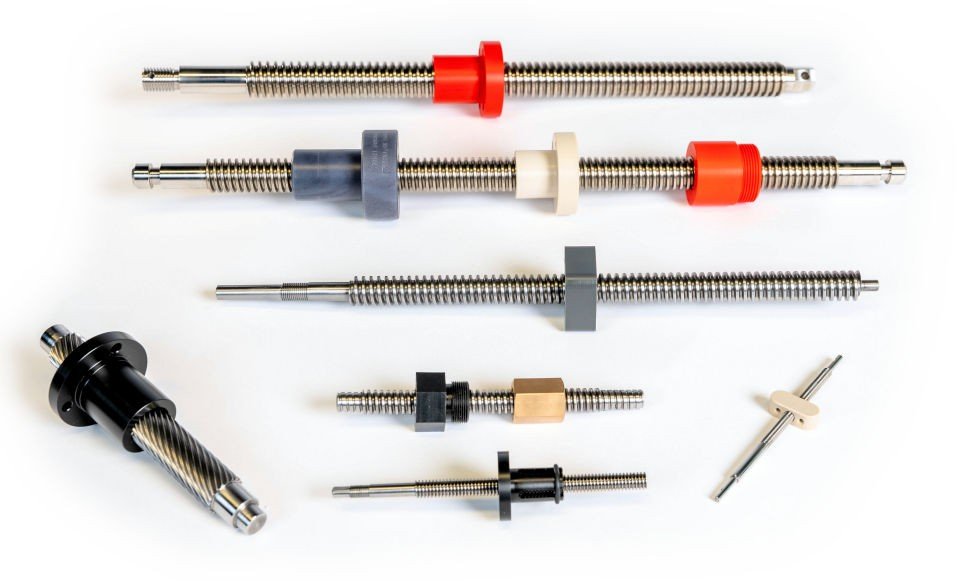
The production of precision screw systems begins with raw bar inspection and straightness correction to ensure baseline stability. Rough turning establishes the initial cylindrical structure before more detailed operations refine functional surfaces. In advanced production environments, lead screw end machining is introduced at later stages to form coupling zones and bearing seats with tight tolerances. CNC equipment plays a central role in controlling cutting paths and maintaining repeatability across batches. Thermal management is also essential because excessive heat can distort geometry during machining. Operators carefully monitor vibration and tool wear to maintain surface integrity. Each stage builds progressively toward final dimensional accuracy, and intermediate inspections help eliminate cumulative errors before final assembly. This structured workflow ensures consistent mechanical behavior in demanding industrial systems.
Lead Screw End Machining Material Selection and Mechanical Performance
Material behavior significantly influences machining stability, tool wear, and final dimensional accuracy in precision components. Carbon steel is commonly used due to its balanced machinability and cost efficiency, while alloy steel offers improved strength for heavy-load applications. Tool steel provides superior hardness but increases cutting resistance and processing time. During manufacturing, lead screw end machining must be adapted according to material hardness and thermal response. Engineers adjust feed rates and cutting depth to prevent surface damage or dimensional drift. Heat dissipation characteristics also vary between alloys, requiring different cooling strategies. Grain structure stability plays an important role in maintaining post-machining accuracy under load. Proper material selection ensures long-term reliability in mechanical transmission systems operating under continuous stress conditions.
CNC Optimization in Modern Production Systems
Modern manufacturing environments rely on CNC systems to achieve consistent precision and repeatability across complex components. Multi-axis machines allow precise control of tool orientation, enabling accurate shaping of functional interfaces. In high-volume production, lead screw end machining benefits from digitally controlled tool paths that reduce human variability and improve output consistency. Real-time monitoring systems track vibration, temperature, and tool wear to maintain machining stability. Simulation software is often used before production to validate cutting strategies and reduce scrap rates. A stainless steel lead screw is frequently selected in demanding environments due to its corrosion resistance and stable mechanical performance. Automated calibration further ensures that each cycle maintains identical geometric results. These technologies collectively support scalable manufacturing operations where both accuracy and efficiency are required. CNC integration has therefore become a fundamental requirement in precision motion component production.
Quality Inspection and Dimensional Control
| Inspection Item | Measurement Method | Control Standard |
|---|---|---|
| Concentricity | CMM System | ≤ 0.01 mm |
| Surface Roughness | Profilometer | Ra 0.4–1.6 |
| Diameter Accuracy | Micrometer | ± 0.005 mm |
Precision inspection ensures that manufactured components meet strict functional requirements before assembly. Dimensional verification using coordinate measurement systems helps confirm alignment accuracy and geometric consistency. Surface roughness plays a critical role in reducing friction and improving fatigue resistance under repeated motion cycles. Statistical process control is often used to maintain stable production quality across large batches. Engineers continuously refine machining parameters based on inspection feedback to reduce deviation trends. This feedback loop improves both process efficiency and long-term reliability. Consistent inspection practices are essential in maintaining performance stability in industrial-grade motion systems.
Thermal Stability and Surface Behavior
Heat generation during machining directly affects dimensional accuracy and surface integrity. When temperatures rise excessively, material expansion can distort intended geometry and reduce precision. Controlled cooling systems are therefore essential for maintaining stable cutting conditions. Spindle speed and feed rate adjustments are used to balance thermal load during processing. Microstructural changes may occur if heat is not properly managed, leading to reduced fatigue resistance. Engineers design machining cycles to stay within safe thermal limits to prevent deformation. Post-process cooling allows the material to stabilize before inspection. These thermal controls are essential for ensuring repeatable quality in high-precision mechanical components used in continuous operation environments.
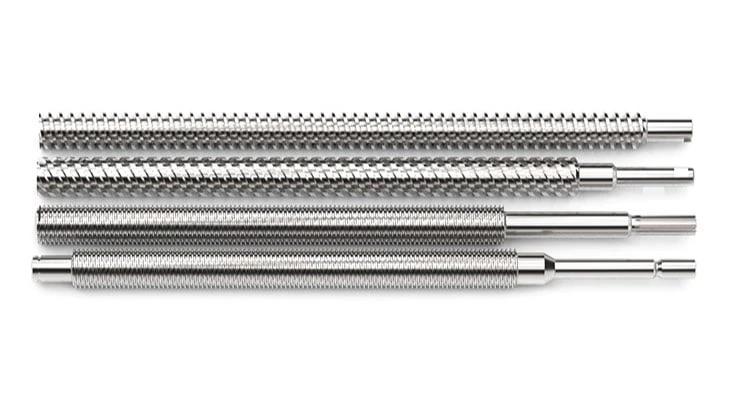
Application in Automation Systems with Lead Screw End Machining for OEM Integration
Precision motion systems are widely used in robotics, CNC machinery, and automated production lines where repeatable linear movement is essential. OEM manufacturers often customize components based on load, speed, and environmental requirements. In some configurations, a threaded rod for machine OEM/ODM is integrated into tailored mechanical assemblies for specific industrial applications. Proper interface geometry ensures smooth torque transfer and reduces mechanical stress at connection points. These systems depend on accurate alignment to maintain positioning precision over long operating cycles. In automation environments, reliability and repeatability are more important than raw speed. High-quality machining of critical interfaces ensures stable operation across diverse industrial conditions.
FAQ
What tolerances are required in precision screw systems?
Tolerance requirements vary depending on application sensitivity and load conditions. High-precision motion systems often require micrometer-level control of concentricity and diameter accuracy.Even minor deviations can lead to cumulative positioning errors in linear motion systems.Engineers rely on coordinate measurement systems to verify geometric accuracy before assembly.
Why is CNC preferred for precision manufacturing?
CNC systems provide unmatched repeatability and control in modern manufacturing environments. Automated tool paths eliminate many sources of human error and ensure consistent geometry across production batches. Complex shapes can be produced with high accuracy using multi-axis control systems. Real-time feedback allows dynamic adjustment of cutting conditions to maintain stability. Simulation tools improve planning efficiency and reduce material waste. Production speed is also increased without sacrificing precision. Data tracking supports continuous improvement in quality control processes. These advantages make CNC technology essential for high-precision industrial component manufacturing where consistency and reliability are critical.
Industry standards define acceptable deviation ranges to ensure consistent performance. Tight tolerance control reduces vibration, improves load distribution, and extends system lifespan. Statistical monitoring methods are also applied during mass production to maintain consistency. Proper calibration of machining equipment is essential to achieving these accuracy levels across repeated manufacturing cycles.
How does heat treatment affect machining quality?
Heat treatment modifies both hardness and internal microstructure, which directly impacts machining behavior. Increased hardness improves wear resistance but also increases cutting resistance and tool wear during processing. If not properly controlled, thermal distortion can lead to dimensional instability in finished components. Engineers apply staged heating and cooling cycles to balance hardness and machinability. Post-treatment inspection ensures that dimensional accuracy is maintained after structural changes. Tool selection and cutting parameters must be adjusted accordingly to prevent surface damage. Proper thermal management improves both durability and long-term performance of mechanical components used in demanding environments.