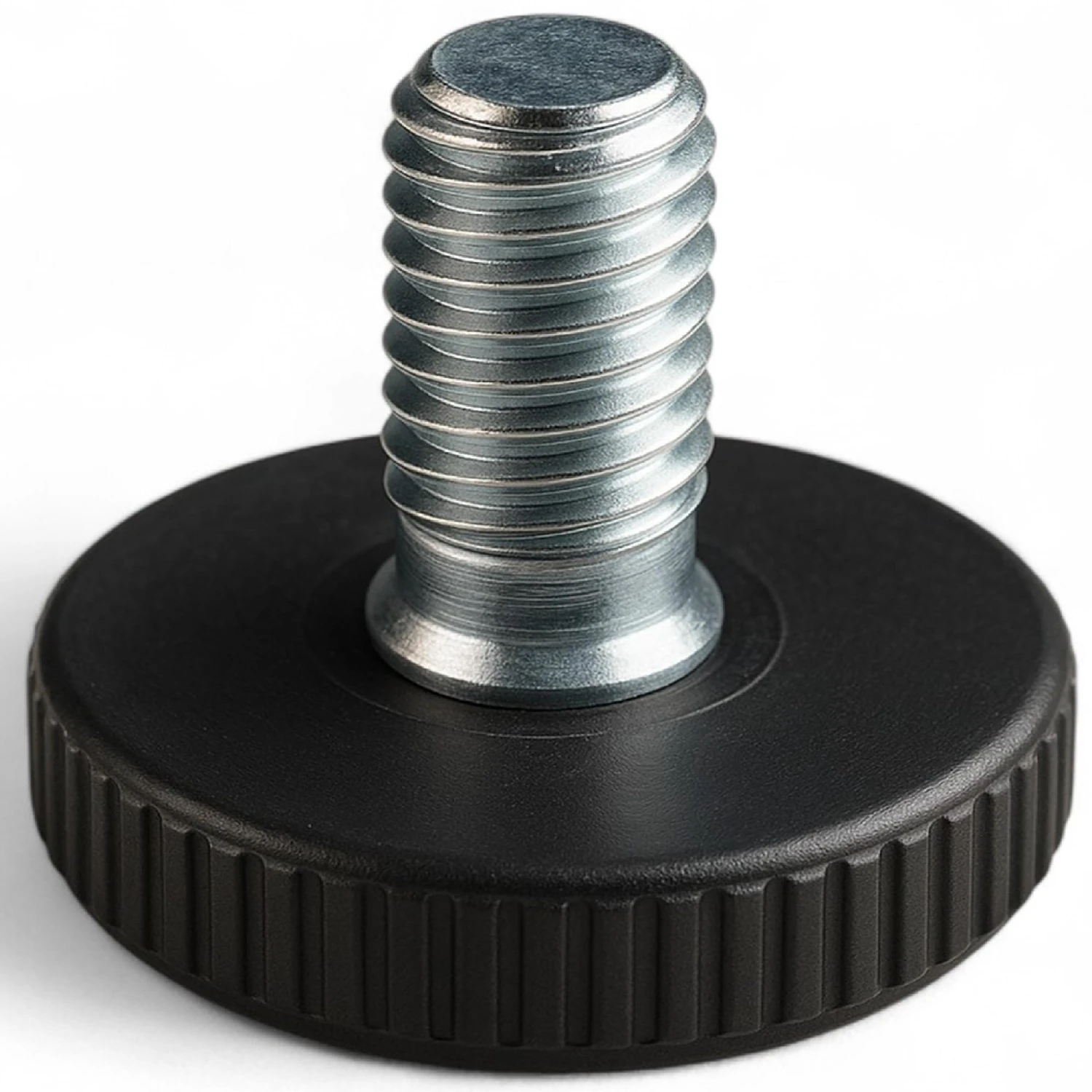
Leveling feet stud material plays a key role in industrial machine stability systems. It determines how equipment interacts with the floor under static and dynamic loads. Engineers evaluate structural behavior before selecting any support component. Different production environments require different mechanical strengths. The wrong selection can lead to vibration issues and alignment deviation. Industrial automation relies on precise positioning systems. Even small structural inconsistencies affect output quality. Material composition also influences deformation resistance under continuous pressure. In heavy-duty environments, stability depends on consistent mechanical properties. Proper selection ensures smoother operation and reduces maintenance interruptions in production systems.
Load stability influenced by leveling feet stud material selection
Load stability depends on how leveling feet stud material responds to pressure distribution. Stronger materials reduce deformation under continuous industrial loads. Weak structures gradually lose alignment accuracy over time. Engineers calculate stress distribution before installation. Balanced load transfer improves operational stability. In automated systems, vibration can significantly affect output precision. A properly selected support structure reduces oscillation effects. Systems operating under constant pressure require predictable mechanical behavior. Without proper selection, equipment may experience instability and structural fatigue. Load management remains a core factor in industrial machine design.
Corrosion resistance and leveling feet stud material durability
Environmental exposure strongly affects leveling feet stud material performance. Moisture, chemicals, and temperature changes accelerate surface degradation. Engineers must consider corrosion resistance during material selection. Protective coatings help slow oxidation but do not fully replace base material strength. Stainless steel leveling foot performs better in harsh environments. Long-term exposure can weaken structural integrity if the wrong material is used. In chemical or coastal environments, corrosion resistance becomes essential. Stability directly influences machine lifespan. Regular inspection helps detect early surface damage. Proper selection improves durability and reduces replacement frequency in industrial systems.
Mechanical strength characteristics of leveling feet stud material
Mechanical strength defines how leveling feet stud material performs under repeated stress cycles. High-strength alloys resist deformation under heavy loads. Lower-grade materials lose structural integrity faster under vibration exposure. Engineers evaluate tensile strength and hardness before application. Heat treatment improves internal structure stability. Repeated loading gradually affects mechanical performance. In industrial environments, predictable material behavior is essential. Fatigue resistance determines long-term operational reliability. Improper material selection increases failure risk in automated systems. Strong mechanical properties ensure stable machine positioning. This directly improves production efficiency and reduces downtime in industrial operations.
Surface interaction and vibration control performance
Surface contact quality influences vibration transfer in industrial systems. Leveling feet stud material affects how force is distributed at contact points. Smooth surfaces reduce micro-vibration transmission. Rough surfaces increase friction but may cause wear. Engineers balance these factors depending on application requirements. Vibration control is essential in precision machinery systems. Poor surface behavior increases noise and mechanical fatigue. Proper design improves stability and alignment accuracy. Damping effects help reduce oscillation between machine and floor. Controlled vibration improves operational precision. Surface engineering plays a key role in system performance and durability.
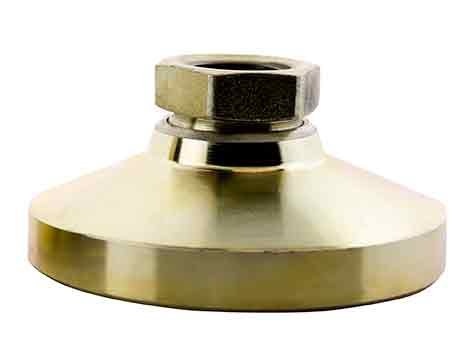
Manufacturing quality and leveling feet stud material performance consistency
Manufacturing processes determine final performance stability. Forging improves internal grain structure strength. Machining ensures precise dimensional control. Heat treatment enhances hardness and fatigue resistance. Quality inspection identifies defects before deployment. Consistency across production batches ensures reliable performance. Poor manufacturing control reduces structural reliability. Anti vibration leveling foot must meet strict industrial standards. Accurate processing improves mechanical stability under load. Defect-free production reduces operational failure risk. High manufacturing quality ensures long-term performance consistency in industrial environments.
Cost efficiency and industrial selection strategy
Cost evaluation includes material price, maintenance needs, and service life. High-performance leveling feet stud material reduces long-term operational costs. Lower-cost alternatives may increase maintenance frequency. Procurement teams analyze lifecycle cost rather than initial price alone. Supply chain stability affects industrial planning. Durable materials reduce downtime and improve productivity. Strategic sourcing improves system efficiency. Proper material selection balances cost and performance requirements. Long-term reliability is more important than short-term savings. Engineering decisions focus on total operational cost efficiency.
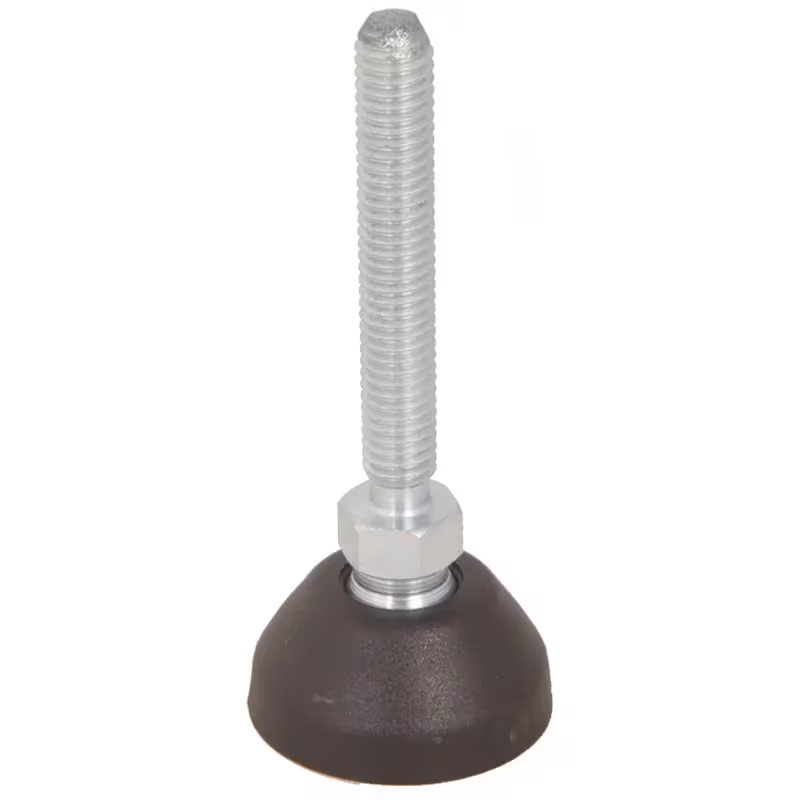
Installation and maintenance considerations in industrial systems
Proper installation ensures stable performance of leveling feet stud material systems. Torque control prevents structural damage during assembly. Accurate alignment ensures balanced load distribution. Regular inspection identifies early wear conditions. Lubrication reduces friction in adjustable components. Maintenance cycles depend on operational intensity. Incorrect installation increases vibration levels. Calibration ensures consistent positioning accuracy. Environmental conditions influence maintenance frequency. Skilled installation improves system safety and reliability. Preventive maintenance reduces long-term operational risks.
Common material options in leveling systems
- Carbon steel for heavy-load industrial environments
- Stainless steel for corrosion-resistant applications
- Zinc-coated steel for cost-efficient use
- Nylon composite for vibration and noise reduction
Each option offers different mechanical advantages. Carbon steel provides high strength. Stainless materials improve corrosion resistance. Zinc coatings offer moderate protection. Nylon reduces vibration and operational noise. Selection depends on application requirements and environmental conditions.
Performance comparison table of leveling feet stud material types
| Material Type | Load Strength | Corrosion Resistance | Vibration Control |
|---|---|---|---|
| Carbon Steel | Very High | Low | Medium |
| Stainless Steel | High | Very High | Medium |
| Zinc-Plated Steel | Medium | Medium | Low |
| Nylon Composite | Low | High | High |
This table shows performance differences across industrial materials. Load strength affects structural capacity. Corrosion resistance determines environmental durability. Vibration control influences machine stability. Engineers use these metrics for system optimization. Proper selection improves operational efficiency.
Cost-performance comparison table
| Material Type | Initial Cost | Maintenance Cost | Service Life |
|---|---|---|---|
| Carbon Steel | Medium | High | Long |
| Stainless Steel | High | Low | Very Long |
| Zinc-Plated Steel | Low | Medium | Medium |
| Nylon Composite | Low | Low | Medium |
This table compares cost efficiency across materials. Initial cost impacts procurement decisions. Maintenance cost affects long-term expenses. Service life determines replacement cycles. Engineers evaluate all factors for system optimization.
Key selection criteria for industrial applications
- Load capacity under operational stress
- Environmental corrosion exposure
- Vibration damping requirements
- Service life expectations
- Budget constraints
These factors determine engineering selection decisions. Load capacity ensures safety. Corrosion resistance improves durability. Vibration control enhances precision. Lifecycle planning reduces downtime. Budget influences procurement strategy.
FAQ
What affects durability in industrial support systems?
Durability depends on load intensity, environmental conditions, and material quality. Continuous vibration increases fatigue accumulation in structural components over time. Poor material selection accelerates deformation and reduces operational lifespan. Heat treatment improves internal grain stability and enhances resistance to mechanical stress. Surface protection layers help reduce corrosion damage in harsh environments. Maintenance frequency also plays a major role in extending service life. Harsh chemical or high-humidity conditions significantly shorten durability. Proper installation ensures balanced force distribution across support points. Engineering design must consider real operating loads and environmental exposure. Continuous monitoring helps detect early failure signs and maintain long-term system stability.
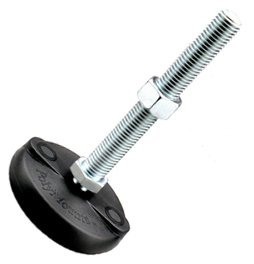
How does material selection affect vibration behavior?
Material selection directly influences vibration transmission and damping performance in industrial systems. Rigid materials tend to transmit more mechanical energy, increasing vibration levels across connected structures. Softer materials absorb part of the vibration but may reduce overall stability under heavy loads. A proper balance between stiffness and damping is necessary for precision applications. Poor selection can lead to resonance effects, increased noise, and accelerated wear of mechanical parts. Surface contact design also plays a role in vibration behavior. In automation systems, controlled vibration is essential for accuracy. Engineering optimization ensures stable performance under continuous operational stress.
Which materials perform best in corrosive environments?
Materials with high oxidation resistance perform best in corrosive environments. Stainless-based alloys are widely used due to their stable surface layer that resists moisture and chemical attack. Protective coatings such as galvanization or plating improve resistance in moderate conditions but are less effective in extreme exposure. Chemical plants and coastal environments require higher-grade corrosion-resistant materials for long-term stability. Regular maintenance helps extend service life by preventing surface degradation. Environmental severity determines material selection strategy. Engineering teams often prioritize corrosion resistance over cost in aggressive operating conditions to ensure structural integrity and reduce replacement frequency over time.