Leveling mounts for automation equipment are widely used in precision manufacturing environments where stability directly affects output quality. Industrial machines often operate under continuous vibration and uneven floor conditions. These factors can reduce alignment accuracy and increase mechanical wear. Engineers apply leveling systems to correct height imbalance and stabilize machine frames. This improves repeatability in robotics, CNC machining, and automated assembly lines. Stable positioning reduces operational drift and enhances production consistency. In high-speed environments, even minor instability can create measurable errors. Proper mounting solutions help maintain controlled operation across long production cycles and demanding industrial workloads.
Functional Role in Precision Machine Support Systems with Leveling Mounts for Automation Equipment
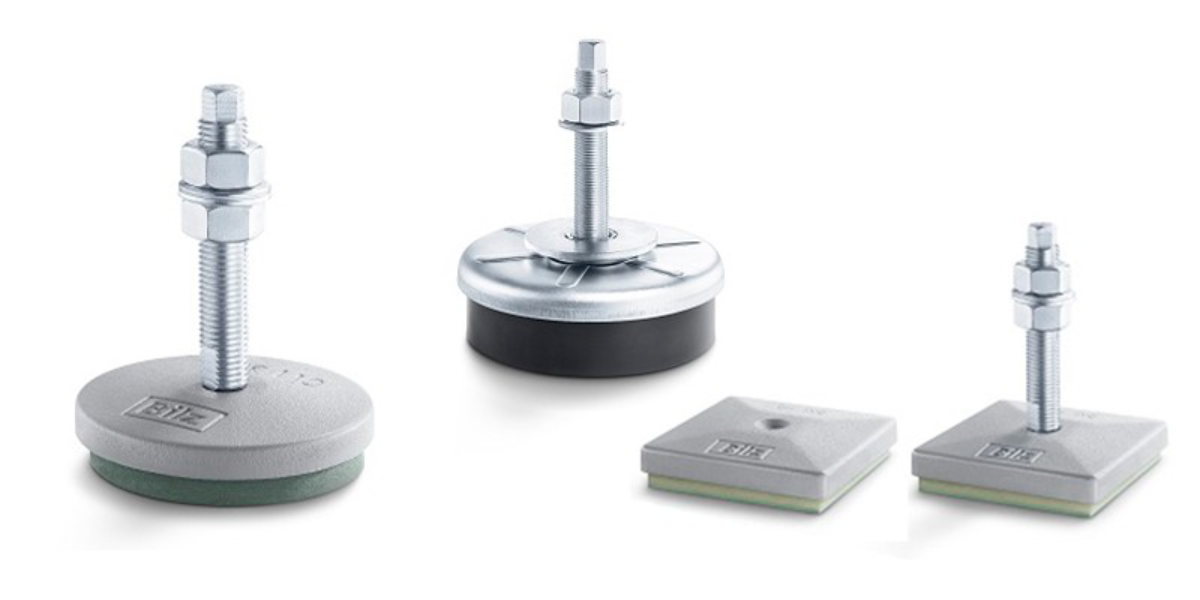
Leveling mounts for automation equipment serve as adjustable supports that stabilize machinery on uneven surfaces. They use threaded structures to achieve precise vertical correction during installation. A reinforced base distributes machine load evenly across the floor. This prevents localized stress and improves balance during operation. Engineers rely on these components to maintain strict alignment tolerances in automated systems. The design helps reduce mechanical drift caused by continuous motion and vibration. In production environments, consistent positioning ensures repeatable output quality. These supports also improve safety by reducing unexpected machine movement during high-speed processes.
Mechanical Structure and Load Distribution Behavior
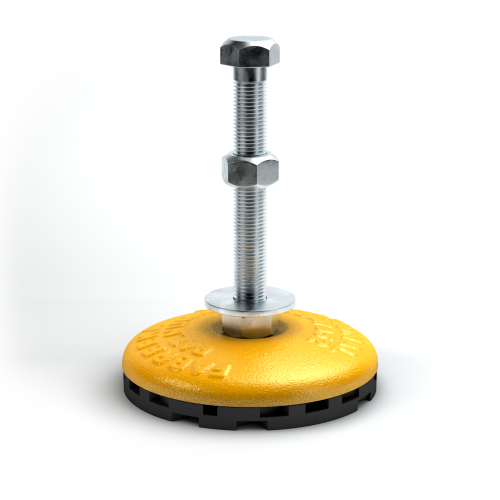
The mechanical design of leveling mounts for automation equipment combines rigidity and controlled flexibility. A threaded shaft allows fine adjustment for accurate leveling. The base plate spreads weight across a wider surface area to reduce pressure concentration. Elastomer layers absorb minor vibration and protect machine frames from direct impact. This structure ensures stable performance under both static and dynamic loads. Engineers calculate load ratings based on machine weight and operational forces. Proper distribution prevents uneven stress accumulation.
Vibration Isolation and Dynamic Stability Control
Vibration management is essential in industrial automation systems. Machines generate continuous oscillation during operation, which can affect precision output. Leveling mounts for automation equipment reduce these disturbances by absorbing mechanical energy through damping materials. This improves machining accuracy and protects sensitive electronic components. Force distribution across multiple contact points reduces structural stress. In high-performance systems, an anti vibration leveling foot may be used to further improve isolation efficiency. Controlled vibration absorption ensures smoother operation and reduces long-term mechanical fatigue in production equipment.
Material Engineering and Environmental Performance
Material selection determines the durability and performance of industrial mounting systems. Carbon steel provides strong structural support for heavy machinery. Stainless alloys offer excellent corrosion resistance in humid or chemical environments.Elastomer components enhance vibration absorption and reduce operational noise.Engineers choose materials based on load conditions and environmental exposure.Thermal stability also plays a key role in high-temperature production areas.
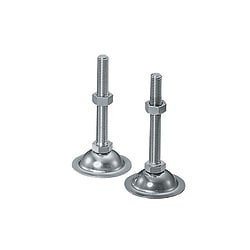
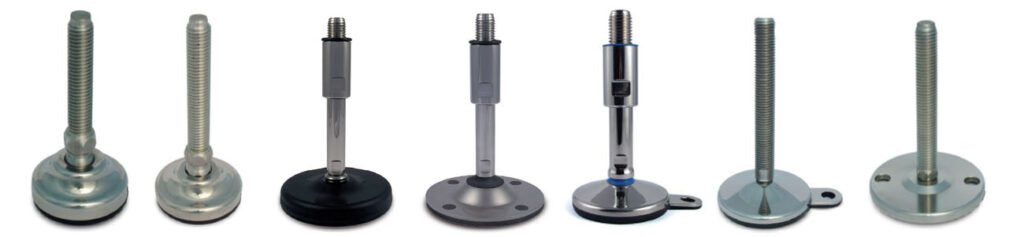
In sanitary or corrosive environments, a stainless steel leveling foot is often preferred for long service life and stable mechanical performance. Proper material combination ensures consistent operation under diverse industrial conditions.
Comparison of Industrial Machine Support Systems
| Support Type | Stability | Vibration Control | Adjustment Capability |
|---|---|---|---|
| Fixed Base | High | Low | None |
| Adjustable Mount System | Very High | High | Precise |
| Rubber Pad | Medium | Medium | None |
This comparison shows how adjustable mounting systems outperform traditional supports in automation environments. Fixed bases provide rigidity but lack correction ability. Rubber pads reduce vibration but cannot maintain alignment accuracy. Adjustable systems combine stability with precise leveling capability. This makes them suitable for automated production lines requiring high repeatability and tight tolerances.
Installation Accuracy and Alignment Process
Proper installation is essential for stable machine operation. Technicians position equipment on a prepared surface before adjusting each support individually. Laser tools are often used to ensure accurate leveling across all contact points. Threaded components are tightened gradually to prevent uneven stress distribution. Load balancing checks confirm equal force distribution across the machine base. Correct installation reduces mechanical strain and improves long-term operational stability.
Maintenance Practices and Service Life Optimization
Routine maintenance improves system reliability and extends operational lifespan. Inspection routines focus on thread condition, corrosion signs, and alignment stability. Lubrication ensures smooth adjustment and reduces mechanical wear. Elastomer components require periodic evaluation to maintain damping performance. Replacement cycles depend on operating intensity and environmental conditions. Heavy-duty systems may require more frequent checks. Proper maintenance reduces unexpected downtime and ensures consistent machine performance. Regular care helps maintain alignment accuracy across long production cycles.
Selection Criteria for Industrial Mounting Solutions
Choosing the right support system requires evaluation of multiple engineering factors. Load capacity is the primary consideration in system design. Floor condition affects adjustment requirements during installation. Environmental exposure determines material selection and protective treatment. Vibration intensity influences damping needs. Engineers also consider maintenance accessibility and installation space. Each factor contributes to system reliability and operational stability. Proper evaluation ensures consistent performance and reduces mechanical failure risk in automated manufacturing environments.
Selection Checklist:
- Load capacity compatibility
- Surface stability condition
- Vibration intensity level
- Environmental resistance requirement
- Adjustment precision range
- Maintenance accessibility
Operational Benefits in Automated Manufacturing Systems
Stable machine positioning improves production accuracy and reduces dimensional variation in automated processes. Consistent alignment ensures repeatable output quality across production cycles. Vibration reduction protects sensitive components from premature wear. Equipment efficiency improves when mechanical stress is minimized. Production lines experience fewer interruptions and higher consistency. These benefits make leveling mounts for automation equipment essential in industries such as electronics, automotive manufacturing, and packaging automation. Reliable stability directly supports high precision production demands.
FAQ
How do leveling mounts improve machine accuracy in automation systems?
Leveling mounts improve accuracy by stabilizing machine bases and correcting uneven floor conditions. Uneven surfaces often cause alignment drift during operation. Adjustable threaded structures restore balance and maintain consistent positioning. Once calibrated, they reduce micro-movements that affect machining precision. Vibration damping materials further enhance stability by limiting oscillation transfer. This ensures repeatable output quality in automated systems. Stable alignment is essential for CNC machining and robotic production lines where tolerance requirements are strict. Proper leveling directly reduces cumulative error and improves long-term manufacturing consistency across continuous production cycles.
What materials are commonly used in industrial mounting systems?
Industrial mounting systems use multiple engineered materials depending on operating conditions. Carbon steel is widely used for heavy load applications due to its high structural strength. Stainless steel provides corrosion resistance in humid or chemically aggressive environments. Elastomer components such as polyurethane or nitrile rubber improve vibration damping and noise reduction. Some advanced designs combine metals and elastomers to balance rigidity and flexibility. Material selection depends on temperature range, load intensity, and environmental exposure. Proper matching ensures stable operation, reduces wear, and extends service life in automated production systems.
How often should mounting systems be inspected in industrial environments?
Inspection frequency depends on workload intensity and operating environment. In high-load automation systems, quarterly inspections are commonly recommended. Technicians evaluate thread wear, corrosion, and alignment stability during each check. Elastomer components should also be assessed for hardening or loss of damping performance. If deformation or instability is detected, replacement is required immediately. Lighter-duty systems may allow longer intervals, such as semi-annual inspections. Regular monitoring helps prevent unexpected downtime, maintains machine accuracy, and ensures stable operation. Proper inspection schedules significantly extend equipment lifespan in continuous industrial production environments.