Machine handle mounting plays a direct role in equipment control. Secure handles help operators move machines with precision. Loose handles create sway during transport and setup. Many factories depend on repeatable motion every shift. Stable contact points reduce operator strain. Proper mounting also protects frames from uneven force. Buyers often focus on motors first. However, handle design also affects output quality. Packaging lines, carts, CNC stations, and mobile tools use mounted handles daily. Strong fastening keeps movement predictable. Better predictability lowers damage risk. For B2B buyers, reliability matters more than appearance. A tested mounting system supports longer service cycles and fewer service calls.
Why Stability Matters in Industrial Environments
Industrial floors rarely stay perfect. Small slopes, dust, and impacts affect machine movement. Operators need confident grip during every shift. A weak handle connection can shift suddenly. Sudden shifts may damage products or tooling. Stable systems hold alignment under motion. They also help when machines stop quickly. Repeated braking loads stress connection points. Strong mounting spreads those loads better. Warehouses and assembly plants value consistency. Consistency supports safer traffic flow. It also reduces handling errors. Managers often track downtime causes. Loose accessories create hidden downtime over time. Better stability improves machine readiness and smoother daily operations.
How Machine Handle Mounting Controls Force Transfer
Every push or pull creates directional force. That force enters the frame through the handle base. Good machine handle mounting spreads pressure across a wider area. Wide load paths reduce local stress cracks. Thick backing plates improve stiffness. Correct bolt spacing limits twisting motion. Operators then feel more direct response. Fast response improves steering in narrow aisles. It also helps during fine positioning tasks. Some systems use U-handles for two-hand control. Two-hand grip improves balance during movement. Engineering teams should review leverage angles carefully. Better geometry often reduces effort and frame fatigue over time.
Common Mounting Methods Compared
| Method | Stability | Service Ease | Best Use |
|---|---|---|---|
| Through Bolt | High | High | Heavy Equipment |
| Threaded Insert | Medium | Medium | Panels |
| Welded Base | High | Low | Permanent Frames |
| Rail Clamp | Medium | High | Adjustable Stations |
Selecting the right method depends on service goals. Through bolts suit dynamic loads well. Welded bases fit fixed structures. Rail clamps help modular layouts. Threaded inserts save space in thin panels. Buyers should compare maintenance needs first. Quick service often saves more money later. Fast replacement lowers line stoppage. Stable mounting should match real use conditions.
Material Choices That Improve Durability
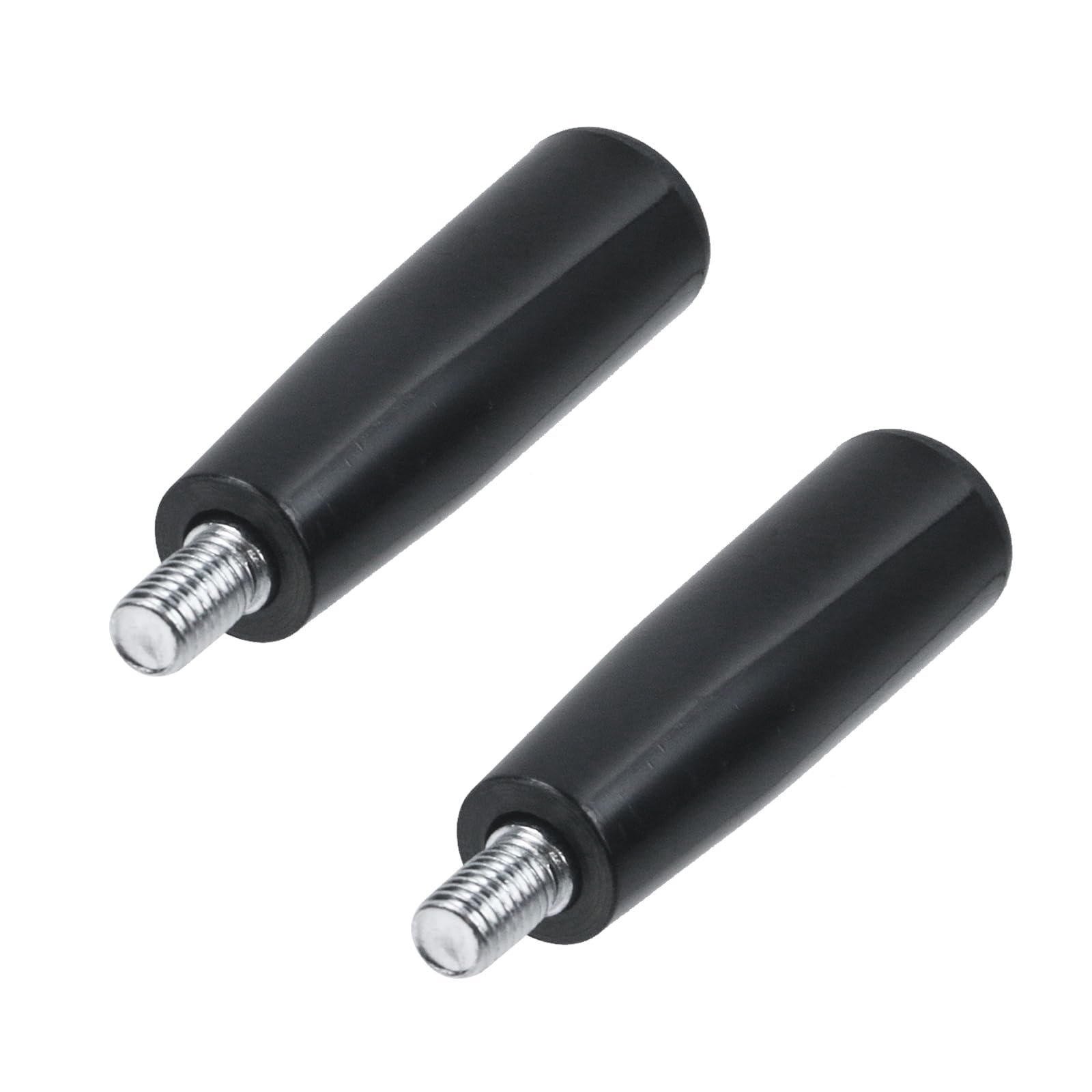
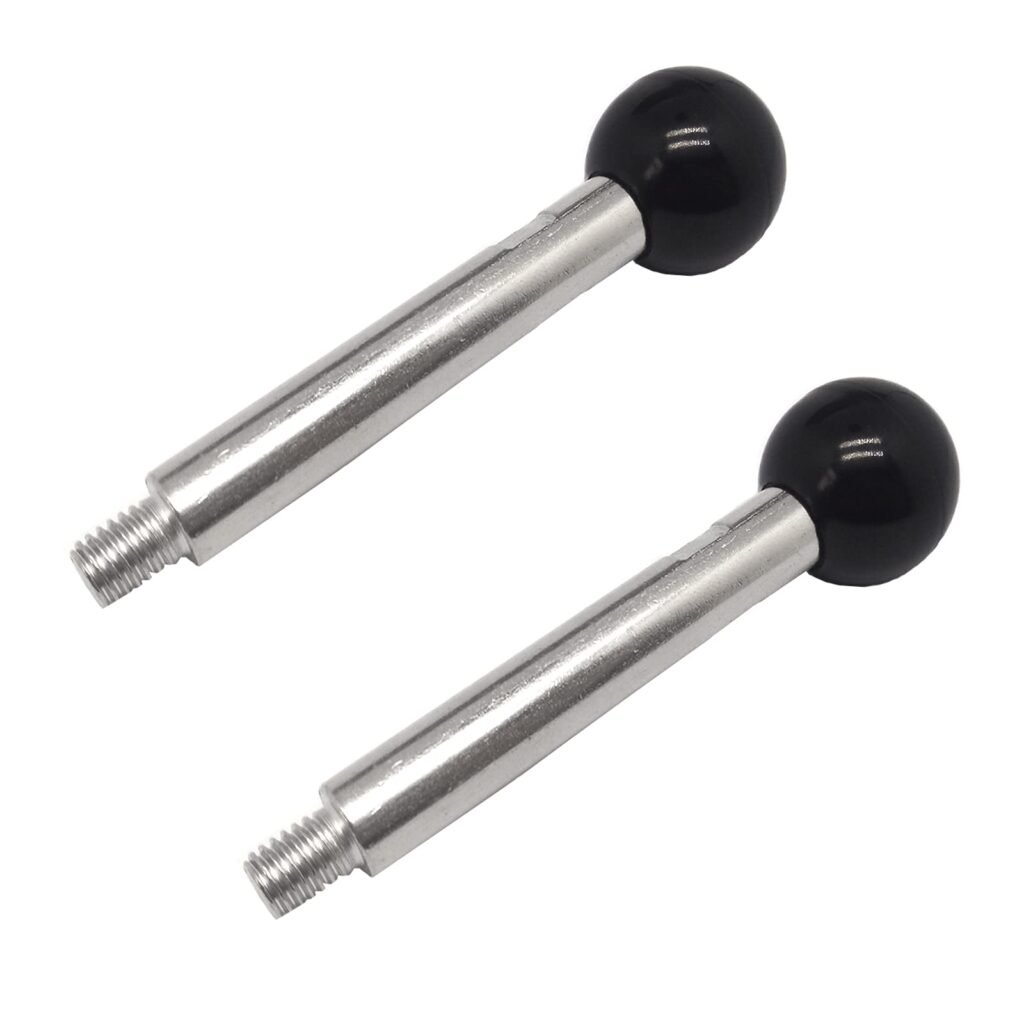
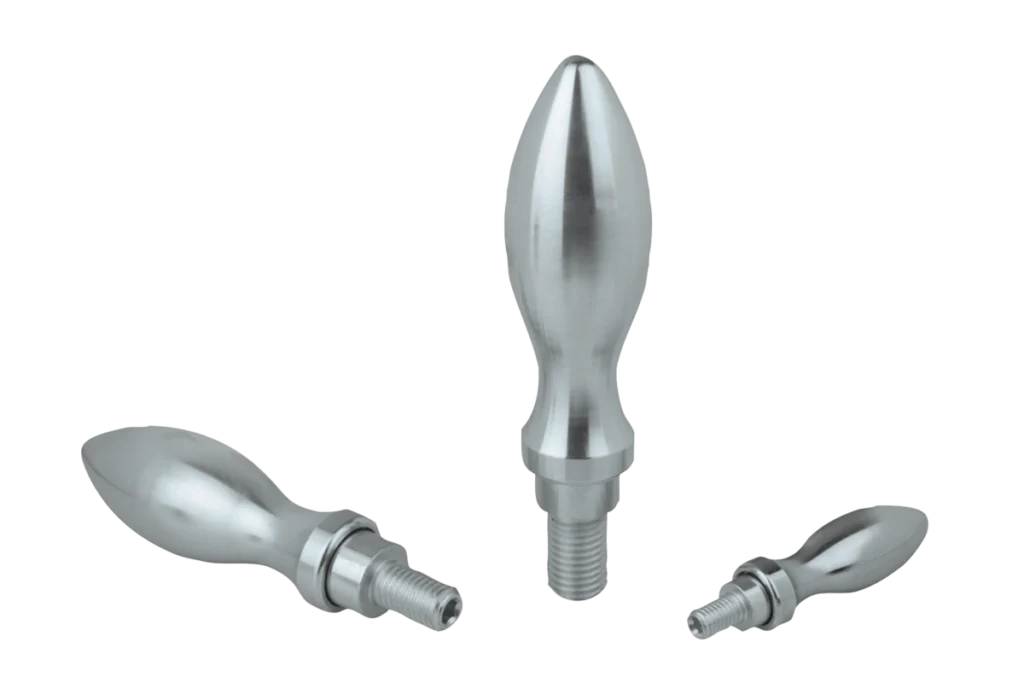
Handle material changes stiffness and lifespan. Stainless steel resists washdown and corrosion. Aluminum lowers weight for mobile units. Reinforced polymer improves comfort in cold rooms. Surface texture also matters greatly. Smooth grips may slip with gloves. Knurled or coated grips improve traction. Good traction reduces sudden jerks. Some buyers choose folding handles where space is tight. Foldable designs keep aisles clear after use. Mounting bases still need strong reinforcement. Material selection should match chemicals, moisture, and impact exposure. Smart choices reduce replacement frequency and labor costs over time.
Hardware Selection and Fastener Quality
Small hardware often decides final performance. Low-grade bolts may loosen early. Hardened washers protect painted surfaces better. Lock nuts resist vibration during cycles. Thread locker can support retention. Torque values must follow specifications. Overtightening may crush thin panels. Undertightening allows movement and noise. Engineers should check thread engagement depth. Stainless bolts need anti-seize in some cases. Mixed metals may cause galvanic corrosion. Good sourcing teams request certificates from suppliers. Traceable hardware improves quality control. Strong fastener discipline keeps machine handle mounting dependable across production fleets.
Maintenance Schedule for Stable Performance
| Check Item | Weekly | Monthly | Quarterly |
|---|---|---|---|
| Bolt Tightness | Yes | Yes | Yes |
| Grip Wear | Yes | Yes | No |
| Frame Cracks | No | Yes | Yes |
| Corrosion Signs | No | Yes | Yes |
Routine checks stop minor faults early. Weekly bolt checks need little time. Monthly visual reviews catch wear patterns. Quarterly deeper checks support asset planning. Teams should record findings consistently. Trend data reveals recurring stress zones. That data helps redesign weak points. Planned maintenance costs less than emergency repair. Stable machines keep production moving reliably.
Buyer Checklist for Procurement Teams
- Confirm load rating and use cycle.
- Request material certificates.
- Verify bolt grade and torque data.
- Review corrosion resistance needs.
- Check spare part availability.
- Ask for installation drawings.
- Inspect warranty terms carefully.
Strong purchasing standards reduce lifecycle cost. Many failures begin before installation. Wrong specifications create constant service issues. Clear technical documents prevent mismatch errors. Buyers should compare total ownership cost. Cheap parts may fail faster. Reliable suppliers support repeat orders better. Long partnerships also improve customization speed.
FAQ
What materials work best for heavy-duty handles?
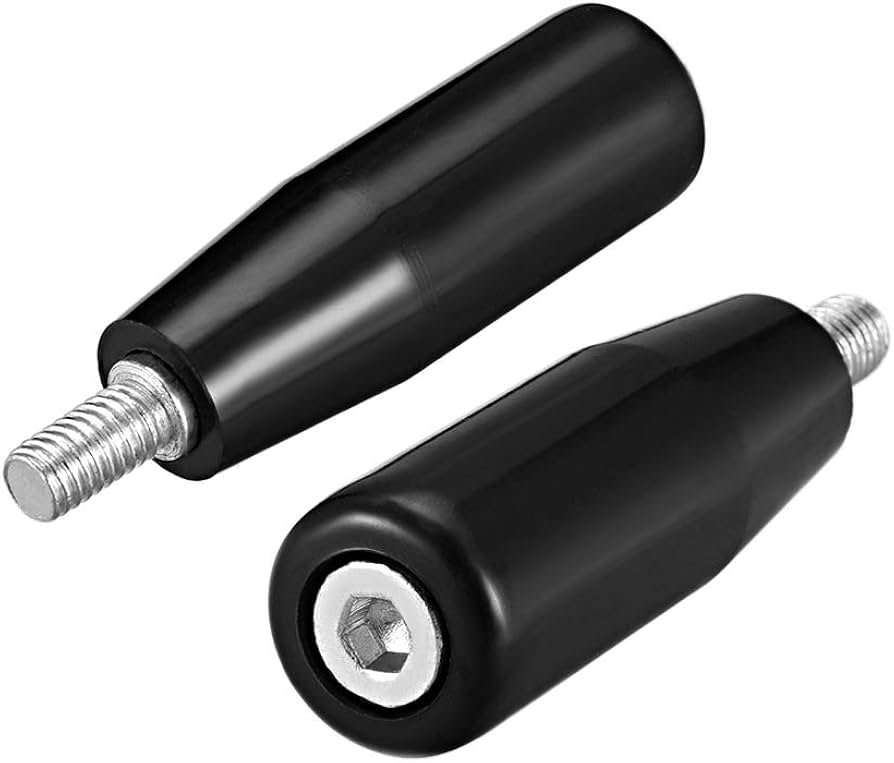
Heavy-duty applications often need stainless steel or high-strength aluminum. Stainless steel suits wet, chemical, or washdown areas. It offers strong corrosion resistance and long service life. Aluminum works well when lower weight matters. Reinforced polymer can fit moderate loads with comfort benefits. Material choice should also match temperature range and cleaning chemicals.Grip coating may improve control with gloves. Buyers should review static load and repeated cycle demands. Good base plates matter as much as grip material. Balanced selection gives longer life and safer operation.
Machine Handle Mounting and Return on Investment
Machine handle mounting influences costs beyond hardware price. Stable systems reduce repair frequency. Better control lowers accidental impacts. Lower impacts protect sensors and panels. Operators also work faster with confidence. Faster movement shortens internal transport time. Reduced fatigue may improve shift consistency. Consistency supports output planning accuracy. Safety performance can improve as well. Fewer sudden slips mean fewer incidents. Procurement teams should measure yearly downtime savings. Small component upgrades often create strong returns. Well-mounted handles become high-value operational assets.
Conclusion: Why Stable Handles Matter
Stable handles support reliable industrial movement. Good design transfers force cleanly. Strong materials resist harsh environments. Correct hardware prevents loosening over time. Planned inspections keep systems dependable. Buyers should assess total lifecycle value. Smart choices reduce downtime and service expense. When stability improves, production usually follows. machine handle mounting remains a practical upgrade for many B2B operations.
How often should mounted handles be inspected?
Inspection frequency depends on load cycles and environment. Busy factories often check visible condition weekly. Monthly checks should include bolt tightness and surface wear. Quarterly reviews can inspect cracks, corrosion, and frame distortion. Harsh vibration may require more frequent checks. Outdoor equipment also needs closer review after weather exposure. Keep records for every inspection round. Recorded data helps predict replacement timing. If movement, noise, or looseness appears, inspect immediately. Quick action prevents larger repairs and protects nearby components from secondary damage.
Can custom handle positions improve productivity?
Custom positions often improve productivity significantly. Correct reach height reduces bending and shoulder strain. Better spacing helps two-hand control during movement. Faster positioning saves seconds each cycle. Across many shifts, those seconds add up. Tailored angles can improve steering in narrow paths. Operators usually make fewer correction moves. Fewer corrections reduce collision risk and product damage. Custom layouts also support different worker sizes. Engineering teams should test prototypes before rollout. Data from trials helps confirm ergonomic gains and measurable workflow improvements.