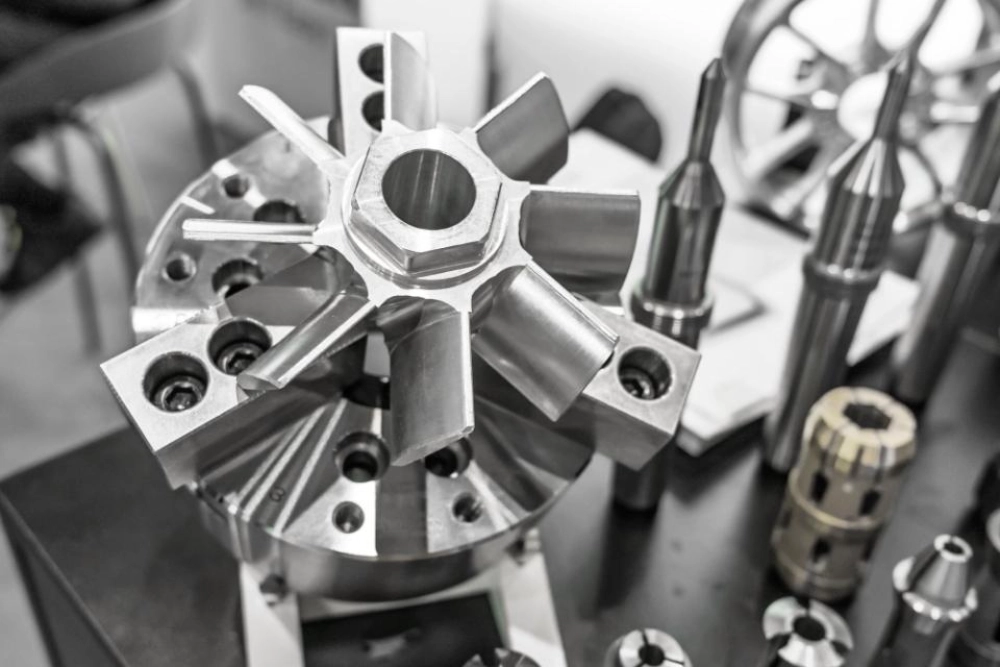
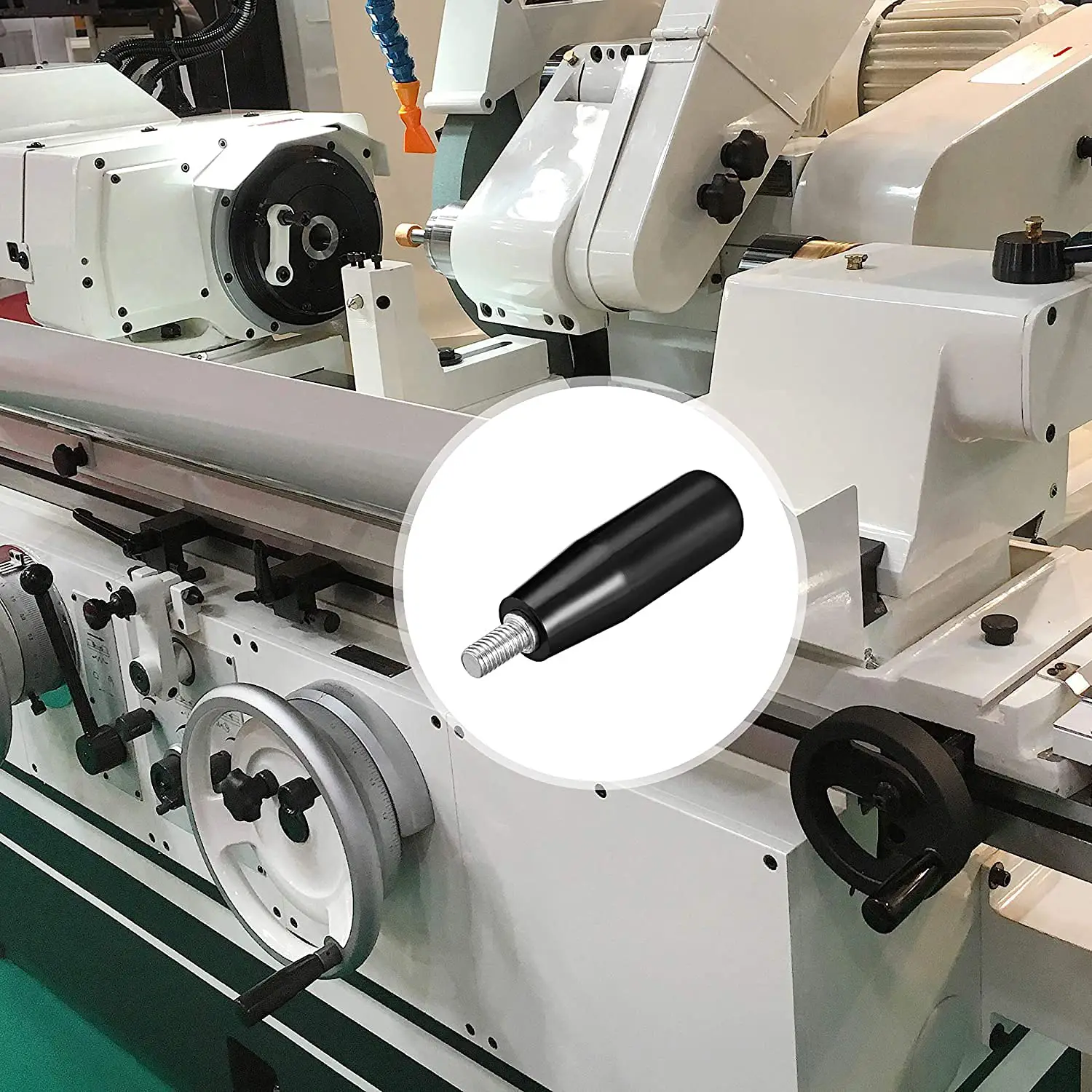
CNC machine handle replacement plays a critical role in maintaining CNC system stability and operator control accuracy in industrial environments. Modern machining centers rely on precise manual interfaces to support fine adjustments during setup and calibration. When a handle wears out, machine responsiveness decreases and machining deviation increases. Operators often notice looseness or inconsistent feedback during adjustment tasks. These early signs indicate structural fatigue in the control interface. Industrial facilities prioritize timely replacement to avoid production disruption. The process supports long term machine reliability and reduces unexpected downtime. Proper execution ensures stable torque transmission and accurate directional input during machining tasks. It also supports safer manual operation in high speed production environments.
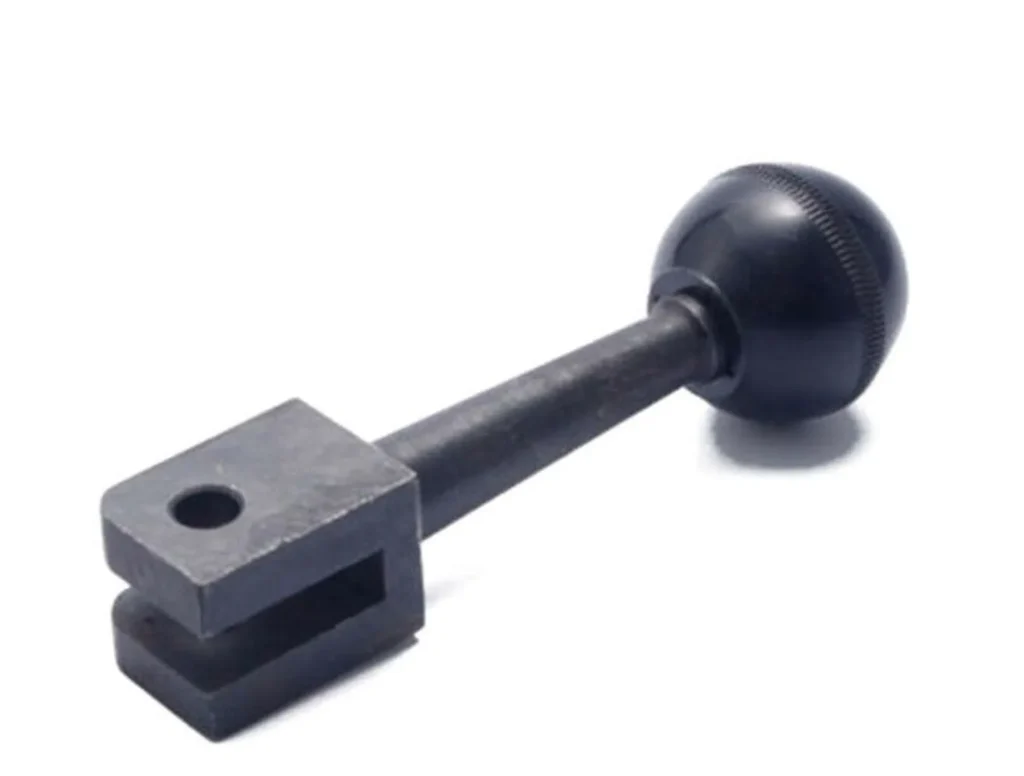
CNC machine handle replacement preparation and safety isolation steps
Before cnc machine handle replacement begins, operators must shut down the machine completely and isolate all electrical sources. Lockout procedures ensure no accidental activation during maintenance work. Technicians verify machine status through control panel checks and voltage confirmation tools. Proper identification of replacement specifications ensures compatibility with spindle control interfaces and mounting structures. Material matching is essential for long term durability and vibration resistance. Many factories maintain standardized part libraries to reduce selection errors. Environmental cleanliness also matters during preparation since dust can affect alignment accuracy. Operators often inspect surrounding panels for wear or cracks before installation begins. Safety gloves and anti static tools support controlled handling during disassembly operations in industrial CNC environments.
Tools and mechanical components required for CNC machine handle replacement
Successful cnc machine handle replacement depends on accurate tools and verified mechanical components. Technicians commonly use torque wrenches, alignment gauges, and precision screwdrivers. These tools ensure stable fastening without structural stress. Replacement handles often use aluminum alloy or reinforced polymer materials for durability. Some systems integrate stainless steel shafts for higher load resistance. In advanced setups, calibration indicators help confirm rotational accuracy after installation. Below is a common tool reference table used in industrial maintenance environments.
| Tool Type | Function | Usage Importance |
|---|---|---|
| Torque Wrench | Controls fastening force | Prevents over-tightening damage |
| Alignment Gauge | Checks axis precision | Ensures correct positioning |
| Calibration Indicator | Measures rotation accuracy | Supports final testing stage |
After tool selection, technicians verify calibration accuracy before starting mechanical installation tasks. Proper tool usage reduces long term wear on CNC interface components.
CNC machine handle replacement installation and adjustment process
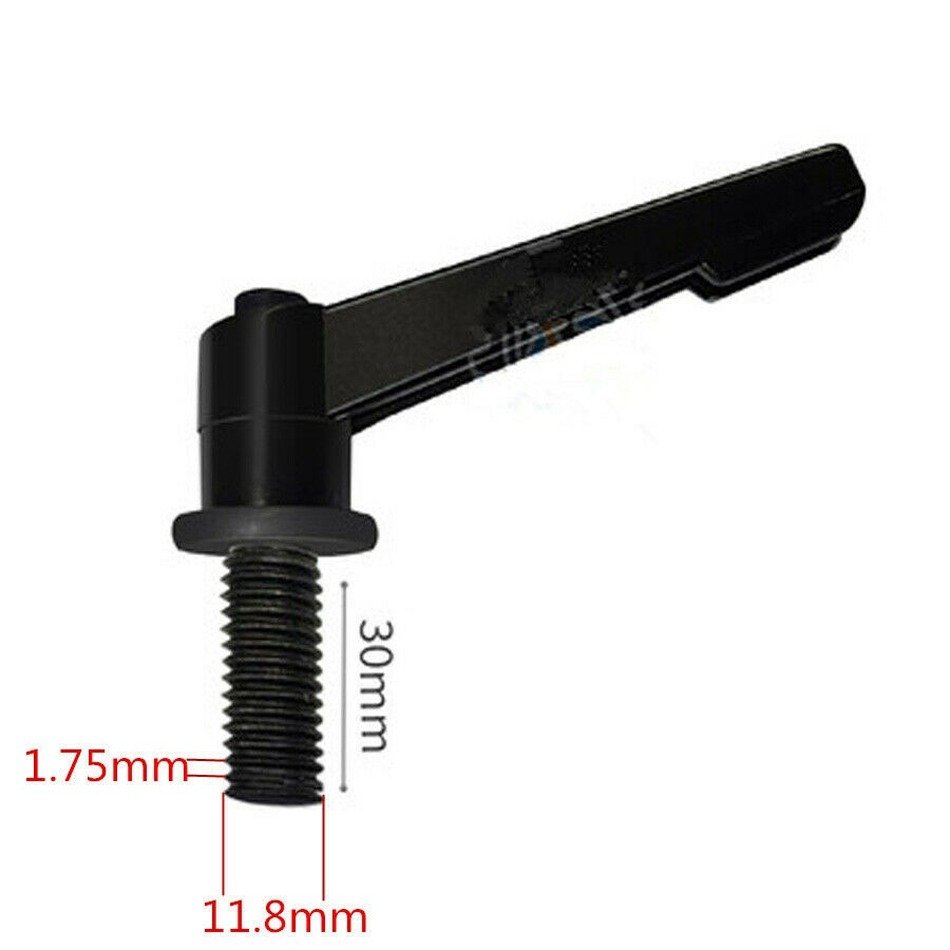
During cnc machine handle replacement, technicians first remove the worn handle using controlled loosening techniques. Sudden force can damage internal coupling structures. After removal, the mounting interface is cleaned to remove debris or metal residue. Alignment plays a key role in ensuring smooth mechanical response. Operators often test rotational balance before final tightening. Torque values must follow manufacturer standards to prevent stress concentration. Some industrial systems use modular handles such as U-handles for improved grip control during adjustment tasks. Installation must ensure symmetrical alignment with control shafts. After securing the handle, technicians perform slow rotation tests to confirm mechanical smoothness. Electrical systems remain isolated during this stage to maintain safety compliance in industrial environments.
Application scenarios and ergonomic considerations in cnc machine handle replacement
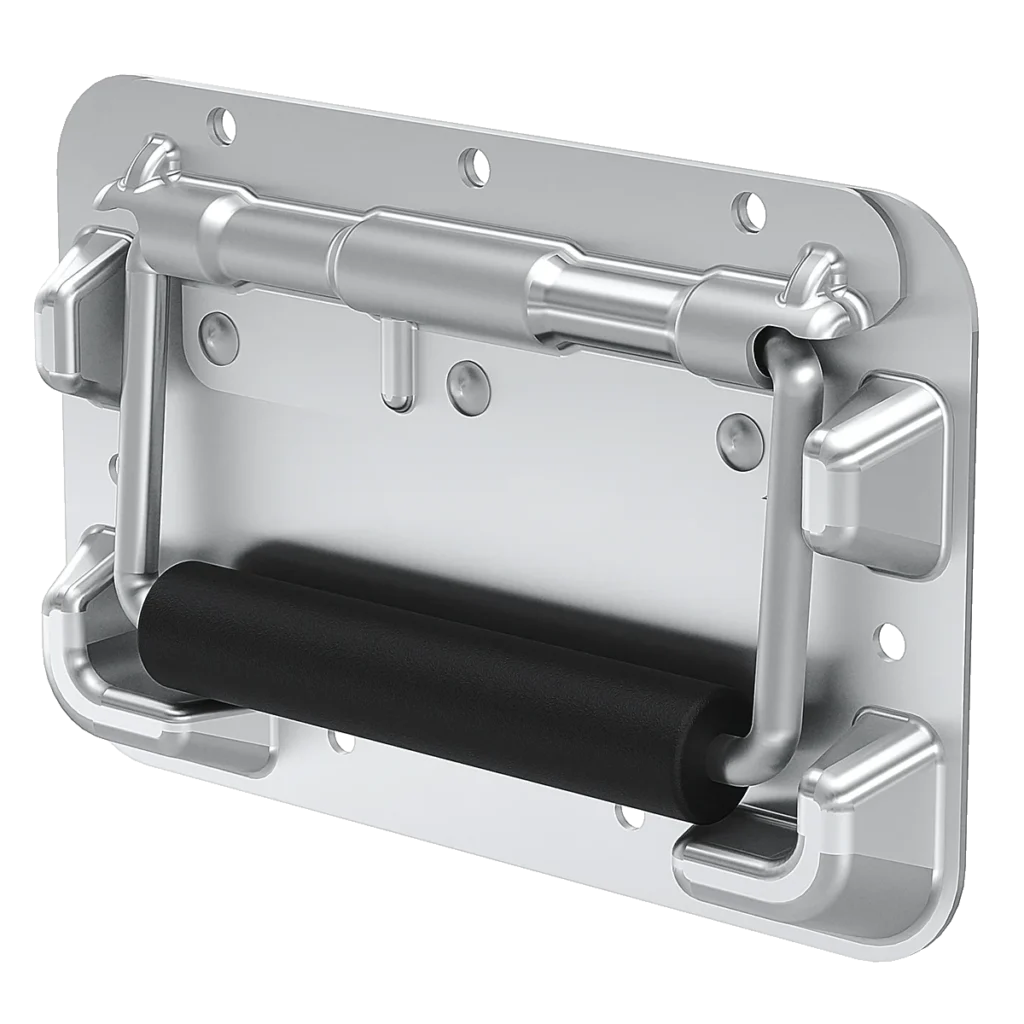
In heavy duty machining environments, cnc machine handle replacement improves operator efficiency and reduces manual strain during precision adjustments. Ergonomic design influences long term usability in production lines.Some factories adopt folding handles to optimize workspace efficiency in compact CNC systems. These designs help reduce obstruction during multi axis operations.
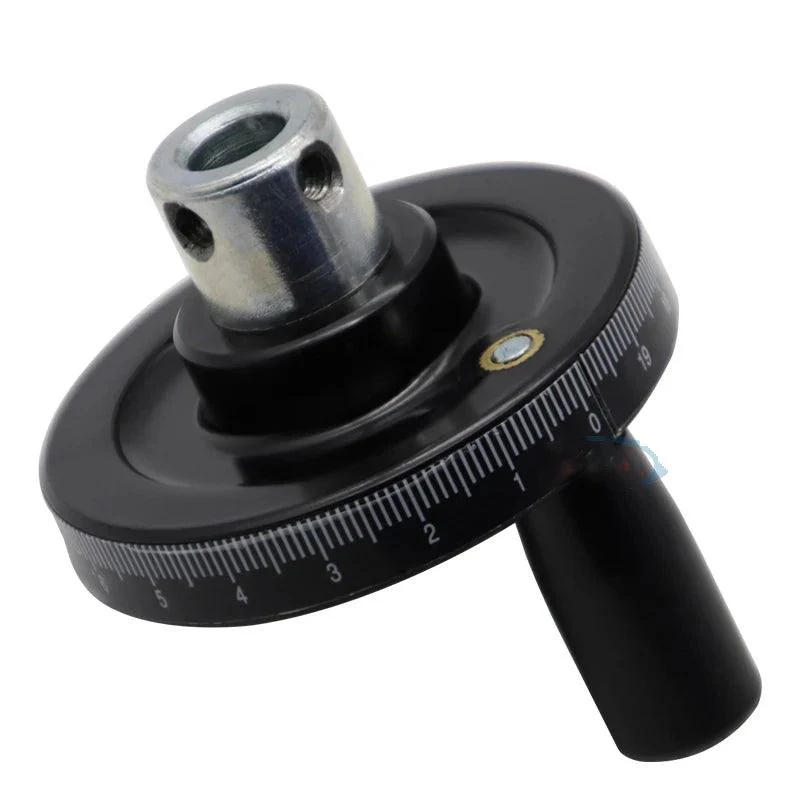
Handle selection often depends on machine type, workload frequency, and operator preference. High frequency production lines require reinforced structures to handle continuous adjustments. Material flexibility also affects vibration absorption during high speed machining. Engineers evaluate grip texture and rotational resistance before final installation. Proper ergonomic matching improves operational comfort and reduces fatigue during long machining cycles in industrial production settings.
Quality inspection checklist after cnc machine handle replacement
After cnc machine handle replacement, quality inspection ensures mechanical stability and operational safety. Technicians perform visual checks to confirm tight fit and correct alignment. Rotation tests measure smoothness and response accuracy under manual input. Vibration behavior is analyzed during idle and active machine states. The following checklist summarizes key inspection points.
- Verify handle alignment with control axis
- Check torque consistency on all mounting points
- Test rotational smoothness under load
- Inspect for abnormal vibration or noise
- Confirm no structural deformation after installation
Once inspections are complete, engineers document results in maintenance logs. This record supports future troubleshooting and performance tracking. Proper inspection reduces risk of unexpected mechanical failure in long term CNC operation environments.
Advanced calibration practices after installation
Calibration procedures ensure the control system delivers accurate mechanical response after hardware changes. Technicians begin with zero point verification across all motion axes. Measurement tools confirm positional consistency during manual rotation. Small deviations are corrected through micro adjustment settings in the control interface. Thermal conditions in the workshop can influence measurement accuracy, so calibration is often performed at stable room temperature. Engineers also test repeatability by executing identical motion cycles multiple times. Any inconsistency indicates mechanical looseness or interface misalignment. Digital readouts support precise adjustment tracking during the process. Proper calibration reduces cumulative machining errors in long production runs. It also improves operator confidence when performing fine adjustment tasks on CNC systems.
Maintenance strategies for long term CNC stability
Long term CNC stability depends on structured preventive maintenance programs and consistent inspection routines. Facilities schedule periodic mechanical checks to detect early wear in motion components. Lubrication quality plays a key role in reducing friction between moving parts. Dust control systems help prevent contamination in sensitive mechanical interfaces. Operators are trained to identify abnormal vibration patterns during daily operation. Replacement cycles for wearable parts are planned based on workload intensity rather than failure occurrence. Data tracking systems record performance trends across multiple machines. This allows engineers to predict degradation patterns more accurately. Stable maintenance routines reduce unexpected downtime and improve production efficiency. Over time, these strategies extend equipment lifespan and maintain consistent machining quality across industrial environments.
Common errors during cnc machine handle replacement and preventive measures
Many failures in cnc machine handle replacement result from improper alignment during installation. Misalignment creates uneven force distribution and reduces control precision. Over tightening is another frequent issue that leads to internal stress damage. Some technicians also install incompatible handle models that do not match spindle specifications. Skipping calibration after installation reduces machining accuracy significantly. Maintenance teams prevent these issues through standardized procedures and training programs. Regular inspection schedules help detect early wear before failure occurs. Proper documentation also ensures consistent maintenance quality across shifts. Industrial environments benefit from strict adherence to installation protocols to maintain machine reliability and production stability over time.
FAQ
What is the most common cause of CNC machine handle failure?
Most failures occur due to long term mechanical fatigue and repeated stress during manual operation. Continuous use causes internal wear on coupling parts, especially in high frequency production environments. Dust accumulation and insufficient lubrication also contribute to early degradation. In some cases, operator over force during adjustments accelerates structural damage. Regular inspection and preventive maintenance reduce failure risk significantly. Proper material selection during initial installation also improves durability and extends service life in demanding machining conditions across industrial systems.
How long does cnc machine handle replacement take in industrial settings?
The replacement process usually takes between thirty minutes and two hours depending on machine complexity. Simple systems require less time due to direct access and standardized components. Complex multi axis machines require longer calibration and alignment procedures. Preparation steps such as lockout and inspection also affect total duration. Experienced technicians reduce downtime through efficient tool handling and structured workflows. Additional testing after installation ensures safe operation before restarting production. Time efficiency improves significantly in facilities with standardized maintenance protocols and trained technical teams.
Can CNC machine handle replacement affect machining precision?
Yes, incorrect installation directly impacts machining precision and operational stability. Misalignment introduces positional errors during manual control input. Poor torque control can also create mechanical backlash in the system. Proper cnc machine handle replacement restores accurate feedback between operator and machine interface. Calibration after installation ensures consistent movement response across all axes. Precision depends heavily on correct installation procedures and component compatibility. Regular maintenance further stabilizes long term accuracy in industrial machining environments and reduces deviation risks during high precision production tasks.