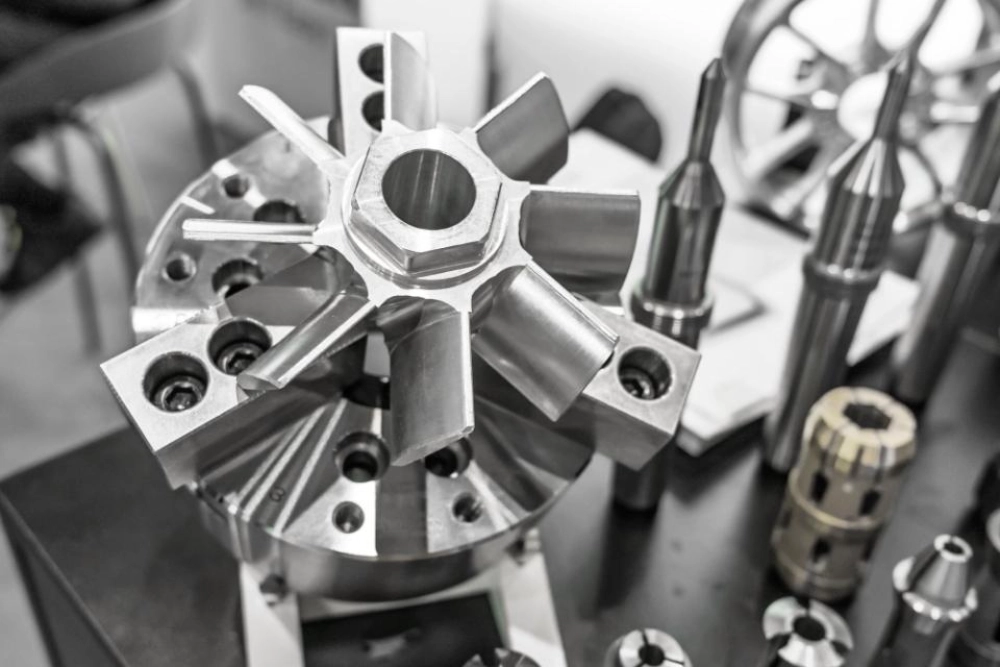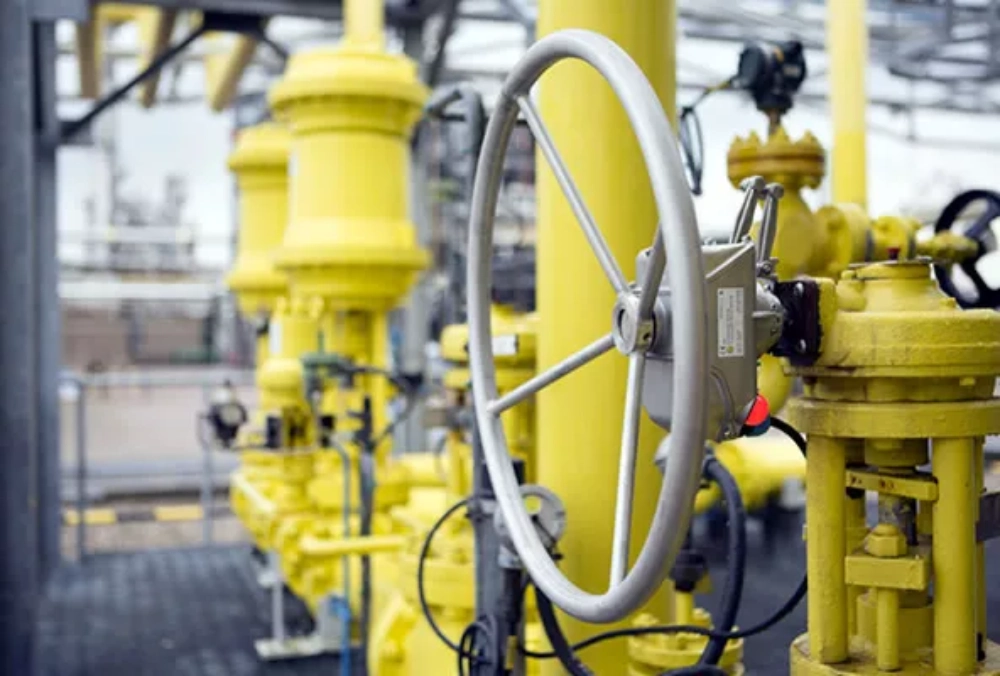
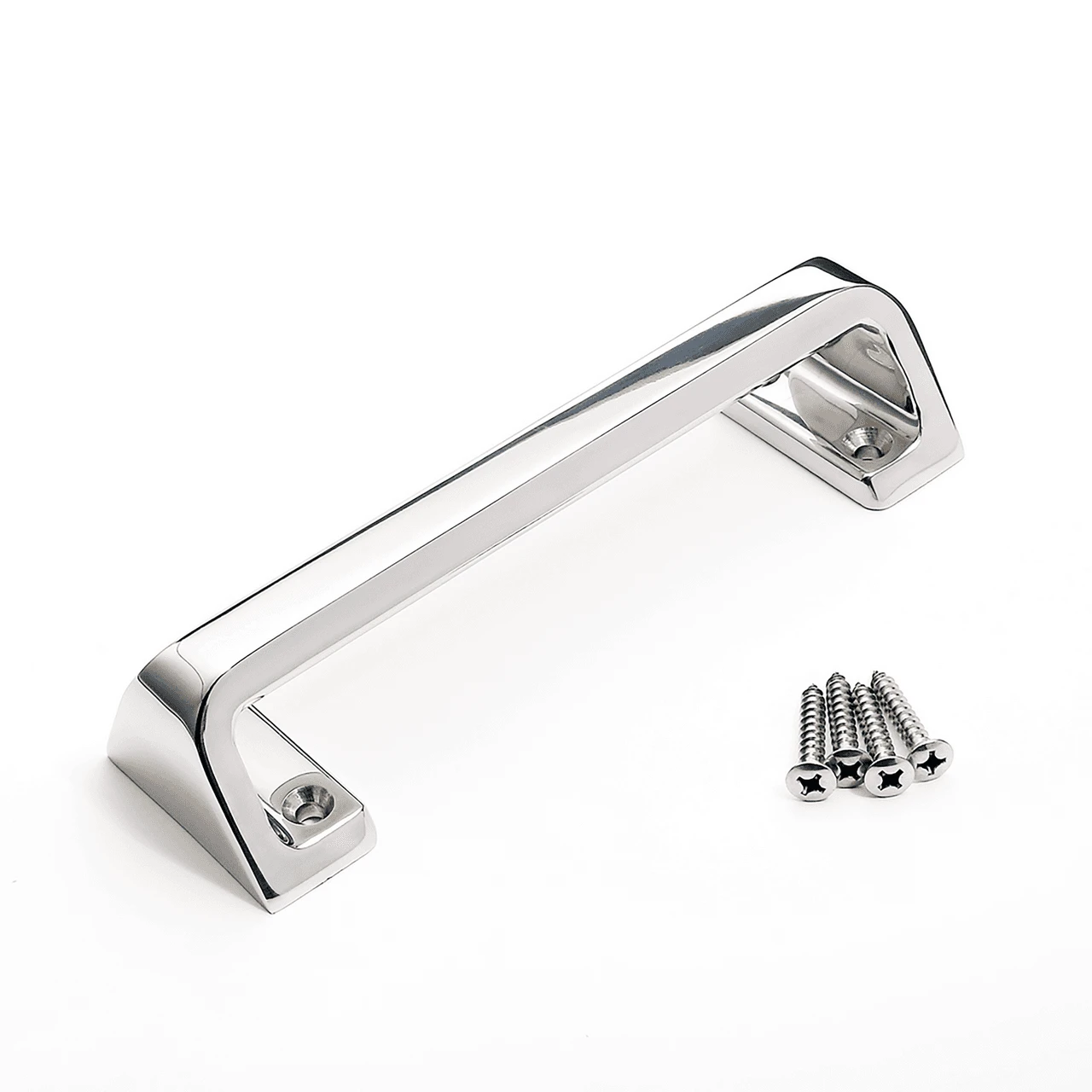
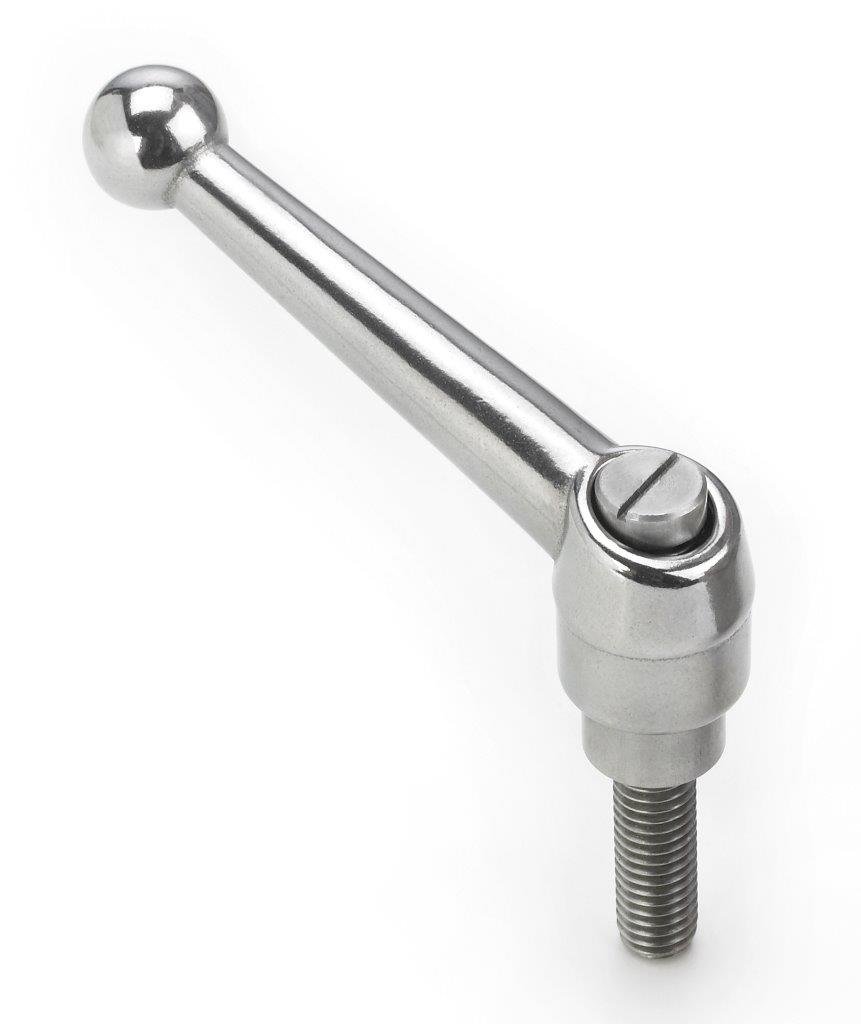
The stainless steel machine handle 316l serves as a critical manual control interface in industrial equipment systems. Engineers use it to adjust torque, positioning, and mechanical locking functions across heavy machinery. This component supports stable operation in environments exposed to moisture, chemicals, and vibration. Manufacturers select it for durability and predictable performance under repeated mechanical stress. Operators rely on it to maintain precise movement control during production tasks. Industrial systems require consistent feedback, and this handle delivers reliable tactile response. Many automation setups integrate it for manual override functions during maintenance. The stainless steel machine handle 316l also improves safety by reducing slippage risks in demanding applications. Its structure supports long-term use in continuous operation environments without performance degradation.
Stainless steel machine handle 316l in Precision Equipment Applications
Precision industries depend heavily on stable manual control systems. The stainless steel machine handle 316l fits CNC machines, packaging lines, and automated assembly systems. Engineers install it to ensure controlled adjustment during calibration and setup procedures. High accuracy environments require minimal tolerance deviation during operation. This component supports smooth rotation and consistent torque transfer. Medical device manufacturing also uses it for fine adjustment mechanisms. Production lines benefit from its corrosion resistance in humid or sterile environments. Maintenance teams prefer it because it reduces downtime during replacement cycles. Operators often integrate it into safety override systems for emergency adjustments. The stainless steel machine handle 316l improves operational reliability in systems requiring repeatable mechanical precision.
Material Properties of 316L Stainless Steel for Machine Handles
316L stainless steel contains low carbon content, which improves corrosion resistance significantly. Chloride-rich environments do not easily damage its surface structure. Chemical processing plants often select this material for exposed mechanical components. Engineers value its resistance to pitting and crevice corrosion under continuous use. The alloy maintains mechanical strength under temperature variation and load stress. Oxidation resistance helps extend service life in outdoor installations. Welding performance remains stable due to its low carbon composition. Industrial buyers trust it for environments requiring hygiene compliance and durability. The stainless steel machine handle 316l benefits directly from these material properties. Its structural integrity remains stable even under repeated torque cycles in demanding applications.
Stainless steel machine handle 316l Design Types and Ergonomic Structures
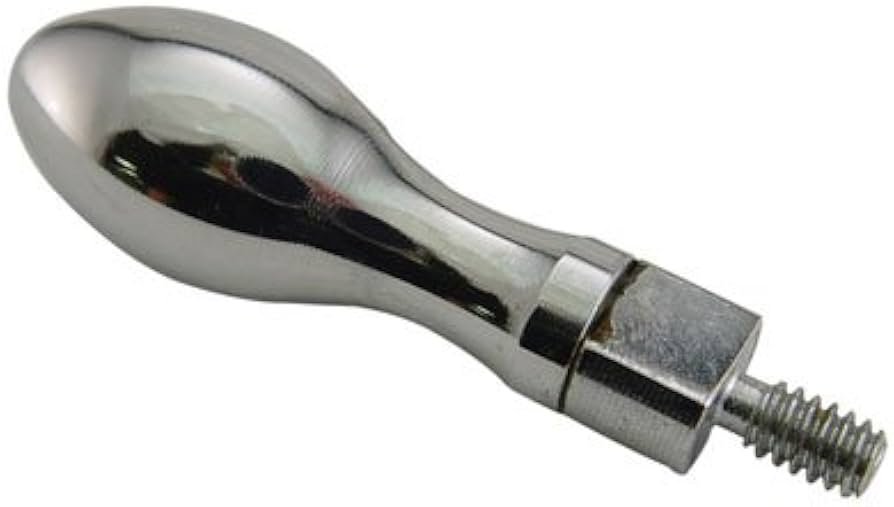
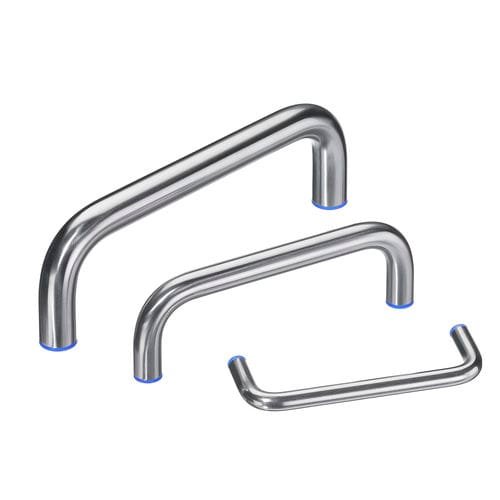
Design variations influence usability and operational efficiency in industrial settings. Engineers develop multiple handle configurations for different torque requirements. Ergonomic grip shapes reduce operator fatigue during long production shifts. Folding designs save space in compact machinery layouts. Rotating grip models improve control precision under dynamic load conditions. Many systems still use traditional crank handles for simple mechanical adjustment tasks. Manufacturers optimize surface finishing to improve grip safety and reduce slippage. Industrial design teams also consider vibration absorption during operation. The stainless steel machine handle 316l often integrates locking mechanisms for secure positioning. Material distribution ensures balanced force transmission during rotation. These design choices improve both safety and mechanical efficiency in industrial environments.
Selection Criteria for Industrial Buyers of stainless steel machine handle 316l
Industrial procurement teams evaluate several factors before selecting components. Load capacity determines whether a handle suits heavy-duty machinery. Torque resistance ensures stable operation under mechanical stress. Environmental exposure influences material grade selection for long-term durability. Dimensional compatibility plays a key role in installation efficiency. Buyers also consider maintenance intervals to reduce operational downtime. Surface finish quality affects grip performance and corrosion resistance. Many industries require compliance with ISO 9001 quality management. They also reference ISO 2768 general tolerances for dimensional accuracy. DIN 6335 defines requirements for industrial machine handles. DIN 98 applies to crank-style handle geometry and installation safety. Cost efficiency must align with expected service life. Engineers often test prototypes before mass deployment in production systems. The stainless steel machine handle 316l provides a balance between durability and precision. Proper selection ensures stable long-term performance in industrial environments.
Installation, Maintenance, and Lifecycle Performance in Industrial Systems
Proper installation improves mechanical stability and safety performance. Technicians ensure correct torque alignment during assembly. Anti-loosening mechanisms prevent vibration-induced displacement. Regular inspection helps detect wear before system failure occurs. Lubrication reduces friction in rotating joints and extends service life. Maintenance teams schedule periodic checks based on operational load cycles. Replacement intervals depend on environmental exposure severity. Clean environments improve overall component longevity significantly. Operators often document performance data for predictive maintenance systems. The stainless steel machine handle 316l maintains consistent function under long-term industrial use. Lifecycle performance remains stable when installation guidelines are followed precisely. Proper handling procedures reduce mechanical stress accumulation over time.
Technical Performance Comparison Table
| Material Type | Corrosion Resistance | Load Capacity | Temperature Range |
|---|---|---|---|
| 316L Stainless Steel | Very High | High | -50°C to 250°C |
| 304 Stainless Steel | Medium | Medium | -30°C to 200°C |
| Aluminum Alloy | Low | Medium | -40°C to 150°C |
This comparison highlights performance differences across commonly used industrial materials. Engineers select 316L when corrosion resistance and durability matter most. Aluminum suits lightweight applications but sacrifices strength. 304 stainless steel offers a balanced option for general machinery. Material selection directly impacts system reliability and maintenance frequency. Industrial buyers evaluate these parameters during procurement planning stages. Long-term cost efficiency depends on matching material to operational conditions. The stainless steel machine handle 316l consistently ranks highest in harsh environments.
Industrial Material Selection List for Machine Handle Systems
Engineers compare multiple materials before final system integration. Selection depends on load, environment, and lifecycle expectations. The list below outlines common choices used in industrial machinery design:
- 316L stainless steel for chemical and marine environments
- 304 stainless steel for general industrial machinery
- Aluminum alloy for lightweight mechanical systems
- Carbon steel for high-strength but coated applications
316L remains the preferred option in corrosive or sterile environments. Aluminum reduces weight but limits torque capacity. Carbon steel requires protective coatings to prevent rust.
Additional Mechanical Performance Table
| Material | Wear Resistance | Maintenance Frequency | Industrial Suitability |
|---|---|---|---|
| 316L Stainless Steel | High | Low | Harsh Industrial Environments |
| 304 Stainless Steel | Medium | Medium | General Manufacturing |
| Carbon Steel | High (coated) | High | Controlled Environments |
This table emphasizes maintenance requirements across materials. 316L reduces inspection cycles due to superior corrosion resistance. Carbon steel demands frequent coating checks to avoid degradation. 304 stainless steel offers moderate performance in standard environments.Engineers use these metrics to optimize lifecycle cost planning.
Industrial efficiency improves when maintenance frequency decreases. The stainless steel machine handle 316l stands out for long-term operational stability. Proper evaluation ensures system reliability across production environments.
FAQ
What makes 316L suitable for industrial machine handles?
316L stainless steel provides strong corrosion resistance and stable mechanical strength. Industrial environments often expose components to moisture, chemicals, and vibration. This material resists pitting and surface degradation effectively. Engineers select it for systems requiring long-term reliability under stress. It also performs well in sterile or marine environments. The stainless steel machine handle 316l maintains structural integrity during repeated torque cycles. Operators benefit from reduced maintenance and improved safety. Its low carbon content enhances weldability and reduces internal stress formation. These properties make it ideal for precision machinery and heavy-duty applications.
How should engineers choose the correct machine handle type?
Engineers evaluate torque requirements, installation space, and environmental conditions before selection. High-load systems require reinforced structures for stable operation. Compact machinery benefits from folding or low-profile designs. Corrosive environments demand high-grade stainless steel materials. Ergonomic design reduces operator fatigue during long shifts.
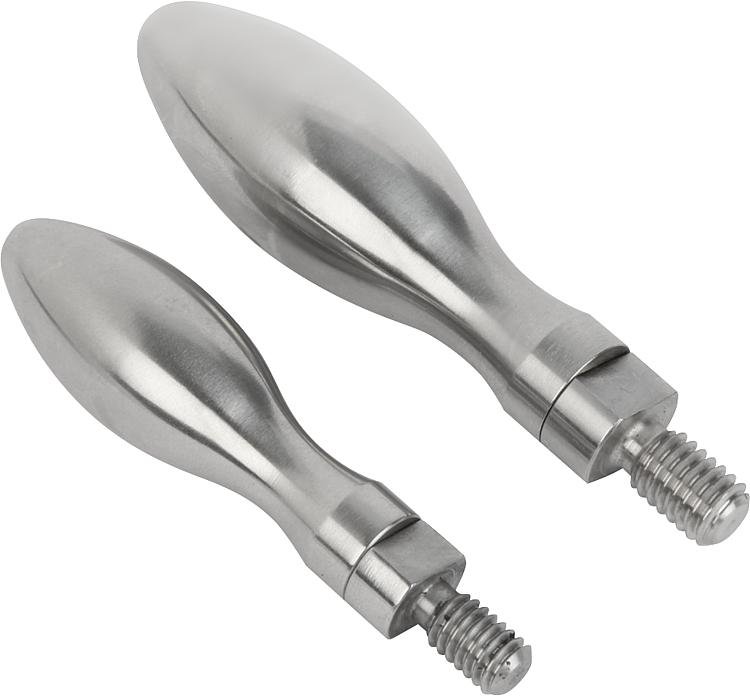
Some systems integrate revolving handles for smoother adjustment control. Proper matching improves efficiency and reduces mechanical failure risks. Testing prototypes under real conditions ensures accurate performance validation. The stainless steel machine handle 316l often serves as a default choice in demanding applications due to its reliability. Selection accuracy directly influences system lifespan and maintenance costs.
What maintenance practices extend service life?
Regular inspection ensures early detection of wear or loosening. Technicians apply lubrication to reduce friction in moving joints. Cleaning removes contaminants that may accelerate corrosion. Tightening checks prevent vibration-induced displacement during operation. Scheduled maintenance cycles depend on workload intensity and environment. Harsh conditions require more frequent inspections. Documentation helps track performance trends over time. Replacement occurs when mechanical tolerance drops below safe thresholds. Proper handling prevents unnecessary stress accumulation. The stainless steel machine handle 316l typically requires minimal maintenance due to its corrosion resistance. Consistent care improves safety and ensures stable long-term industrial performance.