Material Advantages Of Plastic Handwheel For Industrial Control Systems
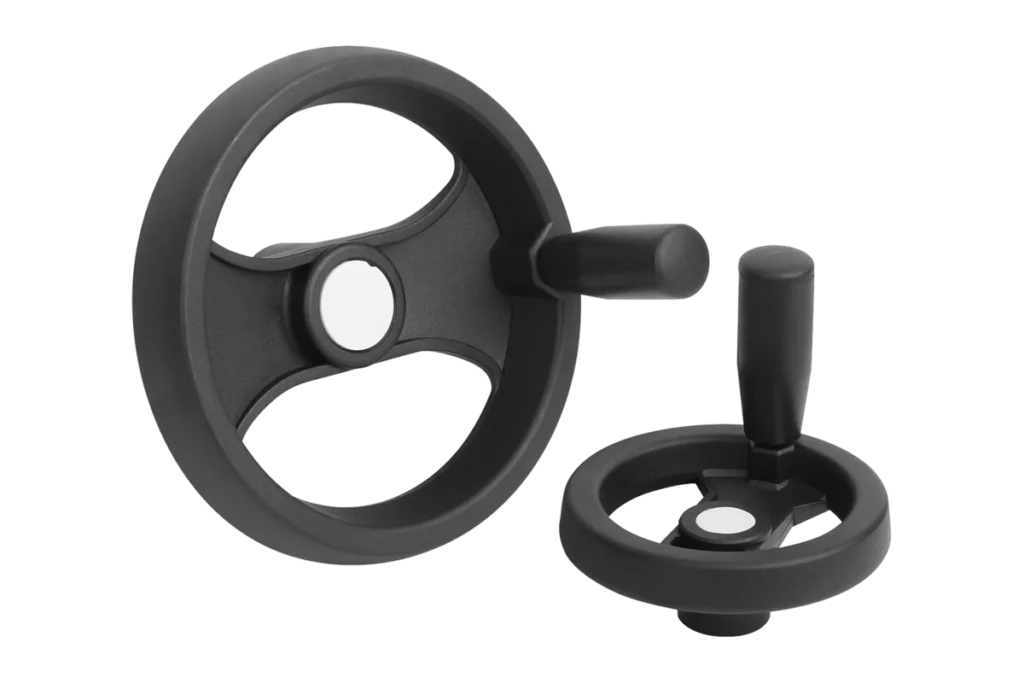
Plastic handwheel components play an important role in manual adjustment systems across various industrial machines. These parts usually use engineering plastics, reinforced nylon, or composite polymer materials. Their lightweight structure helps reduce operating effort during frequent adjustments. Material properties such as impact resistance, chemical stability, and dimensional accuracy directly affect service performance. Glass fiber reinforcement can improve stiffness and reduce deformation under mechanical stress. Compared with heavier materials, polymer structures provide easier handling and flexible design options. Engineers evaluate temperature range, operating force, and environmental exposure before selecting suitable materials. Proper material analysis ensures stable movement and reliable positioning in different mechanical applications. Modern plastic processing technologies continue improving strength, durability, and functional performance for industrial components.
Plastic Material Composition And Performance Characteristics
Engineering plastics have become widely used in mechanical components because of their balanced physical properties. Common materials include polyamide, ABS, polypropylene, and reinforced composite polymers. Polyamide offers good wear resistance and mechanical strength, while reinforced versions provide improved rigidity. ABS materials provide stable dimensions and smooth surface finishes for applications requiring comfortable handling. Some polymer structures include internal metal inserts to increase connection strength between the wheel and shaft. Manufacturing processes such as injection molding require accurate temperature control, pressure management, and mold design. These factors influence surface quality, dimensional consistency, and final product performance. Material selection also depends on exposure to moisture, oils, chemicals, and temperature changes. Engineers consider these conditions to achieve suitable mechanical reliability and long-term operation.
Metal Handwheel Structure And Industrial Performance Features
Metal handwheels are commonly selected for applications requiring high mechanical strength and resistance to heavy loads. Aluminum alloys provide a balance between strength and reduced weight, making them suitable for many machine systems. Cast iron structures offer excellent rigidity and support higher operating forces. Stainless steel materials provide corrosion resistance in demanding environments with moisture or chemical exposure. Surface treatments such as anodizing, coating, and polishing improve protection and appearance. However, metal construction usually creates higher component weight compared with polymer alternatives. Heavy structures may require stronger mounting systems and additional support during equipment design. Engineers select metal solutions according to torque requirements, machine size, and operating conditions. Material characteristics directly influence control efficiency, durability, and maintenance frequency.
How Plastic Handwheel Differs From Metal Handwheel In Applications
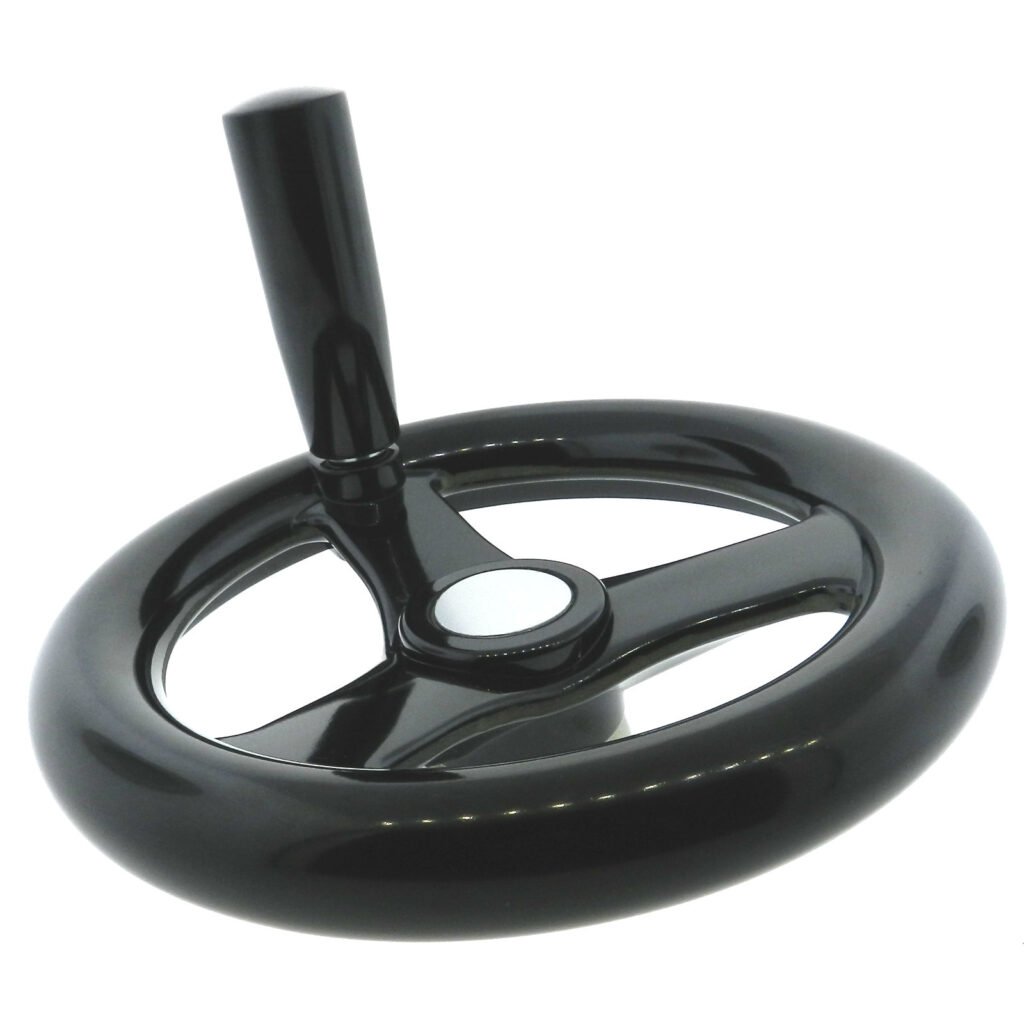
Material selection for handwheel components depends on mechanical requirements and operating environments. Plastic handwheel designs often suit applications requiring lightweight operation, corrosion resistance, and comfortable handling. Metal versions usually perform better when equipment experiences high torque, vibration, or continuous heavy operation. Temperature conditions, chemical exposure, and cleaning requirements also affect material decisions. Engineers consider installation space because component weight can influence machine structure and assembly methods. Different industries apply these components according to equipment functions and adjustment frequency. The following table compares important performance differences between polymer and metal structures.
| Performance Factor | Plastic Material Solution | Metal Material Solution |
|---|---|---|
| Weight | Lower weight and easier manual operation | Higher density with stronger structural mass |
| Corrosion Resistance | Strong resistance against moisture and many chemicals | Depends on alloy type and surface protection |
| Mechanical Load | Suitable for moderate adjustment forces | Suitable for higher torque applications |
Application Scenarios And Selection Considerations
Different machines require different handwheel characteristics based on working conditions. Food processing equipment often uses corrosion-resistant materials because frequent cleaning may expose components to water and chemicals. Packaging machinery benefits from lightweight structures because operators frequently adjust machine settings. Automation systems require accurate positioning and stable connection designs. Heavy industrial equipment may need stronger structures to handle greater mechanical loads. Industrial machine handwheels are widely used in manufacturing systems where manual control remains necessary. Engineers evaluate operating force, installation requirements, and environmental conditions before selecting suitable components. Material performance, surface treatment, and structural design all influence practical applications. Proper selection improves equipment operation and reduces unnecessary maintenance caused by unsuitable component choices.
Manufacturing Quality Factors That Affect Reliability
Manufacturing processes strongly influence the accuracy and durability of mechanical components. Polymer production commonly uses injection molding technology, where temperature, pressure, and cooling time affect final dimensions. Mold precision determines surface quality and structural consistency. Metal production involves casting, machining, and finishing processes that control strength and tolerance. Dimensional inspection verifies important features such as mounting holes, shaft connections, and external measurements. Surface treatments improve resistance against wear, oxidation, and environmental damage. The following table presents key manufacturing factors affecting component performance.
| Quality Area | Inspection Focus | Performance Influence |
|---|---|---|
| Material Control | Material type, composition, and reinforcement ratio | Improves strength consistency |
| Dimensional Accuracy | Size tolerance, hole position, and fitting accuracy | Ensures proper machine installation |
| Surface Treatment | Protective coating and surface condition | Enhances durability and appearance |
Production Standards And Functional Evaluation Methods
Production consistency plays an important role in maintaining stable mechanical performance. Manufacturing facilities usually apply inspection procedures to verify dimensions, material properties, and structural strength. Polymer components require accurate molding control because small variations may affect fitting accuracy. Metal components require precise machining to achieve correct connection dimensions and smooth operation. Testing methods may include load evaluation, surface inspection, and dimensional measurement. Engineers review these factors according to application requirements and equipment conditions. Important evaluation points include:
- Material characteristics and resistance under different environments
- Dimensional accuracy for installation compatibility
- Mechanical strength under repeated operating conditions
- Surface quality and long-term durability performance
A complete evaluation process helps identify suitable component designs for specific machines. Technical information about materials, structures, and operating limits supports better engineering decisions. Consistent manufacturing methods also help maintain stable performance across different production batches.
Choosing Components For Different Industrial Equipment Needs
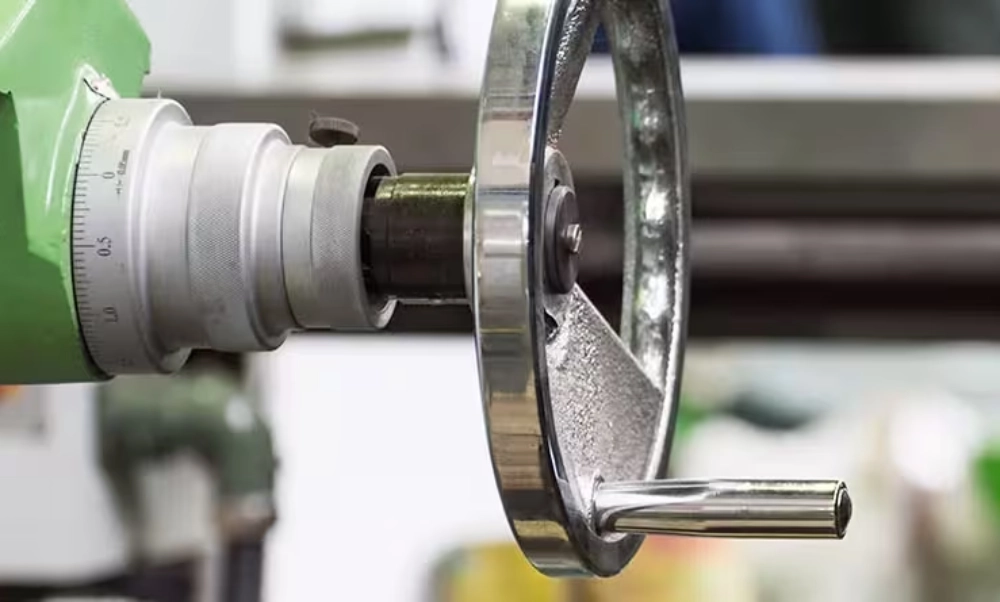
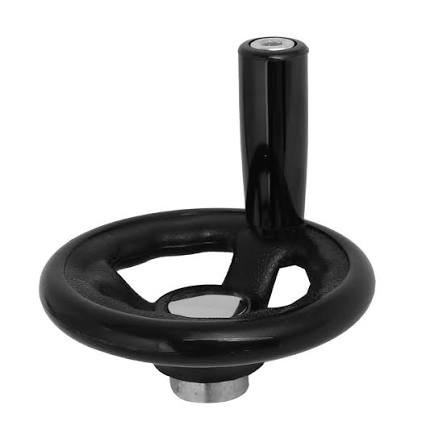
Equipment designers must evaluate multiple factors before selecting suitable handwheel solutions. Load requirements help determine whether lightweight or heavy-duty materials match specific operating conditions. Installation structures influence size, shaft connection methods, and mounting accuracy during equipment assembly. Operators also value grip comfort because frequent adjustments can affect working efficiency and user experience. Environmental factors such as humidity, chemical exposure, and temperature variation require careful material selection. A plastic handwheel provides a practical option for precision control systems that need lightweight operation and reliable performance. A lathe machine handwheel with handle represents a specialized solution for machining adjustments where accuracy and comfort remain important. Proper component selection improves equipment reliability, extends service life, and reduces replacement frequency. Engineers can select suitable designs according to machine structures, application conditions, and operating requirements.
Future Trends In Lightweight Mechanical Components
Modern mechanical design continues focusing on lightweight structures and improved material efficiency. Engineering plastics are receiving more attention because they provide useful strength with reduced overall weight. Advanced composite materials may further improve impact resistance and dimensional stability in future applications. Manufacturing technologies such as automated molding and precision processing continue improving component consistency. Designers also consider environmental factors, including material efficiency and product lifespan. Lightweight components can simplify machine assembly and reduce unnecessary structural loads. New material developments create more possibilities for industrial control systems. Future designs will likely combine improved polymer technology with precise engineering methods. These trends support the development of components that balance strength, reliability, and practical operating requirements.
Professional Technical Support And Application Knowledge
Selecting suitable mechanical components requires attention to technical specifications rather than appearance alone. Experienced manufacturers can provide information about material properties, structural options, and production capabilities. They analyze operating conditions before recommending suitable designs for different applications. Reliable technical communication helps reduce specification errors and improves component compatibility. Production experience also supports better solutions when equipment requires specific dimensions or connection methods. Long-term technical cooperation can improve adjustment efficiency during product development. Industrial users benefit from detailed application knowledge and accurate engineering information. A complete selection process helps identify dependable components that match future equipment requirements.
FAQ
What Are The Main Advantages Of Plastic Handwheel Compared With Metal Options?
Plastic components provide advantages such as reduced weight, corrosion resistance, and comfortable operation. They are suitable for equipment requiring frequent manual adjustments without excessive operating effort. Engineering polymers can achieve good impact resistance and dimensional stability when manufacturers apply suitable reinforcement methods. These characteristics make them useful for many industrial applications. Metal alternatives usually provide higher load capacity, but polymer solutions often offer easier handling and better resistance against certain environmental factors. Selection depends on torque requirements, temperature conditions, chemical exposure, and equipment structure. Proper evaluation helps determine the most suitable material for each application.
Which Applications Are More Suitable For Lightweight Handwheel Designs?
Lightweight handwheel designs are suitable for applications requiring frequent adjustments and comfortable manual operation. Packaging equipment, automation systems, laboratory machines, and processing devices often benefit from reduced component weight. These environments usually focus on precise control rather than extremely high mechanical force. Engineering plastics can provide resistance against moisture and various chemicals, making them practical for controlled industrial conditions. However, machines with high torque requirements may require stronger metal structures. Engineers should evaluate operating frequency, environmental exposure, and mechanical loads before selecting materials. Matching component properties with actual working conditions improves equipment performance and reduces maintenance needs.
How Can Users Select Suitable Handwheel Components?
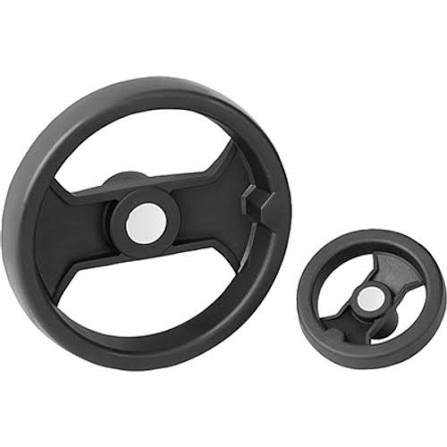
Selecting suitable handwheel components requires evaluation of material properties, mechanical requirements, and installation conditions. Users should review operating force, environmental exposure, connection methods, and expected service frequency. Material selection directly affects durability, weight, and resistance against external conditions. Polymer solutions may suit lightweight applications, while metal designs may support higher mechanical loads. Accurate dimensional information also helps ensure proper installation with existing equipment structures. Technical specifications from manufacturers can provide valuable reference information during selection. Careful analysis of application conditions allows users to choose components that deliver stable performance and reliable operation.