Why Handwheel for CNC Machines Matters In Precision Control Applications
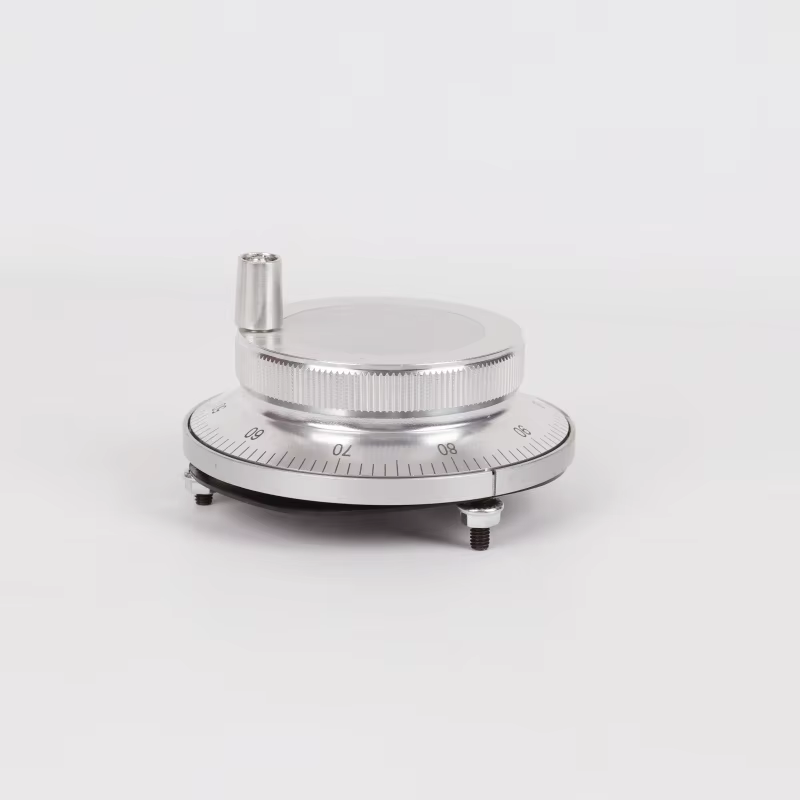
Handwheel for cnc machines provides direct manual control for CNC operators during positioning, adjustment, and setup procedures. This component connects human operation with machine movement by converting physical rotation into precise axis control. Operators often use handwheels during tool alignment, workpiece positioning, and machining inspection tasks. Compared with fully automatic processes, manual control offers immediate feedback and better adjustment flexibility. The design quality affects movement accuracy, operator comfort, and equipment reliability. Important factors include rotation smoothness, signal response, material strength, and installation compatibility. CNC systems require stable input components because small positioning errors can influence machining results. A suitable handwheel design supports efficient operation while maintaining consistent performance in different manufacturing environments.
Key Mechanical Structures Behind Reliable CNC Machine Handwheels
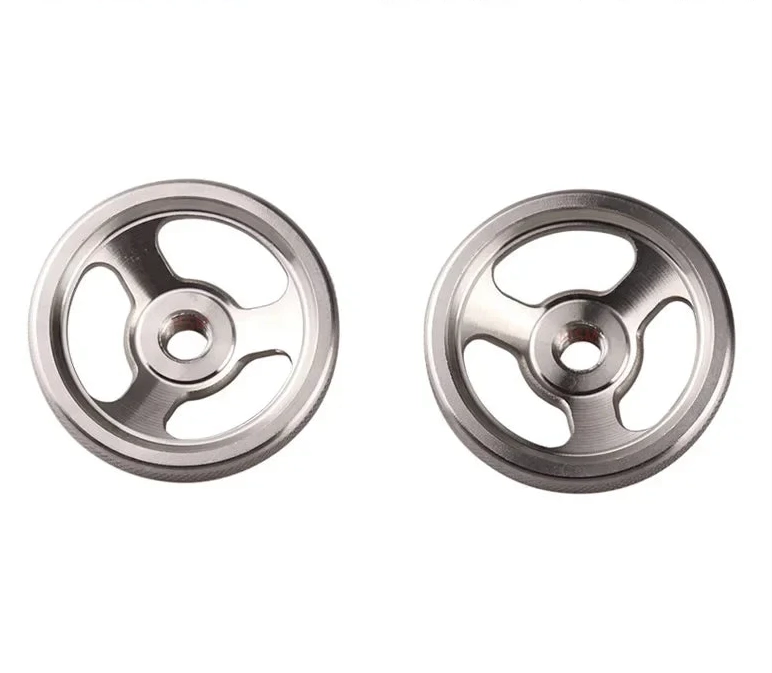
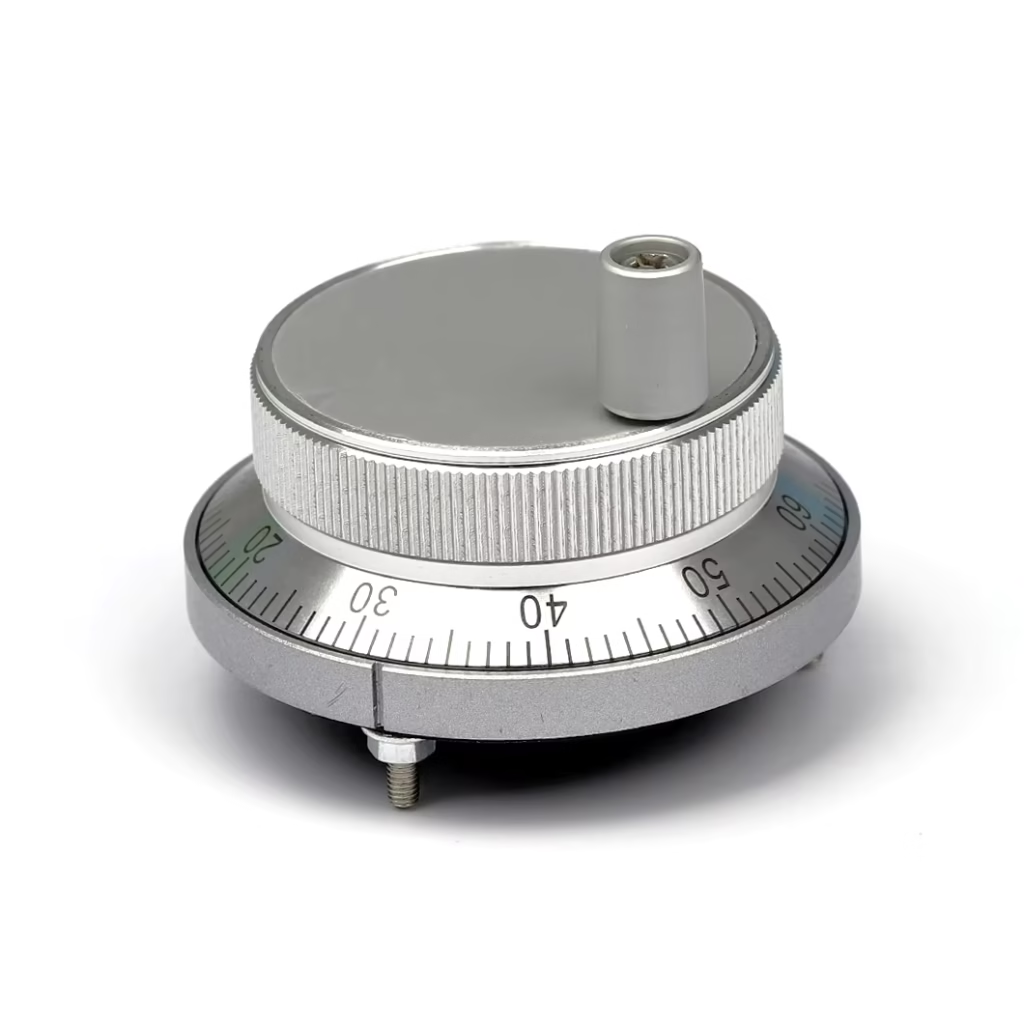
Mechanical construction determines how effectively a control component transfers operator movement into machine response. A typical CNC handwheel contains several important parts, including a wheel body, rotating shaft, encoder unit, mounting structure, and connection interface. The wheel body provides the gripping surface, while the shaft transfers rotation to internal sensing elements. Rotary encoders detect movement changes and convert them into electronic signals for CNC controllers. Precision depends on the quality of internal components because excessive friction or mechanical looseness may reduce control accuracy. Bearing selection, shaft alignment, and structural strength influence long-term stability. Industrial users often evaluate these details because frequent manual adjustments require reliable mechanical performance. A balanced structure improves handling consistency and supports accurate machine positioning.
| Component | Primary Function | Effect On Operation |
|---|---|---|
| Wheel Body | Provides operator grip and rotation control | Improves handling comfort |
| Rotary Encoder | Converts rotation into electronic signals | Supports movement accuracy |
| Shaft System | Transfers mechanical input | Maintains rotation stability |
| Mounting Structure | Connects the component with equipment | Reduces installation issues |
Material Selection Factors For CNC Handwheel Performance
Material choice directly influences durability, weight, and environmental resistance. Aluminum alloy is widely used because it combines strength with lightweight characteristics. It allows operators to rotate the wheel comfortably during repeated adjustments. Stainless steel provides higher corrosion resistance and stronger mechanical protection for demanding environments. Engineering plastics offer insulation properties and smooth surface contact. Different materials serve different operating conditions. For example, machining areas with coolant exposure may require stronger corrosion protection. Clean production environments may focus more on lightweight structures and ergonomic performance. Industrial Machine Handwheels often use combined materials to achieve a balance between mechanical strength and operator comfort. Proper material selection helps maintain stable performance and reduces unnecessary maintenance requirements.
| Material | Main Characteristics | Suitable Applications |
|---|---|---|
| Aluminum Alloy | Lightweight, strong, easy to process | CNC machines and automation equipment |
| Stainless Steel | High corrosion resistance and durability | Harsh industrial environments |
| Engineering Plastic | Electrical insulation and comfortable touch | Control panels and operator interfaces |
Handwheel for CNC Machines Precision And Motion Feedback Features
Precision feedback is one of the most important performance factors in modern CNC control systems. Handwheel for cnc machines uses sensing technology to capture rotation direction, speed, and movement distance. Rotary encoders generate signals that allow CNC controllers to calculate axis movement accurately. Higher resolution provides smaller adjustment steps, which benefits applications requiring fine positioning. Some designs include axis selection switches and speed adjustment controls for improved flexibility. Signal stability also affects performance because communication delays may reduce operator control accuracy. The internal electronic structure should maintain consistent output during continuous operation. Reliable feedback functions support setup procedures, inspection processes, and manual machining adjustments. These features create a smoother interaction between operators and CNC equipment.
Ergonomic Design Elements Improve CNC Operator Experience
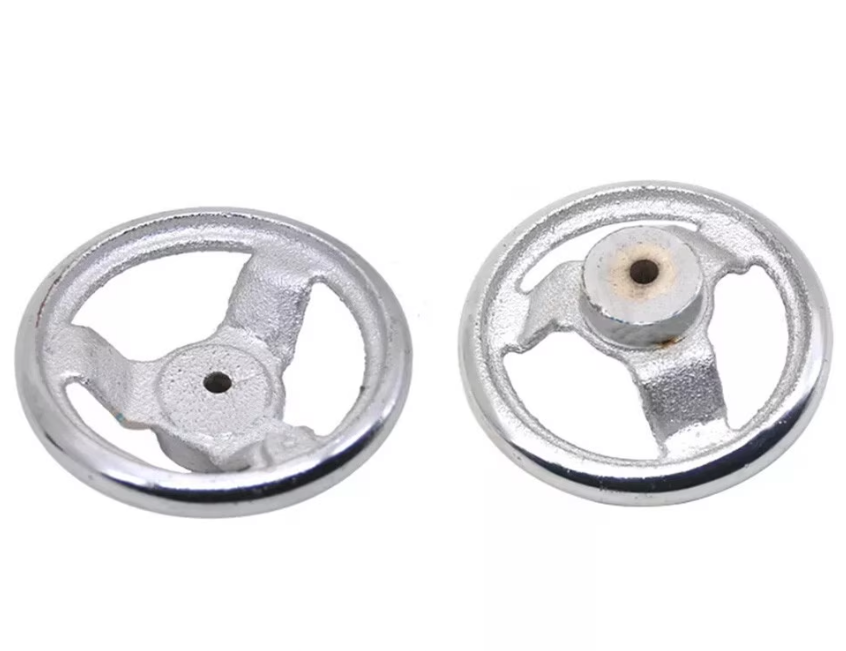
Ergonomic features influence operator comfort during frequent manual adjustments. The wheel diameter, grip shape, surface texture, and rotation resistance determine how easily users control movement. Larger wheels usually provide better fine adjustment because they create greater mechanical advantage. Smaller designs can fit compact control panels where installation space is limited. Rotating handles reduce wrist pressure by allowing smoother hand movement. A Lathe machine handwheel with handle represents a common solution for turning operations that require stable manual positioning. Comfortable design reduces fatigue during extended production periods. Operators can perform adjustments more accurately when the control interface feels natural. Ergonomic improvements combine practical operation needs with mechanical reliability.
Protection Ratings And Environmental Adaptability Of CNC Handwheels
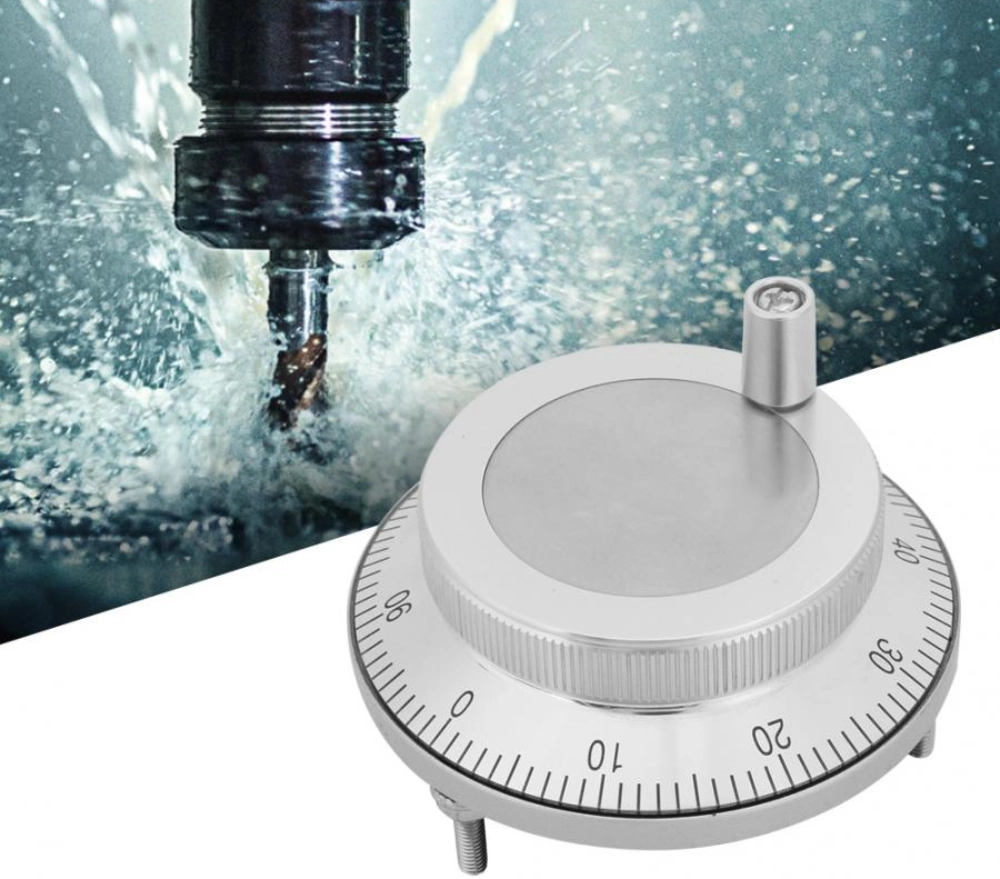
Industrial environments expose control components to dust, oil, metal particles, and moisture. These factors may affect internal mechanisms and reduce performance if protection levels are insufficient. Handwheel for cnc machines requires suitable protection features to maintain stable operation in different working conditions. Sealing structures, surface treatments, and protective covers help reduce contamination risks. IP ratings provide a common reference for resistance against solid particles and water exposure. A higher rating can improve reliability in demanding workshops, but the protection level should match actual requirements. Temperature changes also influence component stability because machining areas may experience heat generated by equipment operation. Proper protection design supports long service life while maintaining accurate manual control functions.
Installation Compatibility Requirements For CNC Machine Handwheels
Installation compatibility affects whether a control component can operate correctly with existing CNC equipment. Users should evaluate mechanical dimensions, electrical connections, and mounting methods before installation. The shaft size must match the machine interface because incorrect dimensions may cause unstable rotation. Electrical connectors and signal systems also require confirmation to ensure proper communication with controllers. Handwheel for cnc machines depends on accurate integration because mechanical and electronic compatibility directly influences operation quality. Installation position should provide convenient access without affecting other machine functions. Factors such as encoder specifications, voltage requirements, and mounting brackets need careful checking. Proper compatibility reduces adjustment difficulties and improves overall system reliability during daily machining operations.
| Installation Factor | Evaluation Point | Influence On Performance |
|---|---|---|
| Shaft Size | Match mechanical interface dimensions | Ensures stable rotation movement |
| Electrical Connection | Confirm controller communication method | Maintains accurate signal transmission |
| Mounting Location | Provide practical operator access | Improves operating convenience |
| Encoder Resolution | Match precision requirements | Supports accurate positioning |
Maintenance Factors That Extend CNC Handwheel Service Life
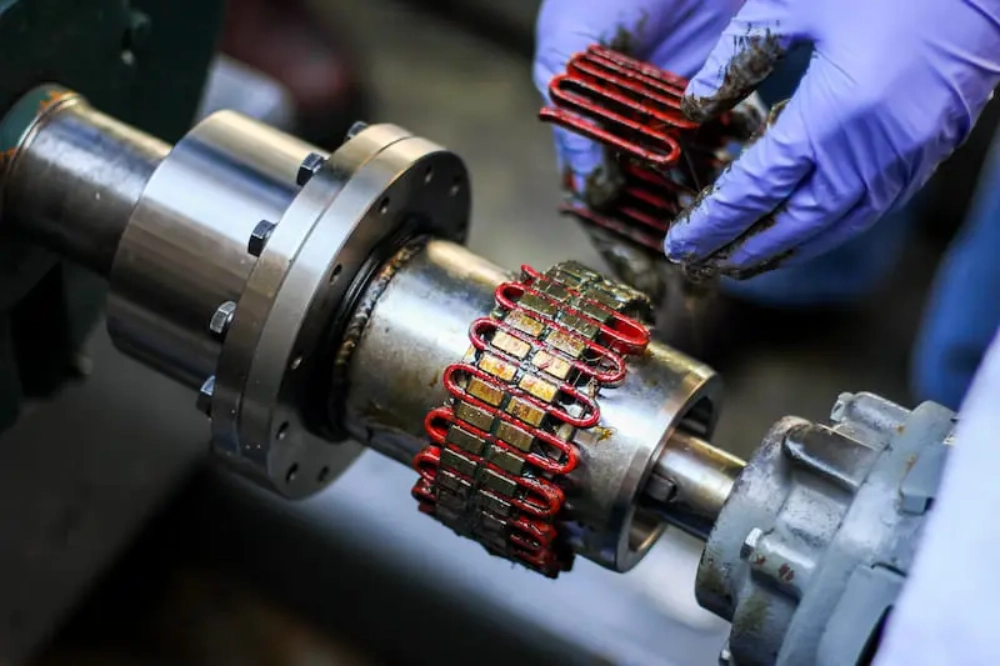
Regular maintenance helps maintain mechanical accuracy and electronic stability. Operators should remove dust, oil residue, and machining debris from external surfaces. These contaminants may enter moving areas and increase friction over time. Inspection procedures should include checking rotation smoothness, mounting stability, and cable connections. Loose connections can affect signal transmission and create inconsistent responses during operation. Cleaning methods should match material characteristics to avoid damaging surface treatments. Internal maintenance depends on the specific design and operating environment. Proper inspection schedules should consider machine workload, workshop conditions, and usage frequency. A consistent maintenance routine improves reliability and helps maintain accurate manual adjustment performance throughout the equipment lifecycle.
Selection Checklist For Industrial CNC Handwheel Purchasing Decisions
Selecting a suitable control component requires evaluation of technical requirements and operating conditions. Different CNC systems have different interfaces, precision levels, and environmental challenges. A practical selection process should include several important checks:
- Confirm machine compatibility and installation dimensions.
- Evaluate material performance for the working environment.
- Check encoder accuracy and signal response.
- Review protection requirements against dust and moisture.
- Consider operator comfort during repeated adjustments.
These factors help users compare different designs based on actual machining needs. Technical compatibility should receive attention because incorrect specifications may reduce operational efficiency. Material selection, feedback performance, and ergonomic design work together to influence overall usability. A complete evaluation process supports better equipment matching and reduces future replacement concerns. The right choice depends on machine structure, operator requirements, and production conditions.
Future Development Trends Of CNC Handwheel Technologies
CNC control technology continues to develop with improvements in digital systems and automation integration. Future designs may include smarter feedback functions, improved communication methods, and more flexible control interfaces. Electronic components may provide faster response and better compatibility with advanced CNC platforms. Lightweight materials may continue improving operator comfort while maintaining structural strength. Wireless solutions could become useful in specific applications where cable management creates limitations. However, mechanical reliability remains essential because operators still depend on direct control during setup and adjustment tasks. The combination of precision sensing, ergonomic structures, and durable materials creates new possibilities for future machining equipment.
Application Differences Between CNC Handwheel Solutions
Different machining environments require different performance combinations. Precision workshops may focus on feedback accuracy and smooth rotation. Heavy-duty equipment may require stronger materials and better environmental protection. Compact machines often prioritize smaller dimensions and easy installation. The following comparison shows how application requirements influence feature selection.
| Application Type | Important Feature | Performance Benefit |
|---|---|---|
| Precision Machining | High-resolution feedback system | Supports accurate adjustment |
| Heavy Industrial Use | Strong protective structure | Improves durability |
| Frequent Operation | Ergonomic grip design | Reduces operator fatigue |
| Compact Equipment | Space-efficient structure | Fits limited installation areas |
FAQ
What Is The Main Function Of A CNC Machine Handwheel?
A CNC machine handwheel allows operators to control machine movement manually during setup, inspection, and adjustment procedures. It provides direct input between human operators and CNC systems. Users can adjust axis positions, align tools, and check workpiece locations with greater flexibility. The component converts physical rotation into machine movement through mechanical and electronic systems. Its performance depends on factors such as encoder accuracy, structural quality, and connection stability. Reliable manual control remains valuable because some machining tasks require immediate adjustments. Proper design improves operator confidence and supports accurate machining preparation.
How Do Materials Affect CNC Handwheel Performance?
Materials affect the strength, weight, durability, and environmental resistance of CNC control components. Aluminum alloy offers lightweight performance with good mechanical strength, making it suitable for frequent operation. Stainless steel provides stronger corrosion resistance for challenging industrial conditions. Engineering plastics contribute insulation and comfortable handling characteristics. The selected material should match the machine environment and operating requirements. Exposure to coolant, dust, or temperature changes may influence material performance over time. Suitable material selection helps maintain stable operation, reduce wear, and improve the overall service life of the component.
What Factors Should Buyers Check Before Selecting CNC Handwheels?
Users should check compatibility, accuracy, material properties, and environmental requirements before selecting CNC handwheels. Mechanical dimensions must match the equipment interface to ensure proper installation. Encoder resolution should meet positioning requirements for the intended application. Material choices should consider exposure to industrial conditions such as oil, dust, and moisture. Operators should also evaluate ergonomic features because comfort affects long-term operation efficiency. Electrical connections and communication methods require confirmation with the CNC controller. A complete evaluation helps ensure reliable performance and suitable integration with existing machining systems.