Aluminum Handwheel Design Overview And Industrial Value
Aluminum handwheel components serve important roles in industrial equipment that requires manual adjustment, positioning, and mechanical control. These parts connect operators with machine functions through direct rotational movement. Aluminum alloys provide a practical balance between strength, weight reduction, and machining flexibility. Common alloy choices include 6061 and 6082 aluminum because they offer stable mechanical properties for industrial applications. Engineers evaluate tensile strength, corrosion resistance, dimensional accuracy, and operating conditions before selecting suitable materials. A properly designed handwheel improves operator interaction while reducing unnecessary load on connected mechanical systems. Industrial buyers usually focus on production consistency, material reliability, and technical specifications when selecting suppliers for long-term equipment projects.
Material Characteristics That Affect Component Performance
Aluminum alloy performance depends on chemical composition, heat treatment, and manufacturing processes. Magnesium and silicon elements improve strength and corrosion resistance in widely used aluminum grades. The 6061 alloy provides excellent machinability and balanced mechanical properties, while 6082 offers higher structural strength for demanding applications. Compared with steel materials, aluminum reduces overall component weight and improves handling efficiency. However, engineers must consider operating forces because lightweight structures require optimized geometry to maintain rigidity. Material testing usually includes alloy verification, hardness measurement, and mechanical property evaluation. These procedures help manufacturers maintain consistent quality between production batches. Proper material selection supports reliable operation in machine tools, industrial control systems, and mechanical adjustment equipment.
Lightweight Structure Advantages For Mechanical Applications
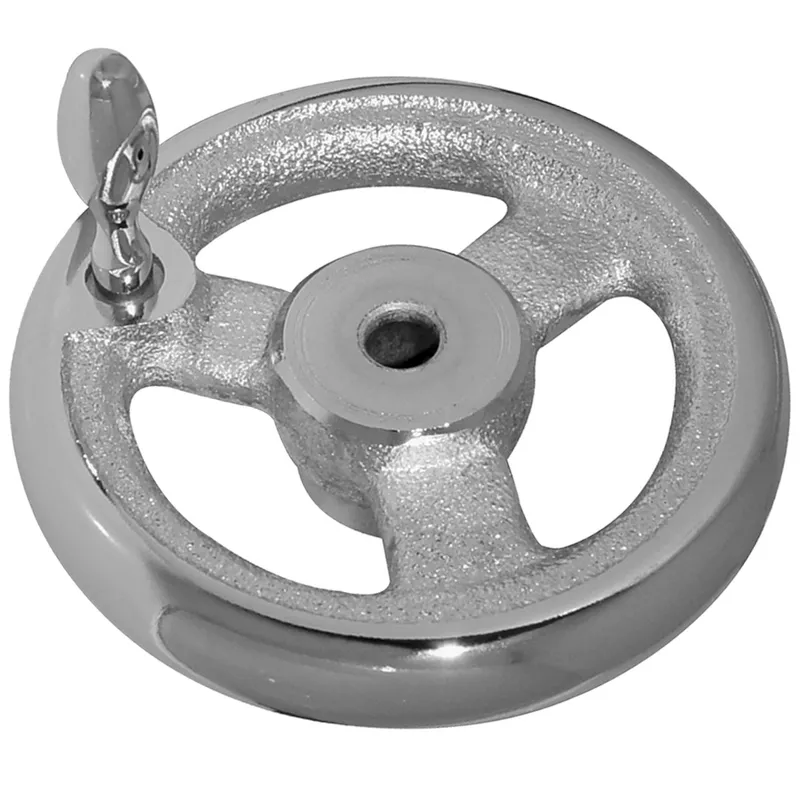
Weight optimization has become an important factor in modern industrial equipment design. A lighter component reduces operator effort during repeated adjustment tasks and improves overall machine usability. Designers achieve this result by optimizing spoke structures, hub dimensions, and rim thickness. The internal shape directly affects load distribution during rotation. Excessive material increases weight without providing additional functional benefits, while insufficient thickness may reduce durability. Engineering teams normally use mechanical calculations and prototype evaluation to balance these factors. Aluminum handwheel solutions are often selected when equipment designers require efficient operation without sacrificing structural stability. The final design depends on application requirements, including rotation frequency, applied force, environmental exposure, and expected service conditions.
Precision Manufacturing Methods And Production Accuracy
Manufacturing precision directly influences the installation quality and operating stability of mechanical components. CNC machining allows manufacturers to create accurate mounting holes, keyways, and connection surfaces. Casting processes support complex shapes, while secondary machining improves critical dimensions. Surface finishing removes machining marks and creates smoother contact areas for operators. Professional factories normally perform inspections throughout production instead of relying only on final checks. Common methods include coordinate measurement, dimensional inspection, surface roughness testing, and visual evaluation. These procedures reduce production variation and improve compatibility with different machines. Technical capability, equipment condition, and process management are important factors when industrial buyers evaluate manufacturing partners.
Aluminum Handwheel Design Benefits For Industrial Systems
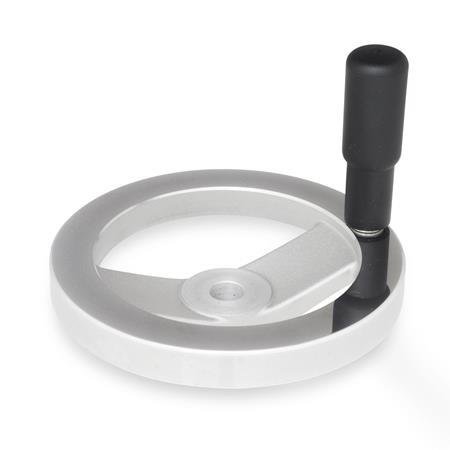
Aluminum handwheel design provides practical advantages for industrial systems that require frequent manual operation. The lightweight structure improves handling efficiency, while aluminum alloys provide suitable corrosion resistance for many working environments. Engineers consider diameter size, grip structure, mounting method, and operating force during product development. Different applications require different mechanical characteristics, so manufacturers often adjust designs according to equipment requirements. Surface treatments can further improve wear resistance and environmental protection. The following table presents several performance factors commonly evaluated during component selection.
| Performance Factor | Aluminum Characteristics | Industrial Impact |
|---|---|---|
| Weight Efficiency | Lower density than steel materials | Reduces manual operating effort |
| Corrosion Resistance | Natural oxide protection with optional treatments | Supports use in humid environments |
| Machining Capability | Suitable for precision CNC processing | Enables accurate customized dimensions |
| Surface Options | Anodizing, coating, polishing | Improves protection and appearance |
Surface Treatment Options For Extended Service Life
Surface treatment determines how aluminum components perform under different environmental conditions. Anodizing creates a protective oxide layer that improves surface hardness and resistance against wear. Hard anodizing provides additional protection for applications involving frequent contact or mechanical friction. Powder coating offers another option when users require specific colors or enhanced environmental protection. Polishing creates a smoother finish for applications where appearance and tactile quality are important. Manufacturers select treatments based on humidity, dust exposure, chemical contact, and operating frequency. Quality evaluation usually includes coating thickness testing, adhesion inspection, and surface examination. A suitable treatment process extends component durability while maintaining the original mechanical performance of the aluminum substrate.
Custom Manufacturing Requirements For Industrial Buyers
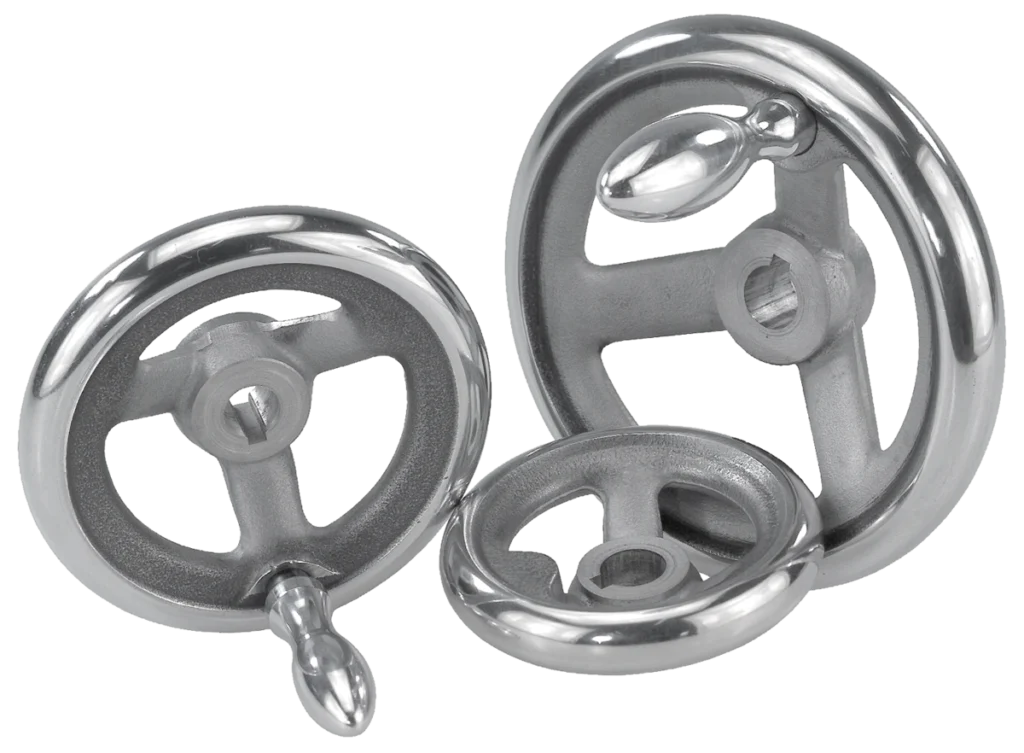
Industrial equipment often requires customized components because different machines have unique installation structures. Manufacturers evaluate technical drawings, samples, and operating requirements before production. Customization may involve changes in diameter, hub design, mounting holes, grip styles, or surface finishes. Engineering teams analyze these requirements to ensure mechanical compatibility and production feasibility. Some applications require special dimensional tolerances because inaccurate components may affect machine operation. Stainless steel spoked handwheels represent an alternative option for environments requiring different material characteristics, especially when higher density and corrosion resistance are priorities. Aluminum remains widely considered when weight control and machining flexibility are important design factors.
Quality Control Procedures For Reliable Component Manufacturing
Quality control systems determine whether mechanical components can maintain stable performance during long-term industrial operation. Manufacturers usually establish inspection procedures throughout the entire production cycle. Raw aluminum materials require alloy verification to confirm chemical composition and mechanical properties. During machining processes, technicians inspect critical dimensions, hole positions, surface conditions, and tolerance ranges. Final inspections often include appearance checks, rotational testing, and installation verification. Advanced measurement equipment such as coordinate measuring machines helps maintain accuracy for complex structures. Production records also support traceability when buyers require consistent supply performance. A complete quality management process reduces dimensional variation and improves compatibility between components and industrial equipment.
| Quality Control Stage | Inspection Method | Main Purpose |
|---|---|---|
| Material Verification | Alloy composition testing and hardness inspection | Confirm material reliability before production |
| Machining Process | Dimensional measurement and tolerance analysis | Maintain accurate component specifications |
| Surface Treatment | Coating thickness and adhesion testing | Verify protective layer performance |
| Final Inspection | Function testing and visual evaluation | Ensure installation and operation quality |
Material Comparison Factors For Industrial Selection
Material selection influences mechanical performance, maintenance requirements, and application suitability. Different materials provide different advantages depending on working environments and load conditions. Aluminum alloys offer lightweight characteristics and efficient machining performance. Stainless steel materials provide strong corrosion resistance in harsh environments. Cast iron provides higher rigidity for heavy-duty equipment but increases overall weight. Engineering plastics offer insulation properties for specific low-load applications. Buyers should compare mechanical strength, environmental resistance, production feasibility, and lifecycle requirements before choosing suitable components. A technical evaluation based on actual operating conditions helps prevent unsuitable material selection and improves equipment reliability. The following factors are commonly reviewed during professional purchasing decisions:
- Alloy grade and mechanical properties.
- Dimensional accuracy and mounting compatibility.
- Surface treatment requirements.
- Operating environment conditions.
- Production consistency and inspection capability.
These evaluation points allow purchasing teams to select components according to engineering requirements instead of focusing only on initial cost. A suitable material choice supports stable machine operation and reduces replacement frequency during long-term use.
Lathe Machine Handwheel With Handle Applications In Industrial Equipment
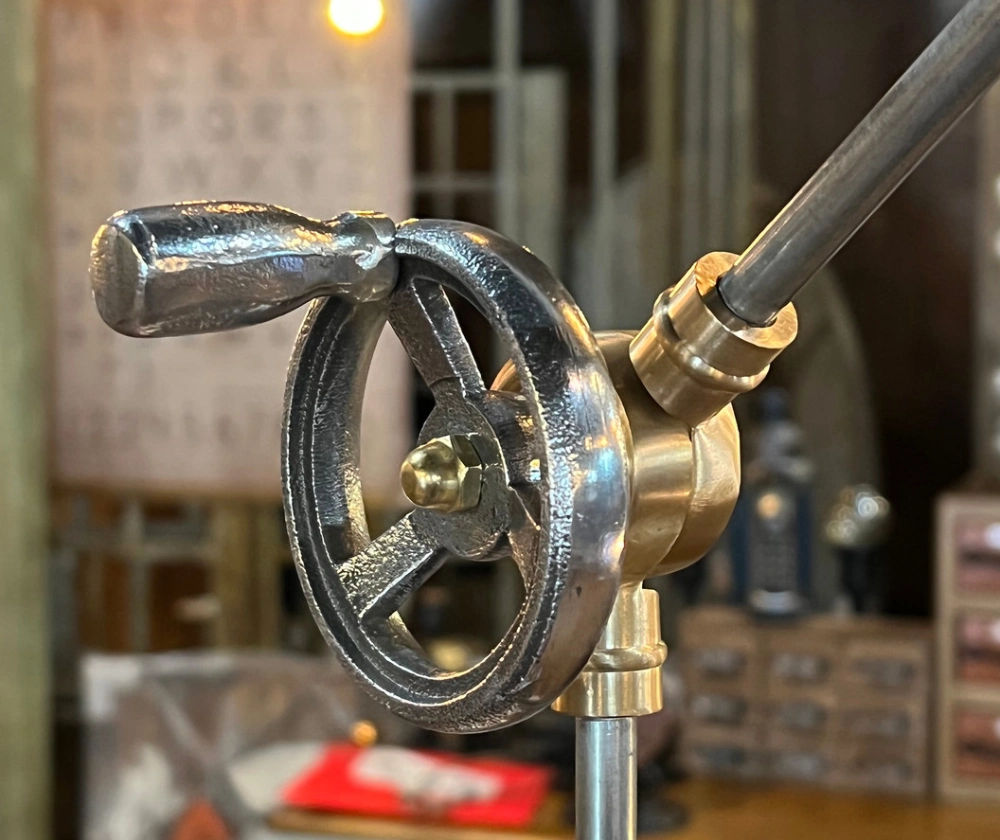
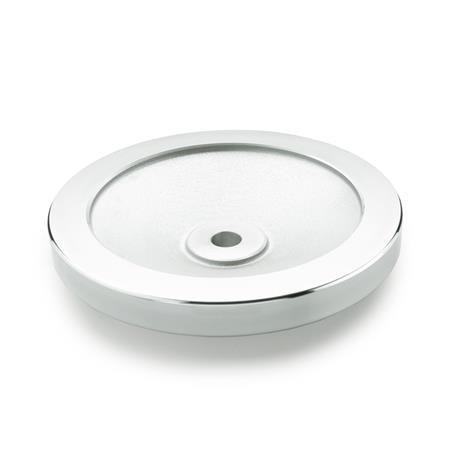
Manual adjustment systems require components that provide accurate movement control and comfortable operation. A lathe machine handwheel with handle is commonly used in machine tools where operators need precise positioning during machining processes. The handle structure improves grip stability and allows smoother rotational movement compared with basic circular designs. Engineers evaluate handle length, mounting accuracy, rotation resistance, and material strength when selecting suitable components. Similar design principles apply to other mechanical adjustment systems, including positioning devices and industrial control mechanisms.
Practical Maintenance Factors For Long-Term Equipment Use
Regular maintenance supports stable performance and extends the service period of mechanical components. Operators should inspect mounting connections because repeated rotation may gradually affect fastening conditions. Surface cleaning methods should match the selected protective treatment to prevent unnecessary damage. Excessive moisture, industrial dust, and chemical exposure may influence maintenance frequency. Lubrication requirements depend mainly on the connected mechanical system rather than the handwheel material itself. Storage conditions also affect component protection before installation. Industrial users can improve equipment reliability by combining proper component selection with scheduled inspection procedures. Maintenance records help identify recurring issues and provide valuable information for future equipment improvements.
Frequently Asked Questions
What Makes Aluminum Handwheel Design Suitable For Industrial Applications?
Aluminum handwheel design is suitable for industrial applications because it combines reduced weight with dependable mechanical performance. Aluminum alloys provide sufficient strength for many manual adjustment systems while lowering operator effort during repeated movements. The material supports precision machining, allowing manufacturers to create accurate mounting structures and customized dimensions. Corrosion resistance also improves performance in environments with humidity or moderate exposure conditions. Surface treatments such as anodizing can increase wear resistance and improve protection. Engineers usually select aluminum components after considering load requirements, operating conditions, and maintenance expectations. Proper material selection and manufacturing control remain essential for achieving consistent performance.
How Does Aluminum Material Improve Handwheel Reliability?
Aluminum material improves reliability through balanced mechanical properties, corrosion resistance, and manufacturing flexibility. Alloy grades such as 6061 and 6082 provide predictable strength characteristics for industrial applications. The lower density reduces unnecessary weight while maintaining functional rigidity through optimized structural design. Manufacturers can apply CNC machining processes to achieve accurate dimensions and stable installation performance. Surface treatments create additional protection against wear and environmental exposure. Reliability depends on multiple factors, including material inspection, production accuracy, and quality control procedures. When engineers match aluminum properties with suitable operating conditions, components can provide stable performance throughout extended equipment usage.
What Factors Should Buyers Check Before Ordering Aluminum Handwheel Products?
Buyers should evaluate several technical factors before ordering aluminum handwheel products. Material grade, dimensional specifications, mounting structure, and surface treatment requirements should match the intended application. Production capability is another important consideration because consistent tolerances influence installation accuracy and operating stability. Buyers should review manufacturing processes, inspection systems, and customization experience before selecting suppliers. Environmental conditions such as temperature, moisture, and chemical exposure may affect material decisions. Clear technical communication and detailed drawings reduce production risks. A complete evaluation process helps companies select components that provide reliable operation and maintain performance throughout the equipment lifecycle.