How Clamping Component Thread Accuracy Determines Connection Reliability
Clamping component thread accuracy plays a critical role in mechanical fastening systems. Precise threads create stable contact between mating parts. Small dimensional errors can reduce holding force and increase operational risks. Manufacturers evaluate pitch, diameter, angle, and surface quality during production. These factors directly influence component reliability in demanding environments. Accurate threads help distribute loads evenly across contact surfaces. They also reduce vibration problems during continuous operation. Industrial users often select precision-made components because consistent performance lowers maintenance requirements. Reliable thread structures support safer equipment operation and longer service cycles. Proper machining processes remain essential for achieving dependable mechanical connections in various applications.
Key Factors Behind Clamping Component Thread Accuracy Control
Thread geometry includes several important parameters that affect final performance. Pitch accuracy controls the distance between thread peaks and valleys. Thread angle affects contact pressure between connected parts. Diameter tolerance determines how tightly components fit together. Surface finish influences friction levels and installation smoothness. The manufacturing process must maintain these values within strict limits. CNC machining systems provide accurate cutting control for complex thread profiles. Skilled technicians also inspect dimensions with specialized tools. High-quality production requires attention to material properties and machining conditions. Proper control of these factors improves assembly efficiency and reduces unexpected failures during long-term operation.
| Thread Parameter | Performance Influence | Inspection Method |
|---|---|---|
| Pitch Accuracy | Controls thread engagement and load distribution | Thread pitch gauge |
| Thread Angle | Affects contact pressure and stability | Optical measurement |
| Diameter Tolerance | Determines fitting precision | Micrometer testing |
Manufacturing Processes That Improve Thread Accuracy Performance
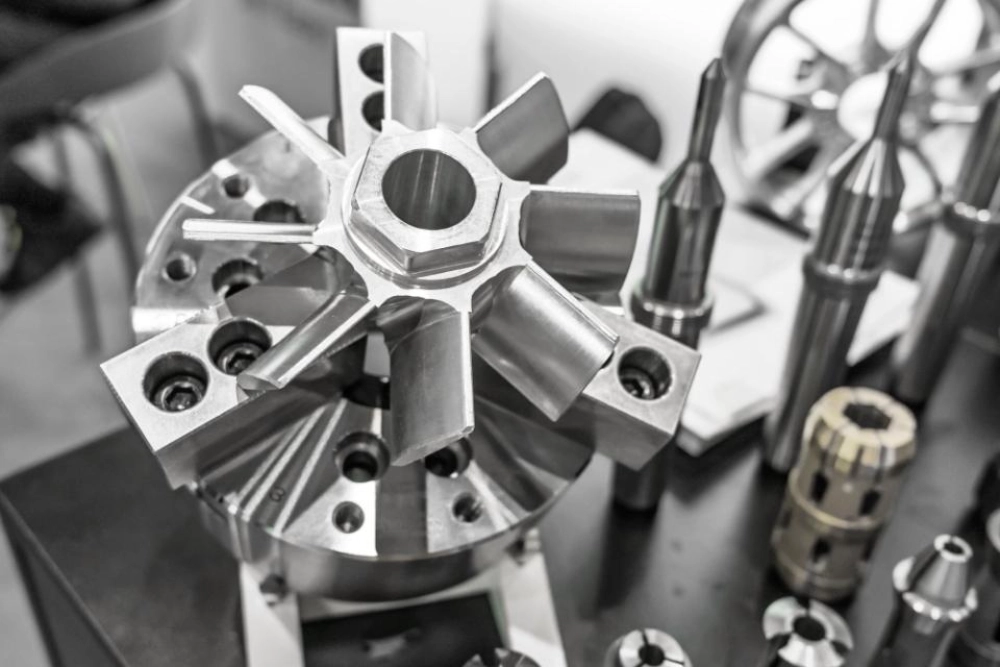
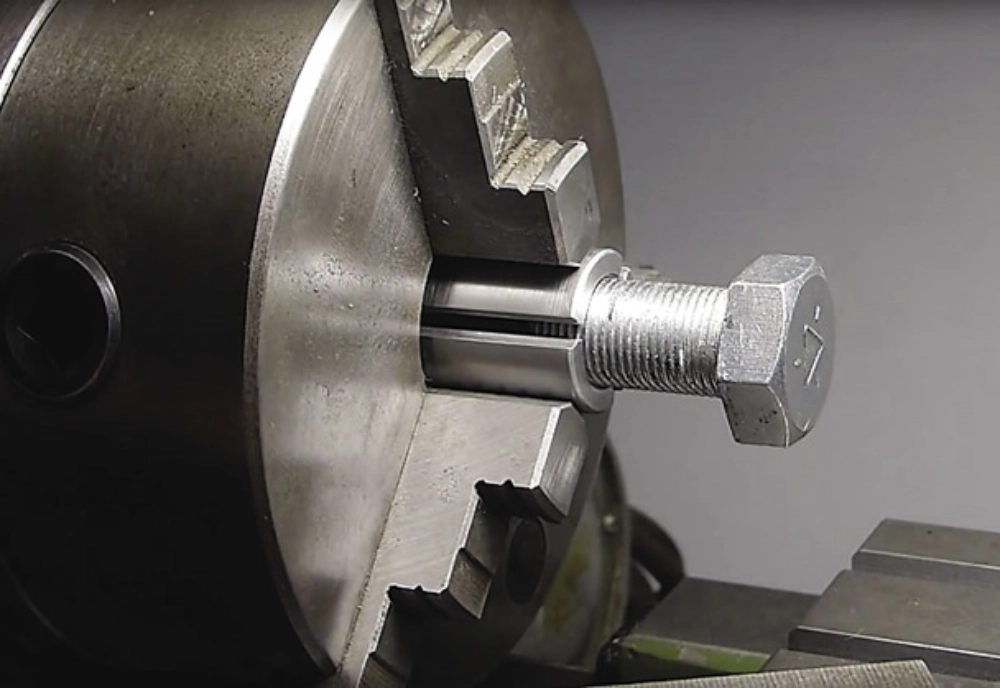
Modern manufacturing techniques improve thread consistency through controlled production methods. CNC turning creates precise external thread structures with stable dimensions. Thread milling provides flexibility for complex component designs. Grinding processes deliver excellent surface quality for high-precision applications. Engineers select suitable methods according to material type and product requirements. Production teams also monitor cutting speed, tool wear, and machine calibration. These factors influence final thread quality. Advanced inspection equipment verifies finished components before delivery. Precision manufacturing reduces dimensional variation between batches. Companies producing mechanical parts often combine automated processes with professional quality management systems. These methods support reliable results for different industrial environments.
Common Thread Accuracy Problems Affecting Clamping Components
Poor thread quality can create several mechanical problems during operation. Loose connections may appear when thread engagement becomes insufficient. Excessive friction can occur when dimensions exceed recommended limits. Damaged thread surfaces may reduce component lifespan. Uneven contact areas can also create unstable force distribution. These issues often develop from incorrect machining settings or unsuitable materials. Regular inspection helps identify potential defects before assembly. Operators should check thread conditions during installation and maintenance activities. Proper storage also prevents damage from contamination or corrosion. Selecting suitable components reduces operational interruptions. Reliable manufacturing practices help avoid common failures in industrial fastening applications.
Technical Standards Used for Reliable Thread Measurement
Standardized inspection methods help manufacturers maintain consistent product quality. International thread specifications define acceptable tolerance ranges. These standards provide clear requirements for dimensions, profiles, and measurement procedures. Quality teams use calibrated tools to verify compliance during production. Common inspection equipment includes thread gauges, measuring machines, and profile analyzers. Accurate testing ensures each component meets application requirements before shipment. Industrial buyers often request inspection records for critical projects. Detailed quality documentation improves supplier transparency and production confidence. Reliable standards create a foundation for repeatable manufacturing results. They also support compatibility between components from different production sources.
| Inspection Tool | Main Function | Application Example |
|---|---|---|
| Thread Plug Gauge | Checks internal thread acceptance | Precision assemblies |
| Thread Ring Gauge | Measures external thread fit | Fastening components |
| Coordinate Measuring Machine | Analyzes complex dimensions | Advanced mechanical parts |
Material Selection and Its Impact on Thread Performance
Material selection strongly influences thread durability and stability. Stainless steel provides corrosion resistance and strong mechanical performance. Aluminum alloys offer lightweight structures with good machining characteristics. Brass materials deliver smooth operation because of favorable friction properties. Engineering plastics provide insulation and chemical resistance for special applications. Different materials require adjusted machining parameters. Cutting speed and tool selection must match material hardness. Thermal expansion can also affect thread fitting during temperature changes. For example, precision components used in outdoor equipment require materials with stable dimensional behavior. Proper material choices improve service life and maintain consistent fastening performance. Engineers consider environmental conditions before selecting suitable thread solutions.
Selecting Suitable Thread Accuracy for Different Clamping Applications
Different applications require different levels of precision and mechanical strength. Heavy equipment usually needs strong thread engagement and excellent durability. Electronic devices often require compact components with stable adjustment performance. Automotive systems demand resistance against vibration and repeated loading. Precision instruments require accurate movement and controlled positioning.
- Heavy machinery applications require durable thread structures.
- Electronic assemblies need stable and compact fastening solutions.
- Automotive components require vibration-resistant connections.
- Precision equipment needs highly controlled dimensional accuracy.
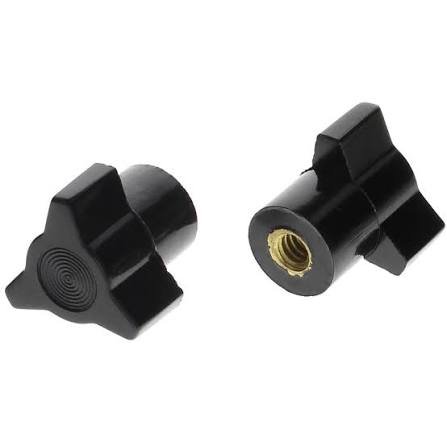
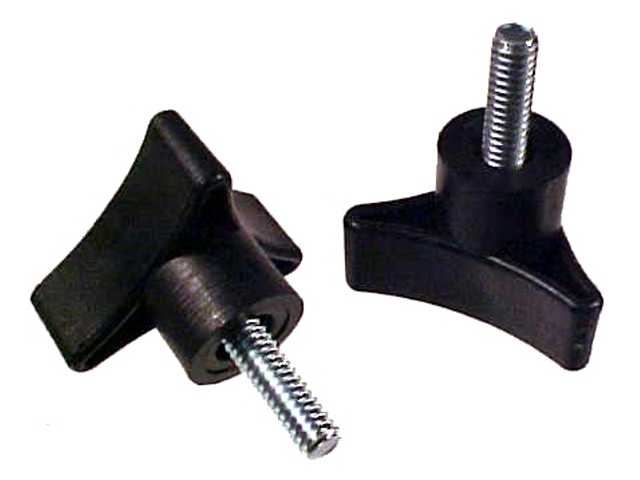
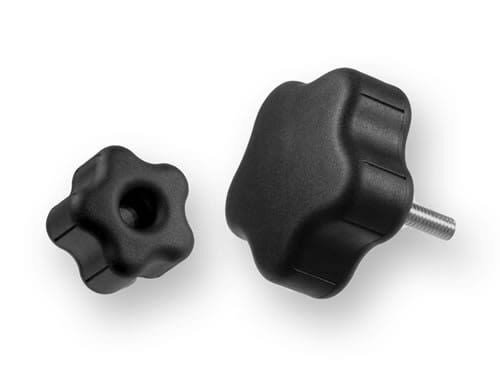
Metric clamping lobe knobs are commonly used in equipment requiring convenient adjustment and reliable manual control.
Quality Inspection Methods for Consistent Clamping Component Performance
Production inspection combines multiple testing procedures to maintain reliable output. Dimensional checks confirm that manufactured threads match required specifications. Torque testing evaluates how components perform under practical loads. Surface analysis identifies possible defects affecting contact quality. Skilled inspectors review measurement results and production records. Automated inspection systems improve efficiency for large manufacturing volumes. Quality control teams also monitor tool conditions because worn tools may affect thread consistency. Manufacturers with strong inspection processes can reduce product variation. These practices improve customer confidence and support long-term cooperation. Reliable testing remains an important part of precision component manufacturing.
Production Experience and Precision Control in Thread Manufacturing
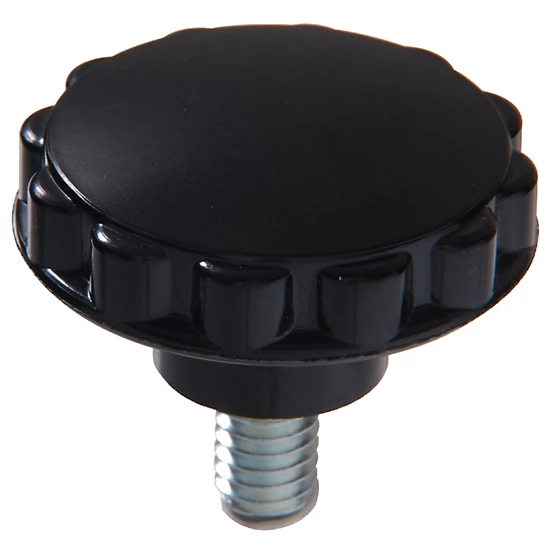
Experienced manufacturers apply practical knowledge to improve machining stability. Production teams recognize how machine settings influence final thread results. They adjust processes according to material behavior and product requirements. Quality management systems support consistent production from prototype stages to mass manufacturing. Specialized components such as wing knobs female thread require careful thread design for smooth installation and secure operation. Proper machining prevents fitting issues and improves user experience. Skilled production workers also identify potential problems through process monitoring. Strong manufacturing experience supports better reliability, shorter adjustment periods, and improved product consistency. These advantages become valuable for industries requiring dependable mechanical solutions.
Why Clamping Component Thread Accuracy Supports Long-Term Performance
Long-term equipment performance depends on reliable fastening structures. clamping component thread accuracy helps maintain stable connections during repeated use. Precise threads reduce unnecessary movement between connected parts. They also improve load transfer efficiency and minimize wear. Industrial environments often expose components to vibration, pressure changes, and frequent adjustments. High-quality thread structures handle these challenges more effectively. Products such as Metric clamping lobe knobs demonstrate the importance of accurate thread design in practical applications. Proper engineering choices improve safety and reduce replacement frequency. Manufacturers that prioritize precision create components with stronger functional value. Consistent thread quality remains a key factor for dependable mechanical performance.
Applications Requiring Advanced Thread Precision Solutions
Many industries rely on precision threads for safe and efficient operation. Automation equipment uses threaded components for positioning and adjustment functions. Medical devices require clean and accurate mechanical connections. Aerospace systems demand strict dimensional control because reliability is essential. Industrial machinery depends on stable fastening during continuous operation. Engineers consider factors such as vibration, temperature, and workload before selecting components. Precision thread solutions improve assembly accuracy and reduce operational challenges. Modern manufacturing combines digital measurement systems with skilled craftsmanship. These methods support increasingly complex product requirements. Reliable threaded components continue to play an important role in advanced mechanical designs.
FAQ
What problems occur when thread quality is insufficient in clamping components?
Insufficient thread quality can create unstable connections and reduce mechanical performance. Poor dimensions may cause loose fitting, uneven pressure, or excessive friction during operation. These conditions increase wear and shorten component service life. Manufacturers evaluate thread parameters carefully to prevent these problems. Proper inspection methods identify dimensional issues before products reach customers. In demanding environments, accurate production becomes especially important because vibration and repeated loading can accelerate failures. High-quality machining and testing procedures help maintain reliable connections. Consistent clamping component thread accuracy supports safer operation and improves overall equipment reliability.
How do manufacturers test thread precision during production?
Manufacturers use several inspection methods to verify thread precision. Thread gauges check whether dimensions meet required tolerance ranges. Measuring machines analyze complex profiles and confirm geometric accuracy. Torque tests evaluate practical performance under operating conditions. Quality teams record inspection data to maintain production consistency. Advanced factories combine automated measurement systems with professional evaluations. These processes help identify machining problems early. Regular equipment calibration also ensures accurate results. Through careful testing procedures, manufacturers maintain stable product quality and support reliable performance across different industrial applications.
Can precise threads extend the service life of mechanical components?
Precise threads can improve component lifespan by reducing stress concentration and uneven loading. Accurate fitting allows forces to transfer smoothly between connected parts. This reduces unnecessary wear and minimizes damage caused by movement or vibration. Components with stable thread structures usually require fewer adjustments during operation. Proper material selection and manufacturing control further improve durability. Industries using mechanical fastening systems benefit from consistent performance and reduced maintenance costs. Reliable thread production creates stronger connections and supports long-term equipment operation in challenging environments.