Why Adjustable Clamping Knob Selection Matters For Equipment Performance
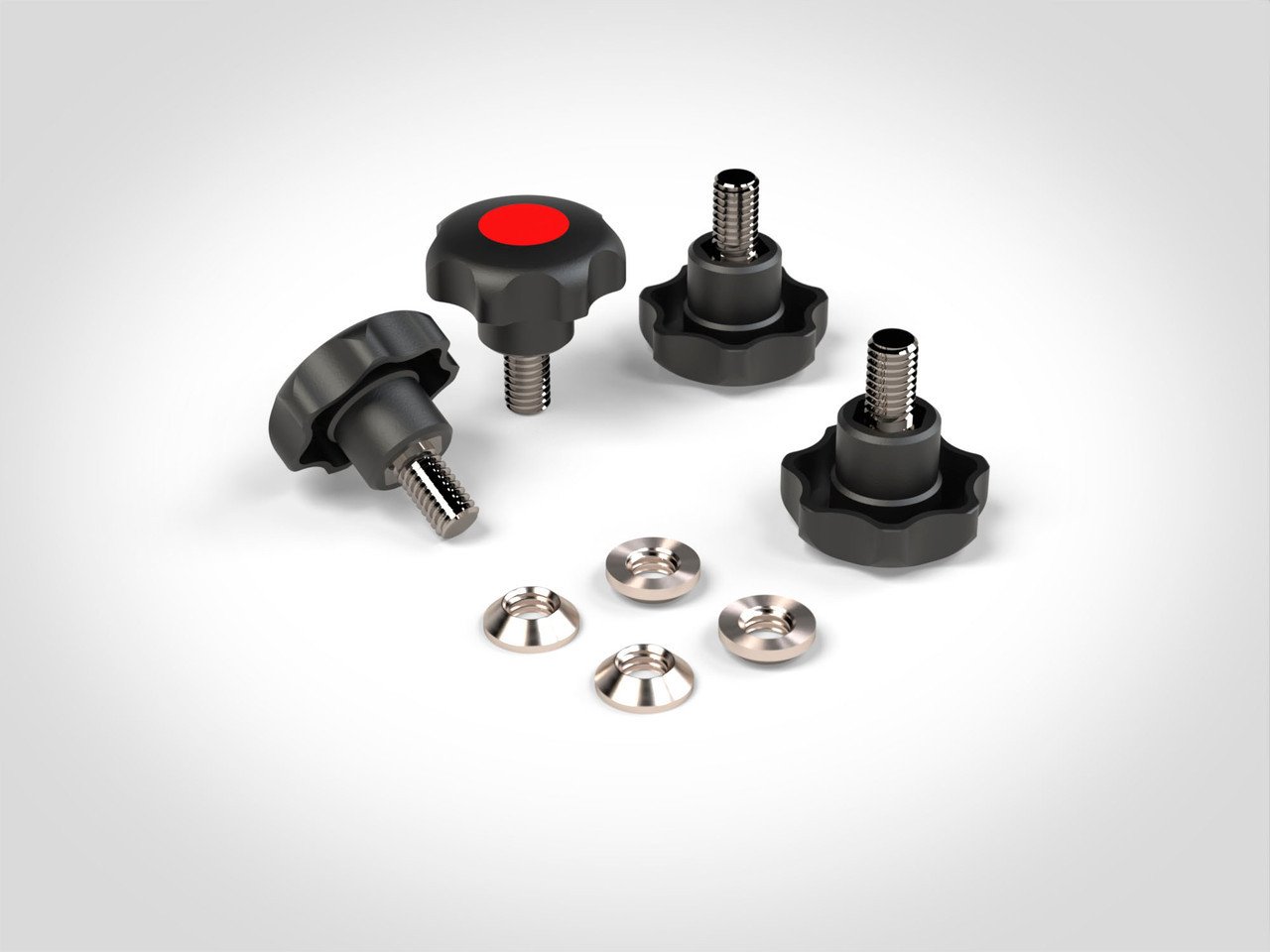
Selecting a suitable clamping knob requires careful evaluation of size, thread type, and application conditions. Adjustable clamping knob selection influences equipment stability, adjustment accuracy, and operating efficiency. Many industrial systems use manual fastening components for positioning and fixing operations. A properly matched knob provides controlled force and improves user handling. Engineers review torque requirements, installation space, and working frequency before confirming specifications. Environmental conditions also affect performance because vibration, moisture, and chemicals may create additional challenges. Incorrect choices can cause weak connections, damaged threads, or unstable adjustments. Professional evaluation helps users select suitable structures for different applications. Proper decisions improve equipment reliability and support long-term mechanical performance.
How To Measure Correct Size And Dimensions For A Clamping Knob
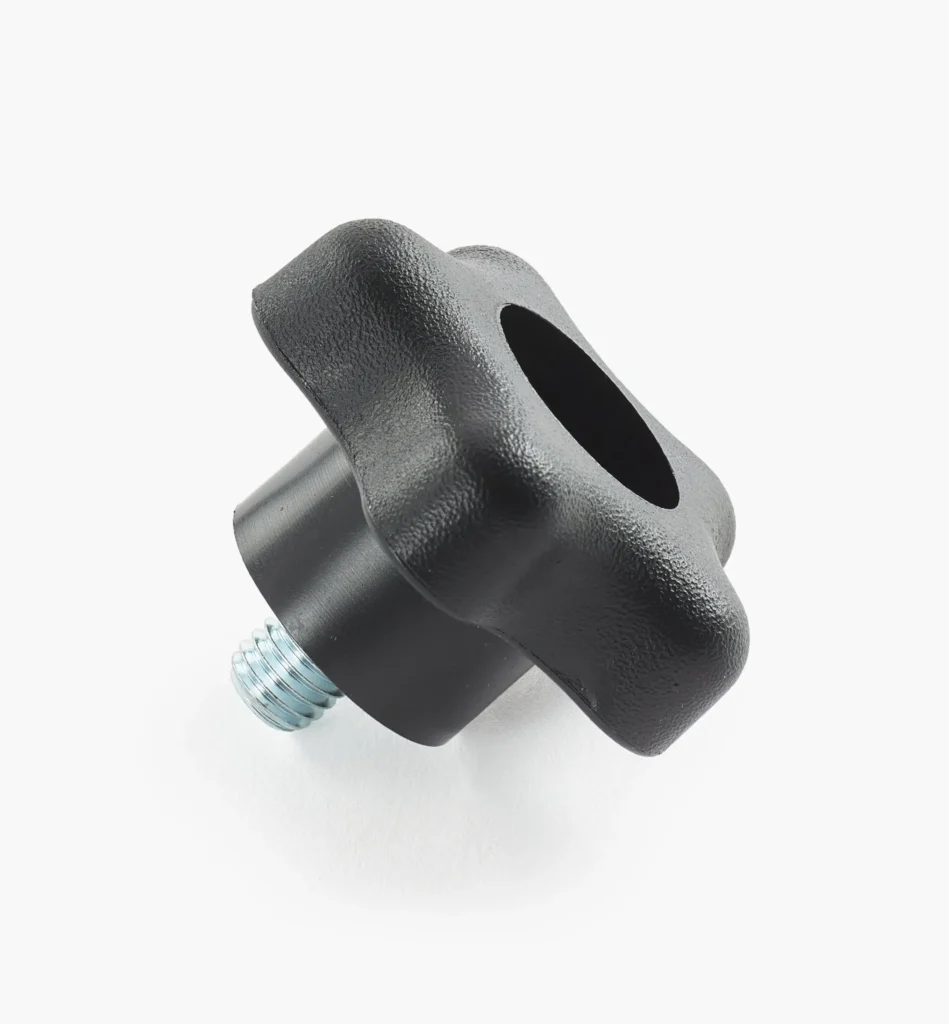
Accurate measurement creates the foundation for reliable component selection. Users should evaluate diameter, height, thread length, and mounting space before choosing a clamping knob. The diameter determines grip area and affects manual operating force. The height influences installation clearance in limited spaces. Thread length controls connection depth and impacts fixing stability. Engineers usually check existing equipment dimensions with precision tools before replacement. Small differences may create assembly problems in compact systems. Larger machines often require wider designs because they provide stronger hand control. Surface texture also influences operation because improved friction supports easier adjustment. A complete measurement process reduces compatibility issues and improves installation efficiency. Correct dimensions allow the component to provide stable performance across different industrial environments.
| Measurement Item | Main Function | Selection Consideration |
|---|---|---|
| Knob Diameter | Provides grip area and operation control | Match required adjustment force |
| Knob Height | Controls installation clearance | Check available equipment space |
| Thread Diameter | Ensures connection compatibility | Confirm existing specifications |
| Thread Length | Determines fixing depth | Select according to connection needs |
How Accurate Dimensions Improve Clamping Performance
Correct dimensions improve operator comfort and mechanical reliability. Oversized knobs may interfere with nearby components during installation. Smaller designs may reduce grip efficiency during frequent adjustments. Engineers often balance physical size with operating requirements to achieve better results. Compact structures support restricted installation spaces, while larger models provide stronger manual control. The knob shape also affects force transmission because different structures create different contact areas. Proper dimensional evaluation prevents unnecessary modifications during assembly. Users can achieve smoother operation when product specifications match equipment requirements. Accurate sizing supports stable connections and reduces potential maintenance issues. A professional evaluation process helps industries maintain consistent adjustment performance. Careful measurement remains essential for applications requiring reliable mechanical control.
How To Select Thread Type For Adjustable Clamping Knob Selection
Thread compatibility plays an important role in achieving secure fastening performance. Adjustable clamping knob selection requires attention to thread standards, pitch accuracy, and connection methods. Common options include metric and imperial thread systems. Metric threads use millimeter-based measurements and support many industrial applications. Imperial threads follow inch-based specifications and remain common in specific equipment markets. Users must verify thread diameter, pitch, and direction before installation. Incorrect thread matching can damage components and reduce connection strength. Engineers also evaluate male and female thread structures according to equipment design. The correct thread type improves installation efficiency and maintains reliable performance during repeated adjustments. A detailed thread evaluation helps users avoid compatibility problems and achieve better mechanical results.
How Thread Specifications Affect Long-Term Reliability
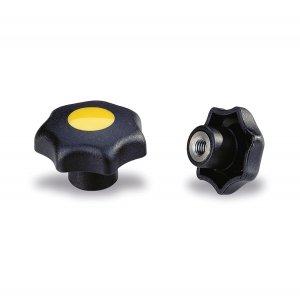
Thread accuracy directly influences fastening stability and product service life. Engineers evaluate thread diameter, pitch, and tolerance before selecting suitable components. Similar thread sizes may have different pitch standards, which can create installation problems if users make incorrect choices. Metric clamping lobe knobs provide practical solutions for equipment using metric fastening systems. These designs support repeated adjustments and stable positioning requirements in industrial applications. Users should also consider thread materials because corrosion resistance affects long-term performance. Harsh environments with moisture or chemicals require stronger protection. Proper thread evaluation reduces connection failures and improves operational safety. A suitable thread structure allows clamping components to maintain consistent performance during continuous equipment operation.
How Material Selection Affects Clamping Knob Performance
Material selection directly affects strength, durability, and environmental resistance. Engineering plastic provides lightweight performance and comfortable handling for general applications. Stainless steel offers excellent corrosion resistance and strong mechanical properties for demanding environments. Aluminum alloy provides a balance between reduced weight and structural strength. Manufacturers choose materials according to temperature exposure, chemical contact, and workload requirements. Surface treatments may improve wear resistance and extend service life. Users should evaluate working conditions before selecting suitable materials. Plastic designs often suit moderate force requirements, while stainless steel models perform better in harsh environments. Aluminum alloy options support applications where weight control matters. Proper material selection improves reliability and reduces replacement frequency. A suitable combination of material properties and design features creates better adjustment solutions for industrial systems.
| Material Type | Main Characteristics | Suitable Applications |
|---|---|---|
| Engineering Plastic | Lightweight, insulated, economical | General adjustment equipment |
| Stainless Steel | High strength, corrosion resistant, durable | Industrial machinery and outdoor systems |
| Aluminum Alloy | Lightweight with good mechanical strength | Precision and portable equipment |
How Industrial Applications Influence Clamping Requirements
Industrial environments create different demands for clamping components. Adjustable clamping knob selection depends on equipment structure, working conditions, and adjustment frequency. Machine tools usually require strong grip capability because operators perform repeated adjustments. Automation equipment focuses on precise positioning and stable operation. Laboratory devices often need compact structures with smooth control performance. Fixtures require dependable fixing force to prevent movement during processing. Engineers evaluate vibration levels, installation space, and workload before confirming specifications. Heavy machinery may require larger gripping areas for stronger force transmission. Precision systems need accurate adjustment control and stable positioning performance. Application-based evaluation improves compatibility between components and equipment. Proper matching reduces operational problems and supports reliable mechanical performance across different industries.
| Application Field | Required Performance | Important Considerations |
|---|---|---|
| Machine Tools | Strong grip and high durability | Torque capacity, thread strength, wear resistance |
| Automation Equipment | Stable positioning and repeated adjustment | Precision, compatibility, service life |
| Laboratory Instruments | Smooth operation and accurate control | Compact design, ergonomic structure |
| Industrial Fixtures | Reliable fixing performance | Clamping force, vibration resistance |
How Installation Practices Improve Clamping Reliability
Proper installation improves adjustment accuracy and extends component service life. Users should clean mounting surfaces before assembly because dust and oil may affect connection quality. Correct alignment prevents uneven pressure during tightening operations. Operators should avoid excessive force because over-tightening can damage threads or connected parts. Regular inspection helps identify wear problems before failures occur. Maintenance teams should check looseness, surface conditions, and thread performance during routine service. Important practices include cleaning threads before assembly, checking alignment before tightening, applying suitable force, inspecting components regularly, and replacing damaged parts quickly. Consistent procedures reduce operational issues and allow clamping systems to maintain stable performance during continuous industrial use.
How Installation Quality Supports Long-Term Equipment Operation
Installation quality directly affects mechanical reliability and operating safety. Even high-quality components may fail when installation procedures are incorrect. Operators should follow suitable tightening methods according to equipment requirements. Frequent adjustments require additional attention because repeated movement can increase wear. Proper maintenance schedules help maintain stable performance over extended periods. Engineers often provide installation recommendations based on product structure and application needs. Consistent procedures reduce operational issues and improve user experience. A professional installation approach allows adjustment systems to perform effectively in demanding environments. Careful handling creates stronger connections and supports reliable equipment performance during continuous industrial operation. Correct installation methods also reduce unnecessary maintenance costs and improve overall system efficiency.
How Custom Designs Improve Mechanical Adjustment Results
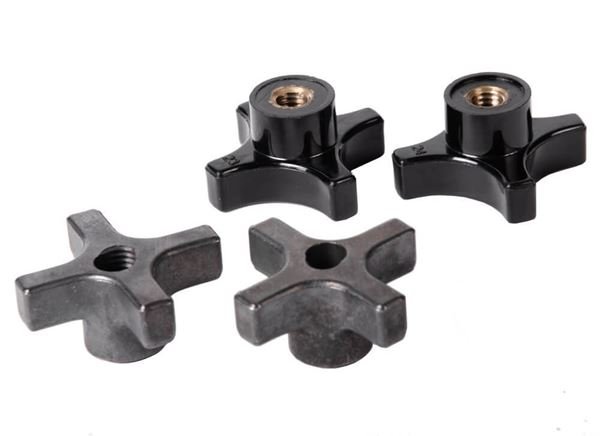
Customization can improve performance in complex working environments. Some industries require special colors, symbols, or surface structures for easier identification. Others need enhanced grip designs for frequent manual operation. The five lobe clamping knob for machine provides an example of a specialized structure created for stable handling requirements. Its multi-lobe design increases finger contact areas and supports controlled adjustment. Engineers consider ergonomic factors when developing customized solutions. A practical structure improves operator comfort and reduces adjustment difficulties. Professional manufacturing support helps users achieve optimized designs and consistent quality. Customized solutions allow equipment systems to achieve better performance while meeting unique application requirements. Flexible production options also support special dimensions, thread types, and material requirements for different industrial fields.
How Quality Control Ensures Reliable Clamping Components
Manufacturing quality determines the consistency and durability of mechanical adjustment products. Professional suppliers evaluate raw materials, machining accuracy, and surface finishing during production. Dimensional inspection confirms that products meet required specifications. Thread testing verifies connection accuracy and reduces installation problems. Material testing checks strength, corrosion resistance, and environmental performance. Production teams also inspect surface conditions because defects may influence usability. Reliable manufacturers apply strict quality procedures throughout manufacturing stages. These practices improve product stability and support long-term industrial applications. Strong quality control creates dependable solutions for users requiring accurate and durable adjustment components. Production experience also helps manufacturers identify possible issues before delivery. Careful inspection processes support consistent performance across different application environments.
Quality inspection usually includes:
- Raw material verification
- Dimension measurement
- Thread accuracy testing
- Surface quality inspection
- Final performance evaluation
FAQ
What Factors Should Be Checked Before Buying A Clamping Knob?
Choosing a suitable clamping knob requires evaluation of several technical factors before purchase. Users should check dimensions, thread specifications, material properties, and application conditions. The knob diameter affects grip comfort and operating force. Thread compatibility determines connection stability and installation accuracy. Material selection influences corrosion resistance, strength, and service life. Working environments with vibration, moisture, or chemicals require more durable solutions. Engineers should also consider adjustment frequency because repeated operation increases performance requirements. A complete evaluation process helps users avoid compatibility problems and improves equipment reliability. Careful product selection supports stable operation and reduces future replacement or maintenance needs.
How Can The Correct Thread Type Be Selected For A Clamping Knob?
The correct thread type depends on equipment specifications and connection requirements. Users should confirm thread diameter, pitch, direction, and standard before installation. Metric and imperial systems have different measurement methods, so matching the existing component is essential. Engineers should also evaluate whether the application requires male threads or female inserts. Incorrect thread selection may reduce connection strength and create installation difficulties. Environmental conditions should also influence thread material choices because corrosion resistance affects long-term performance. Careful inspection of existing equipment helps users select compatible options. Proper thread matching improves fastening stability and allows the clamping system to operate effectively during repeated adjustments.
Which Materials Are Suitable For Industrial Clamping Knobs?
Suitable materials depend on application requirements, environmental conditions, and expected service life. Engineering plastic works well for lightweight applications with moderate adjustment force. Stainless steel provides excellent strength and corrosion resistance for demanding industrial environments. Aluminum alloy offers reduced weight while maintaining suitable mechanical performance. Users should evaluate temperature exposure, chemical contact, and workload before selecting materials. Surface treatments can further improve wear resistance and durability. Different industries may require different material advantages because operating conditions vary significantly. A professional evaluation helps users select suitable materials for their equipment. Proper material choices improve reliability, reduce maintenance frequency, and support stable performance during long-term industrial operation.