Introduction To Clamping Knob For Jigs And Fixtures In Industrial Applications
A clamping knob for jigs and fixtures provides reliable fastening support for industrial production systems that require accurate positioning. These components help operators secure workpieces during machining, inspection, and assembly procedures. Their manual adjustment structure allows quick fixture changes without complex tools. Many factories select these products because they improve efficiency and maintain stable holding force. Strong materials, accurate threads, and ergonomic shapes create dependable performance in different environments. Proper selection depends on load conditions, installation space, and operating frequency. Industrial users often evaluate mechanical strength and thread compatibility before purchase. These factors help maintain production accuracy and reduce operational interruptions during repeated manufacturing processes.
How Clamping Knob For Jigs And Fixtures Improves Operation Efficiency
Production efficiency improves when operators can complete fixture adjustments quickly and accurately. A clamping knob for jigs and fixtures supports faster installation by providing convenient manual control during setup procedures. Workers can adjust holding pressure without using additional equipment. This design reduces preparation time between manufacturing cycles and supports smoother workflows. Different knob structures provide various grip options for different applications. Large contact surfaces help users apply stable force, while compact models fit limited spaces. These components work well with machining fixtures, assembly equipment, and inspection stations. Reliable adjustment performance also improves workplace safety because operators can control fastening conditions more effectively. Consistent operation helps manufacturers maintain productivity while reducing unnecessary downtime.
Material Selection And Mechanical Design Factors For Reliable Performance
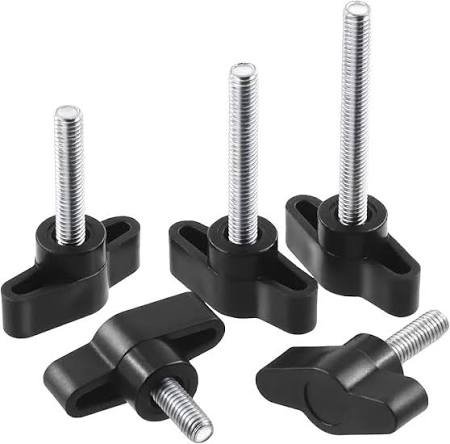
Material selection plays an important role in determining component durability and application suitability. Industrial knobs often use engineering plastics, aluminum alloys, or stainless steel based on environmental requirements. Engineering plastic provides lightweight construction and good chemical resistance. Aluminum alloy offers strong mechanical performance with reduced weight. Stainless steel delivers excellent corrosion resistance for harsh working conditions. Thread design also affects connection stability because precise machining creates better engagement between components. Surface treatment improves wear resistance and protects metal surfaces from damage. Products such as Wing Knobs Female Thread provide internal thread structures for specific fixture applications. Combining proper materials with accurate manufacturing processes creates reliable fastening performance for long-term industrial use.
Ergonomic Structures And User-Friendly Clamping Designs
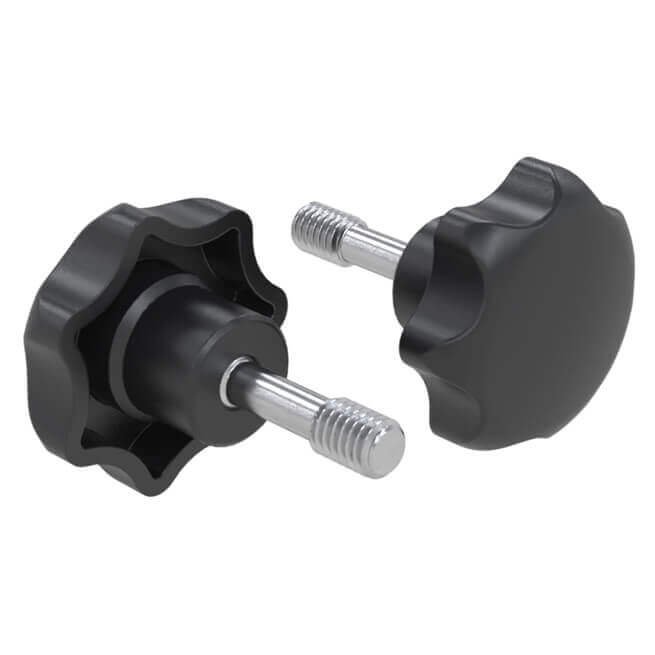
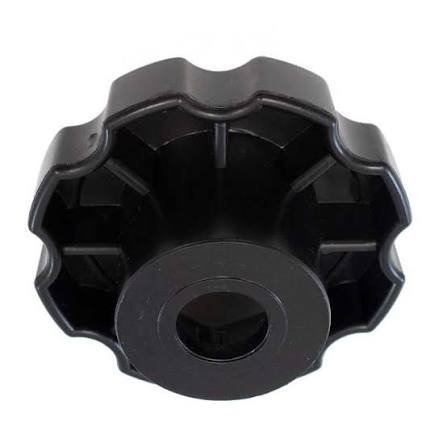
Ergonomic design improves operator comfort during repeated adjustments and fixture operations. Manufacturers develop different shapes to match various handling requirements. Star knobs, wing structures, and multi-lobe designs provide improved grip control. Larger gripping areas reduce hand pressure during frequent rotation tasks. Surface textures also influence friction and handling stability. Designers consider hand movement, installation position, and required adjustment force during product development. Some applications require compact solutions, while others need stronger manual control. Metric clamping lobe knobs provide standardized thread compatibility for equipment using metric specifications. These designs support convenient installation while maintaining secure connections. Proper ergonomic features improve working efficiency and reduce operator fatigue during continuous production activities.
Precision Control Advantages In Jig And Fixture Applications
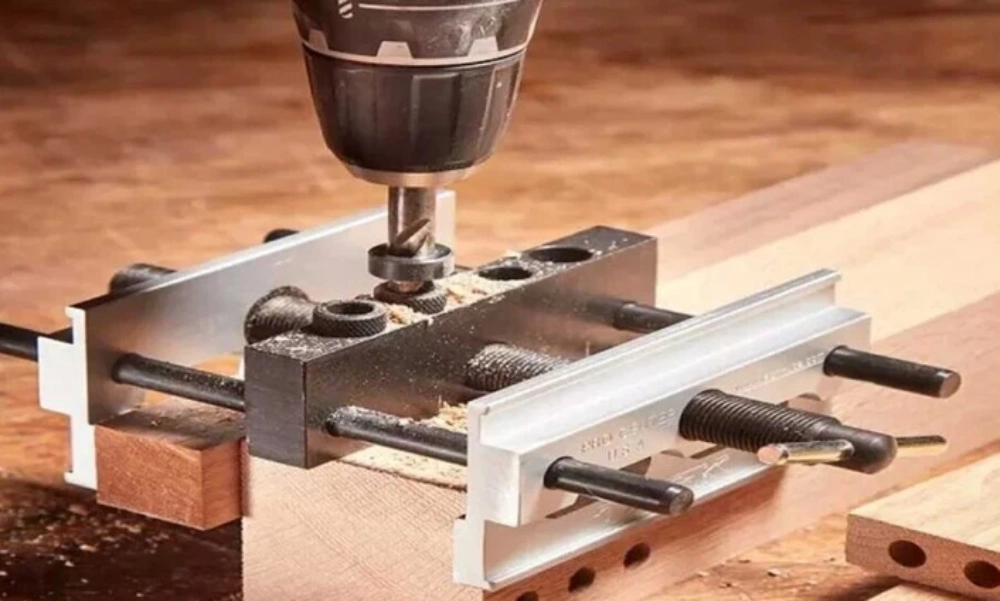
Precision control directly affects manufacturing quality because unstable workpieces may create machining errors. A reliable clamping knob for jigs and fixtures helps maintain fixed positions during production operations. Accurate thread engagement distributes pressure evenly across connected parts. This structure reduces movement caused by vibration or external force. Consistent tightening performance improves repeatability during multiple production cycles. Many industries use these components for CNC machining equipment, testing tools, and customized fixtures. Proper clamping force protects workpieces while maintaining accurate positioning. The following table compares common materials and their typical application advantages.
| Material | Strength Performance | Corrosion Resistance | Suitable Applications |
|---|---|---|---|
| Engineering Plastic | Lightweight with impact resistance | Good chemical resistance | Light fixtures and equipment panels |
| Aluminum Alloy | Strong and lightweight structure | Moderate protection | Machining fixtures and industrial tools |
| Stainless Steel | High mechanical durability | Excellent corrosion protection | Heavy-duty industrial environments |
Durability Factors That Extend Clamping Component Service Life
Long service life depends on material quality, manufacturing accuracy, and operating conditions. Industrial environments may expose components to vibration, dust, moisture, and repeated mechanical stress. A clamping knob for jigs and fixtures with precise threads can maintain stable connections during continuous operation. Surface finishing protects components against oxidation and wear. Regular maintenance also helps preserve performance by preventing contamination around contact areas. Operators should inspect threads and connection points periodically. Proper lubrication reduces friction and supports smoother adjustment. Correct installation prevents damage caused by excessive tightening force. These maintenance methods extend component lifespan and reduce replacement frequency. Durable designs help factories maintain stable production processes while controlling long-term operating costs.
Manufacturing Standards And Quality Testing For Industrial Knobs
Manufacturing standards influence the consistency and reliability of industrial knob performance. Professional suppliers use controlled processes to maintain accurate dimensions and stable mechanical properties. CNC machining supports precise thread production for metal components. Injection molding creates efficient solutions for plastic structures with consistent shapes. Quality teams inspect thread tolerance, torque strength, surface finish, and material performance before shipment. These procedures reduce compatibility problems and improve product reliability. Advanced production facilities also use sampling checks to monitor batch consistency. Accurate testing methods help verify whether components meet application requirements. Reliable quality control supports industries that depend on stable fixture systems, including machining, assembly, and inspection operations. The following table presents common inspection methods and their effects on product performance.
| Testing Item | Testing Purpose | Quality Impact |
|---|---|---|
| Thread Accuracy Test | Verifies thread size and connection precision | Improves fastening stability |
| Torque Performance Test | Measures rotation force and holding capability | Ensures consistent clamping strength |
| Material Strength Test | Evaluates resistance against mechanical pressure | Extends operational lifespan |
| Surface Inspection | Checks finishing quality and defects | Maintains appearance and protection |
Quality Control Processes For Reliable Industrial Performance
Quality control procedures after production testing help maintain stable performance in demanding environments. Manufacturers review inspection data before products enter distribution channels. Thread measurement equipment checks dimensional accuracy and prevents installation issues. Torque analysis confirms whether components provide sufficient holding force during operation. Surface inspections identify possible defects that may reduce durability. Production records allow teams to track materials and processing conditions. These practices support consistent quality across different production batches. Reliable inspection systems create confidence for users requiring dependable fixture accessories. Proper testing becomes especially important for equipment with frequent adjustments or continuous movement. Strong quality management helps manufacturers deliver components that perform consistently throughout their expected service period.
Selection Considerations For Different Jig And Fixture Systems
Choosing suitable fixture components requires evaluation of technical requirements and working conditions. Different applications require different thread sizes, materials, and load capacities. Users should consider installation space, adjustment frequency, and environmental exposure before making decisions. Correct selection improves equipment stability and reduces maintenance requirements. Important factors include:
- Thread specification and compatibility with existing fixture structures.
- Material performance according to temperature and chemical exposure.
- Grip design based on operator handling requirements.
- Load capacity required for secure workpiece positioning.
These factors help users select suitable solutions for different manufacturing environments. Proper evaluation prevents problems caused by incorrect dimensions or unsuitable materials. A well-matched component improves workflow efficiency while supporting safe and accurate operations. Careful selection also creates better value because reliable components reduce replacement costs and production interruptions.
Practical Benefits Of Choosing The Right Clamping Solution
A suitable clamping solution improves production consistency by creating stable connections between fixtures and workpieces. After evaluating application requirements, users can select components that match equipment conditions. The right design reduces adjustment time and improves operator productivity. Strong materials protect against repeated mechanical stress during operation. Accurate threads maintain secure connections during vibration or movement. Ergonomic structures provide comfortable handling for frequent adjustments. These benefits improve workflow performance across different industries. Manufacturing facilities often depend on reliable fixture accessories because small components influence overall production quality. Proper selection also supports cost control by reducing downtime and maintenance frequency. High-quality solutions provide long-term value through predictable performance and stable operation in industrial environments.
Industrial Applications And Future Trends Of Clamping Components
Industrial demand for advanced fixture accessories continues to increase as automation and precision manufacturing expand. These components support CNC equipment, assembly stations, inspection devices, and customized production systems. Modern factories require products that combine accuracy, durability, and convenient operation. Lightweight materials are becoming more popular because they reduce equipment weight while maintaining strength. Customized thread options also support specialized applications with unique requirements. Digital manufacturing methods improve consistency and shorten production cycles. Future designs may focus on enhanced ergonomics, improved materials, and higher precision. The growing demand for efficient production will continue encouraging innovation in fixture accessories. Reliable components remain essential for industries that require repeatable processes and stable manufacturing results.
Frequently Asked Questions
How Does A Clamping Knob Improve Jig Stability?
A clamping knob improves jig stability by creating controlled pressure between fixture parts and workpieces. The threaded structure transfers manual rotation into secure holding force. Accurate engagement reduces movement during machining, inspection, and assembly operations. Proper designs distribute pressure evenly and minimize vibration effects. Different grip shapes allow operators to apply consistent tightening force during repeated tasks. Material selection also affects stability because stronger materials maintain performance under continuous loads. When users choose suitable specifications, these components help maintain accurate positioning. Stable fastening performance supports better production quality and reduces errors caused by workpiece movement. Reliable fixture control remains important for industries requiring precision and repeatable manufacturing processes.
Which Materials Are Suitable For Industrial Clamping Knobs?
Industrial clamping knobs commonly use engineering plastics, aluminum alloys, and stainless steel because each material offers different advantages. Plastic options provide lightweight structures and resistance against many chemicals. Aluminum models combine strength with reduced weight, making them suitable for various manufacturing environments. Stainless steel designs deliver excellent corrosion resistance and high mechanical durability. Material selection depends on operating temperature, moisture exposure, chemical contact, and required strength levels. Manufacturers evaluate these conditions before choosing suitable materials. Proper selection improves service life and maintains reliable performance. Users should consider current application demands and future operating requirements when selecting industrial knob solutions.
What Factors Affect Clamping Knob Service Life?
Several factors influence service life, including material quality, thread accuracy, workload, and maintenance practices. High-quality materials resist wear and environmental damage more effectively. Precise machining prevents loose connections and reduces stress on threaded areas. Heavy vibration, excessive force, and unsuitable environments may shorten product lifespan. Regular cleaning removes contaminants that could affect connection performance. Periodic inspections help identify early wear before major problems occur. Proper installation also prevents damage from excessive tightening. Selecting suitable components according to actual working conditions allows users to achieve longer service periods. Reliable maintenance practices support stable fixture performance and reduce unnecessary replacement costs.