Audit CNC Machining Supplier Capabilities Before Making A Partnership Decision
Selecting the right manufacturing partner requires a structured evaluation process. An effective audit cnc machining supplier process helps buyers verify production capability, quality stability, and operational reliability before cooperation. Many industrial projects require strict dimensional accuracy, consistent materials, and predictable delivery schedules. A supplier assessment should examine both technical resources and management systems. Production records, inspection procedures, and engineering communication reveal whether a company can support long-term requirements. Experienced buyers focus on measurable evidence rather than marketing statements. A detailed evaluation reduces supply chain risks and improves confidence during product development. Reliable suppliers usually provide transparent information about equipment, workflows, and quality controls throughout the cooperation process.
Evaluating CNC Equipment And Production Capacity During Supplier Audits
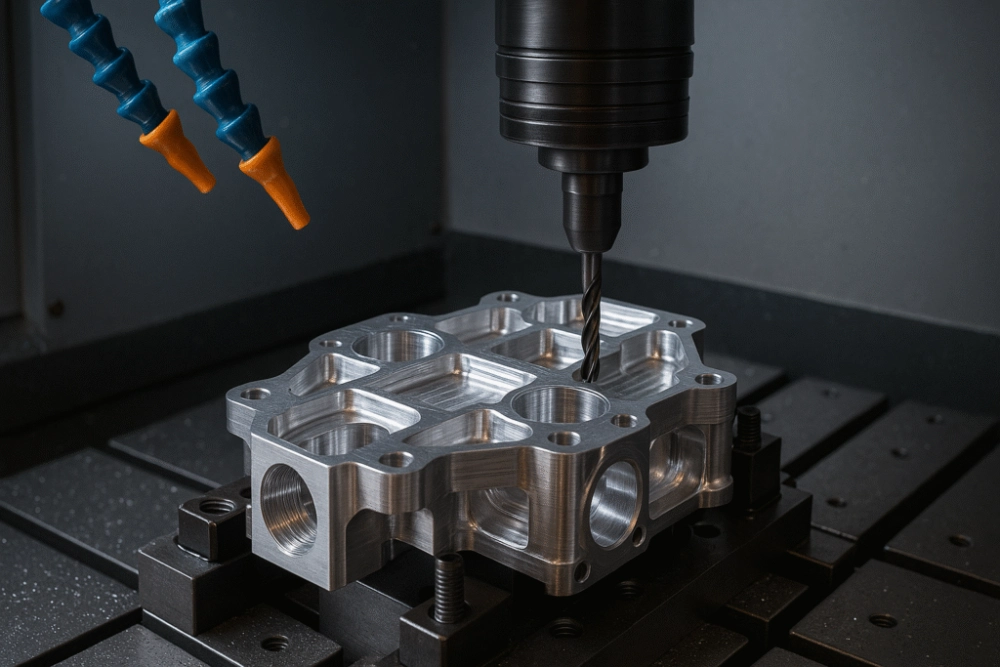
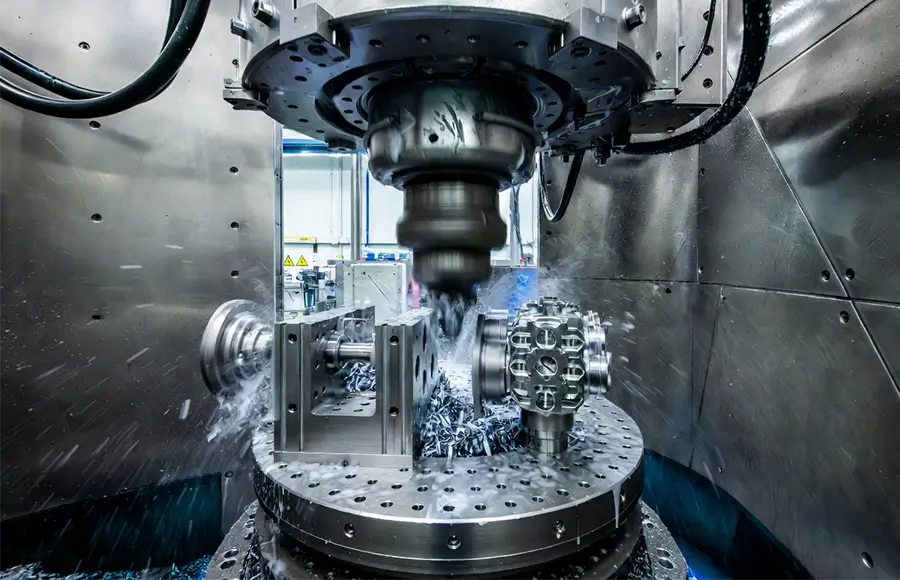
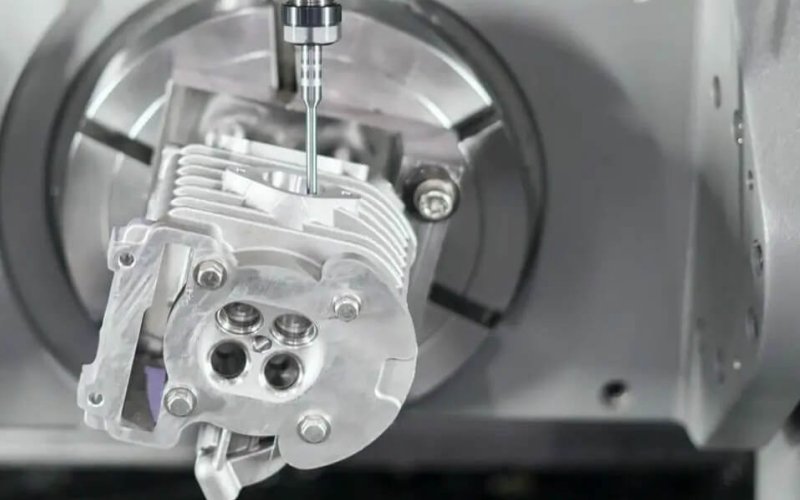
Manufacturing equipment directly affects machining accuracy, efficiency, and production flexibility. Buyers should review CNC machine types, working ranges, spindle performance, and automation levels during supplier evaluations. A factory with advanced machining centers can handle complex geometries and demanding tolerances more effectively. Five-axis CNC equipment supports multi-angle machining by reducing repeated setups and improving surface consistency. CNC turning machines create precise cylindrical components with stable dimensional control. Equipment maintenance records also demonstrate whether machines receive regular calibration and preventive service. A professional supplier should provide clear production capacity information, including monthly output, maximum component size, and available machining technologies. These details help buyers select partners that match project requirements and future growth plans.
Reviewing Manufacturing Processes And Engineering Expertise
Engineering capability represents another essential factor during supplier assessment. Skilled engineers optimize machining processes through accurate programming, proper tooling selection, and efficient production planning. Modern CNC operations rely on CAD/CAM systems to convert digital models into precise machining instructions. Engineers analyze material characteristics, cutting speeds, and tool paths before production begins. Suppliers with strong technical teams can reduce manufacturing errors and improve project efficiency. For customized applications, services like precision machined components OEM/ODM require advanced engineering coordination between design and production departments. Technical discussions should include tolerance requirements, surface treatments, inspection methods, and production challenges. A capable supplier provides practical recommendations instead of simply following drawings without evaluation. This approach creates better results for complex industrial applications.
Checking Quality Control Systems And Inspection Standards
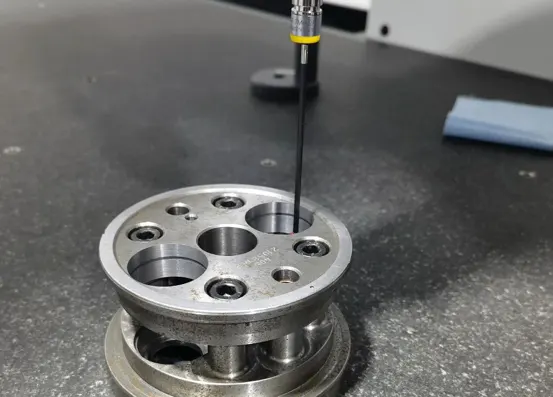
Quality management systems demonstrate how suppliers maintain consistency across different production stages. During an audit cnc machining supplier evaluation, buyers should examine inspection equipment, quality documentation, and process monitoring methods. Reliable manufacturers usually operate structured quality systems based on international standards. Coordinate measuring machines verify critical dimensions with high accuracy. First article inspection confirms whether initial production matches engineering specifications. Statistical process control identifies production variations before defects increase. Calibration records ensure measurement equipment provides dependable results. Quality teams should also maintain inspection reports, nonconformance records, and corrective action procedures. These practices show whether a supplier manages quality proactively. A strong inspection framework protects product performance and reduces unexpected costs caused by rework or delayed shipments.
Assessing Material Management And Traceability Systems
Material control affects product reliability, especially for precision industrial components. Suppliers should maintain strict procedures for purchasing, receiving, storing, and tracking raw materials. Aluminum alloys, stainless steel grades, titanium materials, and engineering plastics require different handling methods. Material certificates verify chemical composition and mechanical properties before production starts. Batch identification systems allow manufacturers to trace materials from incoming inspection to finished products. Poor material management may cause inconsistent performance or unexpected failures during application. Buyers should review storage conditions, labeling systems, and supplier documentation. Companies producing precision CNC machined parts OEM/ODM must maintain accurate material records because customized components often require strict specifications. Effective traceability systems support quality investigations and provide confidence throughout the product lifecycle.
CNC Machining Supplier Audit Checklist For Industrial Buyers
A structured checklist helps buyers evaluate suppliers with consistent standards. Different departments should participate during the assessment process to review technical and operational factors. The following areas usually require detailed verification:
- CNC equipment capability and machine maintenance records
- Engineering team experience and production planning methods
- Quality inspection procedures and certification documents
- Material sourcing controls and traceability management
- Delivery performance and production scheduling systems
A complete checklist creates a practical evaluation framework for purchasing teams. It prevents important details from being overlooked during supplier visits or remote assessments. Buyers can compare multiple suppliers using the same criteria and identify potential risks earlier. Clear evaluation records also support internal decision-making and future supplier reviews.
| Audit Category | Key Evaluation Points | Expected Evidence |
|---|---|---|
| Equipment Capability | Machine types, accuracy, production capacity | Equipment list and maintenance records |
| Quality Management | Inspection process, measurement systems, standards | Quality documents and inspection reports |
| Material Control | Supplier sourcing and batch tracking | Material certificates and storage records |
| Delivery Management | Production planning and shipment control | Production schedules and delivery history |
Why Audit Results Influence Long-Term CNC Supplier Cooperation
Audit findings provide valuable information about supplier reliability and production maturity. Companies should analyze results beyond simple approval decisions. Strong audit performance indicates better process control, communication efficiency, and manufacturing consistency. Weak areas can also reveal opportunities for improvement before large orders begin. Buyers often use audit data to establish performance expectations and cooperation standards. A supplier with transparent systems usually responds faster to technical changes and quality concerns. Continuous evaluation helps maintain stable relationships because production requirements may change over time. Regular reviews encourage suppliers to improve equipment, employee skills, and operational procedures. Effective supplier management creates stronger partnerships and supports consistent product quality across future projects.
Key Questions To Ask During A CNC Supplier Evaluation
A professional supplier evaluation requires detailed questions about manufacturing capability and operational management. Buyers should collect specific information before approving cooperation. Important questions include:
- What CNC machining technologies are available for current projects?
- Which tolerance levels can production teams consistently maintain?
- How does the supplier manage quality problems during manufacturing?
- What inspection equipment supports dimensional verification?
- How does the company control delivery schedules during urgent orders?
These questions help purchasing teams identify suppliers with practical experience and stable processes. Direct communication also reveals how engineers respond to technical challenges. Suppliers that provide clear answers usually demonstrate stronger production transparency. Detailed discussions create better cooperation foundations and reduce uncertainty during future manufacturing stages.
Improving Supplier Communication After The Audit Process
After completing an evaluation, buyers should maintain continuous communication with selected suppliers. An effective audit cnc machining supplier process should not end after the initial review. Follow-up discussions help both parties improve production performance and resolve potential issues. Regular technical meetings allow engineers to review design changes, machining challenges, and quality feedback. Performance reports can track delivery accuracy, defect rates, and improvement actions. Suppliers should also receive clear expectations regarding documentation, inspection standards, and response times. Strong communication creates better coordination between purchasing teams and manufacturing departments. Long-term cooperation depends on transparent information exchange and shared improvement goals. A supplier relationship becomes more valuable when both sides actively optimize processes rather than only focusing on individual orders.
Common Mistakes When Auditing CNC Machining Suppliers
Many buyers make evaluation mistakes when selecting machining partners. Focusing only on price often creates hidden risks related to quality and delivery. A lower quotation may result from outdated equipment, weak inspection systems, or limited engineering support. Some companies also ignore factory workflow and only review finished samples. This approach cannot fully verify production consistency. Another common mistake involves checking certifications without examining actual operating procedures. Certificates show management commitments, but real production evidence remains essential. Buyers should review machine conditions, employee experience, inspection methods, and production records. A complete assessment requires both documentation analysis and practical verification. Careful evaluation prevents unexpected costs and supports stable manufacturing partnerships.
Building A Reliable Supplier Evaluation Framework
A strong supplier framework combines technical review, quality analysis, and performance monitoring. Industrial buyers should create clear criteria before evaluating potential manufacturing partners. The framework should include production capability, engineering support, inspection accuracy, material control, and delivery reliability. Data collected during evaluations can support objective supplier comparisons. Companies should update evaluation standards when product complexity or market requirements change. Regular reviews also encourage suppliers to maintain high operational standards. A reliable framework helps purchasing teams identify suitable partners for different projects. It creates consistent decision processes and reduces dependence on subjective opinions. Supplier evaluation should become an ongoing activity rather than a single inspection event. This approach improves supply chain stability and supports continuous manufacturing improvement.
Advanced Quality Verification Methods For CNC Manufacturing Partnerships
Modern machining projects require more than basic dimensional checks. Advanced verification methods provide deeper confidence in production results. Coordinate measuring machines analyze complex geometries with high precision. Surface roughness testers evaluate finishing quality for functional components. Optical inspection systems support fast measurement of detailed features. These technologies help manufacturers identify problems before shipment. Buyers should review whether suppliers match inspection methods with component requirements. Complex aerospace, automotive, and industrial parts often need specialized verification procedures. Strong inspection capability demonstrates technical maturity and manufacturing responsibility. Suppliers that invest in advanced measurement technologies can better support demanding applications and maintain stable product performance.
| Inspection Method | Primary Function | Application Value |
|---|---|---|
| CMM Measurement | Checks dimensional accuracy and geometric tolerance | Suitable for complex precision components |
| Surface Roughness Testing | Measures finishing quality and texture consistency | Supports functional surface requirements |
| Optical Inspection | Analyzes detailed features and profiles | Improves inspection efficiency for small parts |
| SPC Monitoring | Tracks production variation trends | Reduces process instability risks |
Maintaining Continuous Improvement Through Supplier Reviews
Regular supplier reviews help companies maintain manufacturing quality after initial approval. Production conditions may change because of new equipment, employee adjustments, or increased order volumes. Periodic assessments allow buyers to monitor performance changes and identify improvement opportunities. Suppliers can use review feedback to optimize workflows and strengthen quality systems. Performance indicators such as delivery accuracy, defect frequency, and response speed provide measurable evaluation results. Continuous improvement creates stronger cooperation because both sides focus on long-term value. Companies should maintain communication records and compare supplier performance over different periods. This approach supports better decision-making and improves manufacturing reliability. Effective supplier management creates a stable foundation for future product development and production expansion.
FAQ
What Should Be Checked During A CNC Machining Supplier Audit?
A CNC machining supplier audit should examine equipment capability, engineering resources, quality systems, material control, and delivery management. Buyers need to verify whether production facilities can meet technical requirements consistently. Important checks include CNC machine conditions, inspection equipment accuracy, employee expertise, and process documentation. Quality certifications should be reviewed together with actual production records. Material traceability, corrective action procedures, and shipment history also provide valuable information. A complete evaluation combines document review with factory observation. This approach helps buyers identify reliable suppliers and avoid risks related to inconsistent quality, delayed delivery, or limited technical support.

How Often Should Companies Audit CNC Machining Suppliers?
The frequency of supplier audits depends on project complexity, production volume, and quality requirements. Companies with critical components usually perform evaluations more regularly than those purchasing standard parts. Annual reviews are common for established suppliers because they monitor operational changes and improvement progress. Additional assessments may occur when suppliers introduce new equipment, change production locations, or experience quality issues. Regular evaluations help maintain consistent manufacturing standards and encourage suppliers to improve processes. Buyers should also review performance data between audits, including delivery records, defect rates, and communication efficiency. A balanced review schedule supports stable cooperation without creating unnecessary administrative pressure.
Why Is Supplier Quality Assessment Important For CNC Machining Projects?
Supplier quality assessment plays an important role because machining performance directly affects final product reliability. Precision components require accurate dimensions, stable materials, and controlled manufacturing processes. A detailed evaluation helps buyers confirm whether suppliers possess the required technical capability. Quality assessment also reduces risks related to production delays, unexpected defects, and additional costs. Suppliers with strong systems usually provide better communication and faster problem resolution. Consistent evaluation supports long-term partnerships because manufacturing requirements often become more complex over time. By reviewing supplier performance regularly, companies can maintain dependable production standards and improve overall supply chain efficiency.