Lead screw accuracy grade defines the precision level of motion control in mechanical transmission systems. It determines how closely a screw converts rotation into linear movement. Industrial automation depends on stable and repeatable positioning accuracy. Small deviations can affect machining quality and assembly performance. Engineers evaluate this parameter when designing high precision motion platforms. CNC systems, robotics, and semiconductor tools rely heavily on consistent accuracy control. Different applications require different tolerance thresholds for stable operation. High precision systems demand tighter error margins and better surface finishing. Lower grade systems focus on cost efficiency and general motion tasks. This classification helps engineers select suitable components for performance stability. Many factories integrate strict calibration procedures during production stages. This concept also supports long term reliability planning in complex mechanical systems.
Classification standards and tolerance systems
Internationally recognized mechanical standards define structured tolerance ranges for screw-driven motion systems. ISO 3408 is widely used for ball screw and lead screw lead error classification, while DIN 69051 provides German industrial guidance for accuracy and positioning performance. These standards define allowable lead deviation across different screw lengths and manufacturing grades. Higher grades represent tighter error control and improved positioning consistency. Lower grades allow larger tolerance ranges for general applications. Manufacturers follow these systems to ensure global compatibility and interchangeability. Testing procedures verify deviation limits under controlled conditions. Engineers compare grade specifications before selecting components for motion systems. Different industries adopt different precision levels based on operational requirements.
How lead screw accuracy grade is measured in manufacturing
Manufacturing evaluation involves precise measurement of linear positioning error. Laser interferometers are commonly used for high accuracy calibration. These instruments detect microscopic deviations along screw travel paths. Engineers compare measured values with nominal design specifications. Deviation data determines final classification results for each unit. Temperature stability is controlled during testing to avoid distortion. Vibration isolation systems improve measurement reliability. Data collection software records continuous movement feedback. Quality inspectors review results against tolerance thresholds. Repeated testing ensures consistency across production batches. Calibration environments maintain controlled humidity and temperature conditions. Measurement systems also account for cumulative lead error across long distances. Advanced factories integrate automated inspection platforms for efficiency. This process ensures stable performance in demanding industrial applications. Proper measurement directly influences final classification outcomes for each product.
Key factors influencing stability
Material selection plays a major role in maintaining dimensional stability. Thermal expansion affects long term precision under varying temperatures. Machining quality determines surface smoothness and thread uniformity. Grinding processes improve geometric consistency across screw lengths. Lubrication reduces friction and slows wear development over time. Load conditions also influence long term accuracy retention. Heavy loads can gradually deform contact surfaces. Environmental humidity may affect corrosion resistance and stability. Assembly alignment errors introduce additional positional deviation. Manufacturing precision directly impacts final performance consistency. Engineers often simulate working conditions before final selection. Proper heat treatment improves hardness and structural integrity. Repeated motion cycles gradually affect tolerance stability. Maintenance schedules help preserve operational accuracy. These combined factors determine real world performance behavior.
Applications driven by lead screw accuracy grade requirements
High precision industries rely on strict motion control systems. CNC machining centers require stable positioning for cutting accuracy. Semiconductor manufacturing demands micron level alignment precision. Medical devices use controlled motion for surgical and diagnostic equipment. Optical systems require extremely stable positioning for lens alignment. Automation lines depend on synchronized mechanical movement. Robotics systems use controlled screw motion for joint stability. Packaging machinery also benefits from consistent feed control. Engineers select components based on required precision thresholds. Each application defines its own tolerance expectations. Performance reliability depends on correct grade matching. Industrial design teams evaluate load and speed conditions carefully. System efficiency improves when components match operational requirements. Precision control remains central to modern manufacturing development.
Choosing the right accuracy grade for industrial use
Selecting appropriate specifications requires balancing multiple engineering factors. Load capacity and motion speed influence final decision making. High precision systems require tighter tolerance grades. Cost sensitive projects may accept moderate accuracy levels. Environmental conditions also affect long term selection decisions. Temperature variation can impact dimensional stability. Engineers evaluate lifecycle performance before final procurement. System compatibility ensures smooth integration with existing assemblies. Maintenance requirements vary across different grade levels. Application criticality determines acceptable error ranges. Performance testing helps validate selection decisions. Operational safety depends on correct matching of specifications. Design engineers often simulate real working conditions. Efficiency improves when components align with system demands. Proper selection reduces downtime and improves productivity.
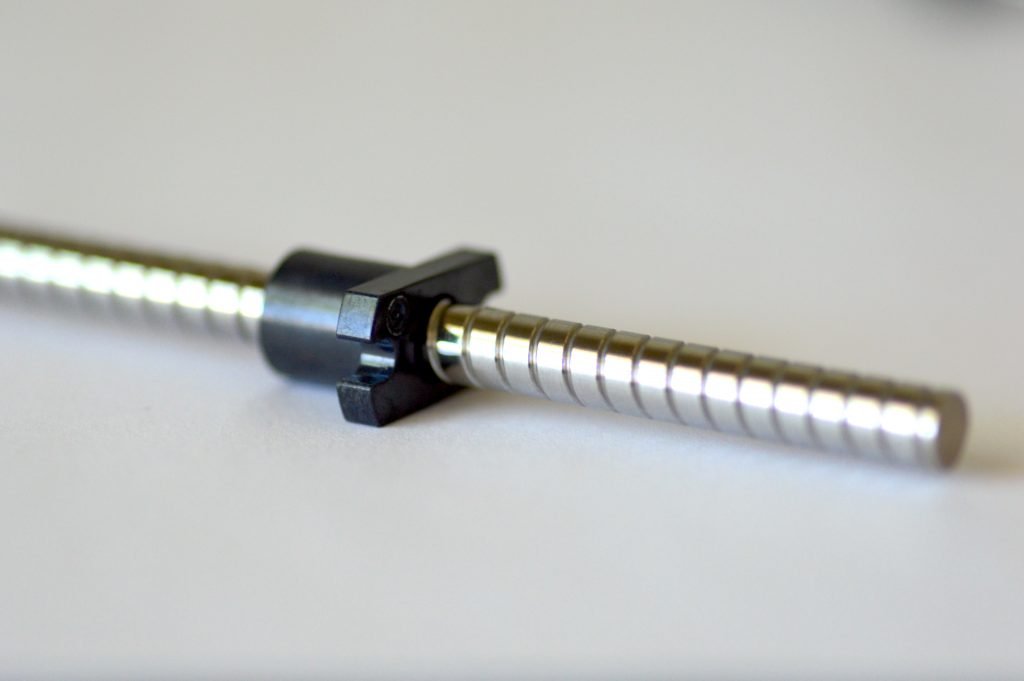
Comparison in industrial systems
| Grade Level | Typical Lead Error Range | Common Application |
|---|---|---|
| Precision Grade | ±0.01 mm / 300 mm | Semiconductor equipment |
| Industrial Grade | ±0.05 mm / 300 mm | CNC machining systems |
| Commercial Grade | ±0.1 mm / 300 mm | General automation devices |
The comparison above shows how different classification levels are used in industrial environments. Precision grade systems deliver extremely tight tolerance control for high end applications. Industrial grade options balance cost and performance for mainstream manufacturing. Commercial grade systems prioritize affordability for general motion tasks. Engineers evaluate these ranges before selecting components for mechanical design. This classification system helps standardize procurement decisions and ensures predictable performance across different industries.
Key influencing factors affecting stability
| Factor | Impact on Accuracy | Control Method |
|---|---|---|
| Temperature Variation | Thermal expansion shifts positioning | Environmental control systems |
| Material Hardness | Affects wear resistance | Heat treatment processes |
| Machining Quality | Defines thread uniformity | Precision grinding machines |
These influencing factors determine real performance stability in mechanical systems. Temperature variation changes material dimensions and affects positioning consistency. Material hardness improves resistance against wear and deformation during long term use. Machining quality directly defines thread accuracy and surface uniformity. Engineers combine these control methods to achieve stable performance in demanding applications. Proper management of these factors ensures long term reliability and precision retention.
Lead screw accuracy grade in OEM and ODM manufacturing systems
Threaded rod for machine OEM/ODM production is widely used in standardized manufacturing systems requiring scalable component integration. Industrial buyers depend on consistent specifications to ensure assembly compatibility across global supply chains. OEM and ODM production models integrate strict inspection processes before shipment release. This ensures each batch meets required dimensional accuracy and performance expectations. Engineering teams validate samples before full production scaling to reduce risk in mass manufacturing environments.
System reliability impact
lead screw accuracy grade directly affects system reliability in dynamic motion platforms. Error accumulation during repeated motion cycles can reduce long term positioning stability. Engineers apply calibration techniques to reduce mechanical deviation during operation. Control systems are often designed to compensate for minor mechanical imperfections. Regular inspection and maintenance improve lifecycle performance outcomes significantly. Automation systems rely on predictable mechanical behavior for synchronized movement. Design optimization helps reduce vibration and backlash effects in high speed systems. Consistent accuracy ensures stable industrial output across long term operation.
Quality inspection and testing
| Test Stage | Method | Purpose |
|---|---|---|
| Incoming Inspection | Dimensional measurement | Verify raw compliance |
| Process Inspection | Laser calibration | Monitor machining accuracy |
| Final Inspection | Load simulation | Ensure operational reliability |
The inspection process ensures every production stage meets strict quality requirements. Incoming inspection verifies raw material conformity before machining begins. Process inspection monitors accuracy during manufacturing operations. Final inspection simulates real working conditions to confirm reliability. This structured workflow reduces defect rates and ensures stable industrial performance across production batches.
Stainless steel lead screw performance in industrial environments
Stainless steel lead screw is commonly used in environments requiring corrosion resistance and long term mechanical stability. Its material properties help maintain dimensional consistency under humid or harsh conditions. Engineers select this material for applications requiring durability and reduced wear over time. Surface treatment and lubrication further enhance operational smoothness and lifespan. Proper maintenance ensures stable precision performance across extended use cycles.
Optimization strategies for accuracy grade systems
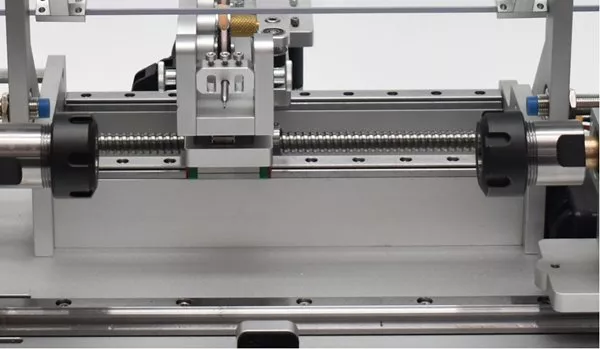
Lead screw accuracy grade optimization strategies focus on improving system efficiency and long term stability. Predictive maintenance systems help reduce unexpected failures in motion platforms. Digital monitoring enables real time tracking of performance deviations. Advanced machining techniques improve production consistency across batches. Automation integration enhances precision control in complex systems. Engineers continuously refine calibration methods to improve accuracy retention. Lifecycle analysis supports long term system upgrades and design improvements. These strategies ensure reliable performance in modern industrial environments.
FAQ
What does lead screw accuracy grade mean in mechanical systems?
Lead screw accuracy grade describes the precision level of a screw’s linear motion conversion. It defines how accurately rotational input becomes linear displacement in mechanical systems. Higher grades indicate tighter tolerance control and improved positioning consistency. Lower grades allow wider deviation ranges suitable for general applications. Engineers use this classification to evaluate suitability for CNC, automation, and precision equipment. It ensures predictable motion behavior and stable system performance across different industrial environments. Proper understanding of this grading system helps improve design accuracy and component selection efficiency in mechanical engineering applications.
How is lead screw accuracy grade determined in production?
Manufacturers determine lead screw accuracy grade through precise measurement and testing procedures. Laser interferometers measure linear deviation along the screw travel length with high precision. Results are compared against ISO or DIN tolerance standards to classify accuracy levels. Temperature and vibration controls are applied during testing to ensure measurement stability. Multiple samples are evaluated to confirm batch consistency and reduce variability. Statistical analysis supports final grading decisions for each production lot. This structured process ensures reliable classification and consistent performance in industrial applications requiring precision motion control systems.
Why does lead screw accuracy grade affect machine performance?
Lead screw accuracy grade directly impacts positioning precision and system stability in mechanical equipment. Higher accuracy reduces cumulative errors during repeated motion cycles. This improves repeatability in CNC machining, robotics, and automation systems. Lower accuracy grades may introduce vibration or drift, affecting output quality. Engineers rely on correct grade selection to ensure stable and predictable motion behavior. Proper grading improves efficiency, reduces maintenance needs, and extends equipment lifespan. It also enhances synchronization in multi axis systems, making it essential for high performance industrial applications requiring precise mechanical control.