Crucial Value Of A Custom Anchor Bolts Manufacturer In Heavy Industry
Industrial infrastructure demands robust structural support to secure heavy steel columns to deep concrete foundations. Engineering firms often require unique dimensions that standard hardware catalogs simply cannot provide. Selecting an experienced custom anchor bolts manufacturer ensures your project receives precisely fabricated structural components. These specialized components withstand extreme shear loads and heavy bending forces during operation. Quality fabricators utilize premium raw carbon steel to shape reliable threaded rods. They adhere strictly to international tensile requirements for safe load distribution. Project managers secure high structural integrity by partnering with these specialized industrial vendors. Such partnerships reduce the risk of structural shift under dynamic environmental stresses. Reliable fasteners prevent costly foundation movement in petrochemical plants and tall high-rise buildings.
Essential Engineering Codes And Foundation Anchor Standards
Structural engineers must calculate strict tensile and shear limits for every concrete base connection. Many heavy-duty applications demand specific materials like stainless steel concrete anchors to prevent oxidation and deterioration. Industry codes regulate these calculations to ensure maximum safety across commercial construction jobs. Fabricators must conform to ASTM standards such as F1554 for carbon steel bolts. These standards govern yield strength levels and elongation properties of the finished fasteners. Engineers must also inspect the concrete density before selecting a specific bolt design. Utilizing incorrect dimensions or weak steel alloys can lead to sudden structural failures. Experienced suppliers help contractors navigate these complex structural codes with absolute precision. Their technical expertise guarantees that every shipped batch of hardware matches the designated load plans.
Quality Verification and Steel Mill Certifications
Raw material verification represents the first line of defense against structural foundation errors. Industrial buyers must demand authentic Mill Test Reports for every shipment of steel. These documents prove the precise chemical composition of the metals used in production. Proper carbon levels determine the weldability and ultimate strength of heavy-duty anchors. Certifications also verify that the steel conforms to national tensile and yield metrics. Reliable suppliers perform independent laboratory testing to verify their raw material quality. They mark each batch with unique heat numbers for complete traceability. This documentation process prevents the introduction of low-quality steel into critical infrastructure projects. Furthermore, strict traceability helps companies pass safety audits conducted by local engineering authorities.
| Steel Grade | Yield Strength (KSI) | Tensile Strength (KSI) | Common Industrial Applications |
|---|---|---|---|
| ASTM F1554 Grade 36 | 36 Min | 58 - 80 | Light structural columns and poles |
| ASTM F1554 Grade 55 | 55 Min | 75 - 95 | Heavy industrial machinery bases |
| ASTM F1554 Grade 105 | 105 Min | 125 - 150 | High-strength structural connections |
Quality Assessment Practices Of A Custom Anchor Bolts Manufacturer
The mechanical differences between ASTM F1554 steel grades determine how fasteners perform under pressure. A reliable custom anchor bolts manufacturer will assist you to select the correct yield grade. For instance, Grade 36 provides sufficient ductile performance for light commercial buildings. In contrast, heavy industrial applications require the superior yield limits of Grade 55. High-stress environments demand Grade 105 to resist substantial dynamic forces in foundations. Each grade requires specific thermal treatment and tempering to achieve the designated tensile range. Purchasing agents must analyze these structural parameters to avoid ordering weak hardware. Experienced fabricators double-check these parameters before starting the cutting and threading process. Their attention to steel specifications guarantees the structural integrity of your heavy foundation.
Assessing Manufacturing Tolerances and Technical Capabilities
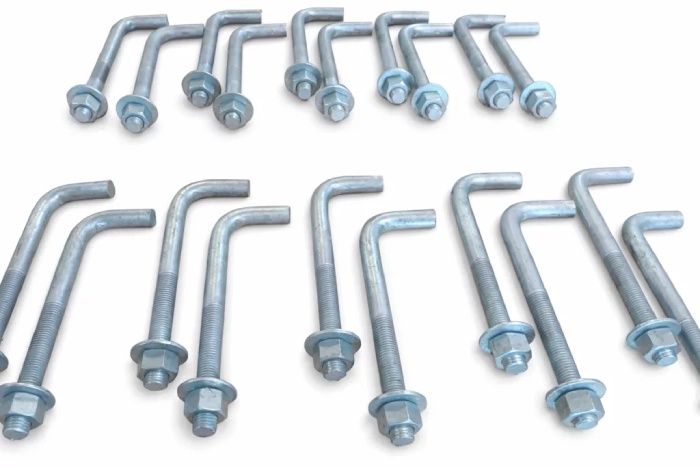
Heavy engineering projects depend heavily on exact physical dimensions and thread alignments. Precise threading guarantees that heavy hex nuts tighten properly during final structural assembly. Minor thread errors can cause severe installation delays on active job sites. Advanced fabrication shops utilize modern computerized threading lathes to maintain extremely tight tolerances. They calibrate these machines daily to prevent any cutting deviations on large batches. Quality inspectors measure thread pitch with calibrated ring gauges to confirm exact dimensions. Furthermore, specialized machines allow fabricators to handle large diameter rods with ease. Clients should select vendors who utilize state-of-the-art equipment for manufacturing operations. Modern machinery ensures consistent output across thousands of individual structural fasteners.
| Bolt Diameter (Inches) | Thread Type | Standard Tolerance Class | Maximum Allowable Tensile Load (Kips) |
|---|---|---|---|
| 0.75 Inches | UNC-2A Cut / Rolled | Class 2A | 20.5 Kips |
| 1.00 Inch | UNC-2A Cut / Rolled | Class 2A | 37.2 Kips |
| 1.50 Inches | 8-UN Thread Series | Class 2A | 84.4 Kips |
Analysis Of Thread Types And Dimensional Tolerances
Selecting the ideal thread type ensures the overall structural integrity of the heavy foundation connection. Standard UNC-2A threads represent the industry norm for most heavy industrial bolt installations. They provide excellent ease of assembly even in dusty concrete environments. In contrast, larger bolt diameters often require the specialized eight-thread series. This dense thread pattern provides extra surface contact to resist high tensile forces. Tight tolerance classes prevent the nut from backing off under constant operational vibration. Engineers must double-check these calculations to guarantee that field connections fit perfectly. Professional fabrication shops test every thread with precision pitch templates before delivery. Thorough testing prevents expensive field modifications during the concrete pouring phase.
Choosing Corrosion Resistant Coating Options For Marine Environments
Harsh environmental conditions degrade untreated steel components over decades of continuous service. Industrial construction sites near coastlines face extreme risks from salt spray and humidity. Project managers rely on an experienced custom anchor bolts manufacturer to recommend durable protective coatings. The choice of coating directly impacts the operational lifespan of the entire concrete foundation. Proper coatings prevent oxidation from weakening the underlying structural steel elements. Fabricators offer several treatment options depending on your specific environmental challenges.They help you choose the best technology for your structural needs. The following list highlights the primary protective coatings used in heavy industrial fastening projects. Selecting the wrong finish can accelerate galvanic corrosion and jeopardize building safety.
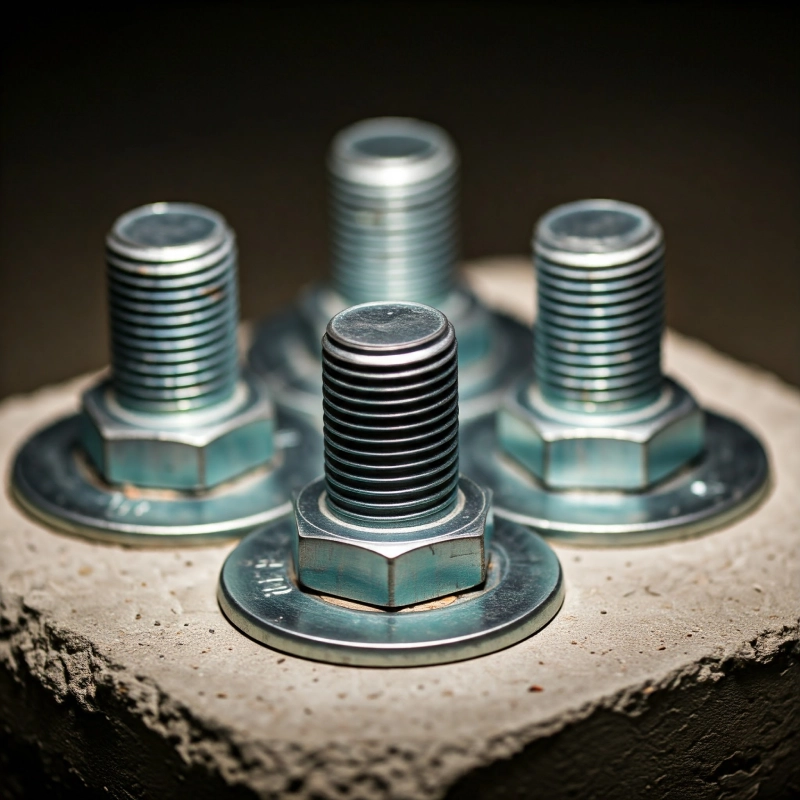
Hot-Dip Galvanizing: Offers a thick zinc barrier layer that protects steel against physical wear and moisture.
Zinc Plating: Provides a thin protective layer suitable for dry indoor applications requiring moderate rust resistance.
Epoxy Coatings: Delivers exceptional resistance against corrosive chemicals and harsh industrial cleaning agents.
Teflon Coating: Reduces friction during installation while providing solid barrier protection against chemical reactions.
Deep Evaluation Of Zinc Plating And Hot-Dip Galvanizing
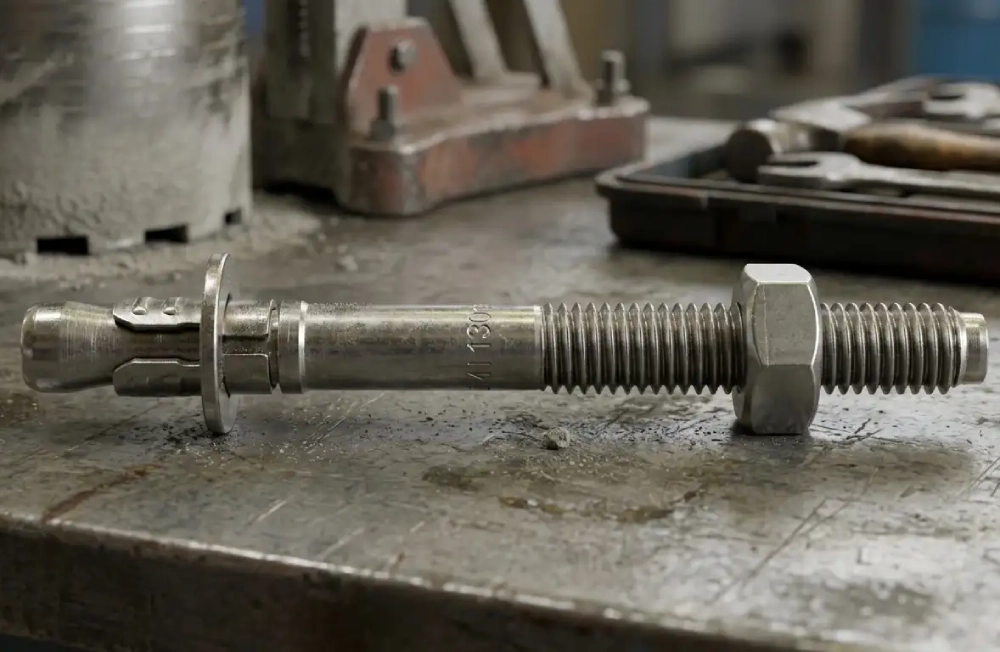
Hot-dip galvanizing remains the premier choice for outdoor infrastructure due to its superior thickness. The metallurgical bond between zinc and steel creates a durable shell that resists harsh impact. In contrast, zinc plating serves dry interior projects where moisture exposure remains extremely low. Some projects require high corrosion resistance without the added thickness of industrial coatings. For these specific situations, engineers utilize heavy-duty stainless steel wedge anchors to secure equipment safely. These specialized components offer inherent rust resistance throughout the entire cross-section of the metal. They eliminate the danger of coating scratches that lead to localized rust. Contractors save substantial maintenance costs by selecting the correct alloy combination during initial design stages. Their choice ensures the safety of the entire connection for decades.
Evaluating Partner Logistics And Turnaround Performance
Heavy construction projects operate on tight schedules where delivery delays incur massive financial penalties. Choosing a fast-acting custom anchor bolts manufacturer prevents these costly project interruptions entirely. You should assess their daily output capacity before signing a long-term supply agreement. Efficient fabricators maintain deep stockpiles of standard steel rounds to expedite urgent fabrication orders. They coordinate closely with local freight carriers to manage complex shipping logistics. This close coordination guarantees that heavy cargo arrives on site exactly when needed. Furthermore, reliable suppliers offer real-time tracking updates for peace of mind during transport. Project coordinators must demand clear communication regarding manufacturing lead times and shipping schedules. These measures protect your construction timeline from unexpected supply chain bottlenecks.
FAQ
What certifications should a custom anchor bolts manufacturer possess?
A qualified custom anchor bolts manufacturer must possess ISO 9001 quality management credentials. This certification ensures consistent fabrication processes and strict material inspection methods. Furthermore, look for suppliers with welding certifications from the American Welding Society. These credentials prove that their welders can handle high-strength structural assemblies. Buyers should also request complete material traceability reports for every project. These reports trace the raw steel directly back to the original melting mill. Meeting these global standards guarantees that your heavy fasteners can withstand extreme operational tension. Independent testing labs verify these results to ensure compliance with structural engineering requirements.
How does thread type affect the structural performance of heavy-duty anchor bolts?
Thread types determine the distribution of tensile stress across the body of the fastener. Rolled threads retain the original grain flow of the steel for superior durability. This manufacturing method increases resistance to fatigue failures in high-vibration machinery foundations. Cut threads, conversely, remove steel material to form the required pitch profile. Fabricators select this technique for larger diameter bolts with custom thread requirements. Properly matched threads prevent stripping when contractors apply high installation torque. Choosing the correct thread series avoids structural loosening during active factory operations. Engineers must evaluate these physical properties to secure heavy machinery bases.
Why is steel grade selection critical for heavy industrial foundations?
Steel grades dictate the maximum load capacity of your structural fastening system. Selecting a low-strength steel grade can cause disastrous foundation failure under heavy shear forces. High-yield steel alloys provide the necessary elasticity to absorb sudden physical impacts safely. These advanced alloys prevent permanent deformation of the bolts during extreme weather events. Engineers specify grades like ASTM F1554 based on dynamic structural calculations. Correct steel grades also ensure compatibility with structural concrete base plates. Furthermore, matching the steel grade to environmental conditions prevents premature structural degradation. Project managers protect massive investments by strictly adhering to these engineered material specifications.