Optimizing Industrial Systems with Reliable Components
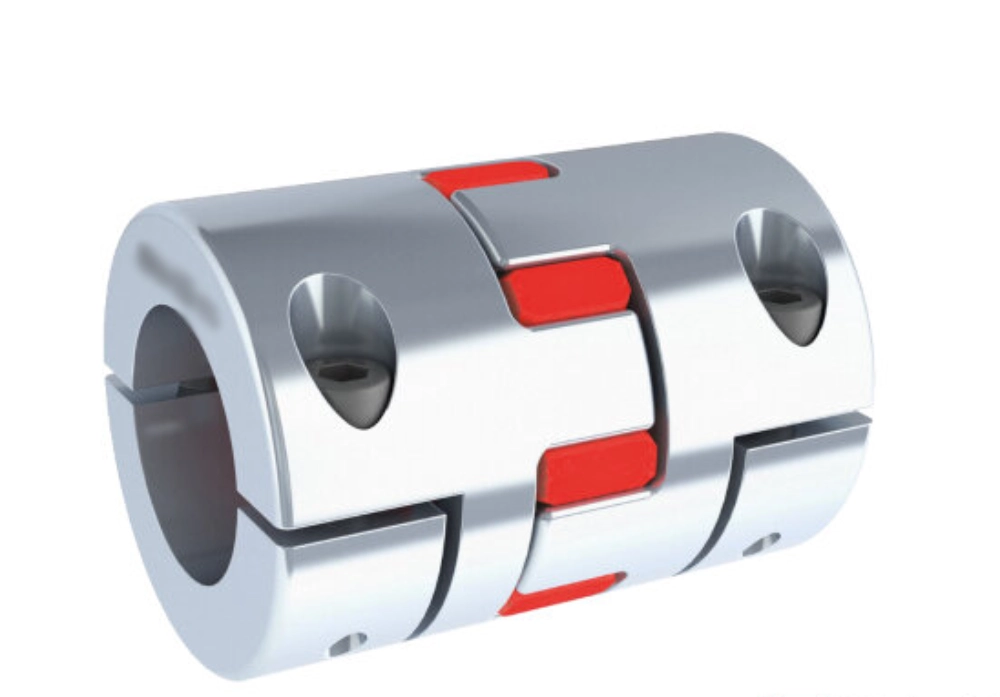
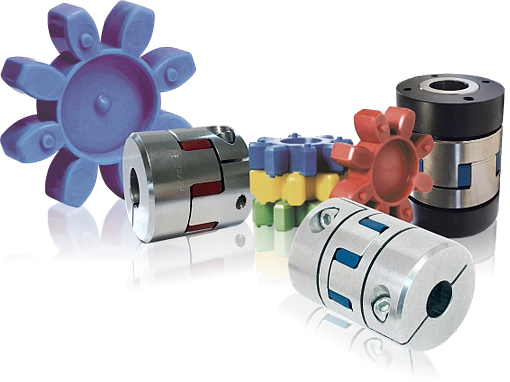
Industrial drive systems require durable power transmission components to minimize sudden mechanical breakdowns. Selecting the correct elastomeric coupling spider material directly impacts machinery lifespan and overall operational efficiency. This critical insert absorbs harmful shock loads and accommodates axial shaft misalignment during high-speed rotation. Engineers must analyze specific operational factors before specifying a final replacement insert. Choosing the wrong compound often leads to premature failure and costly system downtime. Different operating environments demand specific polymer characteristics to handle torque variations. Temperature, chemical exposure, and mechanical load represent the primary criteria for evaluation. Proper selection ensures your machinery runs smoothly under diverse factory conditions. Power transmission units achieve optimal longevity when utilizing premium quality components. System operators can reduce routine maintenance costs with correct installation.
Evaluating Shore Hardness and Torsional Stiffness
Shore hardness represents a fundamental physical property of any jaw coupling insert. Harder inserts provide higher torque capacity but offer less misalignment capability. Conversely, softer materials excel at absorbing heavy vibrations and shock loads. Balancing these opposing mechanical properties is critical for rotating machinery health. A Flexible coupling elastomeric coupling relies heavily on proper hardness selection. High torsional stiffness prevents angular displacement during rapid startup sequences. However, excessive stiffness transfers stress directly to the connected shafts and bearings. Technical designers must verify the system alignment limits before choosing a hardness level. Standard hardness ratings range from 80 Shore A to 64 Shore D. Most industrial setups operate efficiently within this common hardness spectrum. Plant maintenance teams should monitor wear patterns to detect early degradation.
Analyzing Nitrile Rubber Properties and Performance
Nitrile butadiene rubber remains a classic elastomer choice for various coupling configurations. This material offers exceptional resistance to common industrial oils and greases. It performs reliably within a standard temperature envelope from minus forty degrees to one hundred degrees Celsius. Standard hydraulic systems frequently employ these cost-effective inserts for daily operations. However, nitrile exhibits moderate tensile strength compared to modern synthetic urethanes. Ozone exposure and direct sunlight degrade natural nitrile compounds over time. For this reason, indoor manufacturing plants represent the primary application environment. Industrial distributors stock these components in massive quantities for quick replacement. Maintenance crews appreciate the ease of installing these flexible rubber inserts. Procurement managers select this material to achieve immediate cost savings. Reliable operation under normal load conditions validates this long-standing industry preference.
Why Polyurethane Is a Durable Coupling Insert Material
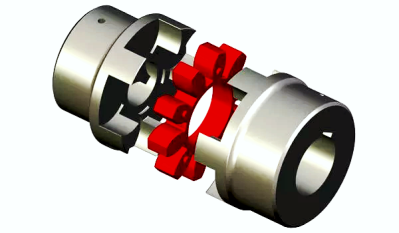
Polyurethane stands out as a high-performance alternative to standard nitrile compounds. This material delivers excellent tensile strength and superior load-bearing capabilities. Heavy duty machinery benefits from the exceptional abrasion resistance of polyurethane inserts. Furthermore, polyurethane displays great tolerance against cyclic fatigue under high torque loads. Chemical resistance remains impressive, especially when facing harsh solvents and atmospheric ozone. Standard manufacturing processes utilize polyurethane to achieve a perfect balance of flexibility and strength. Most factories run these inserts in demanding power transmission environments. They survive much longer than traditional rubber components in dusty settings. Facility managers specify polyurethane to reduce the frequency of planned shutdown maintenance. Operating lifetime increases significantly when systems upgrade to this durable elastomer. Heavy machinery operators report excellent performance under severe vibration conditions.
Reviewing Hytrel and High Performance Thermoplastics
| Material | Shore Hardness | Temperature Range (°C) | Main Feature |
|---|---|---|---|
| Nitrile Rubber (NBR) | 80 Shore A | -40 to 100 | Excellent Oil Resistance |
| Polyurethane (Urethane) | 92 to 98 Shore A | -35 to 80 | High Abrasion Resistance |
| Hytrel (Thermoplastic) | 55 to 64 Shore D | -50 to 120 | Extreme Torque Capacity |
Comparing Elastomeric Coupling Spider Material Options
Our comparison table illustrates the clear differences between common elastomer options in the market. Each unique elastomeric coupling spider material presents distinct operational benefits for specific machine configurations. Nitrile rubber provides standard flexibility and highly cost-effective replacement opportunities for light duties. Polyurethane increases the torque capability while preserving necessary dampening features for daily activities. Thermoplastic polyester elastomers like Hytrel deliver the highest torsional stiffness for heavy applications. Engineers must evaluate these physical metrics to prevent system mismatches during installation. Selecting based on hardness alone ignores critical environmental factors like temperature thresholds. Proper matching yields optimal operation without experiencing sudden insert disintegration in service. Standard B2B procurement processes benefit immensely from comparing these hard data points. Industrial maintenance teams save significant budget when choosing materials using factual metrics.
| Chemical Agent | Nitrile Rubber | Polyurethane | Hytrel Thermoplastic |
|---|---|---|---|
| Petroleum Oils | Excellent | Good | Excellent |
| Strong Acids | Poor | Fair | Good |
| Atmospheric Ozone | Poor | Excellent | Excellent |
Detailed Analysis of the Material Comparison Data
Evaluating chemical resistance data helps prevent physical decay of your coupling inserts. Chemical contact alters the molecular bonds within an elastomeric coupling spider material over time. For example, nitrile rubber performs poorly when exposed to atmospheric ozone or strong acids. However, polyurethane displays superior ozone protection but degrades under extreme acidic concentrations. Hytrel provides the most comprehensive defense against standard petroleum solvents and mild industrial acids. Using this detailed comparison, engineers select compounds that withstand aggressive chemical atmospheres successfully. Plant operators should inspect environments for splash risks before ordering new hardware packages. Proper planning eliminates premature cracking and preserves original torque transmission ratings under stress. Our technical breakdown leads your team toward the correct choice for chemical safety. Purchasing departments avoid expensive ordering mistakes by utilizing these verified chemical resistance tables.
Evaluating Flexible Insert Compound Temperature Limits
Operating temperature represents a primary driver of elastomeric coupling insert degradation. Extreme heat accelerates polymer aging and reduces the maximum torque capacity significantly.Conversely, freezing temperatures make elastomer elements brittle and highly susceptible to sudden fracture. Industrial systems must operate within defined thermal limits to ensure continuous production. Our engineering team compiles the critical environmental threats to watch:
Ambient temperature spikes during summer factory operations
High speed friction radiating from nearby motor bearings
Corrosive chemical vapors floating through manufacturing areas
Constant ultraviolet light exposure on outdoor machinery setups
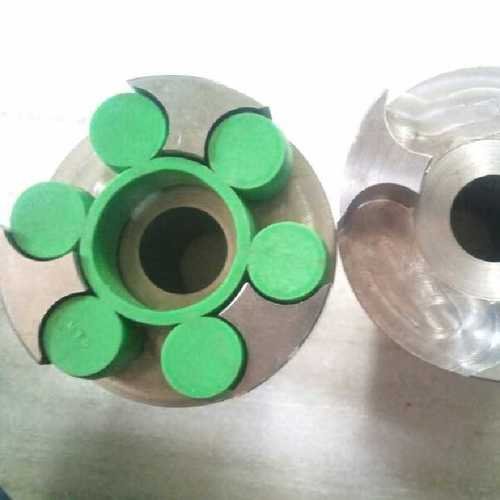
These specific factors alter material performance and shorten component operational life. Maintenance supervisors must observe these thermal conditions during routine plant checks. Correct environmental assessment prevents sudden mechanical failures during critical production runs.
Explaining how Flexible Insert Compound Resists Chemicals
Analyzing environmental factors reveals how various atmospheric hazards attack mechanical inserts directly.Ultraviolet radiation breaks polymer chains, causing fine cracks to develop on exposed surfaces. Corrosive vapors from chemical processes speed up material softening and structural loss.
Furthermore, localized friction from adjacent bearings transfers thermal energy directly to the element. A heavy Shaft coupling torque coupling must endure these harsh operating conditions simultaneously. Selecting an incorrect compound results in rapid swelling or complete material degradation. Experienced technicians verify nearby heat sources before completing their machinery alignment tasks. Protecting the coupling from direct fluid splashes extends operational life significantly. Our detailed engineering recommendations assist your engineering department with finding the right balance. Standard preventative maintenance schedules should include regular visual checks for surface cracking. Plant performance remains steady when operators replace worn components before failure occurs.
Selecting the Right Elastomeric Coupling Spider Material for Your Application
Final selection requires careful evaluation of system torque, speed, and alignment variance. Industrial operators must compile all environmental data before selecting their final purchase option. Choosing the correct flexible insert compound minimizes severe wear on expensive connected shafts. High speed applications typically demand stiffer polyurethane or thermoplastic inserts to prevent deformation. Conversely, standard motor drives with potential alignment shifts benefit from softer nitrile rubber elements. Plant managers should consult manufacturer specification catalogs to verify exact load limits. Our technical support staff provides comprehensive assistance to help identify your specific requirements. Ordering the wrong polymer leads to expensive replacement projects and immediate production loss. Implementing the appropriate material ensures long term system stability and lower maintenance costs. Investing time in initial engineering evaluation yields major savings over many years.
FAQ
What is the most common elastomer used in coupling spiders?
Nitrile rubber represents the most common choice for general industrial operations. This inexpensive material handles light to medium loads while offering good resistance to industrial oils. Most manufacturing plants select nitrile inserts for standard hydraulic pumps and simple motor drives. However, severe high-torque applications usually require upgrading to stronger polyurethane materials. Polyurethane offers much better tensile strength and higher resistance to physical wear. Technical buyers must evaluate both operating conditions and load dynamics. Choosing a premium elastomeric coupling spider material ensures reliable long-term operations for critical machinery. Proper specification minimizes premature component wear. Maintenance teams appreciate the low replacement cost of these standard rubber inserts.
How does temperature affect spider lifespan?
When should a metal insert replace an elastomer?
Metal inserts like bronze should replace elastomers in high-temperature or extreme load applications. Standard polymers melt or lose structural integrity when exposed to extreme industrial heat. Bronze spiders tolerate much higher operating temperatures and massive torsional forces. However, metallic inserts offer very little vibration dampening compared to rubber or polyurethane. They require highly precise shaft alignment during installation to prevent excessive machinery wear. Technical planners select metal components only when environmental conditions exceed standard elastomer capabilities. Consulting engineering catalogs helps clarify these distinct operational limits for your system. Premium metallic components ensure long-term reliability in specialized heavy industrial machinery environments. Maintenance managers utilize metallic options to survive severe continuous-duty operating conditions.