Why Are Packaging Machinery Components Handles Knobs Important For Industrial Equipment
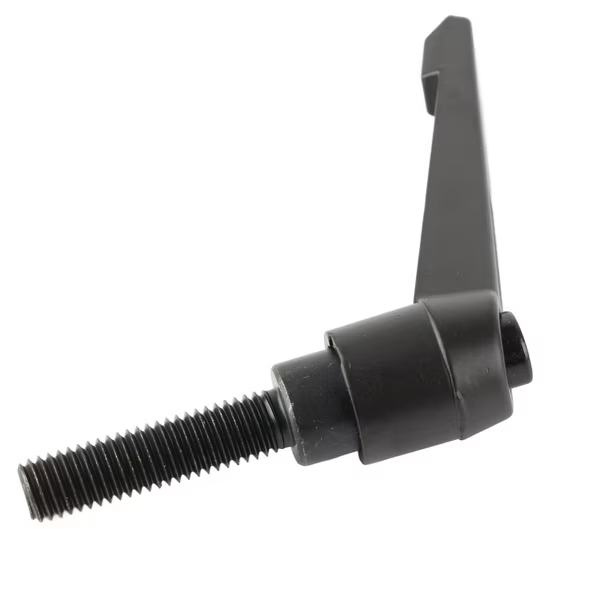
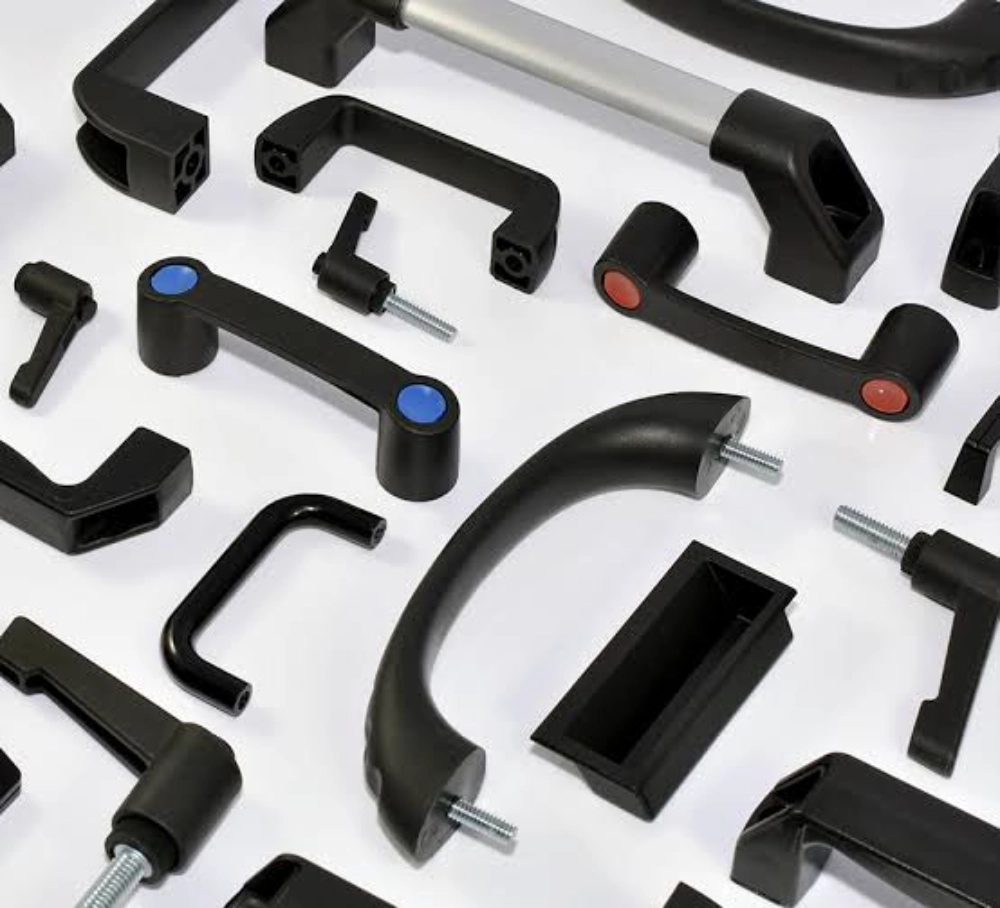
Packaging machinery components handles knobs play an essential role in modern packaging systems because they directly affect machine operation, adjustment efficiency, and user safety. Packaging equipment often works under continuous production conditions, where operators need reliable control elements for positioning, tightening, and adjustment tasks. Handles and knobs may appear small, but their quality influences equipment stability and maintenance frequency. Food packaging machines, pharmaceutical systems, and automated filling lines require components that provide consistent performance. Professional buyers should evaluate material strength, ergonomic design, mounting compatibility, and supplier capabilities before making purchasing decisions. Selecting suitable components helps companies reduce downtime and improve overall production efficiency in demanding industrial environments.
How Do Material Properties Affect Industrial Handle And Knob Performance
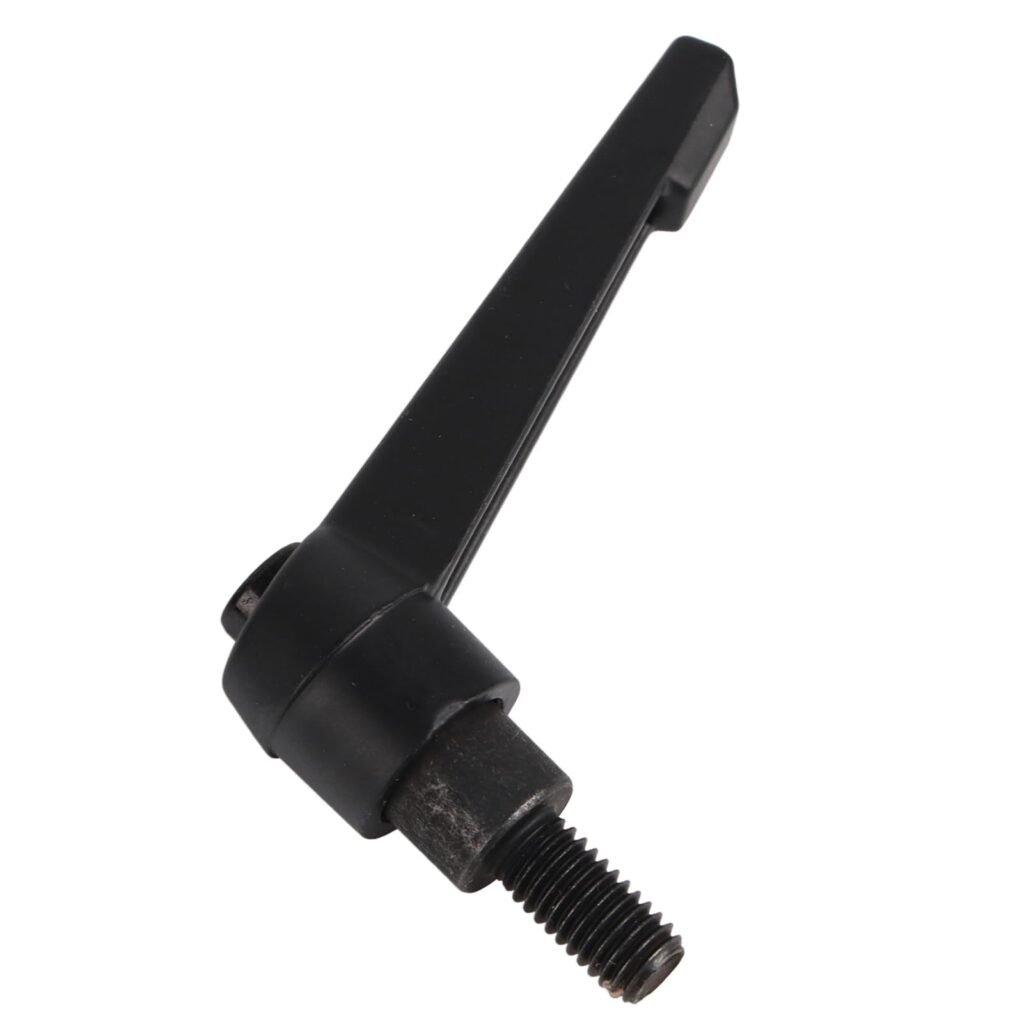
Material selection determines how handles and knobs perform under different operating conditions. Engineering plastics such as PA, ABS, and POM provide excellent insulation, lightweight construction, and resistance against daily wear. These materials suit packaging machines used in clean production environments where corrosion risks remain low. Stainless steel options provide higher strength and better resistance against moisture, chemicals, and frequent cleaning processes. Aluminum alloy components offer a balance between durability and reduced weight, making them suitable for equipment requiring flexible operation. Buyers should consider temperature exposure, cleaning methods, mechanical loads, and workplace conditions before selecting materials. The correct material choice improves service life and reduces replacement frequency during long-term machine operation.
What Design Features Improve Equipment Operation Efficiency
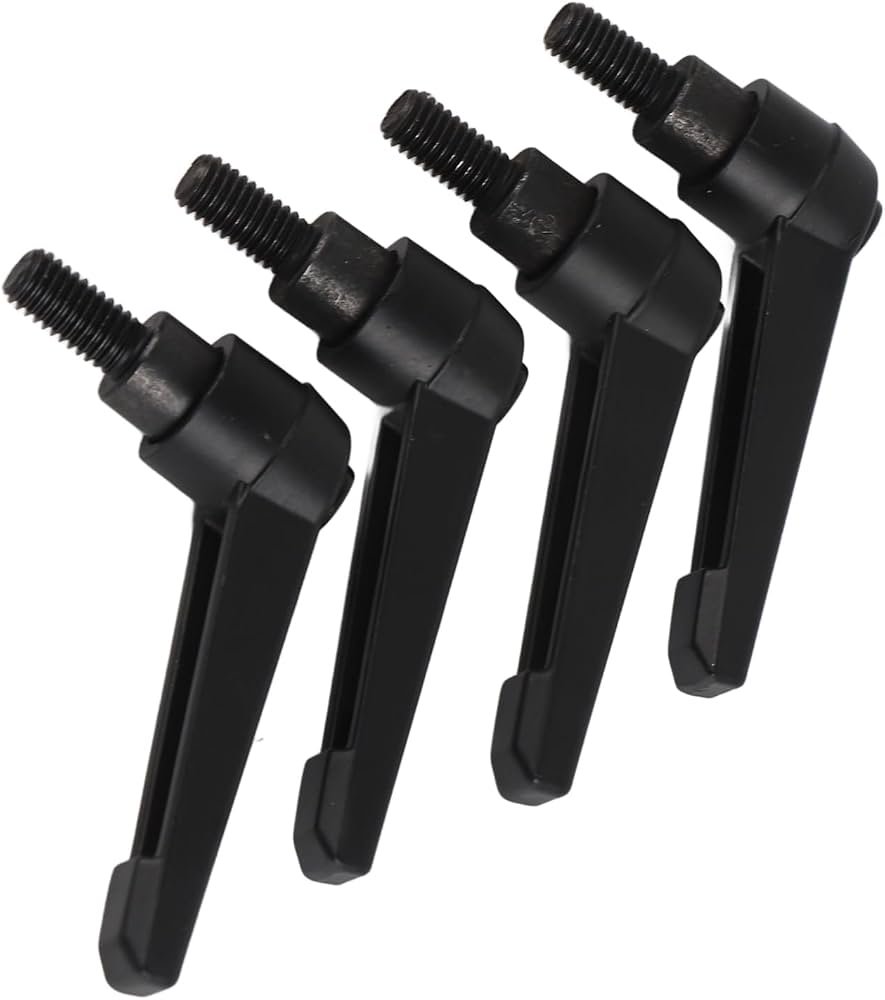
Industrial handle and knob designs influence operator comfort, adjustment accuracy, and equipment reliability. Ergonomic structures allow workers to control machines with less effort during repeated operations. Thread size, mounting depth, and connection methods must match the equipment structure to prevent installation problems. Some packaging systems require locking knobs to maintain stable settings during vibration or continuous movement. Surface textures also affect grip performance, especially in environments where operators wear protective gloves. Precision milled components can provide accurate dimensions and consistent finishing quality for specialized industrial applications. Manufacturers should evaluate design details carefully because small structural differences can affect machine performance, maintenance convenience, and operator experience over extended production periods.
How To Evaluate Quality Standards For Packaging Machine Components
Quality evaluation is a critical step when selecting packaging machinery components handles knobs for industrial applications. Professional buyers should check manufacturing accuracy, surface treatment, mechanical strength, and inspection procedures before cooperation. Reliable suppliers usually apply strict quality control methods throughout production, including material verification, dimensional inspection, and functional testing. Components used in packaging equipment must maintain stable performance despite repeated adjustments and environmental changes. A supplier with advanced manufacturing processes can provide consistent product quality and reduce risks caused by inaccurate dimensions or weak materials. Evaluating quality standards before purchasing helps companies achieve better equipment reliability and maintain smoother production operations.
| Material Type | Main Advantages | Typical Applications | Key Considerations |
|---|---|---|---|
| Engineering Plastic | Lightweight, corrosion resistant, electrical insulation | Food packaging machines and clean production systems | Avoid excessive heat and heavy mechanical loads |
| Stainless Steel | High strength, chemical resistance, long service life | Pharmaceutical and industrial packaging equipment | Higher cost compared with plastic solutions |
| Aluminum Alloy | Low weight, good strength, easy handling | Automation systems requiring frequent adjustments | Requires suitable surface treatment |
How Do Material Choices Influence Packaging Equipment Reliability
Material selection directly influences equipment reliability because packaging systems often operate under demanding production schedules. Different industries require different component characteristics based on environmental conditions and cleaning requirements. Stainless steel materials perform well in applications involving humidity, chemical exposure, and repeated sanitation procedures. Plastic materials remain suitable for lightweight applications where electrical insulation and cost efficiency are important. Aluminum solutions provide balanced performance when equipment requires frequent manual adjustments. Companies should evaluate operating temperatures, contact materials, cleaning agents, and mechanical pressure before choosing suitable options. Proper material selection reduces unexpected failures and supports stable production cycles. Packaging machinery components handles knobs with appropriate material characteristics can improve machine lifespan and provide better value for industrial buyers.
What Factors Should Buyers Check Before Ordering Machine Components
Industrial buyers need a structured evaluation process before ordering machine handles and adjustment parts. A reliable purchasing decision should consider technical requirements, supplier experience, and future maintenance demands. Important evaluation points include:
- Application environment and exposure conditions
- Component dimensions and installation compatibility
- Load capacity and mechanical performance
- Material certifications and inspection records
- Custom manufacturing capability
- Production capacity and delivery reliability
These factors help companies compare suppliers more effectively and avoid problems caused by unsuitable specifications. Professional suppliers can provide technical support during selection, helping customers match components with different packaging equipment structures. Careful evaluation also improves supply chain stability and reduces additional costs caused by frequent replacements or production interruptions.
How Can Buyers Select A Reliable Supplier For Industrial Components
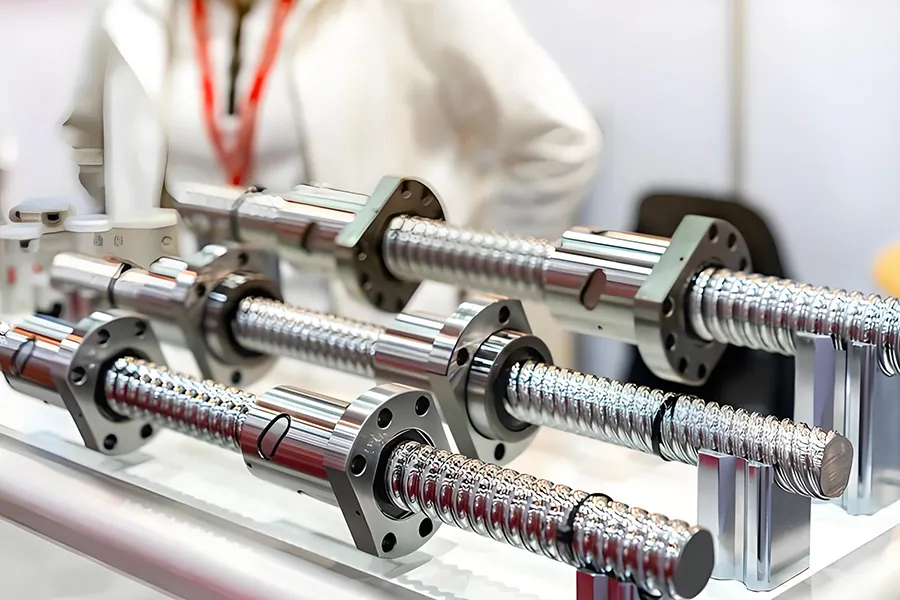
Supplier capability directly affects the consistency and performance of packaging machine parts. Experienced manufacturers usually provide stronger technical support, better production control, and flexible customization options. Buyers should review manufacturing equipment, quality systems, and previous industrial experience before establishing cooperation. Suppliers with CNC machining, injection molding, and surface treatment capabilities can manage various component requirements more effectively. Stainless steel precision machined parts are often produced for applications requiring strict dimensional accuracy and excellent corrosion resistance. A professional supplier should also provide clear communication, reliable delivery schedules, and inspection documentation. These factors create a stable purchasing relationship and help companies maintain consistent equipment performance across different production lines.
Why Do Custom Solutions Matter For Packaging Machinery Applications
Customized components provide better compatibility with specialized packaging equipment designs. Standard products may not always match unique machine structures, especially when manufacturers develop new automation systems or upgrade existing production lines. Custom solutions allow adjustments in dimensions, thread types, materials, colors, and surface finishes. This flexibility helps equipment manufacturers improve operational efficiency and reduce installation difficulties. Professional suppliers can analyze application requirements and recommend suitable designs based on machine conditions. Custom manufacturing also supports brand consistency because companies can create components that match their equipment appearance and technical specifications. For industrial buyers, customized solutions provide long-term advantages by improving reliability, reducing modification costs, and supporting future equipment development.
| Evaluation Factor | Important Requirement | Business Impact |
|---|---|---|
| Material Quality | Suitable strength and environmental resistance | Improves component durability |
| Manufacturing Accuracy | Stable dimensions and consistent production | Ensures proper machine assembly |
| Inspection Process | Complete quality checking procedures | Reduces operational risks |
| Customization Support | Flexible design and production options | Matches special equipment requirements |
How Does Supplier Expertise Improve Component Selection
Supplier expertise helps buyers select suitable components through technical knowledge and practical manufacturing experience. Professional suppliers have deep knowledge of different packaging equipment structures and can recommend appropriate solutions based on operating conditions. They evaluate factors such as installation space, mechanical pressure, frequency of adjustment, and cleaning requirements. Strong engineering support also helps prevent specification errors during early purchasing stages. Reliable manufacturers often combine production experience with quality management systems to maintain stable output. Their knowledge of materials, machining methods, and finishing processes supports better product decisions. After reviewing technical requirements, suppliers can suggest improvements that enhance equipment performance. This cooperation reduces procurement risks and helps companies build long-term supply relationships with dependable industrial component partners.
How To Choose Packaging Machinery Components Handles Knobs For Long-Term Use
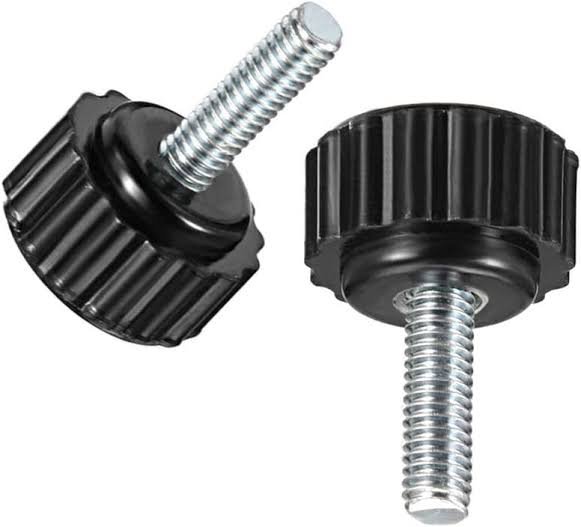
Choosing packaging machinery components handles knobs requires careful attention to durability, compatibility, and supplier reliability. Industrial buyers should focus on components that maintain stable performance during repeated operation cycles. High-quality handles and knobs should provide strong mechanical resistance, comfortable operation, and accurate installation. Buyers should also evaluate whether suppliers can support customized production, consistent quality control, and future replacement needs. Components with suitable materials and precise manufacturing can reduce maintenance frequency and improve equipment availability. Long-term purchasing decisions should consider total operating value instead of only initial costs. A dependable solution supports smoother production, improves operator efficiency, and helps packaging equipment maintain reliable performance throughout its service life.
What Are Common Mistakes When Selecting Machine Handles And Knobs
Many buyers make selection mistakes by focusing only on price while ignoring technical requirements. Low-cost components may create problems when materials cannot withstand production environments or frequent operation. Another common issue involves choosing incorrect dimensions, which can cause installation difficulties and additional modification work. Some companies also overlook supplier production capability and inspection standards before placing orders. These decisions may increase maintenance costs and reduce equipment efficiency over time. Buyers should evaluate complete product information, including material properties, design specifications, and manufacturing processes. A careful selection approach helps companies avoid unnecessary expenses and ensures that machine components deliver reliable performance in demanding packaging applications.
FAQ
What materials are commonly used for packaging machinery handles and knobs?
Packaging machinery handles and knobs commonly use engineering plastics, stainless steel, and aluminum alloys. Engineering plastics such as PA, ABS, and POM provide lightweight structures, good wear resistance, and electrical insulation. Stainless steel offers excellent strength, corrosion resistance, and chemical durability for demanding environments. Aluminum alloys provide reduced weight with reliable mechanical performance. Buyers should select materials based on operating temperature, cleaning processes, mechanical stress, and production conditions. The correct material improves service life and reduces replacement requirements. Professional suppliers can recommend suitable options by evaluating equipment applications, environmental factors, and performance expectations.
How can buyers verify the quality of industrial handles and knobs?
Buyers can verify quality by reviewing material specifications, dimensional accuracy, inspection methods, and supplier manufacturing capabilities. Reliable suppliers usually provide quality records, product samples, and technical documentation before cooperation. Important checks include thread accuracy, surface finishing, load performance, and resistance against environmental conditions. Companies should also evaluate production equipment and quality management procedures to confirm stable manufacturing ability. A supplier with strong inspection processes can reduce risks caused by inconsistent dimensions or material defects. Detailed verification helps buyers select components that support reliable machine operation and maintain consistent performance during long-term industrial use.
Why should companies choose customized packaging machine components?
Companies choose customized packaging machine components because different equipment designs often require specific dimensions, materials, and installation methods. Standard products may not fully match specialized machinery structures or unique production requirements. Custom solutions allow manufacturers to adjust designs according to space limitations, operating conditions, and functional needs. This approach improves compatibility and reduces installation challenges. Customized components can also support equipment upgrades and improve overall appearance consistency. Working with experienced suppliers allows companies to receive technical recommendations throughout the development process. Custom manufacturing provides better flexibility, stronger equipment integration, and improved long-term value for packaging machinery applications.