Marine Stainless Steel CNC Parts 316L Selection Factors For Reliable Marine Applications
Marine applications require components that maintain strength, accuracy, and corrosion resistance under harsh conditions. Reliable marine stainless steel cnc parts 316l provide stable performance for vessels, offshore platforms, and underwater systems. Saltwater exposure creates serious challenges because chloride ions can attack ordinary metals over time. Buyers need to evaluate material quality, machining capability, and supplier experience before ordering customized components. 316L stainless steel contains molybdenum, which improves resistance against pitting corrosion in marine environments. Precision manufacturing also ensures stable assembly and long service life. Selecting suitable components requires attention to raw materials, machining standards, inspection procedures, and production consistency. A qualified supplier can provide reliable solutions for demanding marine applications. Proper evaluation helps companies reduce maintenance costs and improve equipment reliability.
Material Characteristics Of 316L Stainless Steel For Ocean Environments
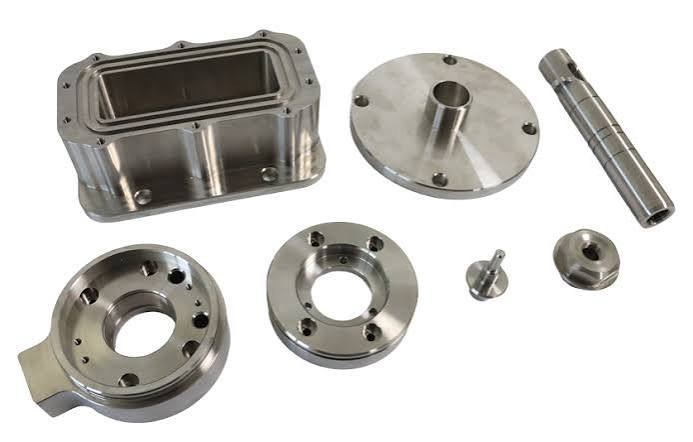
316L stainless steel contains chromium, nickel, and molybdenum elements that enhance durability in marine conditions. Chromium creates a passive oxide layer that protects the surface from oxidation. Nickel improves toughness and maintains structural stability during temperature changes. Molybdenum increases resistance against chloride corrosion and reduces the risk of pitting damage. Compared with 304 stainless steel, 316L performs better in seawater environments and coastal applications. The low carbon content reduces carbide precipitation during welding operations. This advantage helps maintain corrosion resistance after fabrication processes. Manufacturers often select 316L for marine valves, connectors, shafts, brackets, and mechanical fittings. Proper material selection directly affects service life and operational safety. Reliable suppliers should provide material certificates and chemical composition reports before production begins.
| Material Type | Main Elements | Marine Performance | Typical Applications |
|---|---|---|---|
| 304 Stainless Steel | Chromium and Nickel | Moderate corrosion resistance | General hardware and indoor equipment |
| 316L Stainless Steel | Chromium, Nickel, Molybdenum | Excellent saltwater corrosion resistance | Marine equipment and offshore components |
| Titanium Alloy | Titanium elements | Superior corrosion protection | High-performance marine systems |
Material Comparison Helps Buyers Select Suitable Marine Components
Material comparison allows purchasing teams to choose suitable solutions according to operating conditions. 316L stainless steel provides a strong balance between durability, corrosion resistance, and production cost. Titanium offers excellent performance but requires higher investment and specialized processing. 304 stainless steel works for mild environments but has limitations under continuous saltwater exposure. Professional buyers should consider service requirements instead of focusing only on initial prices. Stainless steel precision machined parts often use 316L because the material supports complex designs while maintaining mechanical strength. Advanced CNC equipment can create stable structures with accurate dimensions. Proper material evaluation reduces replacement frequency and improves long-term value. Suppliers with technical knowledge can recommend suitable materials based on application environments, loading conditions, and expected service periods.
CNC Machining Accuracy Requirements For Marine Components
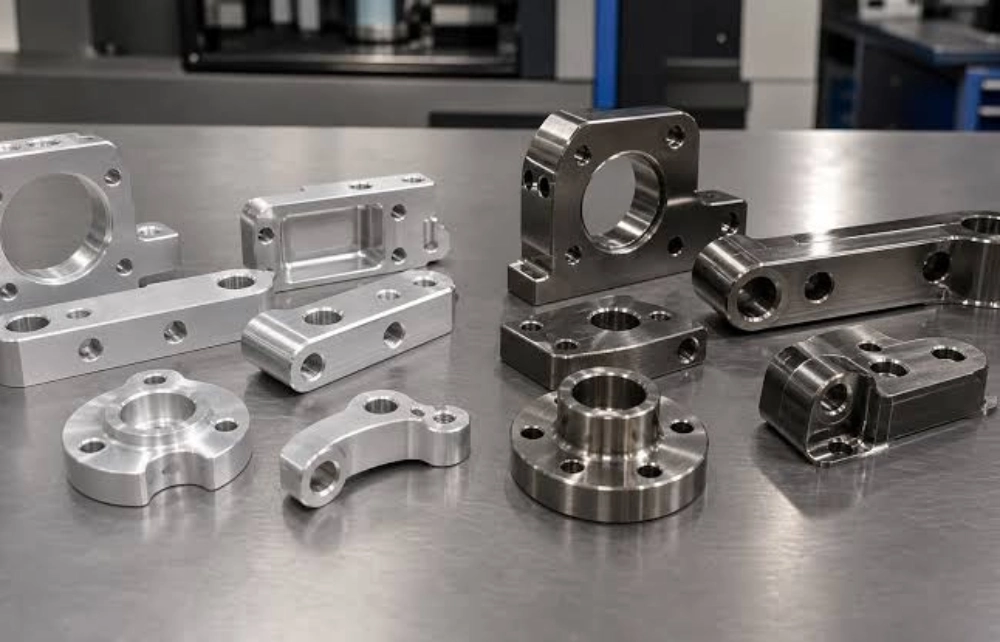
CNC machining accuracy directly affects marine equipment performance and assembly reliability. Components used in marine systems often require strict tolerances because small dimensional errors may influence installation and operation. Advanced machining centers support milling, turning, drilling, and multi-axis processing for complex structures. Engineers review technical drawings, tolerance requirements, and functional conditions before manufacturing begins. Accurate programming and proper tooling selection help maintain consistent production quality. Precision CNC machined parts require stable machine performance, experienced operators, and continuous inspection procedures. Quality control teams verify critical dimensions throughout production to prevent errors. High machining accuracy reduces adjustment work during assembly and improves equipment stability. Selecting manufacturers with advanced CNC capabilities helps buyers achieve reliable results for customized marine components.
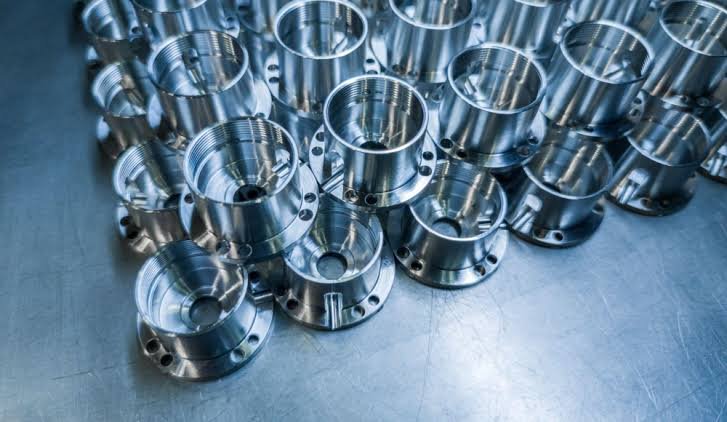
CNC Manufacturing Process Ensures Stable Marine Stainless Steel Quality
A complete manufacturing process includes material preparation, CNC machining, surface finishing, and final inspection. Suppliers first verify incoming 316L stainless steel through chemical analysis and certification review. Engineers then prepare machining programs according to technical drawings and product requirements. CNC machines remove material with controlled cutting parameters to maintain dimensional accuracy. Operators monitor tool wear, temperature, and processing conditions during production. After machining, technicians remove burrs and improve surface quality through suitable finishing methods. Final inspections confirm dimensions, appearance, and functional requirements before delivery. A controlled production process helps manufacturers maintain consistent quality across different order volumes. Reliable quality management also reduces production risks and supports long-term cooperation with marine equipment buyers.
Surface Finishing Methods Improve Marine Component Durability
Surface finishing plays an important role in corrosion protection, appearance, and maintenance performance. Marine components often face moisture, salt spray, and chemical exposure during operation. Electropolishing removes microscopic surface impurities and creates a smoother metal surface. Passivation strengthens the natural protective oxide layer of stainless steel. Bead blasting produces a uniform texture and reduces visible machining marks. Different applications require different finishing methods based on environmental conditions and functional needs. Underwater components usually prioritize corrosion resistance and sealing performance. Visible ship components may require better appearance and smoother surfaces. Professional suppliers evaluate application requirements before recommending finishing solutions. Proper surface treatment extends component lifespan and improves reliability in challenging marine environments.
Supplier Evaluation Criteria For Marine Stainless Steel CNC Parts 316L
Selecting a reliable supplier requires evaluation beyond product pricing. Buyers should review manufacturing capability, engineering experience, quality systems, and delivery performance. A professional supplier should maintain advanced CNC equipment and experienced technical teams. Strong engineering support helps optimize designs and reduce machining challenges. Quality management should include material verification, production monitoring, and final inspection records. Marine stainless steel cnc parts 316l require strict control because marine environments create continuous corrosion pressure. Suppliers should provide samples, inspection documents, and technical communication before mass production. Long-term cooperation depends on stable production ability and transparent service. Careful supplier evaluation helps companies reduce risks and achieve consistent component performance.
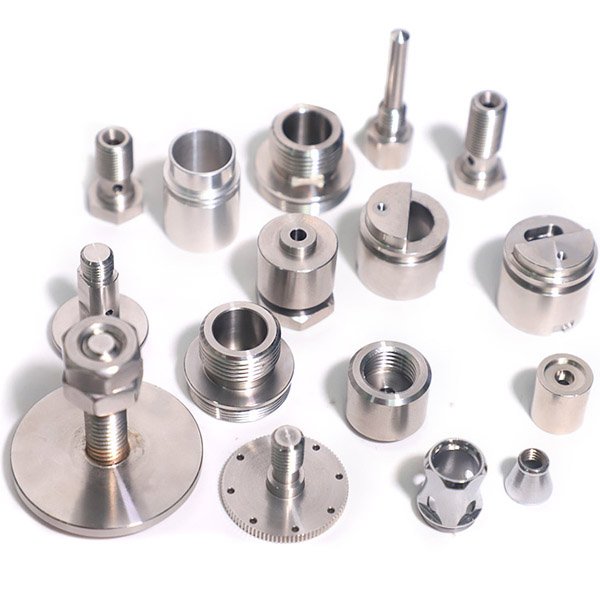
Important supplier evaluation factors include:
- Verify raw material certificates and chemical analysis reports.
- Review CNC machining equipment and production capacity.
- Confirm tolerance control and inspection procedures.
- Evaluate customization capability for different designs.
- Check delivery management and technical support systems.
Strong supplier capabilities create better manufacturing results and improve project efficiency. Experienced manufacturers can analyze drawings, recommend suitable machining methods, and manage production challenges. Prototype approval allows buyers to confirm dimensions and surface requirements before large orders. Professional inspection tools help verify critical specifications during manufacturing. Suppliers with complete production systems can provide stable quality for repeated orders. Effective communication also helps solve technical issues quickly. Choosing a capable manufacturing partner supports reliable marine equipment performance and reduces future maintenance concerns.
Marine CNC Component Applications And Requirement Analysis
Different marine industries require components with specific performance characteristics. Shipbuilding projects need corrosion-resistant fittings, connectors, and structural components. Offshore platforms require parts that withstand strong waves, humidity, and chemical exposure. Subsea systems demand accurate dimensions and excellent sealing performance. Water treatment equipment requires materials that resist continuous contact with seawater and industrial fluids. Engineers should analyze load conditions, temperature ranges, and maintenance requirements before production. Proper component design improves equipment stability and reduces replacement frequency. Suppliers with application experience can recommend suitable materials and machining solutions. Evaluating operating environments helps buyers select components that deliver better long-term performance.
| Application Area | Required Performance | Common Components | Key Challenges |
|---|---|---|---|
| Ship Equipment | Strength and corrosion resistance | Fasteners, brackets, connectors | Saltwater exposure |
| Offshore Platforms | Durability and stability | Valves, fittings, structural parts | Extreme weather conditions |
| Underwater Systems | Precision and sealing ability | Housings, shafts, joints | Pressure environments |
| Water Treatment Systems | Chemical resistance | Pumps, pipes, mechanical parts | Continuous operation |
Inspection Standards Support Reliable Marine Component Delivery
Quality inspection ensures components meet technical requirements before shipment. Manufacturers should perform multiple inspection stages throughout production. Incoming materials require chemical composition testing to confirm 316L stainless steel specifications. During machining, operators check dimensions with precision measuring equipment. Final inspection usually includes coordinate measuring machine testing, surface roughness analysis, and visual examination. These methods verify complex geometries and finishing quality. Production records also provide traceability for future quality reviews. Reliable inspection systems reduce failure risks after installation. Buyers should request inspection reports when ordering critical marine components. Complete quality documentation improves confidence and supports stable cooperation between suppliers and customers.
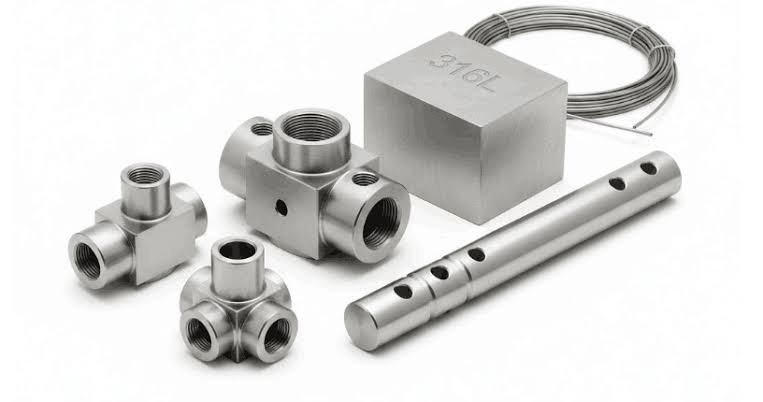
Purchasing Checklist And Future Trends Of Marine CNC Manufacturing
A complete purchasing process helps buyers select suitable suppliers and reduce production risks. Procurement teams should confirm technical specifications, material standards, and inspection requirements before placing orders. Clear drawings and detailed quality expectations improve communication between buyers and manufacturers. Sample approval allows companies to verify dimensions, surface finishing, and functional performance before mass production. Reliable suppliers should provide delivery schedules, technical support, and quality documentation.
Important purchasing considerations include:
- Confirm 316L material certificates and chemical analysis reports.
- Review CNC machining capabilities and production capacity.
- Check tolerance requirements and inspection methods.
- Evaluate surface finishing options for marine environments.
- Verify sample approval procedures before bulk orders.
- Confirm delivery timelines and after-sales support.
Marine CNC manufacturing is also moving toward automation and intelligent production. Advanced equipment improves machining efficiency and reduces human errors. Digital inspection systems provide faster measurement and better quality control. Sustainable manufacturing methods are becoming more important as suppliers focus on reducing waste and improving energy efficiency. Future production will combine advanced software, automated machining, and improved material technologies to support global marine industries.
FAQ
What Makes 316L Stainless Steel Suitable For Marine CNC Parts?
316L stainless steel performs well in marine environments because of its excellent corrosion resistance and mechanical stability. The material contains molybdenum, which improves protection against chloride-related corrosion and pitting damage. Its low carbon content helps maintain corrosion resistance after welding operations. These properties make it suitable for ship equipment, offshore platforms, underwater systems, and seawater applications. Proper machining and surface finishing further improve service performance. Buyers should request material certificates and testing reports from suppliers before production. Selecting reliable manufacturers ensures that components maintain strength, accuracy, and durability during long-term marine operation.
How Does CNC Precision Affect Marine Equipment Performance?
CNC precision directly influences assembly accuracy, equipment stability, and operational reliability. Marine systems often include multiple connected components that require accurate dimensions for proper installation. Small machining errors may create alignment problems, vibration, leakage, or premature wear. Advanced CNC equipment maintains consistent tolerances during repeated production. Professional inspection methods verify critical dimensions and surface requirements before delivery. Buyers should evaluate supplier machining capability, machine accuracy, and quality control procedures. High-precision manufacturing reduces adjustment work and improves equipment efficiency. Reliable CNC production supports safer marine operations and helps components perform consistently in demanding environments.
What Should Buyers Check Before Ordering Custom Marine CNC Components?
Before ordering custom marine CNC components, buyers should review material quality, machining capability, inspection standards, and supplier experience. Material certificates confirm that stainless steel meets required specifications. Technical drawings should include dimensions, tolerances, and finishing requirements. Suppliers should provide samples or prototypes for approval before mass production. Quality reports and inspection records help verify production consistency. Buyers should also consider delivery management and communication efficiency. A professional supplier offers technical support throughout the manufacturing process. Careful evaluation reduces purchasing risks and ensures components meet application requirements for marine equipment and industrial systems.