Why a Custom Bushing Manufacturer Matters in Industrial Supply Chains
A reliable custom bushing manufacturer directly affects machine stability, maintenance costs, and production efficiency. Bushings support rotating shafts, reduce friction, and control vibration in industrial equipment. Poorly machined bushings create alignment issues and accelerate wear on connected components. Manufacturing plants often face downtime when inconsistent tolerances damage motors, pumps, or hydraulic systems. Industrial buyers therefore evaluate technical capability before selecting suppliers. Precision production also improves lubrication retention and thermal stability during high-speed operation. Experienced suppliers normally maintain detailed process documentation and repeatable machining standards. Consistent production quality protects long-term procurement budgets and reduces unexpected replacement cycles. Industrial sectors such as mining, agriculture, automotive, and energy heavily depend on accurate bushing performance for continuous equipment operation.
Core Manufacturing Capabilities That Define Quality
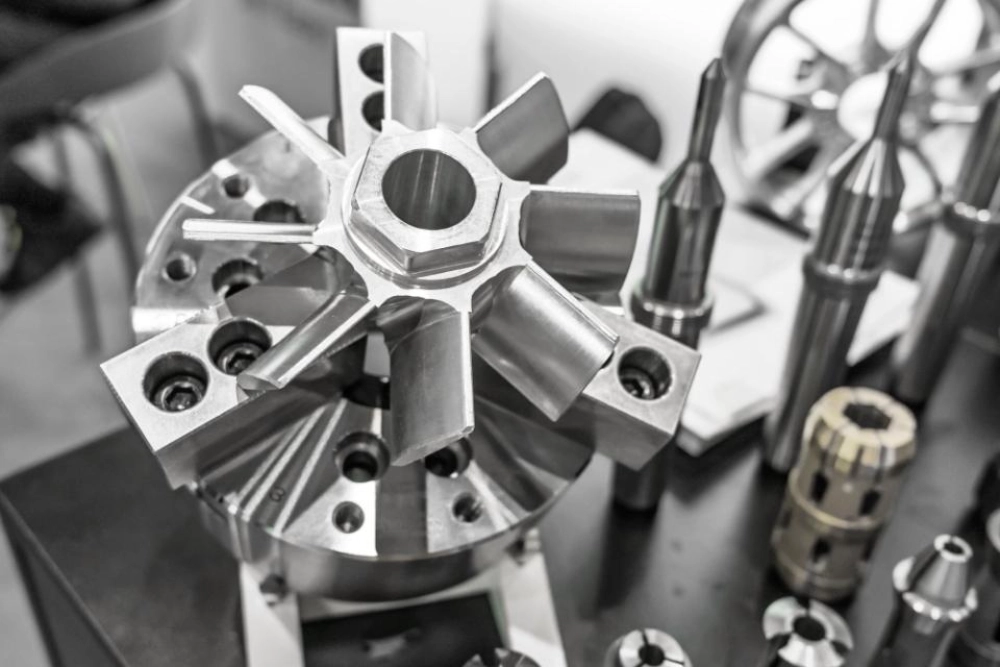
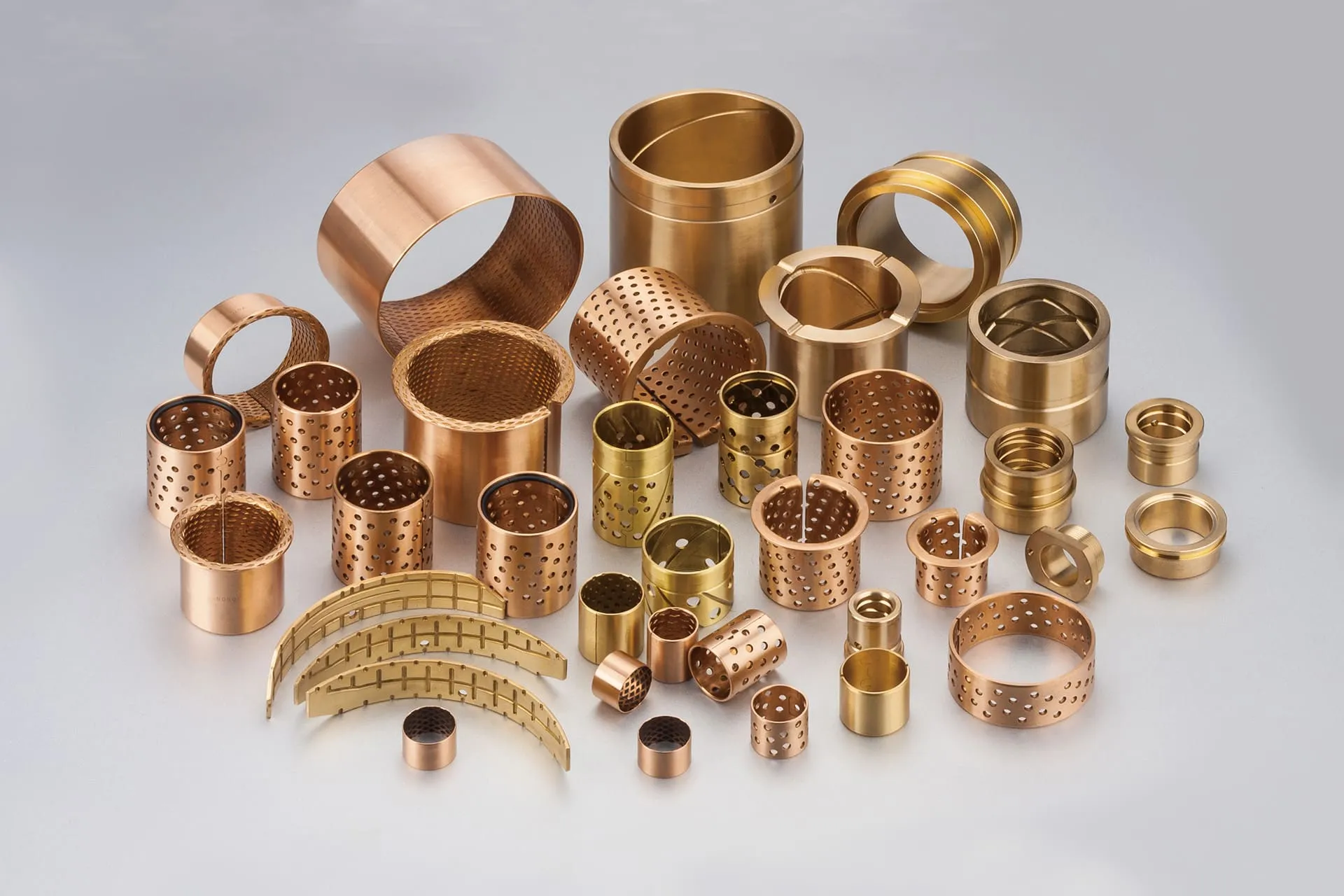
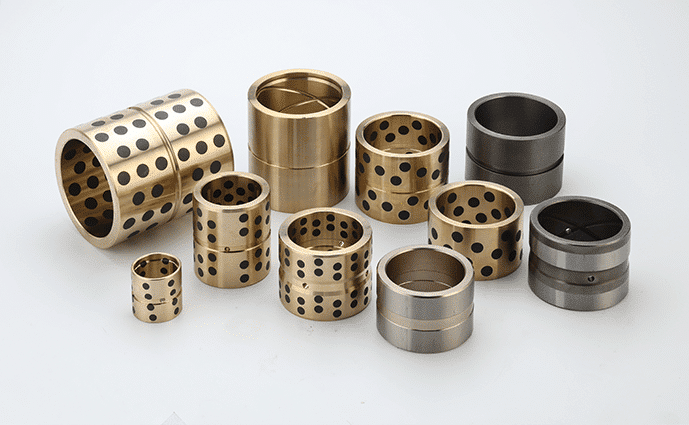
Advanced machining capability separates premium suppliers from average factories. Modern facilities use CNC turning centers, grinding machines, and automated inspection systems for dimensional consistency. High-quality manufacturers maintain strict tolerance control during every production stage. Many industrial applications require micron-level precision to prevent shaft instability and uneven pressure distribution. Surface finishing also affects lubrication behavior and wear resistance. Honing, polishing, and coating processes improve friction control during continuous operation. Skilled engineering teams additionally optimize groove structures for lubricant circulation. Some heavy-load applications require a Brass bushing with oil groove because the groove improves lubricant retention under repetitive motion. Production expertise further includes heat treatment management, hardness verification, and concentricity inspection. A professional custom bushing manufacturer normally combines machining precision with stable production management.
Material Selection Standards for Industrial Bushings
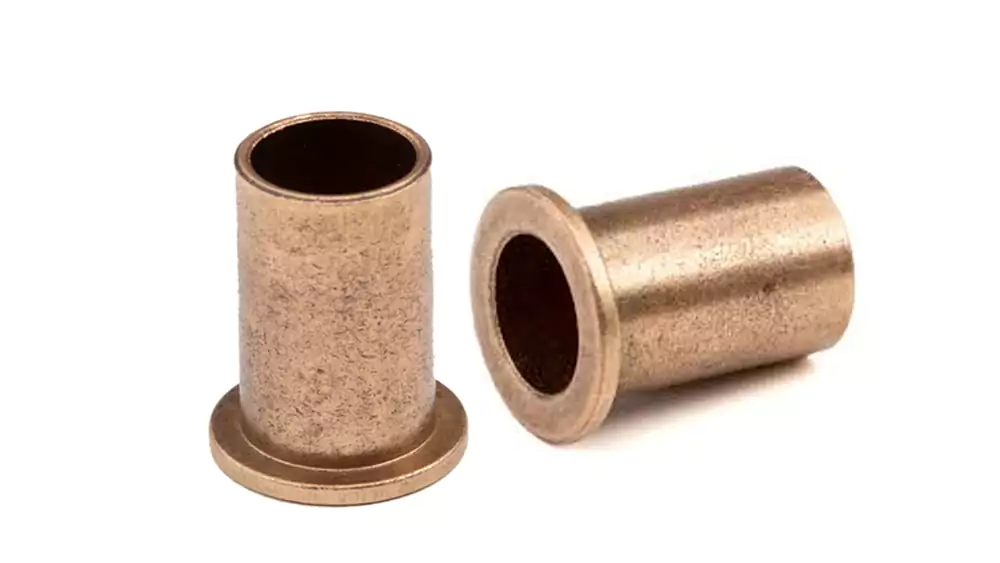
Material choice strongly influences service life, thermal resistance, and chemical stability. Bronze bushings offer excellent wear resistance and support high-load industrial environments. Brass components provide reliable machinability and corrosion resistance for moderate-load systems. Stainless steel options perform well in humid or chemically aggressive conditions. Composite bushings reduce maintenance requirements because many designs support self-lubricating operation. PTFE-lined structures also minimize friction during high-speed movement. Material hardness must match shaft characteristics to prevent uneven wear patterns. An experienced custom bushing manufacturer usually recommends materials according to pressure, speed, and environmental exposure. Temperature range, contamination exposure, and lubrication conditions influence final selection decisions. Heavy-duty machinery often requires Industrial stainless steel bushing solutions because stainless alloys maintain structural stability under moisture and elevated temperatures.
How Precision Engineering Influences Industrial Performance
Precision engineering determines how effectively bushings support rotating systems under industrial stress. Tight tolerances reduce vibration, minimize energy loss, and improve alignment stability. Manufacturers usually inspect inner diameter accuracy, wall thickness, and concentricity during production. Coordinate measuring machines provide accurate dimensional verification for complex industrial components. Many sectors additionally require GD&T compliance for assembly consistency across large production volumes. Precision grinding improves surface uniformity and reduces friction during shaft movement. Engineering teams also monitor thermal expansion behavior during high-temperature operation. Proper clearance calculation prevents seizure while maintaining adequate support strength. Reliable factories calibrate inspection equipment regularly to maintain measurement consistency. Strong engineering control ultimately extends equipment lifespan and lowers maintenance frequency across demanding industrial environments.
Certifications and Compliance Requirements
Industrial procurement departments often prioritize suppliers with internationally recognized certifications. ISO 9001 certification demonstrates structured quality management and documented production control. Many global manufacturers additionally comply with RoHS and REACH environmental regulations. Aerospace and automotive sectors may require stricter certification systems because safety standards remain extremely demanding. Traceability systems also support quality verification during large production contracts. Reliable factories maintain detailed records for raw materials, machining batches, and inspection reports. Documentation transparency simplifies audits and reduces sourcing risk for industrial buyers. Some manufacturers additionally conduct third-party material testing to confirm hardness and chemical composition. Consistent compliance management improves supplier credibility during international procurement projects. Many global buyers prefer a custom bushing manufacturer with complete certification and traceability systems.
Production Capacity and Delivery Stability
Production capability affects purchasing efficiency, inventory planning, and emergency response speed. Large-scale facilities usually operate multiple CNC lines for stable output during peak demand periods. Reliable scheduling systems reduce lead-time fluctuation and improve supply chain continuity. Industrial buyers often require both prototype development and high-volume production support from the same supplier. Flexible factories therefore maintain separate engineering and mass-production workflows. Warehousing systems additionally help manufacturers support recurring orders with faster shipment cycles. Stable suppliers normally maintain raw material inventory to reduce procurement delays during market volatility. Communication speed also matters because industrial projects frequently involve specification adjustments or engineering revisions. Experienced manufacturers coordinate production planning with logistics teams to avoid shipping interruptions. A dependable custom bushing manufacturer also maintains stable lead times during fluctuating market demand.
Important Questions Before Signing a Supply Agreement
Industrial buyers should evaluate technical and commercial details before approving long-term cooperation. Several factors directly affect procurement efficiency and production reliability.
- Confirm minimum order quantity requirements
- Review tooling ownership agreements carefully
- Request dimensional inspection reports
- Verify material traceability procedures
- Evaluate engineering communication speed
- Check emergency production capability
- Clarify warranty and replacement policies
- Assess packaging standards for export shipments
These evaluation points help procurement teams reduce operational risk during supplier selection. Engineering transparency remains especially important when applications involve high rotational speed or severe environmental exposure. Buyers should additionally review sample quality before approving mass production. Strong suppliers usually provide technical drawings, inspection records, and material certifications during quotation stages. Procurement teams also benefit from factories with responsive engineering support because industrial specifications often change during equipment development. Long-term cooperation becomes more efficient when suppliers maintain clear documentation and stable communication channels.
Cost Factors Behind Industrial Bushing Manufacturing
Industrial bushing pricing depends on raw materials, machining complexity, finishing processes, and logistics conditions. Bronze and stainless steel typically cost more than brass because of higher material expenses and machining difficulty. Precision grinding and coating treatments also increase manufacturing costs. Complex geometries often require additional tooling and extended CNC operation time. Heat treatment procedures further affect production budgets because specialized equipment consumes additional energy and inspection resources. Export packaging and international shipping expenses additionally influence final procurement costs. Buyers therefore compare total lifecycle value rather than focusing only on initial pricing. Durable components usually reduce replacement frequency and maintenance labor over time. Strategic sourcing decisions balance product quality, delivery reliability, and operational longevity for sustainable industrial purchasing performance.
Technical Comparison of Common Bushing Materials
| Material | Wear Resistance | Corrosion Resistance | Typical Application | Lubrication Need |
|---|---|---|---|---|
| Bronze | High | Moderate | Heavy machinery | Regular lubrication |
| Brass | Moderate | Good | General industrial systems | Moderate lubrication |
| Stainless Steel | High | Excellent | Marine and chemical equipment | Low lubrication |
| PTFE Composite | Moderate | Excellent | Low-maintenance systems | Self-lubricating |
Material performance affects operational efficiency, maintenance schedules, and equipment durability. Bronze remains common in heavy-load environments because it supports excellent wear resistance under continuous pressure. Stainless steel performs better in corrosive conditions where moisture or chemicals threaten component integrity. PTFE composite solutions reduce maintenance requirements because self-lubricating structures operate effectively with limited service intervention. Procurement teams should compare operating speed, temperature exposure, and contamination levels before selecting materials. Matching the wrong alloy with operating conditions frequently causes premature wear and unnecessary maintenance expenses. Technical consultation therefore remains valuable during industrial sourcing projects involving specialized equipment applications.
Production Standards and Inspection Data
| Inspection Item | Typical Standard | Testing Method | Industrial Importance |
|---|---|---|---|
| Inner Diameter Tolerance | ±0.005 mm | CMM inspection | Shaft alignment stability |
| Surface Roughness | Ra 0.4–0.8 | Surface tester | Friction reduction |
| Hardness Verification | HB/HRC standard | Hardness tester | Wear resistance control |
| Concentricity | ≤0.01 mm | Precision gauge | Rotational balance |
Inspection systems support manufacturing consistency across industrial production batches. Coordinate measuring machines verify dimensional accuracy for critical shaft interfaces. Surface roughness testing additionally confirms lubrication performance during continuous operation. Hardness inspection helps manufacturers maintain wear resistance across varying production lots. Concentricity control also reduces vibration and improves rotational stability inside high-speed equipment. Industrial buyers often request detailed inspection reports before approving shipments. Reliable factories therefore maintain calibrated instruments and documented testing procedures throughout production cycles. Strong inspection management reduces operational failures and improves confidence during long-term procurement cooperation.
Building Long-Term Value With the Right Custom Bushing Manufacturer
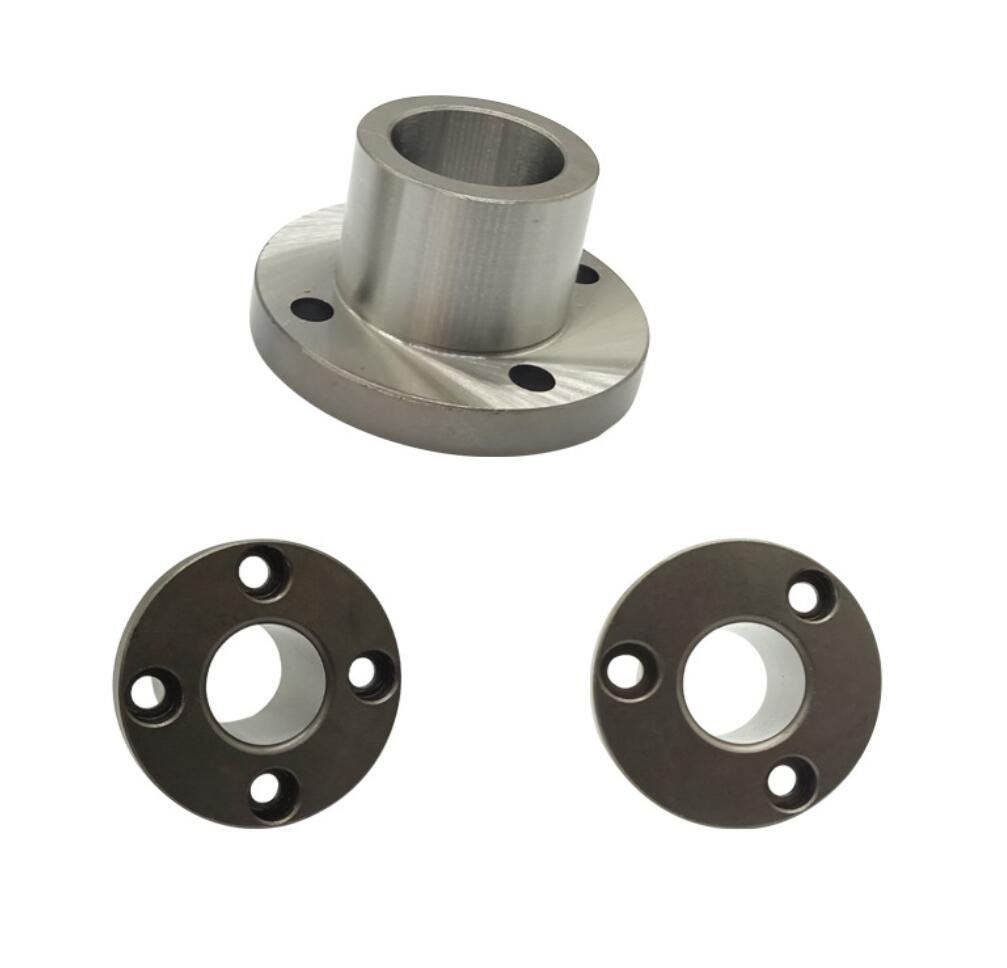
Choosing the right custom bushing manufacturer improves sourcing efficiency and long-term equipment reliability. Long-term industrial cooperation depends on engineering capability, communication efficiency, and production stability. Experienced suppliers support customers during prototype development, material selection, and performance optimization. Technical collaboration often improves product durability and lowers operational maintenance costs over time. Reliable factories also provide faster response during design modifications or urgent production requirements. Strategic sourcing partnerships become especially valuable when equipment operates in harsh industrial environments. Consistent quality management protects machinery from premature failure and costly downtime. Buyers therefore benefit from suppliers that maintain strong inspection systems, stable production planning, and responsive engineering support. Skilled manufacturing partners create greater operational stability for demanding industrial applications.
FAQ
What industries commonly require custom bushings?
Many industrial sectors rely on precision bushings for stable mechanical operation. Automotive manufacturers use bushings in suspension systems, steering assemblies, and transmission components. Mining equipment also depends on durable bushings because heavy vibration and high loads create severe wear conditions. Agricultural machinery frequently operates in dusty environments that demand strong abrasion resistance. Energy equipment uses bushings inside turbines, pumps, and hydraulic systems for rotational support. Food processing facilities additionally require corrosion-resistant materials because cleaning chemicals affect component durability. Aerospace applications demand extremely tight tolerances for safety and performance stability. Industrial automation systems also require accurate bushings to maintain smooth robotic movement and long-term production efficiency. Many buyers therefore seek a reliable custom bushing manufacturer for specialized industrial applications.
How important are tolerances in bushing production?
Tolerance accuracy strongly affects machine reliability, vibration control, and operational lifespan. Excessive clearance creates instability and accelerates shaft wear during continuous movement. Extremely tight tolerances may also create overheating problems because friction increases under insufficient clearance conditions. Precision machining therefore balances support strength with controlled rotational movement. Industrial equipment operating at high speed especially requires accurate dimensional control for stable performance. Manufacturers usually inspect diameter consistency, concentricity, and surface finish throughout production. Coordinate measuring machines help engineering teams maintain repeatable quality standards during large manufacturing runs. Tight tolerance management ultimately improves energy efficiency, lowers maintenance frequency, and protects connected mechanical components from premature operational failure.
What should buyers request during supplier evaluation?
Industrial buyers should request detailed technical and quality documentation before approving suppliers. Material certifications confirm chemical composition and hardness consistency for industrial applications. Inspection reports additionally verify dimensional accuracy and machining precision. Buyers should also review production capability, lead-time stability, and emergency manufacturing support. Sample evaluation remains important because physical inspection reveals machining quality and surface finishing performance. Procurement teams often request information about CNC equipment, calibration systems, and quality management procedures. Reliable suppliers normally provide traceability records and responsive engineering communication during quotation stages. Long-term sourcing decisions become safer when factories demonstrate stable production planning, transparent inspection systems, and consistent export packaging standards for international industrial shipments.