Bushing lubrication refers to applying proper lubricants to bushings to reduce friction between moving parts. Effective lubrication ensures smooth motion, prevents overheating, and extends the life of mechanical systems. Industrial machines, vehicles, and household equipment rely on well-lubricated bushings to maintain performance. Choosing the correct lubricant type and applying it at proper intervals is crucial for preventing premature wear. It also minimizes energy loss and improves operational efficiency. Without consistent care, components may seize or deteriorate rapidly, causing unexpected downtime. The process balances friction reduction with material compatibility and load-bearing requirements.
The Role of Bushing in Mechanical Systems
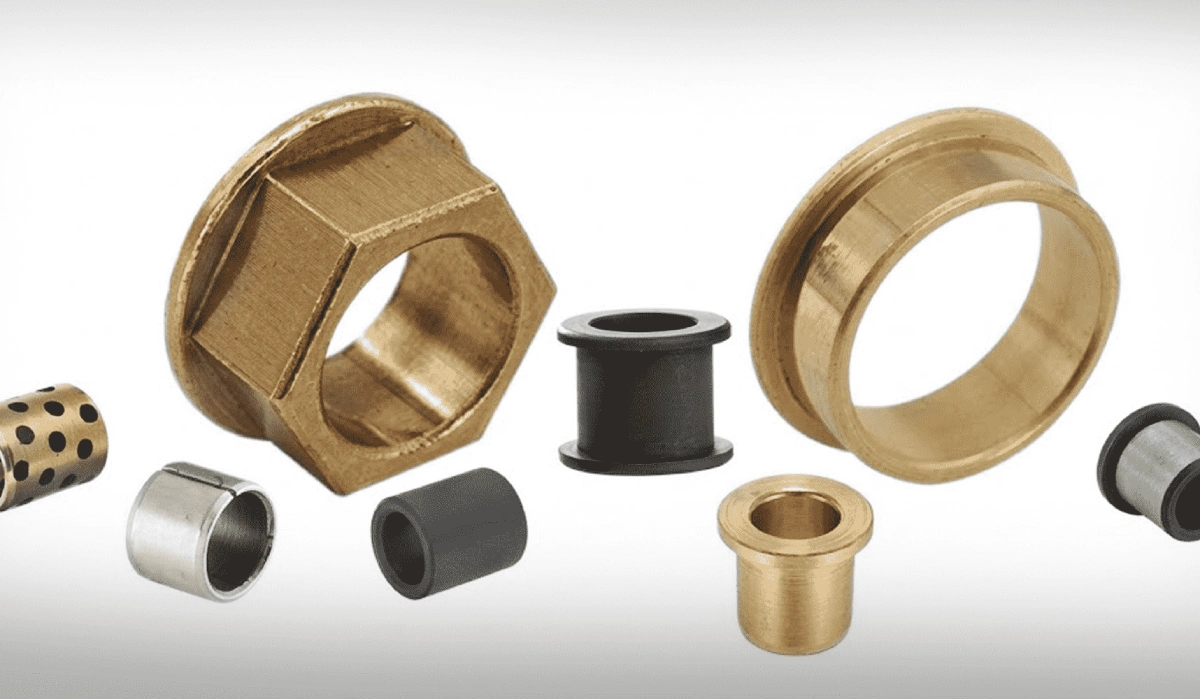
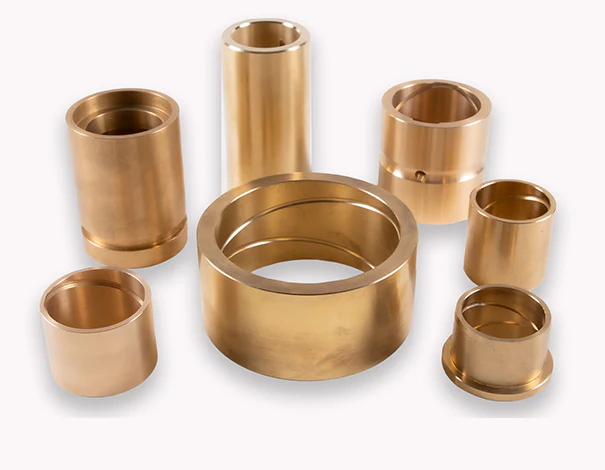
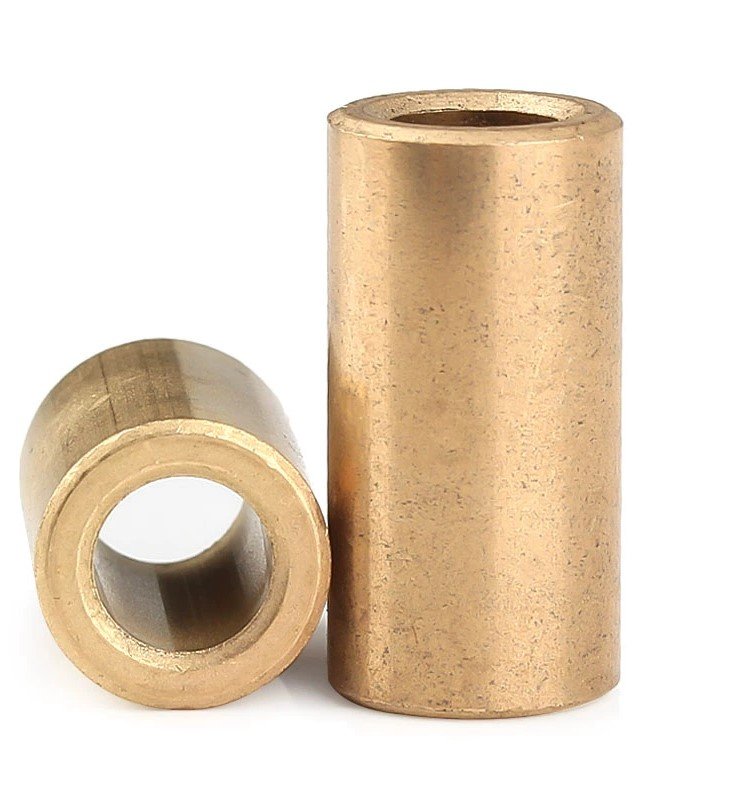
Bushings act as a sliding interface between moving parts, absorbing vibrations and reducing metal-to-metal contact. Their presence prevents excessive wear on shafts, bearings, and housings. A properly lubricated bushing supports rotational or linear motion while maintaining alignment. Material choice impacts performance; for example, a brass bushing with oil groove offers excellent self-lubrication and load distribution. In high-speed or heavy-load applications, lubrication enhances thermal management and prevents scoring. Engineers must consider bushing dimensions, load ratings, and motion type when specifying lubrication. Neglecting bushing lubrication can compromise structural integrity and increase maintenance costs. Optimized lubrication improves both reliability and service intervals.
Common Types of Bushing Lubricants
Bushing lubrication can be achieved using oils, greases, or solid lubricants. Oils provide low viscosity and high penetration, ideal for high-speed applications. Greases offer longer retention and protection in heavy-load conditions. Solid lubricants, such as graphite or PTFE, reduce maintenance in environments where liquids may evaporate or wash away. Selection depends on operating temperature, load, and speed. Some bushings are pre-greased or impregnated with lubricants to simplify maintenance. Lubricant choice also affects corrosion resistance and chemical compatibility. Table 1 illustrates common bushing lubricant types and typical applications.
| Lubricant Type | Viscosity | Typical Application |
|---|---|---|
| Mineral Oil | Low | High-speed machinery |
| Grease | Medium | Heavy load bushings |
| Graphite | Solid | High temperature / vacuum |
| PTFE | Solid | Corrosion-prone environments |
How Bushing Lubrication Prevents Wear and Tear
Lubrication reduces friction, which directly prevents surface wear on bushings and shafts. A thin lubricant film separates metal surfaces, preventing adhesive wear and surface deformation. Vibrations and shocks are also dampened, extending component life. Proper lubrication controls heat generation, minimizing thermal expansion that could misalign moving parts. Over time, unlubricated bushings may cause scoring or galling on shafts. Preventive lubrication reduces downtime and avoids costly repairs. Regular inspection ensures that the lubricant retains viscosity and contamination-free properties. Industrial stainless steel bushing often relies on periodic lubrication to maintain precise operation and longevity.
Factors Affecting Bushing Performance
Several variables influence the effectiveness of lubricant application. Temperature fluctuations, load intensity, motion type, and operating speed all determine performance. Contaminants like dust or water can reduce efficiency and accelerate wear. Lubricant degradation over time requires monitoring viscosity and additive stability. Material compatibility is also essential; some metals may react with certain oils or greases. Correct application methods, including manual or automatic lubrication systems, ensure uniform coverage. Table 2 highlights factors and their potential impact on bushing efficiency.
| Factor | Impact on Lubrication |
|---|---|
| Temperature | Alters viscosity and film strength |
| Load | Increases friction and wear rate |
| Contaminants | Reduces lubricant efficiency |
| Speed | Affects heat generation |
| Material | Determines compatibility with lubricant |
Signs of Inadequate Bushing Lubrication
Monitoring bushing condition helps detect insufficient lubrication. Noise, vibration, or increased operating temperature are early warning signs. Wear marks or discoloration indicate friction-induced damage. Equipment may exhibit reduced efficiency or uneven motion. Regular inspection prevents catastrophic failures. Observing lubricant leakage or contamination also signals replacement needs. Early intervention preserves component life and prevents unexpected downtime. Industrial equipment performance correlates strongly with consistent bushing lubrication. Proactive maintenance ensures smooth operation and long-term cost savings.
Maintenance Best Practices for Bushing Lubrication
Establishing a routine lubrication schedule is critical. Clean bushings before applying fresh lubricant to avoid contamination. Use recommended quantities to prevent over-lubrication, which can attract debris. Automated lubrication systems can improve consistency. Keep records of lubricant type, application frequency, and observed wear. List 1 summarizes essential maintenance steps.
- Inspect bushings for wear and alignment.
- Clean surfaces before lubrication.
- Apply correct lubricant type and quantity.
- Monitor operating temperature and vibration.
- Replace degraded lubricant promptly.
Following these steps ensures optimal bushing performance and prolonged service life. Neglecting even minor aspects can compromise system efficiency.
Bushing Lubrication in Different Industrial Applications
Different industries require tailored bushing lubrication strategies. Automotive systems demand high-speed oil lubrication for reduced friction. Heavy machinery benefits from greases that retain under extreme load. Aerospace components may use solid lubricants to operate in low-pressure or vacuum environments. Food processing machinery requires food-grade lubricants to maintain hygiene. Selection is guided by load, temperature, environment, and regulatory compliance. Proper lubrication prevents unscheduled downtime and enhances safety across operations. Each application demands careful planning for both material and lubricant type.
Environmental Considerations in Lubricant Selection
Sustainability is increasingly critical in industrial equipment maintenance. Biodegradable oils reduce environmental impact, while minimizing hazardous waste. Recycling and reclaiming lubricants helps lower disposal costs. Temperature extremes influence selection, as some eco-friendly lubricants degrade faster under high heat. Pollution control also necessitates proper containment and spill prevention. Manufacturers consider chemical stability, toxicity, and biodegradability during selection. Proper training ensures staff apply lubricants responsibly. These practices support environmental goals while maintaining system performance.
Innovations and Future Trends in Bushing Lubrication
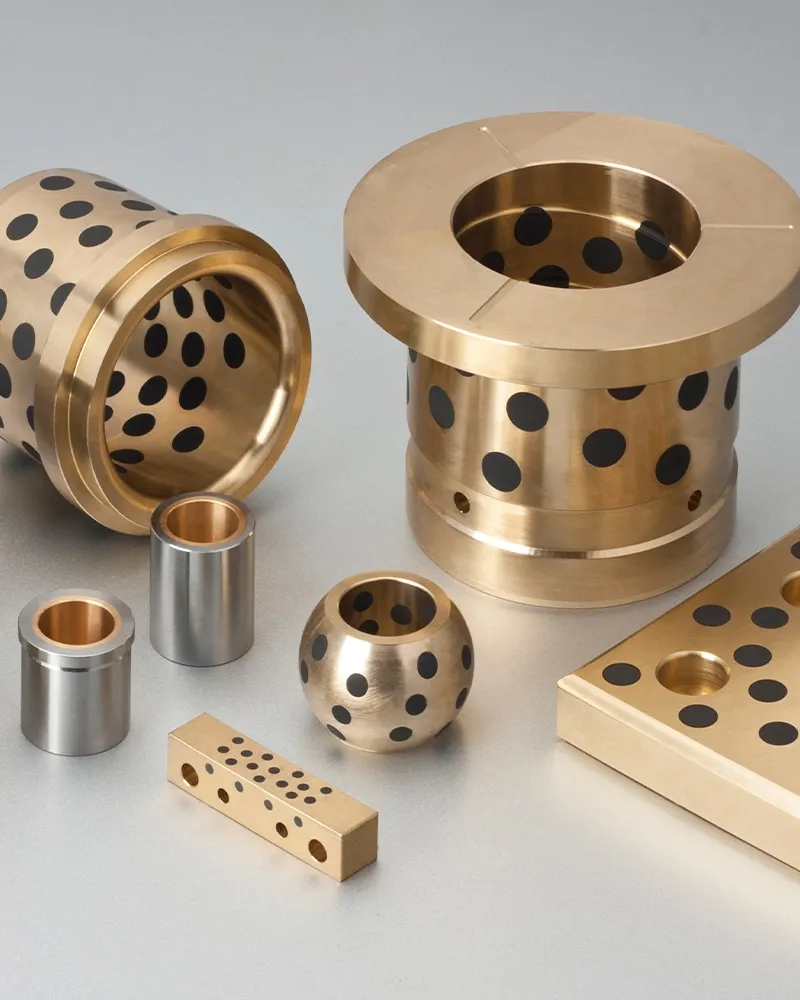
Recent advancements include self-lubricating composites, long-life greases, and automated monitoring systems. Sensors now track lubricant condition and bushing wear in real time. New materials reduce the need for frequent maintenance. Research continues into nano-lubricants that lower friction and wear further. Industry moves toward predictive maintenance, integrating lubrication monitoring with IoT and data analytics. These trends improve efficiency, reduce costs, and extend equipment life. Adopting modern lubrication strategies ensures reliability in evolving industrial demands.
FAQ
What happens if bushing lubrication is neglected?
Neglecting bushing lubrication accelerates friction, causing surface wear and overheating. Metal-to-metal contact increases the risk of scoring or galling. Machines may generate unusual noise or vibration, reducing operational efficiency. Component life shortens, leading to frequent replacement or repair. Overheating can damage surrounding structures and increase downtime. In industrial systems, unlubricated bushings may trigger safety hazards. Energy consumption rises due to increased friction. Early signs include discoloration, noise, and heat. Addressing lubrication needs promptly prevents catastrophic failures. Regular inspection and timely application are essential to maintain reliability and performance across equipment.
How often should bushing lubrication be applied?
Frequency depends on load, speed, temperature, and lubricant type. High-speed or heavy-load applications require more frequent lubrication. Manufacturer recommendations serve as primary guidance. Environmental conditions such as dust or moisture may shorten intervals. Automated lubrication systems reduce manual monitoring and ensure consistent application. Periodic inspection complements scheduled lubrication. Over-lubrication can attract debris, while under-lubrication risks wear. Monitoring operating parameters helps determine optimal timing. Adjustments may be needed for seasonal or operational changes. Following proper schedules ensures bushing reliability and reduces unplanned maintenance.
Can the wrong lubricant damage bushings?
Using an incompatible lubricant may cause swelling, corrosion, or accelerated wear. Viscosity mismatch can reduce film strength and increase friction. Chemical reactions with bushing material can compromise integrity. Performance declines and operational failures become more likely. Equipment may overheat or seize under load. Solid contaminants or breakdown products may accumulate, further damaging components. Selecting lubricants according to material compatibility and operating conditions prevents such risks. Regular verification ensures performance aligns with specifications. Proper training and monitoring avoid costly mistakes. Correct lubrication maintains efficiency, safety, and long-term durability.