Choose leveling feet plays a critical role in machine stability and precision alignment. Industrial engineers evaluate load distribution, floor conditions, and vibration levels before selection. Equipment performance depends on how evenly forces transfer through support points. Incorrect selection can lead to structural imbalance and premature wear. Modern factories require components that handle both static and dynamic pressure. Procurement teams also consider installation space and maintenance cycles. Environmental exposure influences material choice and coating requirements. Proper evaluation improves uptime and reduces mechanical failure risks across production systems.
Choose leveling feet for Industrial Equipment: Structural Decision Factors
Engineers choose leveling feet based on machine weight, footprint, and operational movement patterns. Heavy-duty machines require reinforced support points with stable adjustment control. Floor irregularities also influence leveling accuracy and long-term alignment performance. Selection teams assess torque resistance and thread stability during evaluation. Different industries apply different safety margins depending on operational intensity. Precision equipment demands tighter tolerance control for consistent output quality. Structural compatibility between base frame and mounting interface ensures safer operation. Correct decision-making improves production consistency and reduces mechanical stress accumulation over time.
Choose leveling feet Based on Load Capacity and Material Performance
Load capacity defines how well a leveling system supports industrial machinery under pressure. Engineers calculate both static and dynamic loads during design selection. Material composition directly influences strength, deformation resistance, and lifespan. Steel-based solutions handle higher stress compared to polymer alternatives in heavy industries. Surface finishing improves wear resistance and reduces friction during adjustment. Environmental conditions also affect material degradation rates in long-term usage. Proper balancing of load capacity ensures stable machine positioning. Selection accuracy improves operational safety and reduces maintenance frequency across industrial environments.
Material Engineering Behind Industrial Support Components
Material engineering determines durability and reliability in industrial support systems. Carbon steel offers high strength but requires protective coating against corrosion. Stainless alloys provide better resistance in humid or chemical environments. Polymer bases reduce vibration transfer but support lower load ranges. Heat treatment processes enhance hardness and structural stability in metal components. Surface coating technologies improve friction control and environmental protection. Engineers also evaluate fatigue resistance under continuous load cycles. Material selection must align with operational intensity and environmental exposure conditions in industrial applications.

Thread Design and Mechanical Adjustment Precision
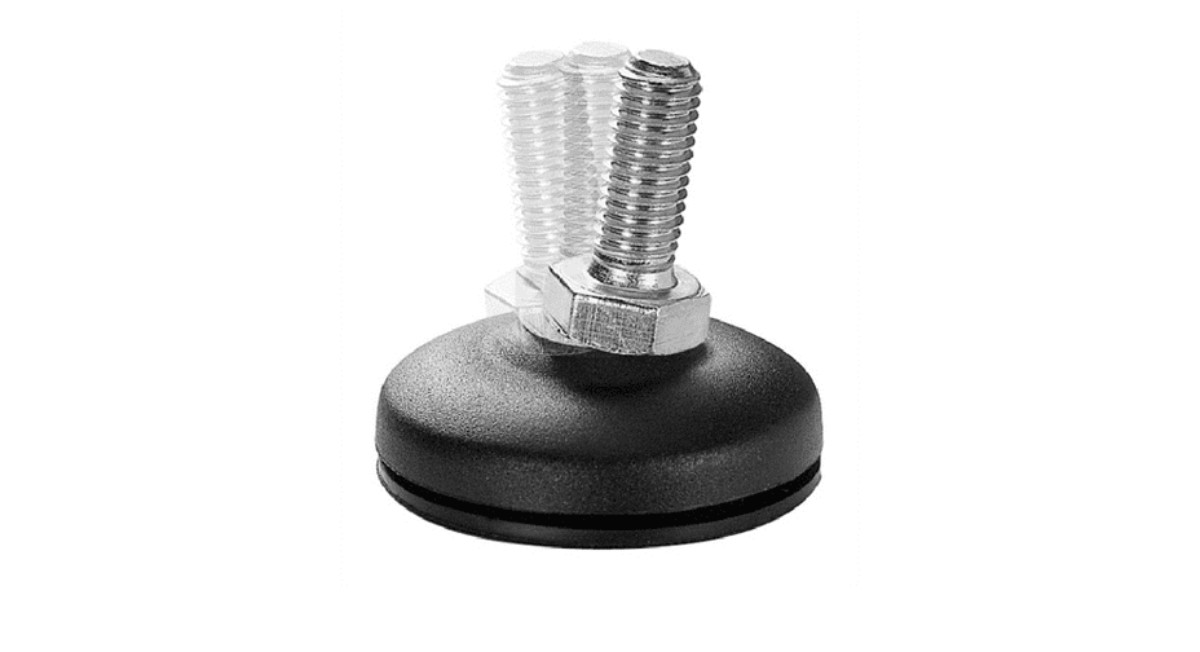
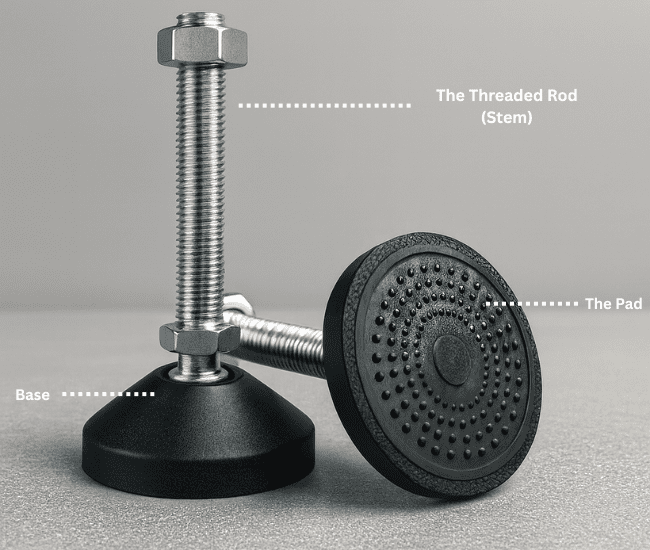
Thread design controls adjustment accuracy and structural stability in leveling systems. Fine thread pitch allows precise height control during installation. Coarse threads provide faster adjustment for heavy machinery setups. Engineering teams evaluate thread strength under repeated load cycles. Poor thread design can lead to slippage and misalignment over time. Manufacturing precision ensures consistent engagement between screw and base components. In high-load environments, a stainless steel leveling foot improves thread durability and corrosion resistance. Proper threading enhances installation efficiency and long-term mechanical reliability.
Vibration Control and Dynamic Stability Systems
Vibration control plays a major role in industrial machine performance. Excess vibration reduces accuracy and accelerates mechanical wear. Rubber-based damping layers absorb shock energy during operation cycles. Engineers design isolation systems to protect sensitive components. Balance between rigidity and flexibility determines system efficiency. In high-speed production lines, vibration control improves product consistency. An anti vibration leveling foot reduces oscillation impact and enhances operational stability. Proper damping design extends equipment lifespan and reduces structural fatigue in continuous industrial environments.
Environmental Resistance and Long-Term Durability
Industrial environments expose equipment to moisture, chemicals, and temperature variation. These conditions accelerate corrosion and material fatigue without proper protection. Coating technologies such as zinc plating improve surface resistance. Sealed structures reduce contamination from dust and liquid exposure. Engineers evaluate environmental stress before final component selection. High-humidity areas require enhanced corrosion protection systems. Temperature fluctuations also influence material expansion and contraction behavior. Durable leveling systems maintain performance stability under harsh industrial conditions. Proper protection ensures consistent alignment and operational reliability over extended service periods.
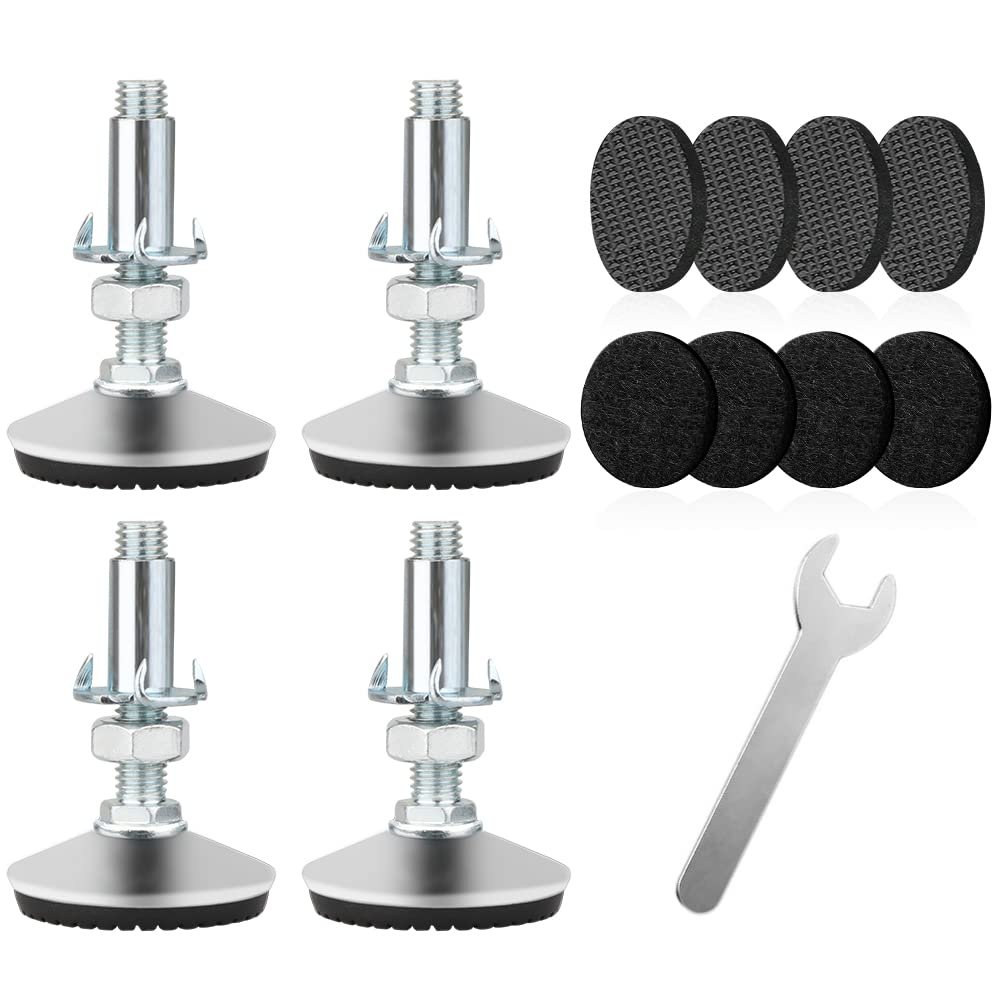
Installation Standards and Structural Alignment Control
Installation accuracy determines long-term stability of industrial machinery. Engineers follow torque specifications to ensure secure mounting. Misalignment during installation leads to uneven load distribution. Base plate compatibility must match machine frame design. Alignment tools improve precision during setup procedures. Proper tightening sequence prevents structural stress concentration. In automated systems, installation repeatability ensures consistent performance across production units. Adjustable components simplify correction during maintenance cycles. Accurate installation reduces mechanical vibration and improves operational safety in industrial environments requiring high precision.
Choose leveling feet for Industrial Equipment: Size and Thread Standards
Choose leveling feet selection depends heavily on standardized sizing systems. Metric thread sizes such as M8, M10, and M12 define compatibility with machine frames. Larger diameters support higher load capacity in heavy industrial applications. Engineers match thread size with expected operational stress levels. Incorrect sizing reduces stability and increases vibration risk. Standardization improves interchangeability across global manufacturing systems. Proper sizing ensures consistent mechanical engagement and structural balance. Selection accuracy enhances installation efficiency and reduces long-term maintenance issues in industrial production environments.
Industrial Application Scenarios and System Integration
Industrial leveling systems are widely used in automation equipment, conveyors, and packaging machinery. HVAC systems also rely on stable support for vibration reduction. Manufacturing lines require precise alignment for consistent output quality. Robotics systems depend on stable bases for motion accuracy. Equipment mobility solutions use adjustable supports for flexible positioning. Structural stability improves operational efficiency across all applications. Engineers select components based on load, vibration, and environmental conditions. Proper integration ensures reliable performance in complex industrial production environments with continuous operation demands.
| Material Type | Load Capacity | Corrosion Resistance | Typical Use |
|---|---|---|---|
| Carbon Steel | Very High | Low without coating | Heavy machinery |
| Stainless Steel | High | Very High | Food and chemical plants |
| Reinforced Polymer | Medium | High | Light equipment |
Material selection directly influences mechanical performance and environmental resistance in industrial systems. Engineers compare load capacity, corrosion behavior, and application suitability before final procurement. Stainless steel systems provide balanced performance in harsh environments. Polymer systems reduce weight but limit load tolerance. Carbon steel remains dominant in heavy-load machinery due to structural strength. Proper comparison improves decision accuracy and reduces operational risks. Material choice must align with both mechanical demand and environmental exposure conditions for stable long-term operation.
Selection Checklist for Engineering Procurement Teams
- Evaluate machine load requirements carefully
- Confirm environmental exposure conditions
- Verify thread size compatibility
- Assess vibration control needs
- Check installation torque specifications
- Review maintenance accessibility
A structured checklist improves procurement accuracy in industrial projects. Engineering teams reduce selection errors by following standardized evaluation steps. Each factor influences long-term performance and safety. Load and environment remain the most critical decision points. Vibration and installation conditions affect operational stability. Proper evaluation ensures consistent system integration across production lines.
| Factor | Impact Level | Engineering Consideration |
|---|---|---|
| Load Capacity | Critical | Prevents structural failure |
| Vibration Control | High | Improves machine accuracy |
| Material Selection | Critical | Determines lifespan |
Engineering teams rely on structured comparison data to optimize industrial selection decisions. Load capacity remains the primary safety factor. Vibration control improves operational precision and product quality.
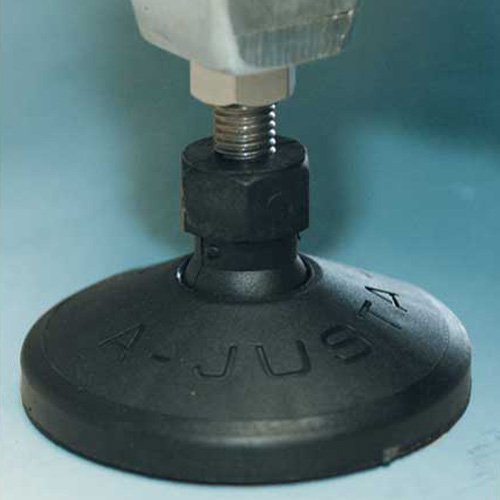
Material selection defines long-term durability under stress. Proper evaluation ensures stable integration into complex production systems. Data-driven decision-making reduces maintenance costs and improves equipment reliability across industrial environments.
FAQ
How do engineers evaluate load requirements for leveling systems?
Engineers calculate both static and dynamic load values during machine operation. Static load refers to constant weight distribution. Dynamic load includes vibration and movement forces.Safety factors are added to prevent structural overload.
Material strength and thread design also influence final capacity. Incorrect calculations can lead to instability and mechanical failure. Accurate evaluation ensures safe operation and long service life in industrial environments requiring continuous production stability and precision alignment.
What material performs best in harsh industrial environments?
Stainless steel performs best in corrosive and humid environments due to its alloy composition. It resists rust formation and maintains structural strength under chemical exposure. Carbon steel provides higher load capacity but requires protective coating. Polymer materials reduce vibration but support lighter equipment only. Selection depends on environmental stress level and operational requirements. Long-term performance improves when material choice matches real working conditions. Proper material selection reduces maintenance frequency and extends equipment lifespan in industrial applications.
How does thread size affect leveling performance in machinery?
Thread size directly influences adjustment precision and load stability in machinery systems. Larger threads support heavier loads with stronger structural engagement. Smaller threads allow finer adjustment control for precision equipment. Incorrect sizing may cause instability and uneven load distribution. Engineers match thread standards with machine frame design requirements. Proper alignment ensures smooth adjustment and consistent performance. Accurate thread selection improves installation efficiency and reduces mechanical stress during long-term industrial operation cycles.