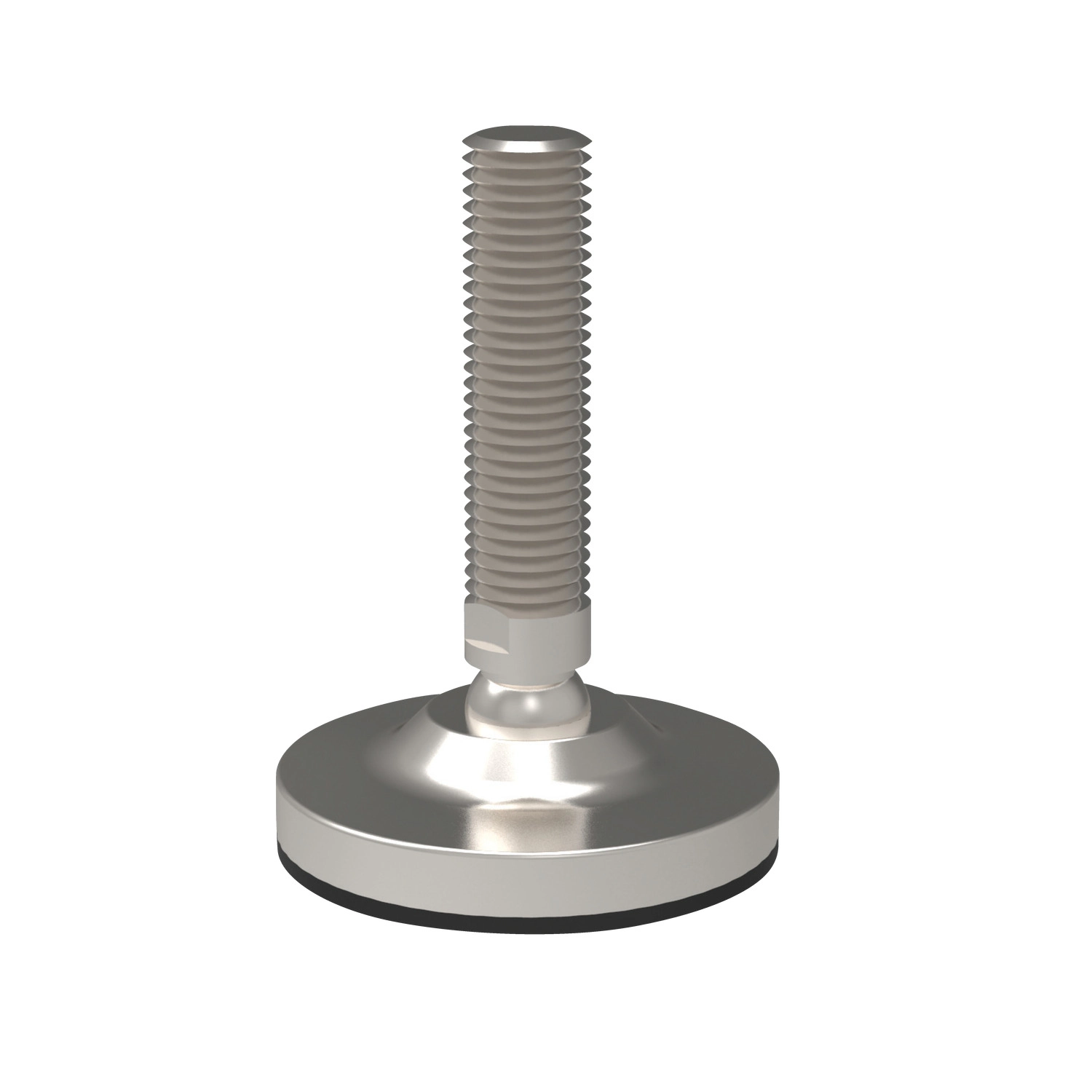
Stainless steel leveling feet 316l plays a critical role in maintaining machine stability across industrial environments. Manufacturers rely on precise leveling systems to reduce vibration and improve operational accuracy. Equipment frames often face uneven flooring conditions in factories. Stable support prevents structural stress and misalignment during continuous operation. Engineers prioritize materials that resist corrosion and mechanical fatigue under long service cycles. Load distribution also affects machine performance and safety margins. Proper leveling components enhance alignment between heavy machinery bases and ground surfaces. This ensures smoother production lines and reduced downtime in automated systems. Industrial buyers increasingly demand reliable components that support long-term operational consistency.
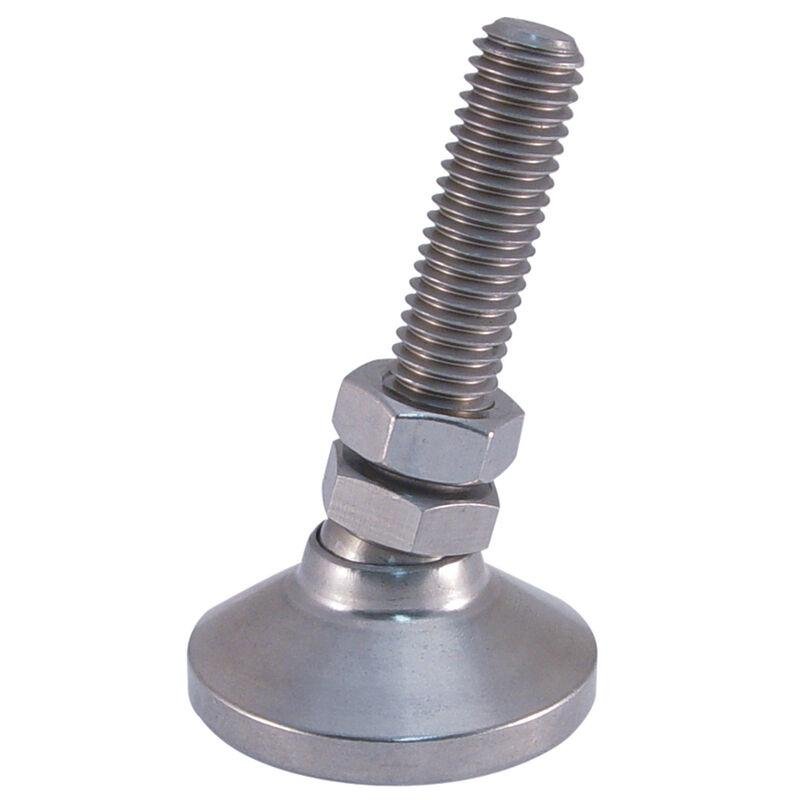
Stainless steel leveling feet 316l in Structural Engineering and Material Selection
Stainless steel leveling feet 316l is widely adopted in structural engineering due to its high corrosion resistance and mechanical strength. The 316L grade contains low carbon content, which improves weldability and reduces carbide precipitation. This structure increases durability in aggressive environments such as coastal factories. Engineers select this material for its balance between toughness and flexibility under load. Industrial machinery requires stable anchoring points to maintain alignment during vibration cycles. Precision threading systems also enhance adjustment accuracy in installation processes. Surface integrity remains stable even under chemical exposure. This makes it suitable for heavy-duty applications in manufacturing and automation sectors.
Corrosion Resistance Mechanism in Harsh Industrial Environments
The corrosion resistance of advanced stainless steel components depends on chromium and molybdenum content. These elements form a passive oxide layer on the surface. This layer protects internal metal from oxidation and chemical attack. Environments with humidity or salt exposure require higher resistance levels. Industrial cleaning agents may also accelerate material degradation in weaker alloys. Stable passive film regeneration ensures long-term durability under stress. Mechanical integrity remains unaffected even after extended exposure cycles. Engineers consider pitting resistance as a key performance metric. Equipment used in marine or chemical plants benefits significantly from this protection mechanism. This improves overall lifecycle cost efficiency for industrial users.
Mechanical Structure Design and Load Distribution Efficiency
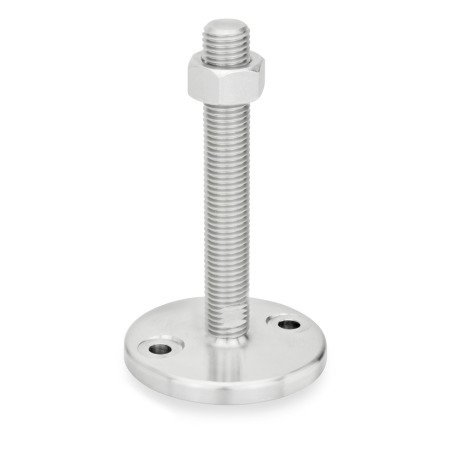
Mechanical design of industrial leveling components focuses on load transfer and stability optimization. Threaded rods provide adjustable height control for precise alignment. Base pads distribute pressure evenly across floor surfaces. This prevents localized stress concentration under heavy machinery. Load transfer efficiency ensures minimal deformation during continuous operation. Engineering teams test components under dynamic and static conditions. Material hardness contributes to long-term structural integrity. Anti-loosening mechanisms improve safety during vibration exposure. Proper geometry design enhances friction stability between base and ground. These features ensure consistent performance across diverse industrial environments with varying load requirements.
Stainless steel leveling feet 316l in High-Humidity and Chemical Industries
Stainless steel leveling feet 316l is essential in environments exposed to moisture, acids, or industrial chemicals. Production facilities often operate under harsh atmospheric conditions. Standard steel components degrade quickly in such settings. 316L grade maintains structural integrity due to its low carbon composition. Chemical resistance prevents surface oxidation and pitting corrosion. This improves equipment reliability in long-term industrial cycles. Food processing plants and pharmaceutical factories benefit from this stability. Cleanroom standards require materials that resist contamination and maintain hygiene. Mechanical adjustment systems must remain stable under repeated sanitation processes. This ensures compliance with strict operational safety regulations.
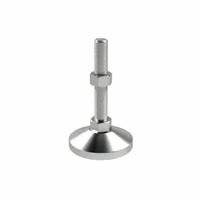
Stainless steel leveling foot is commonly used in machinery requiring precise balance adjustment. It provides stable support under uneven load distribution conditions.
Load Capacity Optimization and Structural Stability Performance
Load capacity optimization focuses on balancing weight distribution across support points. Engineers calculate maximum stress thresholds before installation. Proper design prevents deformation under continuous mechanical pressure. Industrial machines often operate under variable load conditions. Stability depends on both material strength and base geometry. Finite element analysis helps predict structural behavior under stress. Reinforced threaded cores enhance vertical load resistance. Anti-slip base materials improve ground adhesion performance. These engineering principles ensure safe operation in heavy-duty systems. Reliable support structures reduce maintenance frequency and operational interruptions significantly.
Surface Treatment and Compliance in Sensitive Industrial Applications
Surface treatment processes improve resistance against corrosion and wear. Polishing and passivation enhance oxide layer stability. ASTM A967 defines passivation requirements for stainless steel components. ISO 9227 salt spray testing evaluates corrosion resistance performance. ISO 14644 cleanroom standards regulate particle control in medical environments. Industrial facilities require consistent surface quality for hygiene-sensitive applications. Medical and food-grade systems enforce strict regulatory compliance rules. Cleaning cycles often use strong disinfectants and high-pressure washing systems. Material stability prevents contamination during continuous industrial operation cycles. Engineers select materials based on ASTM and ISO compliance benchmarks. Surface integrity directly affects long-term operational safety and efficiency. These standards ensure reliable performance in regulated industrial sectors.
Installation Methods and Adjustment Accuracy in Equipment Setup
Installation processes require precise alignment between machine base and support components. Technicians use threaded adjustment systems for fine height calibration. Accurate leveling improves mechanical efficiency and reduces vibration impact. Installation surfaces must be cleaned and stabilized before setup. Torque control ensures proper fastening without structural damage. Calibration tools help achieve millimeter-level accuracy. Re-adjustment capability allows flexible maintenance operations. Proper installation reduces mechanical wear during operation cycles. This improves equipment lifespan and operational consistency. Skilled installation ensures optimal performance across industrial applications.
| Material Type | Corrosion Resistance | Load Strength | Industrial Use |
|---|---|---|---|
| 316L Stainless Steel | Very High | High | Chemical, Marine, Food |
| Carbon Steel | Low | Very High | Dry Industrial Use |
| Zinc Alloy | Medium | Medium | Light Equipment |
Material selection directly affects long-term performance and reliability. 316L stainless steel provides superior resistance in corrosive environments.Carbon steel delivers higher raw strength but requires protective coatings. Zinc alloy offers lightweight structure for non-critical applications. Engineers evaluate cost, durability, and environmental exposure before selection. Proper material matching ensures optimal machine performance. Industrial buyers often prioritize lifecycle cost over initial investment. This table highlights critical differences for engineering decision-making.
Application Scenarios in Industrial Manufacturing Systems
• CNC machining centers requiring vibration stability
• Food processing lines with hygiene compliance
• Pharmaceutical production equipment with cleanroom standards
• Packaging automation systems with high-speed motion
• Heavy-duty conveyor systems in logistics warehouses
• Chemical processing tanks requiring corrosion resistance
• Precision assembly machines with alignment sensitivity
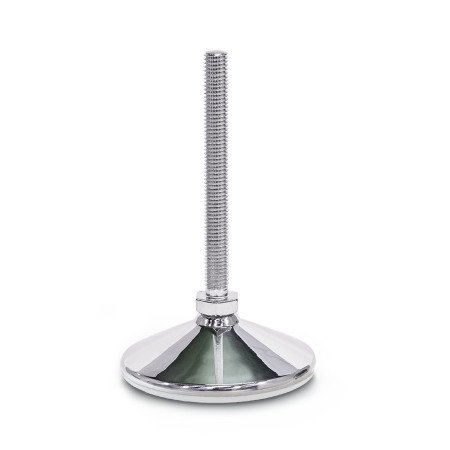
Anti vibration leveling foot is frequently used in systems where oscillation control is critical. It reduces mechanical resonance during high-speed operations. Rubber damping layers absorb energy from machine movement. This improves operational stability and reduces structural fatigue. Industrial automation lines benefit from reduced noise and vibration transfer. Equipment lifespan increases due to lower mechanical stress. Proper selection enhances safety and production efficiency. Engineers integrate these components in sensitive manufacturing systems. This ensures smooth and stable operation across diverse industrial environments.
Maintenance Strategy and Lifecycle Optimization of Leveling Systems
Maintenance strategies focus on periodic inspection and load recalibration. Engineers check thread integrity and base stability regularly. Lubrication reduces friction in adjustment mechanisms. Environmental exposure may affect surface conditions over time. Cleaning prevents chemical buildup and corrosion risks. Scheduled maintenance extends operational lifespan significantly. Replacement cycles depend on load intensity and working conditions. Predictive maintenance systems help identify early wear signs. Proper documentation improves maintenance efficiency and traceability. Consistent care ensures long-term mechanical stability in industrial applications.
Stainless steel leveling feet 316l provides long-term engineering value in demanding environments. Its structural stability supports continuous industrial operations. Material composition ensures resistance against corrosion and mechanical stress. Engineers trust its performance in precision machinery systems. Industrial adoption continues to grow across multiple sectors. Reliable leveling solutions reduce downtime and improve efficiency. Proper installation and maintenance maximize operational lifespan. This makes it a core component in modern industrial equipment design.
FAQ
What makes stainless steel leveling feet 316l different from standard steel leveling feet?
The key difference lies in material composition and corrosion resistance. 316L stainless steel contains molybdenum and low carbon content. This improves resistance to chemical attack and pitting corrosion. Standard steel lacks this protective structure and degrades faster in harsh environments. Industrial applications requiring long-term stability prefer 316L due to its durability. Mechanical strength remains stable under continuous load conditions. Surface integrity also remains intact under moisture exposure. Engineers select it for critical systems requiring reliability and precision alignment over extended operational cycles.
Can stainless steel leveling feet 316l be used in food-grade environments?
Yes, this material is widely used in food-grade environments. Its surface resists bacterial accumulation and chemical contamination. Cleaning processes often involve strong disinfectants and high-pressure washing systems. 316L maintains structural integrity under these conditions. Regulatory standards require materials that do not release harmful substances. This makes it suitable for food processing and packaging systems. Equipment stability also improves operational safety during production cycles. Engineers prefer it for hygiene-sensitive applications due to its compliance with international safety standards and long-term durability under repeated sanitation procedures.
How do you calculate load capacity for stainless steel leveling feet 316l?
Load capacity calculation involves material strength, base area, and threaded rod dimensions. Engineers analyze static and dynamic loads separately. Safety factors are applied to ensure operational reliability. Finite element analysis may be used for precise modeling. Floor conditions also influence load distribution efficiency. Uneven surfaces require additional safety margins. Each leveling unit shares part of the total machine load. Proper calculation prevents deformation and instability during operation. Industrial standards provide reference values for different equipment categories. Accurate assessment ensures safe and efficient mechanical performance.