Leveling feet play a critical role in industrial equipment stability and alignment across uneven surfaces. leveling feet help machines maintain balance during heavy operation cycles and reduce structural stress on frames. Engineers use them to correct floor irregularities in factories and workshops. They also support accurate positioning for sensitive machinery such as CNC systems and automated production units. Proper adjustment improves load distribution and reduces mechanical deviation during long operation hours. This component also helps extend equipment lifespan by minimizing vibration impact. In many industrial environments, operators rely on leveling feet to ensure consistent performance under dynamic loads and shifting weight conditions across multiple production stages.
Core Functional Value of leveling feet in Mechanical Equipment
Leveling feet provide three essential functions in mechanical systems: stability control, vibration reduction, and height adjustment. These functions support consistent machine output during continuous operation. Stability control ensures equipment remains fixed even under uneven flooring conditions. Vibration reduction minimizes energy loss and protects sensitive internal components. Height adjustment allows operators to align equipment precisely with production lines or safety standards. Industrial engineers often integrate leveling feet into heavy machines to maintain operational accuracy. They also improve safety conditions in high-load environments where movement or imbalance could lead to performance deviation or mechanical failure.
Material Engineering and Durability Factors in Leveling Systems
Material selection defines durability and reliability in industrial leveling systems. Manufacturers commonly use stainless steel, carbon steel, and reinforced polymer bases. Rubber pads enhance grip and reduce vibration transfer in demanding environments. Corrosion resistance is essential in humid and chemical industrial settings. A stainless steel leveling foot provides strong rust protection and heavy load support. Carbon steel delivers high strength for cost efficient structural applications. Reinforced polymer bases reduce weight while maintaining structural stability. Threaded rods require high tensile strength for stable adjustment under pressure. Surface treatments such as galvanization and coating improve wear resistance. Proper material pairing ensures long term operational stability and reduced maintenance needs.
| Material | Strength Level | Corrosion Resistance | Industrial Application |
|---|---|---|---|
| Stainless Steel | High | Excellent | Heavy duty machinery and wet environments |
| Carbon Steel | Very High | Medium | Structural industrial equipment |
| Reinforced Polymer | Medium | High | Lightweight precision systems |
| Rubber Composite | Medium | High | Vibration isolation and grip enhancement |
Material selection directly influences operational stability and service life in industrial systems. Stainless steel performs best in corrosive environments with heavy load demands. Carbon steel supports high stress applications where strength is the priority. Reinforced polymers balance weight reduction and mechanical stability for precision equipment. Rubber composites improve friction control and vibration damping. Engineers evaluate these factors based on operational environment and load conditions. Proper selection ensures reduced wear and consistent performance across long production cycles.
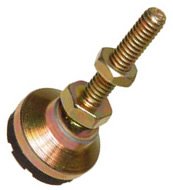
Structural Design Characteristics of leveling feet in Industrial Equipment
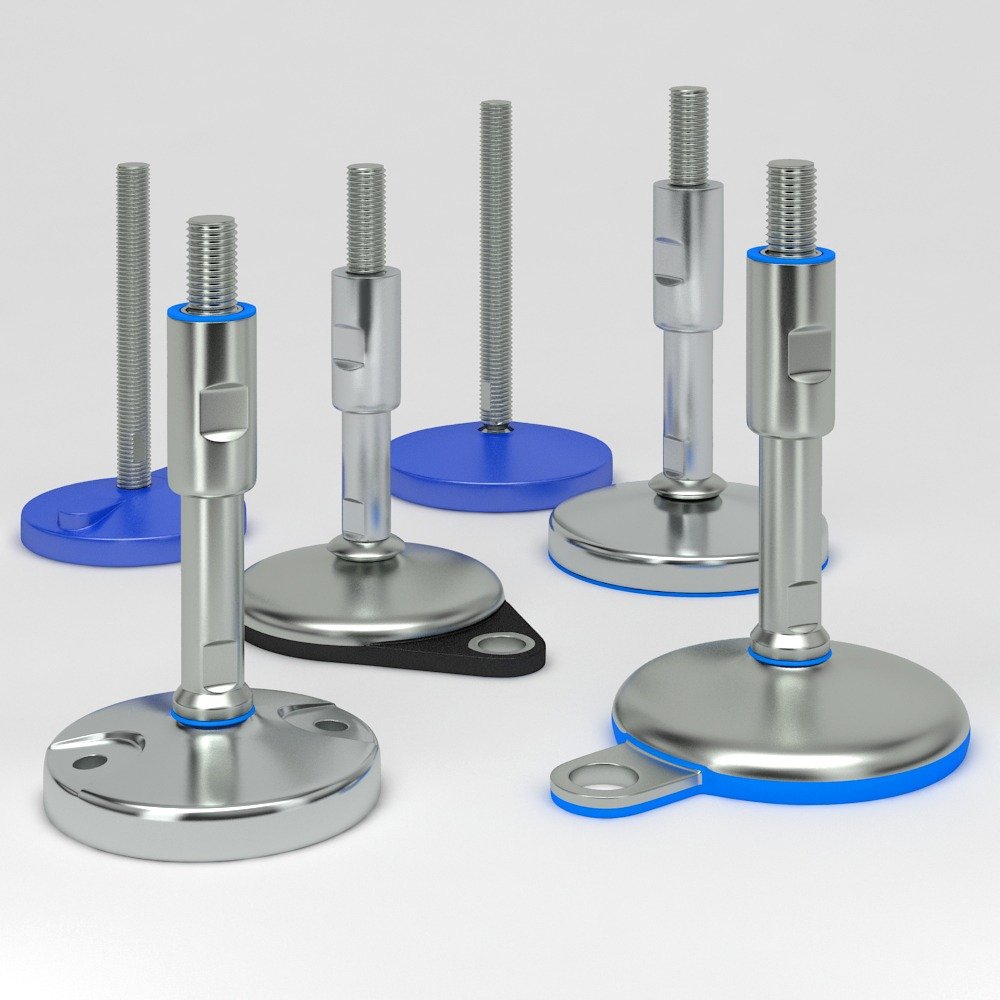
Industrial leveling components rely on a structured design that includes a threaded stem, swivel base, and load-bearing pad. Each element contributes to stability and adaptability. The threaded stem allows precise height adjustment for uneven surfaces. The swivel base enables flexible contact with flooring, improving balance during machine operation. Load-bearing pads distribute weight evenly and prevent surface damage. Engineers design these components to handle both static and dynamic loads. Precision manufacturing ensures alignment accuracy across production systems. In high-performance environments, leveling feet support vibration control while maintaining mechanical integrity under continuous operational stress and heavy industrial use.
Practical Use of leveling feet in Industrial Installation Processes
Installation procedures require careful alignment and torque calibration for safe operation. Technicians first position equipment on the intended surface and then adjust each support point manually. They rotate the threaded stem to achieve correct height balance across all corners. Measurement tools help verify uniform leveling across the base frame. Proper tightening prevents unwanted movement during operation. Maintenance teams often inspect alignment after initial installation cycles. Correct installation improves load distribution and reduces structural fatigue. Industrial environments depend on precise adjustment techniques to ensure machinery remains stable during high-speed production and repetitive mechanical cycles.
Types and Performance Variations in leveling feet Systems
Different industrial environments require different leveling solutions based on load, vibration, and hygiene conditions. Standard designs support general machinery applications. Heavy-duty versions handle large equipment with high structural loads. Hygienic models serve food and medical industries where cleaning is essential. Swivel designs improve surface contact on uneven floors. A anti vibration leveling foot reduces oscillation in sensitive machinery and protects precision components from micro-movements during operation. Each type offers unique mechanical advantages depending on application requirements. Engineers select designs based on load capacity, environmental exposure, and required stability performance in industrial systems.
Comparative Technical Specifications of Industrial Leveling Components
| Type | Load Capacity | Material | Primary Function |
|---|---|---|---|
| Standard Model | Medium | Carbon Steel | General stability control |
| Heavy Duty Model | High | Stainless Steel | Industrial load support |
| Hygienic Model | Medium | Polymer Coated Steel | Clean environment use |
This comparison highlights how different structural designs support specific industrial demands. Engineers select models based on operational weight and environmental exposure.Heavy duty versions perform best in continuous production systems with high mechanical stress.
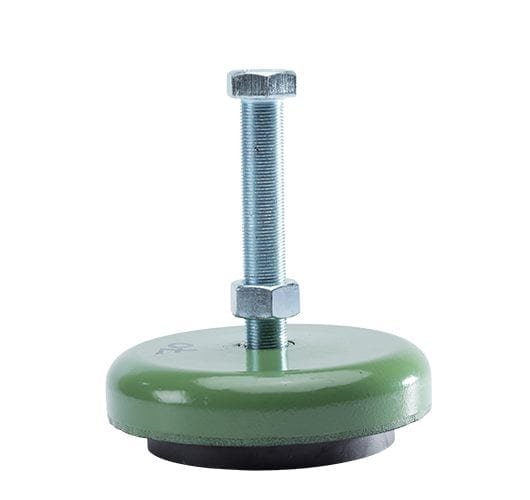
Hygienic variants focus on easy cleaning and contamination control. Standard models provide balanced performance for general machinery setups. Material composition strongly influences corrosion resistance and lifespan. Proper selection ensures consistent performance and reduces maintenance downtime in industrial operations.
Engineering Advantages of Industrial Leveling Systems in Production Lines
Industrial production lines rely heavily on leveling systems for accuracy and efficiency. leveling feet ensure machines remain stable during continuous cycles.
They reduce alignment errors that could disrupt product quality. Production engineers integrate them into conveyor systems, packaging units, and robotic stations. These components also help maintain synchronization between connected machines. A well-balanced system reduces wear on mechanical joints and improves energy efficiency. Operators benefit from smoother workflows and reduced maintenance interruptions. In high-speed manufacturing environments, stable support structures are essential for maintaining consistent output and reducing operational risks.
Application Scenarios of leveling feet in Modern Industrial Equipment
Leveling feet appear across multiple industrial sectors including automation, manufacturing, and laboratory systems. CNC machines use them to maintain precision cutting alignment. Packaging equipment depends on them for vibration control during high-speed sealing operations. Laboratory instruments require stable platforms to ensure measurement accuracy. HVAC systems use them to stabilize heavy enclosures and reduce operational noise. Electrical cabinets rely on them for safe positioning and airflow optimization. Industrial robots also benefit from stable base support during repetitive motion tasks. Each application demands precise adjustment capability to maintain performance consistency under different working conditions.
Performance Testing and Industrial Reliability Standards for leveling systems
Manufacturers conduct strict load and fatigue testing to ensure long-term reliability. Testing includes static load resistance, vibration endurance, and environmental exposure simulation. Engineers evaluate performance under continuous stress conditions to identify structural weaknesses. Corrosion tests simulate humid and chemical environments. Fatigue cycles measure durability under repetitive load changes. Quality standards often align with ISO industrial stability requirements. Certification ensures safe usage in demanding production environments. Proper testing guarantees consistent performance and reduces failure risks. Reliable systems improve operational safety and extend machinery service life across industrial applications.
Installation Accuracy and Adjustment Efficiency in leveling systems
Accurate installation directly impacts machine performance and safety. Technicians adjust each support point individually to achieve perfect balance. Measurement tools verify horizontal alignment across equipment bases. Torque control ensures secure fastening without damaging threaded components. Proper calibration prevents uneven load distribution. Regular inspection maintains long-term stability and performance accuracy. In industrial settings, small misalignments can lead to vibration issues and reduced efficiency. Therefore, precise adjustment practices remain essential. Maintenance teams follow standardized procedures to ensure consistent setup quality across all installed systems in production environments.
Industrial Value and Operational Benefits of leveling systems
Leveling feet significantly improve industrial efficiency by enhancing stability and reducing vibration. They support accurate machine positioning and reduce mechanical stress on structural components. This improves overall equipment lifespan and reduces maintenance costs. Operators benefit from smoother workflows and improved safety conditions. Production systems achieve higher consistency and reduced error rates. In addition, they help optimize energy usage by minimizing mechanical resistance. Industrial engineers consider them essential components in modern equipment design. Their ability to maintain balance under dynamic conditions makes them indispensable in advanced manufacturing environments.
FAQ
What are leveling systems used for in heavy machinery?
Leveling systems support heavy machinery by ensuring stable positioning on uneven industrial floors. They distribute weight evenly across support points, reducing structural stress during operation. These systems also help control vibration generated by large motors and moving components. In heavy manufacturing environments, stability directly impacts safety and production accuracy. Engineers use them to maintain alignment in presses, mills, and automated production lines. Proper adjustment improves machine lifespan and reduces downtime caused by misalignment or excessive vibration. Their role becomes critical in environments where heavy loads and continuous operation occur daily.
How do leveling systems improve equipment stability?
Leveling systems improve stability by creating a balanced support base under industrial equipment. They adjust height differences caused by uneven flooring, ensuring machines remain level during operation. This balance reduces unwanted movement and vibration transfer across structural frames. Stable positioning also enhances precision in automated systems and measurement devices. Operators benefit from reduced noise and smoother mechanical performance. Stability improvements also reduce wear on internal components. In production environments, consistent balance ensures uniform output quality and safer working conditions for operators handling heavy machinery or sensitive instruments.
What materials are best for durable industrial support components?
Material selection depends on load requirements, environmental conditions, and corrosion exposure. Stainless steel offers high strength and excellent rust resistance for demanding environments. Carbon steel provides strong load-bearing capacity at lower cost. Rubber components reduce vibration and improve grip on smooth surfaces. Composite materials combine durability with lightweight properties for specialized applications. Protective coatings enhance resistance against chemicals and moisture. Engineers select materials based on expected stress levels and operational conditions. Proper material choice ensures long service life, stable performance, and reduced maintenance requirements in industrial equipment systems.