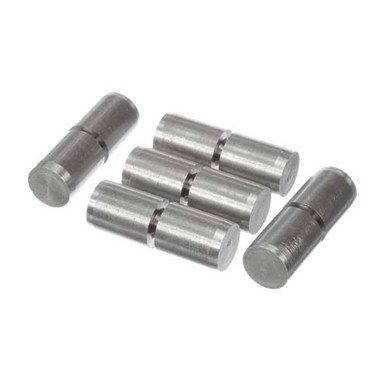
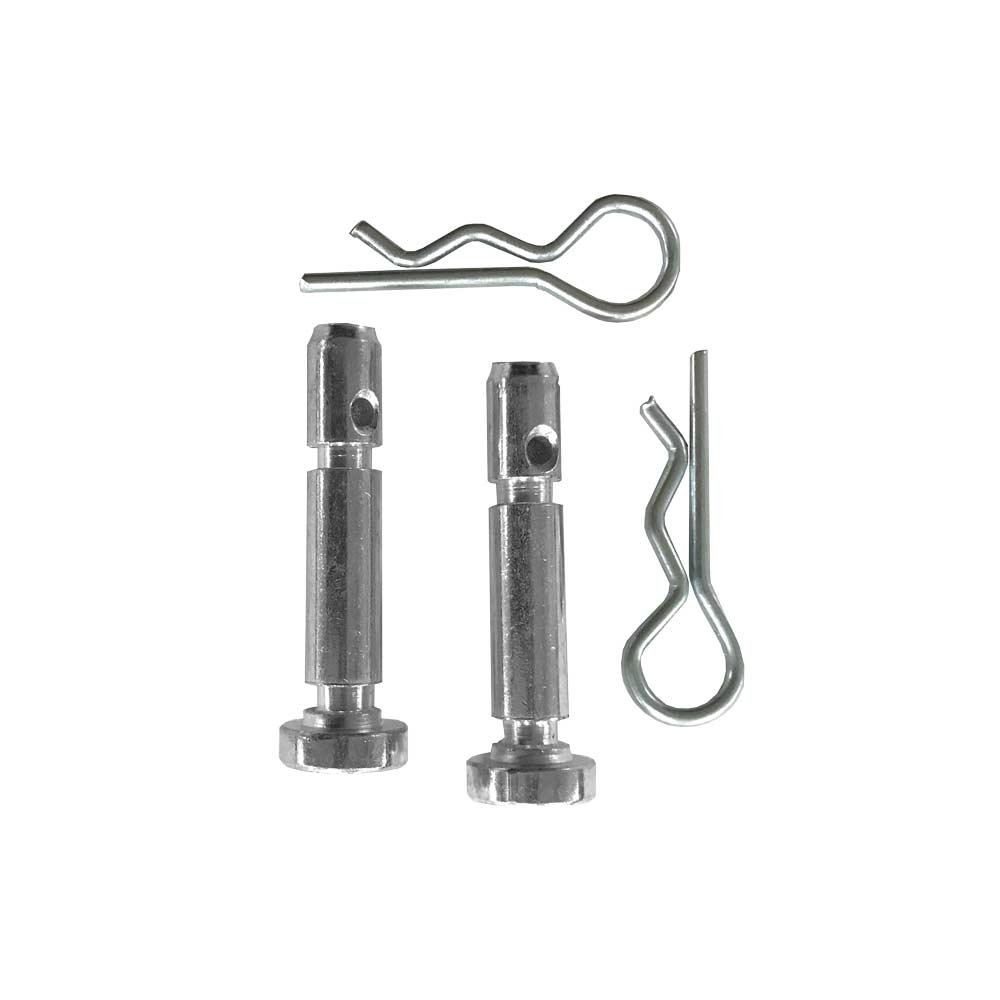
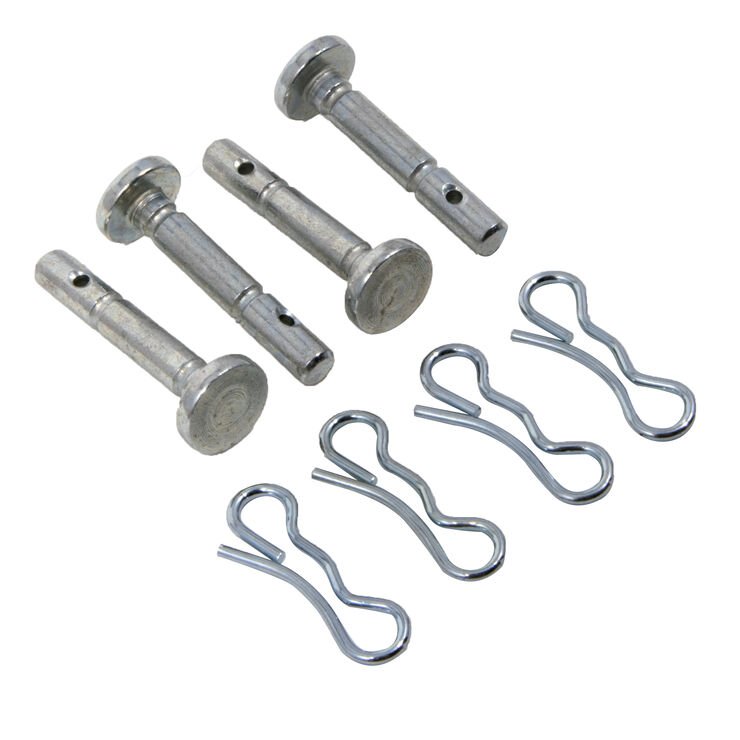
Engineers constantly seek reliable ways to prevent catastrophic drivetrain failure in heavy industrial rotating machinery systems. High torque spikes often threaten to destroy expensive gears, shafts, and electric motors during sudden operation jams. Implementing precise shear pin sizing provides a cheap yet highly effective mechanical fuse for these applications. This sacrificial element breaks at a predetermined force to isolate the delicate driving components immediately. Plant operators reduce unexpected downtime significantly by choosing the correct mechanical dimensions and material strengths. Proper calculation ensures that normal operating loads pass through without causing fatigue or premature failure. Designers must analyze systemic stress variables to select the best sacrificial pin components for their setups. Regular maintenance protocols also extend the life of surrounding machinery.
Analyzing the Fundamental Physics of Rotational Shear Stress
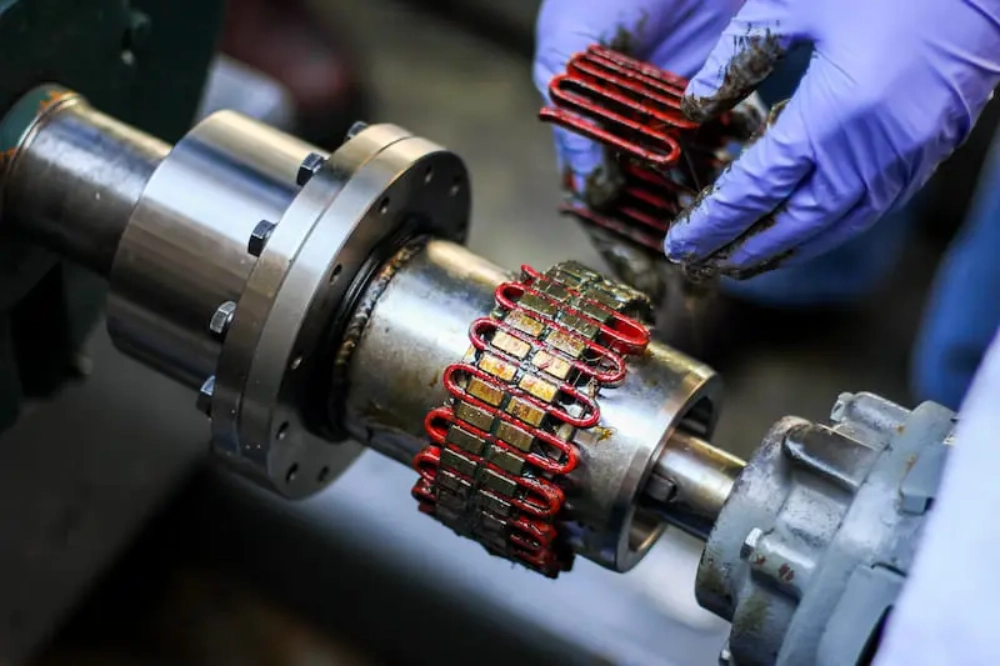
Mechanical power transmission relies on shaft coupling systems that experience variable torsional forces during daily operation. Rotational torque generates direct shear stress across the transverse plane of the coupling pin element. This localized stress concentration must exceed the ultimate shear strength of the metal to trigger physical fracture. Double shear arrangements distribute the load across two planes to double the effective load capacity. Single shear configurations focus all energy on one narrow point for faster and cleaner breakages. Engineers calculate the exact force threshold to prevent micro-deformation during normal high-load cycles. Selecting an incorrect shear point leads to premature wear or complete protection failure. Proper stress analysis prevents unexpected machine stops and guarantees consistent performance under tough industrial conditions.
Mathematical Formulas Supporting Accurate Shear Pin Sizing Calculations
Torsional formulas dictate the exact physical requirements for sacrificial components in heavy drive systems. Operators determine the maximum allowable torque by measuring the safe limits of the weakest shaft. Calculated torque values dictate the exact force applied to the radial distance of the connector. Divide this torsional value by the shaft radius to find the direct shearing force. Designers then divide this force by the ultimate shear strength of the selected metal. That specific step determines the required cross-sectional area of the protective pin. Standard engineering tables help match this area to standard commercial wire diameters. Accurate mathematical modeling eliminates guesswork and protects critical drivetrain components from expensive structural damage.
Material Performance Specifications for Mechanical Protective Components
| Material Alloy | Yield Strength (MPa) | Ultimate Shear Strength (MPa) | Corrosion Resistance Rating |
|---|---|---|---|
| Carbon Steel 1020 | 295 | 185 | Low |
| Brass Alloy 360 | 310 | 205 | Medium |
| Alloy Steel 4140 | 415 | 275 | Low |
Interpreting Metallurgical Properties for Safety Device Reliability
Selecting the correct metallurgical composition dramatically influences how predictably a safety device fractures under heavy loads. Carbon steel offers cost-effective protection but lacks the resistance required for highly corrosive outdoor environments. Brass alloys provide excellent Spark-resistance and highly consistent shear thresholds for sensitive chemical processing plants. High-strength alloy steel suits heavy industrial mining systems where normal starting torques are extremely high. Operators must reference these specific material limits during initial shear pin sizing procedures. Choosing a material with high ductility might lead to bending instead of a clean, immediate break. Correct metal choices guarantee that the system operates efficiently without unnecessary maintenance interruptions. Solid engineering data prevents premature fatigue and ensures the safety mechanism functions exactly when needed.
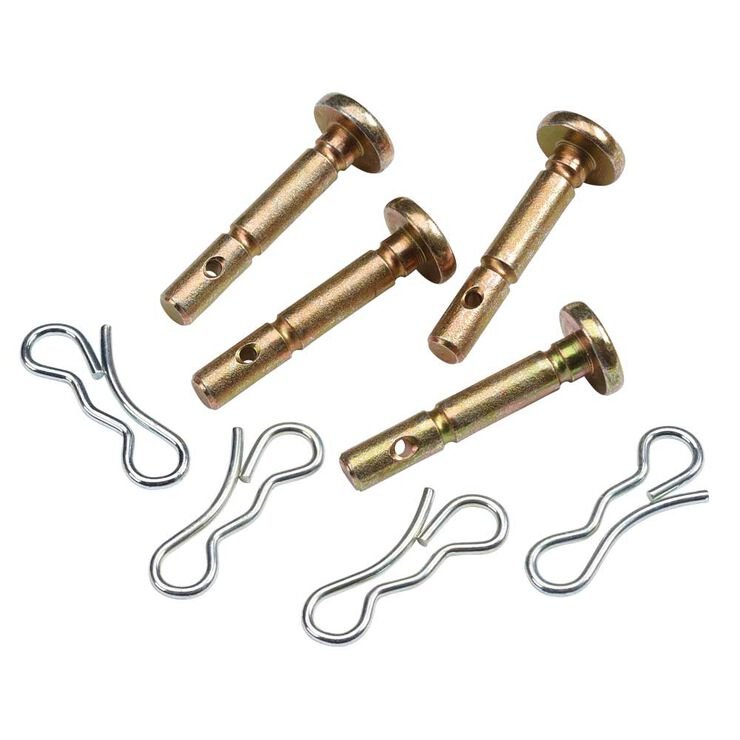
Operational Torque Ranges and Corresponding Pin Configurations
| System Torque Limit (Nm) | Shaft Diameter (mm) | Recommended Pin Diameter (mm) | Safety Factor Margin |
|---|---|---|---|
| 500 | 40 | 6 | 1.25 |
| 1500 | 60 | 10 | 1.30 |
| 3500 | 80 | 14 | 1.35 |
Evaluating System Torque Capacities and Alignment Tolerances
Industrial couplings handle variable loads that demand precise alignment during heavy operational stress cycles. Torque limits dictate how much force passes through the rotating shaft before triggering the mechanical fuse. Adjusting the connector distance alters the actual shear force on the sacrificial metal. Plant technicians utilize a specialized machining lock pin to secure components during critical maintenance procedures. Such an alignment step prevents unnecessary strain on the safety device during startup. Every calculated parameter directly impacts shear pin sizing accuracy across different system configurations. Ignoring these small measurement changes leads to premature fatigue and eventual equipment damage.
Field operators must verify these tolerances regularly to avoid sudden unplanned production stops. Precise dimensional matching guarantees that your machinery runs safely under peak operating conditions.
Physical Installation Factors for Industrial Coupling Assemblies
Inspect the sleeve bore for scratches or material debris before pin insertion.
Verify that the mating shafts align perfectly along the rotational axis.
Apply recommended high-pressure lubricants to prevent fretting corrosion over time.
Check the pin retention mechanism to prevent sliding during rapid rotation.
Optimizing Physical Installation and Component Integrity
Proper installation practices ensure that physical safety components perform exactly to their engineered specifications. Microscopic surface imperfections inside the sleeve bore can create localized stress points. These contact points cause early fractures even under normal, safe operating forces. Technicians often install a stainless steel shear pin to withstand humid or corrosive industrial environments. That specific alloy choice prevents rust from locking the safety device into the coupling. Mechanical builders integrate these material details into their main shear pin sizing calculations. Reliable power transmission depends on maintaining clean contact surfaces throughout daily plant operations. Regular checks keep the rotating parts moving freely without inducing unwanted axial play. Consistently following these maintenance steps increases the operational lifetime of heavy industrial gearboxes.
Ensuring Operational Continuity Through Standardized Shear Pin Sizing
Modern processing facilities require high-performance safety couplers to protect massive capital investments from sudden failures. Engineering teams must document all replacement procedures clearly to avoid maintenance errors during night shifts. Storing pre-cut pins in labeled bins prevents workers from installing unrated hardware by mistake. Regular shear system testing confirms that safety devices respond correctly to simulated torque overruns. Such preventative discipline keeps production lines running efficiently while safeguarding critical machinery. Plant managers minimize expensive physical damage by treating sacrificial couplers as vital components of operational strategy. Investing time in precise calculations pays off through enhanced workplace safety and reduced repair costs. Correct alignment and routine checks maintain mechanical harmony throughout the entire lifetime of your plant. Consistent testing and calibration secure long-term productivity across all heavy manufacturing departments.
FAQ
What specific metallic alloys offer the most predictable shear behavior?
Engineers prefer brass alloys for applications requiring highly consistent shear performance under tight tolerance limits. Brass exhibits minimal work hardening, meaning it breaks cleanly without bending under stress. Carbon steels also offer predictable fracturing when designers control carbon levels carefully during manufacturing. Soft aluminum alloys provide excellent alternatives for low-torque light machinery protection. In contrast, stainless steel provides high resistance to rust but displays less predictable shear points. Selecting the proper alloy depends heavily on your environmental conditions and system torque requirements. Proper mechanical matching prevents premature failure during daily operations. Plant operators must consult detailed material datasheets before finalizing their selection.
How do operational temperature fluctuations affect load limits?
Extreme thermal changes alter the molecular structure of metals and shift their ultimate shear limits. Sub-zero temperatures increase metal brittleness and make components fracture under much lower torque forces than expected. Conversely, extreme heat increases ductility and causes safety pins to deform instead of breaking cleanly. Such deformation prevents the safety device from shearing quickly, which threatens the connected drivetrain. Operators must adjust material specifications when working in extreme outdoor climates or high-temperature processing zones. Choosing temperature-resistant metals ensures consistent protection throughout seasonal weather shifts. Regular temperature monitoring prevents unexpected mechanical failures during operation.
Why should standard industrial fasteners never replace calibrated shear pins?
Standard commercial bolts possess unpredictable yield margins that jeopardize the safety of your rotating components. Fasteners have threads that create inconsistent stress areas along the main shear plane. These threaded sections make exact shear calculations impossible during high-speed operations. Furthermore, common hardware lacks the strict quality control of dedicated safety devices. An unrated bolt might bend indefinitely instead of breaking during a critical system jam. That failure to shear causes immediate and expensive gearbox destruction. Using certified safety pins maintains precise calibration and guarantees reliable mechanical protection. Industrial facilities must prioritize certified replacement parts to ensure continuous operational safety.