Analyzing Spring Pin Vs Solid Pin Dynamics in Manufacturing
Choosing a spring pin vs solid pin requires deep technical knowledge of mechanical joints. Engineers must evaluate load limits, vibration exposure, and manufacturing tolerances before choosing components. Incorrect fastener selection often causes catastrophic equipment failure in high-speed assembly lines. Modern production facilities demand components that maintain tight holds under constant mechanical stress. Solid designs offer exceptional rigidity, whereas flexible designs accommodate expansion and contraction. This comparison examines how material properties affect long-term reliability in harsh working environments. Heavy machinery operators prioritize shear strength, while aerospace producers focus on component weight. Selecting the ideal metal pin ensures superior joint durability and lowers maintenance expenses. We examine these critical differences to assist your industrial procurement decisions.
Mechanical Design and Functional Mechanics of Flexible Spring Pins
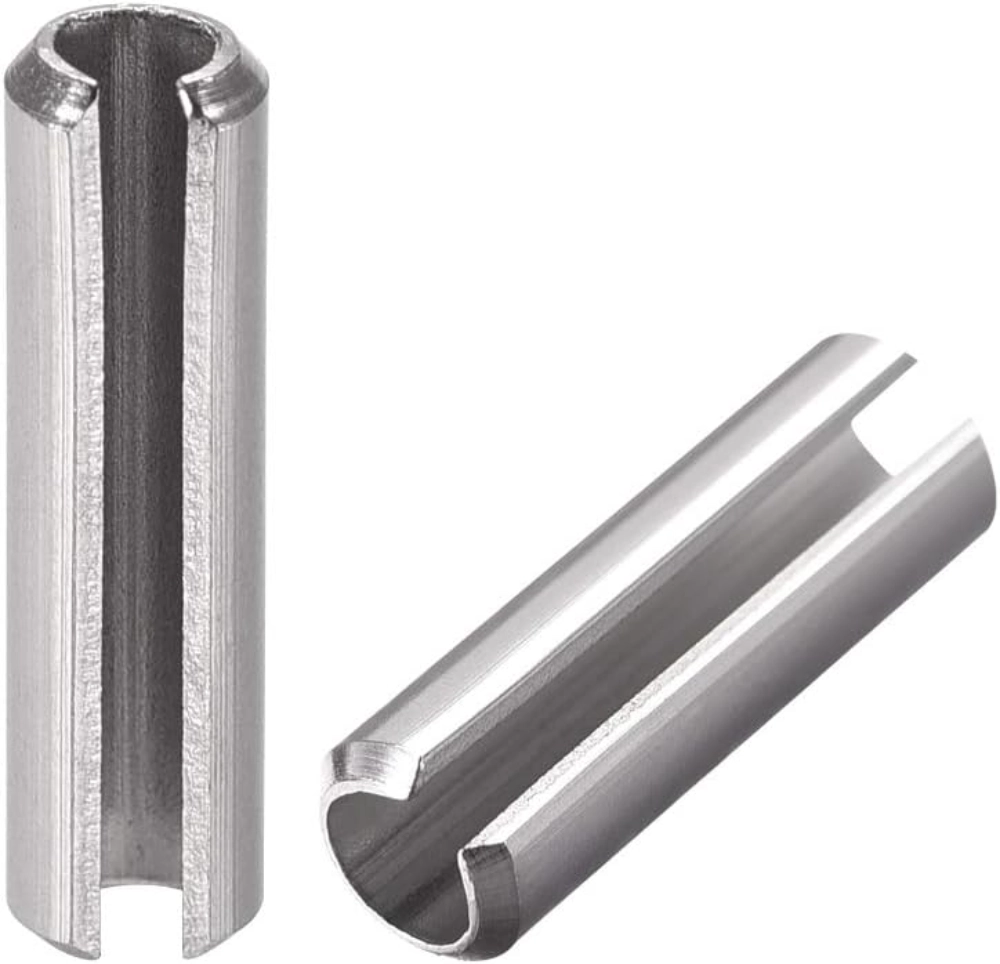
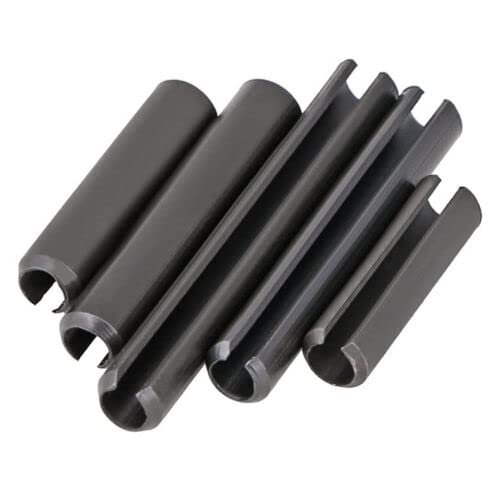
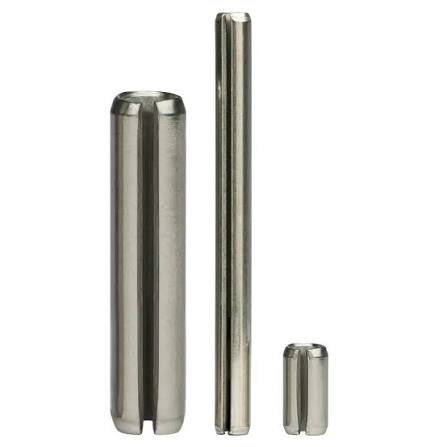
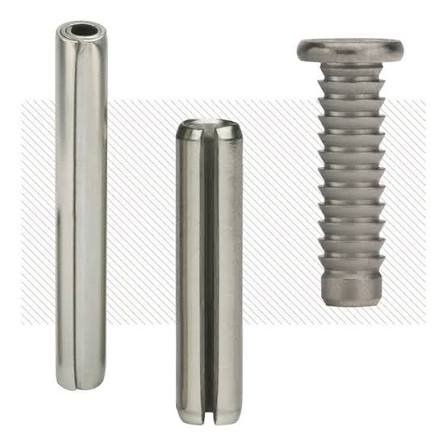
Coiled and slotted pins function by applying continuous outward radial force against hole walls. These elastic metal fasteners compress during installation and retain constant tension within the joint. Manufacturers utilize spring steel SAE 1070 to manufacture durable options with high fatigue limits. The inherent flexibility allows these components to absorb shocking impacts without breaking. Several distinct advantages make elastic fasteners ideal for dynamic industrial machinery applications:
Dynamic self-retaining force that prevents vibration loosening.
Generous hole tolerance requirements which lower production costs.
Shock-absorbing design that protects sensitive mating components.
Users easily install these fasteners using basic pneumatic press tools during assembly operations. This hollow center also facilitates fluid flow or wiring in specific mechanical setups.
Mechanical Application Explanations for Tension-Based Fasteners
Radial tension ensures the fastener remains secure even under severe vibrational stress. Engineers specify these flexible devices for rotating assemblies and critical safety linkages. The elastic properties allow the component to deform slightly, absorbing energy from sudden shocks. For instance, a heavy-duty machining lock pin utilizes this elasticity to maintain alignment. This flexibility prevents stress concentration in the housing material, which protects expensive machinery parts. Standard drill holes require no high-precision reaming when you utilize these flexible designs. Consequently, assembly lines achieve faster output speeds and experience fewer tooling failures. Maintenance technicians appreciate the straightforward removal process using simple hand punches. These features make flexible pins a cost-effective choice for modern automated factory setups.
Structural Properties and Rigid Design of Solid Cylindrical Pins
Evaluating the spring pin vs solid pin debate requires analyzing precise material dimensions. Solid cylindrical pins deliver maximum shear strength and rigid alignment for critical heavy tooling. Precision-ground dowels maintain exact placement between mating components within gearboxes and engine casings. Mechanical designers select hardened steel alloy with precise m6 or h8 tolerance fits. This rigid structure resists lateral force but lacks any internal elasticity to absorb vibration. The following dataset outlines the dimensional tolerances and mechanical characteristics of rigid fasteners:
| Fastener Type | Typical Hardness | Shear Resistance | Hole Precision Needs |
|---|---|---|---|
| Solid Dowel Pin | 60 HRC | Extremely High | High (Reamed Hole) |
| Tapered Solid Pin | 45 HRC | High | High (Tapered Hole) |
Consequently, assembly lines must perform expensive precision reaming prior to inserting these solid components. Such requirements ensure a perfect interference fit that prevents unwanted slip during operation. Heavy-duty transmissions rely on these tight tolerances to maintain perfect shaft alignment.
Industrial Applications and Load Capacities of Solid Fastener Pins
High hardness ratings ensure solid cylindrical connectors withstand extreme perpendicular forces. These rigid devices excel in heavy manufacturing machinery and power transmission gearboxes. For instance, a stainless steel shear pin protects marine propulsion systems from overload damage. This mechanical component shears cleanly at a predefined torque threshold to prevent engine destruction. Unlike flexible pins, solid variations offer no radial expansion to fill oversized holes. Machinists must ream each hole to precise tolerances to achieve an effective interference fit. Standard drill operations cannot produce the extremely tight tolerances that these rigid connectors demand. Precise assembly techniques guarantee absolute spatial accuracy during continuous mechanical operation. Consequently, high-load industrial setups favor solid metal fasteners for crucial alignment tasks. Heavy engineering projects rely heavily on this rigid structural support for long-term safety.
Crucial Structural Differences of Spring Pin Vs Solid Pin Fasteners
Comparing these mechanical fasteners highlights major differences in flexibility, installation, and longevity. Engineers select fasteners based on the specific load profile and operational environment. Heavy machinery often subjects joints to intense shearing forces and high vibration levels. Rigid systems require perfect hole preparation, whereas flexible systems adapt to slight inaccuracies. The following table contrasts the critical material performance metrics of both fasteners:
| Performance Feature | Flexible Spring Pin | Rigid Solid Pin |
|---|---|---|
| Vibration Resistance | Excellent (Self-Dampening) | Poor (Transmits Vibrations) |
| Hole Diameter Tolerance | Generous (Up to 0.2mm) | Strict (Within 0.01mm) |
| Ultimate Load Capacity | Moderate to Low | Extremely High |
Elastic components excel in high-frequency vibration environments due to self-damping characteristics. Solid options handle much higher static loads but fail quickly under severe fatigue stress. Choosing the wrong design leads to component deformation or complete assembly failure. Proper analysis ensures maximum product lifespan and minimizes unexpected machinery downtime. Manufacturing plants benefit from selecting the most cost-effective fastening solution for their designs.
Technical Evaluation of Fastener Performance Data
Analyzing the spring pin vs solid pin data highlights distinct load distribution mechanisms. Elastic connectors absorb continuous vibration by flexing slightly within the hosting hole. This flexing action dampens mechanical resonance and protects surrounding structural parts. Conversely, solid metal cylinders transmit vibrations directly through the joint housing. Such constant movement slowly degrades mating surfaces and eventually causes joint loosening. However, solid designs resist shear stresses that would crush a hollow spring alternative. Engineers utilize these rigid cylinders when exact dimensional positioning remains the top priority. These qualities make them perfect for alignment dowels in high-precision automotive engine blocks. Selecting the appropriate fastener involves balancing vibration damping needs against shear load limits. Each application requires custom engineering review to ensure long-term assembly safety.
Quality Compliance and Global Engineering Standards
Industrial manufacturing demands strict adherence to international standard specifications for safety. Reputable producers fabricate components according to ISO 8752 and ISO 8734 rules. These standards dictate exact material hardness, tensile strength, and dimension tolerances.Utilizing certified fasteners guarantees predictable performance during heavy-duty factory operations. For instance, aerospace applications require complete material traceability for every joint component.
This documentation ensures that alloys withstand harsh environmental conditions without cracking. Quality testing facilities verify shear strength ratings using standardized hydraulic press machines. Purchasing departments must request material test reports from suppliers during procurement. Such preventive measures avoid counterfeit parts entering the production supply chain. Certified hardware ultimately protects workers and machinery from sudden structural failures.
FAQ
Which specific fastener option handles higher shear loads?
Solid cylindrical connectors offer significantly higher shear load capacity than hollow options. Their fully dense cross-section resists cutting forces that easily collapse hollow components. Consequently, heavy machinery designers specify hardened steel dowels for extreme loading conditions. For instance, industrial gearboxes rely on solid alloys to maintain joint integrity. This makes the solid design superior for applications requiring maximum mechanical resistance. When comparing spring pin vs solid pin limits, solid variations always win on strength. However, you must ensure perfect hole alignment to accommodate these stiff connectors. Choosing the right fastener type prevents joint failure under massive working forces.
Can engineering teams safely reuse spring pins?
Reusing these flexible fasteners is generally risky and often compromises assembly security. The insertion process forces the elastic metal to compress inside the hole. This mechanical stress causes slight permanent plastic deformation over prolonged operational cycles. Consequently, a removed pin fails to exert the same radial force when reinstalled. Such loss of retention tension raises the risk of components backing out. Maintenance protocols typically mandate installing new components during equipment overhaul. Spending pennies on new hardware protects expensive industrial machinery from catastrophic joint failure. Fresh components guarantee optimal clamping force and ensure reliable continuous machine operation.
How does intense vibration affect these mechanical joints?
High-frequency vibration rapidly loosens rigid fasteners that lack self-retaining elastic features. Solid dowels often slide out of position when severe vibrations stress the joint. Conversely, elastic designs expand outwards to maintain a tight grip against hole walls. This continuous radial force dampens micro-movements and prevents the pin from migrating. Such physical differences heavily influence the spring pin vs solid pin choice for vibrating machinery. Equipment like agricultural harvesters and industrial vibrators rely exclusively on flexible tension options. Selecting the proper component protects key assemblies from costly wear and sudden dislocation. Optimal choices ensure consistent machine performance and reduce the need for frequent inspections.