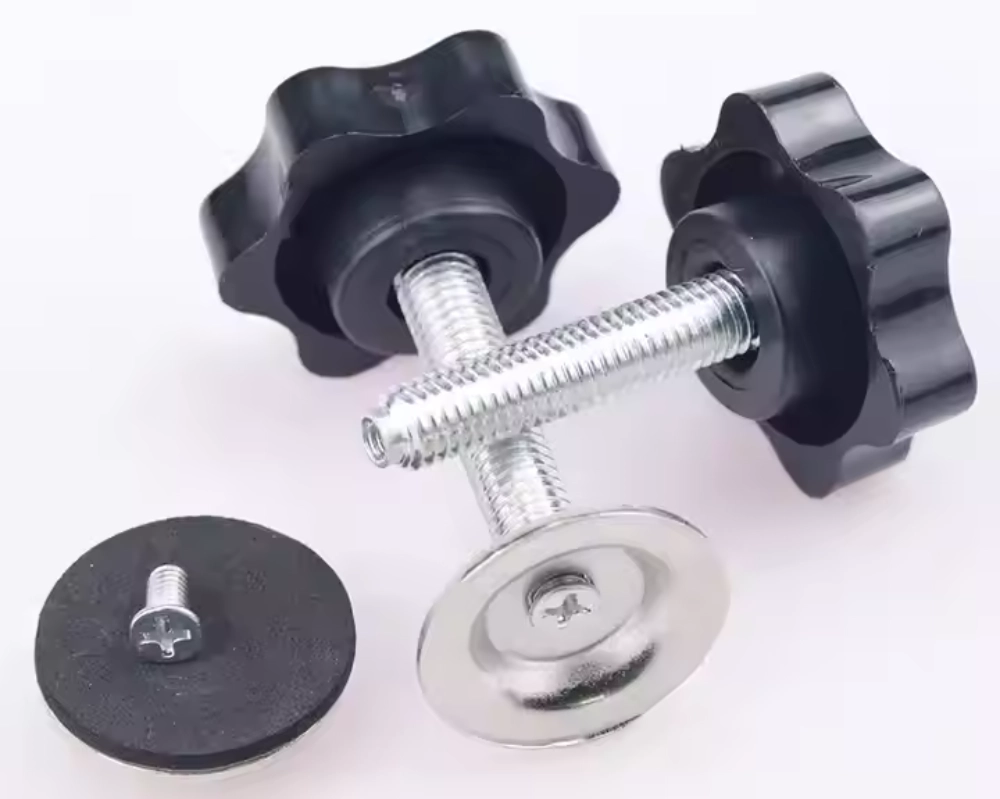
Industrial equipment requires dependable fastening components that maintain stability during repeated operations. A stainless steel clamping knob provides strong fixation, smooth adjustment, and resistance against demanding environments. Buyers should evaluate material quality, thread accuracy, and application conditions before selecting suitable products. The correct choice improves equipment reliability and reduces replacement frequency. Industrial designers often consider operating temperature, vibration levels, and exposure to chemicals. These factors influence performance expectations and service life.
A carefully selected clamping solution supports safer machine operation and improves overall maintenance efficiency. Professional evaluation helps users match product specifications with practical requirements.
Key Structural Design Features Of Clamping Components
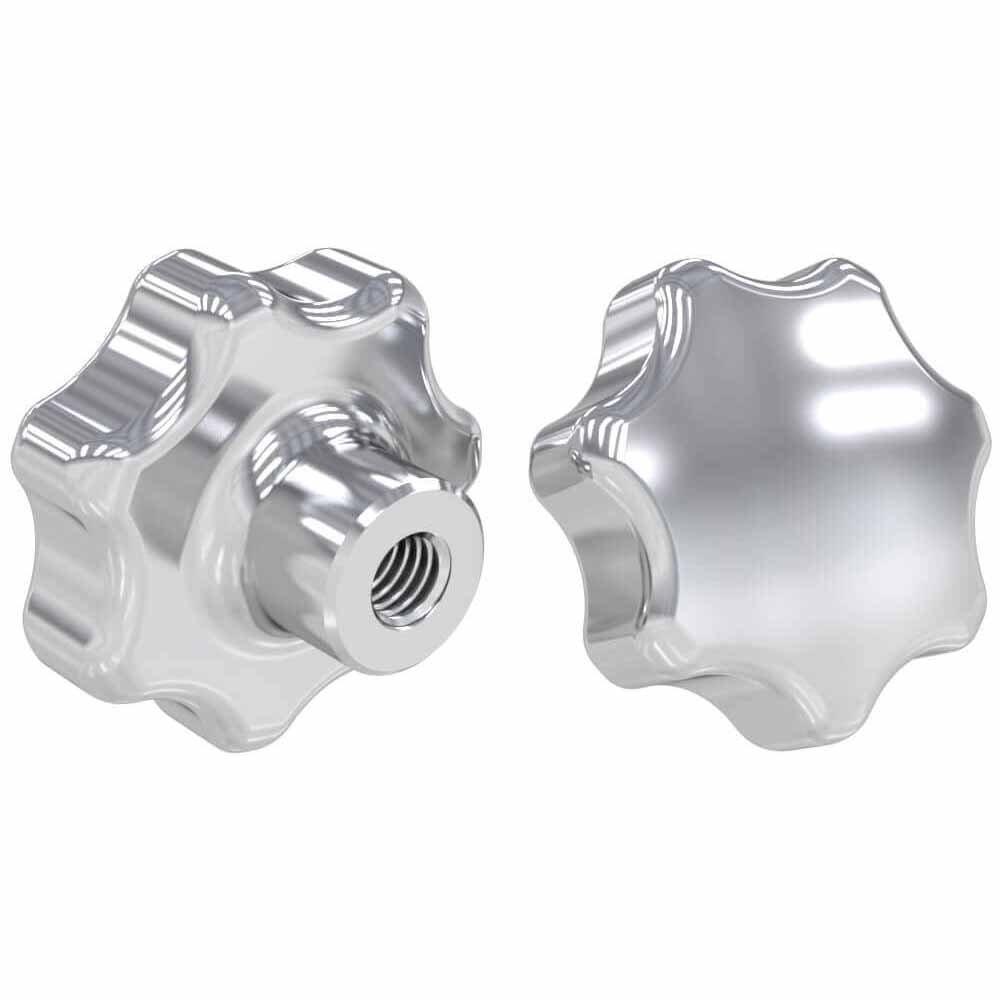
A clamping knob contains several important parts that influence its function. The external grip surface allows operators to apply manual force comfortably. The threaded insert connects with screws or shafts to create secure positioning. Internal structures require accurate machining because poor thread quality can cause instability. Manufacturers usually focus on dimensional precision, surface finishing, and material consistency. Different designs support different adjustment requirements. Some applications need frequent tightening, while others require permanent positioning. Engineers should review the connection method, available installation space, and expected load before choosing components. Proper structural design creates better control and longer operational performance.
Material Selection And Stainless Steel Performance Characteristics
Material choice directly affects durability, corrosion resistance, and mechanical strength. Stainless steel materials are popular because they perform well in humid, industrial, and outdoor environments. Different grades provide different levels of chemical resistance and hardness. For example, 304 stainless steel offers balanced performance for general applications. 316 stainless steel provides improved protection against salt exposure and chemical conditions. Surface treatment can further improve appearance and resistance. Buyers should consider environmental factors before finalizing specifications. A high-quality stainless steel clamping knob should match both mechanical demands and surrounding conditions. Material analysis helps prevent premature damage and supports stable equipment operation.
Evaluating Different Stainless Steel Grades For Specific Applications
Choosing the correct stainless steel grade requires attention to working conditions. Applications near moisture, cleaning agents, or corrosive substances need stronger protection. General machinery may only require standard stainless steel options. Laboratory equipment often demands cleaner surfaces and higher corrosion resistance. Food processing environments may require materials that support strict hygiene requirements. The following table shows common material comparisons.
| Material Grade | Main Features | Suitable Applications |
|---|---|---|
| 304 Stainless Steel | Balanced strength and corrosion resistance | General machinery, fixtures, industrial equipment |
| 316 Stainless Steel | Higher chemical and salt resistance | Marine equipment, chemical environments |
| 430 Stainless Steel | Good hardness and economical performance | Indoor applications and light-duty equipment |
Selecting suitable materials requires comparing performance needs with operating environments. A product with excessive specifications may increase costs unnecessarily. However, insufficient material performance can create maintenance problems. Engineers should consider exposure conditions, expected lifespan, and required strength. Material testing and supplier recommendations can support better purchasing decisions. Reliable selection improves equipment consistency and reduces unexpected downtime.
Key Factors When Selecting Stainless Steel Clamping Knob For Equipment
Equipment requirements determine which specifications deliver the best results. A stainless steel clamping knob should match thread dimensions, load capacity, and installation conditions. Operators should check whether the component needs frequent adjustment or fixed positioning. The grip shape also affects handling comfort and operating efficiency. Heavy machinery may require stronger designs with improved torque performance. Compact devices may need smaller components with precise fitting. Buyers should also review supplier manufacturing capabilities. Consistent production processes help maintain product accuracy across large quantities. Selecting suitable specifications prevents installation issues and improves long-term equipment performance.
Important Product Specifications For Purchasing Decisions
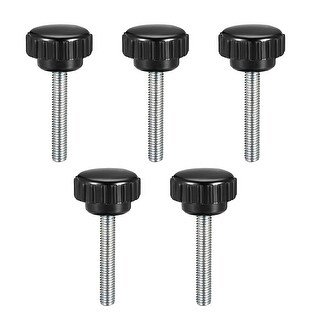
Before purchasing industrial clamping components, buyers should review several important details. These factors influence compatibility, reliability, and user experience.
- Thread type and size compatibility
- Material grade and corrosion resistance
- Surface finish and appearance quality
- Load capacity and mechanical strength
- Custom design availability
Product specifications provide a clear reference for comparing different options. Buyers should communicate equipment requirements with suppliers before production begins.
Professional suppliers can recommend suitable dimensions and materials based on application details. Proper evaluation reduces mistakes and improves product performance. A detailed specification review creates better cooperation between equipment manufacturers and component providers.
Manufacturing Quality Standards That Influence Reliability
Production quality determines whether components maintain stable performance over time. Manufacturers use precision machining methods to control thread accuracy and dimensional consistency. Quality inspections often include measurement checks, surface evaluation, and mechanical testing. Advanced production equipment helps reduce manufacturing errors. Suppliers with strong quality systems can provide consistent batches for industrial projects. The following table highlights important quality factors.
| Quality Factor | Inspection Method | Performance Impact |
|---|---|---|
| Thread Accuracy | Precision measurement tools | Improves installation stability |
| Surface Finish | Visual and surface testing | Enhances appearance and corrosion protection |
| Material Consistency | Material verification processes | Supports reliable mechanical performance |
Manufacturing control directly affects product reliability during practical use. Suppliers should maintain strict procedures from material selection to final inspection. Quality documentation can help buyers evaluate production capability. Consistent manufacturing reduces replacement requirements and supports stable supply chains. Professional production management creates confidence for long-term cooperation.
Customization Options For Different Equipment Requirements
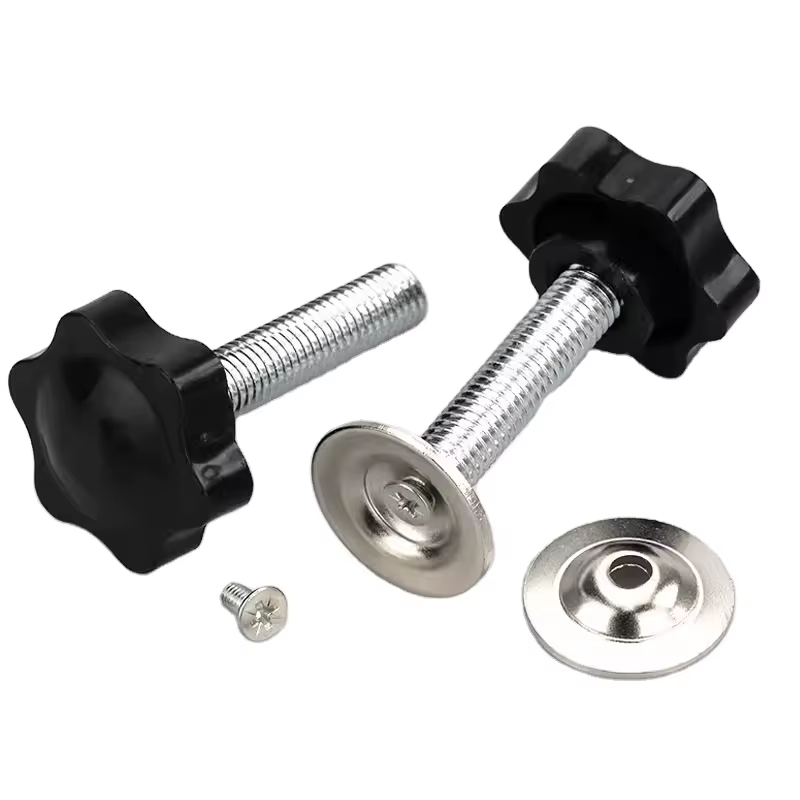
Different industries may require customized solutions because standard products cannot always meet special needs. Suppliers can adjust dimensions, thread specifications, surface finishes, and branding details. Custom colors and grip designs may support specific equipment requirements. OEM services allow companies to develop components that match unique designs. Some applications require special materials because of temperature or chemical exposure. For example, metric clamping lobe knobs may support equipment requiring precise metric connections and comfortable manual adjustment. Custom development helps improve compatibility and operational convenience. Clear technical communication ensures that customized components meet expected performance targets.
Applications Where Advanced Clamping Solutions Provide Better Results
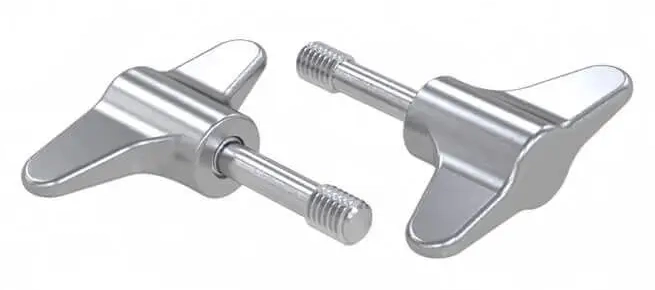
Industrial equipment uses clamping components across many fields. Machinery fixtures, automation systems, laboratory devices, and inspection tools often require reliable adjustment mechanisms. Each application has different demands for strength, precision, and durability. Manufacturing equipment may need frequent adjustments during production processes. Laboratory instruments usually require accurate positioning with smooth operation. Automation systems depend on stable connections to maintain efficiency. Four lobe clamping star knobs can support applications requiring improved grip control and easy manual handling. Selecting suitable designs improves operator experience and reduces adjustment difficulties. Application analysis helps buyers identify the most practical product options.
Supplier Evaluation And Long-Term Cooperation Factors
A reliable supplier provides more than products. Buyers should evaluate manufacturing experience, technical resources, quality management systems, and delivery capability. Experienced manufacturers often have deeper knowledge of different industrial requirements. They can provide recommendations based on materials, dimensions, and application environments. Efficient communication also influences project success. Suppliers with professional engineering teams can support product development and solve technical challenges. Stable production capacity helps maintain consistent delivery schedules. Quality records and inspection systems provide additional confidence. Careful supplier evaluation creates stronger cooperation and supports future product requirements. Reliable partnerships help companies maintain stable equipment performance.
Maintenance Methods To Extend Component Service Life
Proper maintenance improves the lifespan of mechanical components. Regular inspection helps identify wear, thread damage, or surface corrosion. Users should clean components according to environmental conditions. Harsh environments may require more frequent maintenance schedules. Avoiding excessive force during operation prevents unnecessary stress. Storage conditions also influence product quality before installation. Keeping components dry and protected helps maintain surface performance. Maintenance practices should match the working environment and usage frequency. A simple inspection routine can prevent larger equipment issues. Effective care supports continuous operation and reduces replacement costs.
FAQ
What Makes Stainless Steel Clamping Knob Suitable For Industrial Equipment?
Stainless steel clamping components provide strong durability, corrosion resistance, and reliable mechanical performance. They work well in environments requiring frequent adjustments and stable positioning. The material maintains strength under moisture exposure and demanding operating conditions. Accurate manufacturing also improves thread connection and installation stability. These advantages make stainless steel solutions suitable for machinery, automation equipment, and professional tools. Selecting the correct specification ensures better compatibility and longer service life. Buyers should consider load requirements, environmental conditions, and material grade before purchasing suitable products.
How Do You Select The Correct Size And Thread Type For A Clamping Knob?
Selecting the correct size requires checking equipment dimensions, connection requirements, and operating conditions. Thread type should match the existing shaft or screw structure to prevent installation problems. Buyers should review diameter, pitch, and available mounting space carefully. Load requirements also influence the suitable size because heavier applications need stronger structures. Suppliers can provide technical recommendations when equipment details are available. Accurate measurement before ordering reduces compatibility issues. Proper selection improves adjustment efficiency and ensures stable performance during repeated industrial operations.
Can Stainless Steel Clamping Knobs Be Customized For Special Applications?
Yes, customized options can support unique industrial requirements. Manufacturers can modify dimensions, thread specifications, materials, and surface treatments according to project needs. Custom solutions are useful when standard products cannot fit specific equipment designs. Companies may also request branding, packaging, or appearance adjustments for specialized applications. Technical communication between buyers and suppliers helps define accurate requirements. Professional customization improves compatibility and operational efficiency. Reviewing supplier capabilities before development ensures that customized products meet quality expectations and performance standards.