
Industrial construction projects require structural fasteners that can handle massive tension loads. Professional engineers must select concrete fastening components with absolute technical precision. Choosing the incorrect size leads to catastrophic joint failure under heavy shear stresses. Contractors often struggle to choose wedge anchor length embedment dimensions for specialized concrete slabs. This critical decision requires a deep calculation of fixture thickness and embedment limits. We provide exact mechanical formulas to help procurement managers select optimal heavy-duty hardware. Structural integrity depends on correct anchor sizing during the initial planning phase. Secure fastening prevents costly structural failures in industrial warehouse installations. Proper fastener selection protects expensive machinery and heavy steel frames. Mechanical engineers always verify these calculations before approving construction site work.
The Fundamental Role of Embedment Depth in Concrete Anchoring
Embedment depth directly determines the pull-out capacity of heavy-duty concrete fasteners. Under heavy loads, the concrete surrounding the expansion clip forms a failure cone. A shallow depth reduces the mechanical friction required to hold the steel body. Deep installation ensures that the expansion clip expands against solid material. This resistance prevents slippage when strong seismic forces strike the concrete structure. Heavy-duty applications require a minimum embedment of four times the anchor diameter. Designers calculate these values based on actual slab thickness to prevent cracking. High-strength concrete allows for greater holding values than standard lightweight mixtures. Utilizing stainless steel concrete anchors offers superior corrosion resistance in aggressive chemical environments. Engineers choose these materials for coastal installations to extend structural lifespans.
Calculations to Choose Wedge Anchor Length Embedment Options
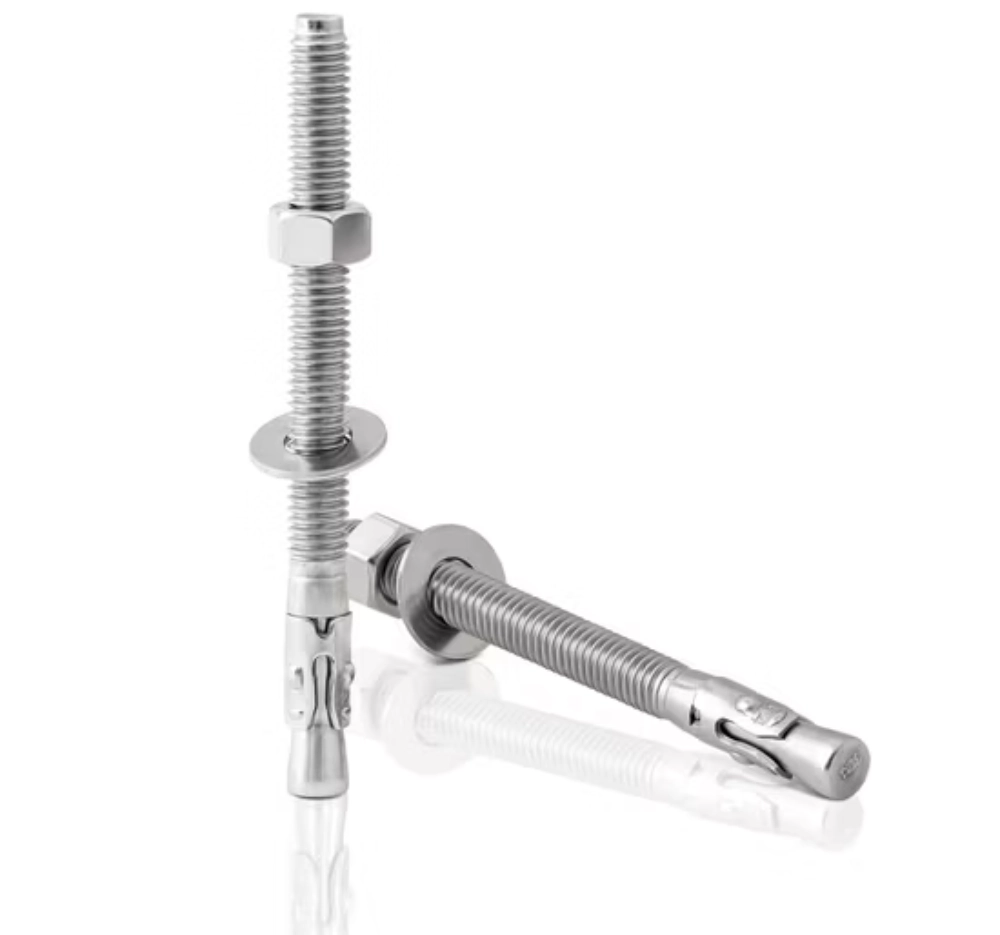
Calculating physical dimensions requires adding the fixture thickness to the necessary embedment depth. You must also include the thickness of the flat washer and nut. These combined measurements define the minimum physical length of the required bolt. Engineers must choose wedge anchor length embedment dimensions based on these critical mechanical variables. Leaving extra threads above the nut allows for proper torque wrench application. Excessively long bolts might hit reinforcing rebar deep inside the concrete base. Short bolts will fail to engage enough concrete to secure the load.
This mathematical approach guarantees safe installations across all industrial warehousing projects. Standard formulas prevent dangerous field modifications that compromise structural security. Detailed checklists help site workers maintain high quality standards on every job.
The Crucial Influence of Concrete Compressive Strength
Concrete compressive strength limits the maximum load capacity of any expansion fastener. High-PSI concrete provides a denser matrix that resists the outward pressure of expansion clips. Low-strength concrete can crumble under the intense stress of tightened mechanical anchors. Heavy machinery installations require standard cured concrete to achieve optimal load-bearing ratings. Green concrete needs adequate curing time before contractors apply any torque load. Cracks in the base material will severely decrease the tension capacity of fasteners. Structural designers must analyze slab thickness to avoid blowout during drilling operations. This analysis ensures the anchor does not penetrate completely through the slab. Safe operations rely on these precise measurements to prevent industrial site accidents.
Compliance Requirements for Commercial Anchoring Systems
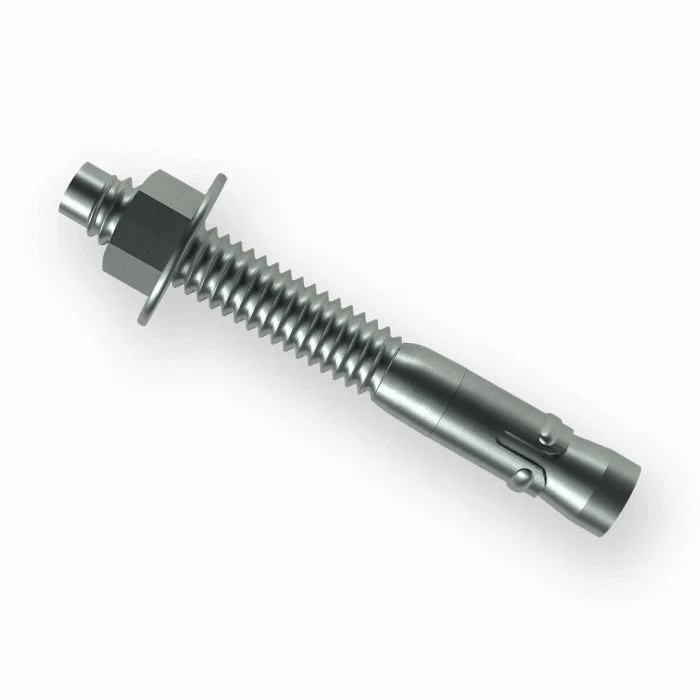
B2B procurement teams must verify that all purchased hardware meets international building codes. Choosing poor quality fasteners increases liability and structural risk during inspection. Standard carbon steel fasteners perform well in dry, indoor environments without moisture exposure. Heavy industrial facilities with wet processing zones demand premium stainless steel materials instead. Professional installers use stainless steel wedge anchors to prevent chemical oxidation in humid factories. These specific materials provide excellent yield strength and maintain torque over long cycles. Code approvals like ICC-ES reports specify exact embedment depths for commercial applications. Site inspectors check these certificates to verify structural compliance during major building inspections. Purchasing managers must choose wedge anchor length embedment systems that carry valid European assessments.
Anchor Diameter and Nominal Embedment Depth Specifications Table
| Anchor Diameter (Inches) | Minimum Embedment Depth (Inches) | Standard Drill Bit Size (Inches) | Recommended Torque (Ft-Lbs) |
|---|---|---|---|
| 3/8 | 1-1/2 | 3/8 | 25 |
| 1/2 | 2-1/4 | 1/2 | 55 |
| 5/8 | 2-3/4 | 5/8 | 90 |
| 3/4 | 3-1/4 | 3/4 | 150 |
Interpreting the Anchor Diameter and Embedment Depth Specifications
The provided specifications chart outlines the correlation between anchor size and embedment standards. Larger fastener diameters necessitate deeper holes to distribute tension forces efficiently. Installation crews must use matching drill bits to prevent hole enlargement. Excessively large holes compromise the grip of the expansion collar. Contractors should consult these dimensional standards before starting any heavy masonry work. Buying managers can choose wedge anchor length embedment sizes that perfectly fit the engineering drawings. Adhering to these torque specifications prevents over-tightening which causes concrete cracking. Proper installation values ensure long-term stability under heavy dynamic load conditions. Field technicians always record these values in quality assurance logs for inspection. Safe operation is the top priority for every industrial project.
Recommended Maximum Fixture Thickness Standards
| Overall Anchor Length (Inches) | Anchor Diameter (Inches) | Maximum Fixture Thickness (Inches) | Required Minimum Hole Depth (Inches) |
|---|---|---|---|
| 3-3/4 | 1/2 | 1 | 3 |
| 5-1/2 | 1/2 | 2-3/4 | 3 |
| 6 | 5/8 | 2-1/2 | 4 |
| 7 | 3/4 | 2-3/4 | 4-1/2 |
Deep Analysis of Recommended Maximum Fixture Thickness Standards
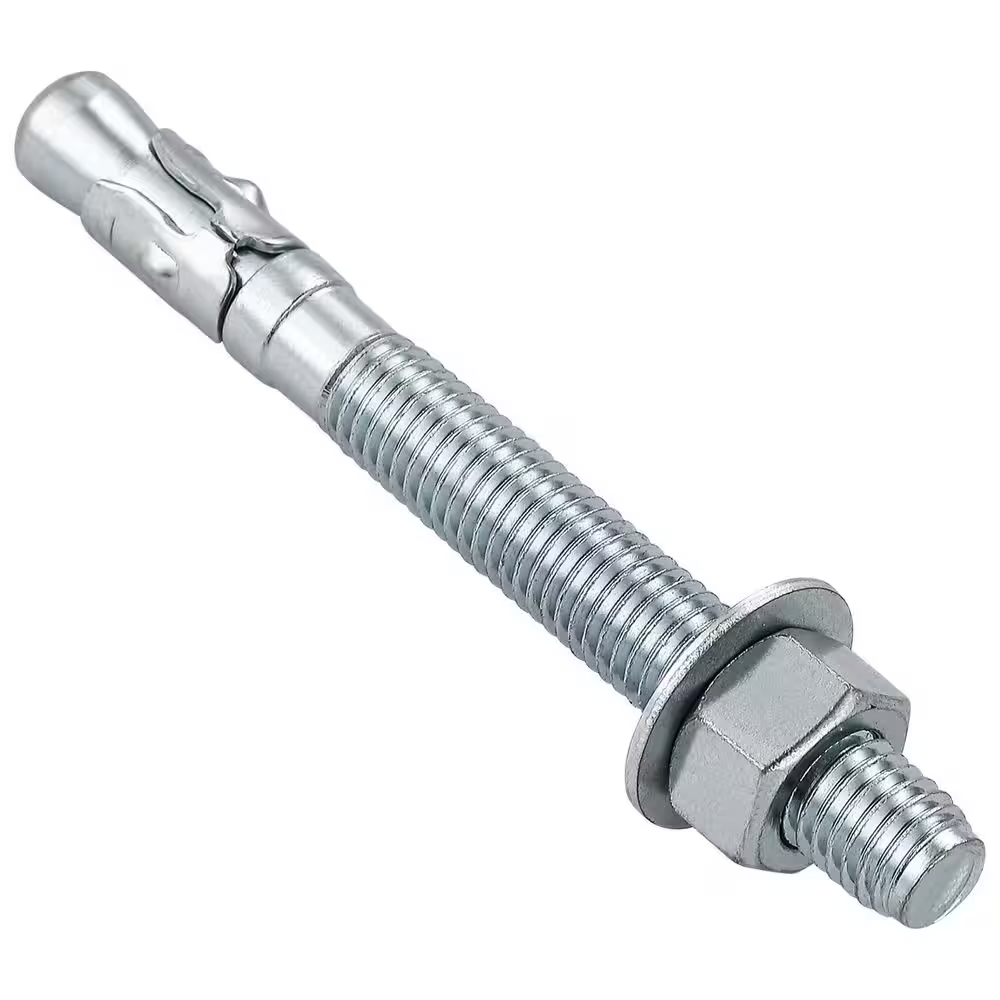
This thickness standards chart illustrates how bolt length determines maximum plate spacing. Thicker structural steel plates require longer bolts to maintain full thread engagement. Installers must plan these lengths to accommodate washers and heavy hex nuts. Standard construction projects use these parameters to order correct fastening materials. Selecting incorrect lengths leads to exposed thread waste or inadequate depth. Project managers compare these values with architectural drawings to verify safe installation. Using verified dimensions reduces material waste during large-scale industrial warehouse builds. Correct plate fastening prevents joint shift under severe heavy machinery operation. Warehouse storage racks require exact sizing to support massive commercial inventory loads safely. Industrial fastening projects achieve high safety ratings through precise dimensional compliance.
Standard Step-by-Step Selection and Installation Procedure
Determine the thickness of your metal fixture plate precisely.
Establish the exact embedment depth required by local codes.
Calculate the total minimum length of the fastening bolt.
Drill a perpendicular hole into the concrete slab.
Clean all concrete dust from the hole completely.
Insert the metal anchor through the fixture hole.
Tighten the hex nut to the specified torque.
Operational Details for Standard Selection and Installation Steps
Executing these steps in order ensures proper mechanical holding power in concrete. Clean holes allow the expansion clip to grip the concrete wall. Leftover drilling dust acts as a lubricant and causes anchor slippage. Tightening the hex nut pulls the tapered end through the clip. This action expands the clip against the concrete hole walls. Field inspectors always verify torque values using calibrated manual torque wrenches. Under-tightened fasteners fail under shear stress during heavy machinery operation. Over-tightening can break the concrete base material around the hole. Following these standard procedures guarantees stable fastening for high-load industrial machinery. Contractors save money and prevent structural redesign by executing these steps correctly. Construction companies reduce physical liability by maintaining these rigorous concrete installation standards. Industrial site supervisors sign off on these quality control checklists before loading.
Final Selection Safety Margin Guidelines for B2B Structural Projects
Safe concrete anchoring requires combining precise engineering math with premium physical hardware. Project managers must choose wedge anchor length embedment dimensions based on actual architectural plans. Standard calculations must always incorporate a reliable safety margin of four to one. This safety margin accounts for slight variations in local concrete density. Consulting structural engineers remains the best way to prevent onsite anchor failures. Quality procurement teams source high-strength steel fasteners from certified global hardware manufacturers. These investments protect heavy physical assets and secure expensive automated assembly lines. Proper planning ensures structural stability for decades of heavy industrial operations. Using correct dimensions minimizes risks and ensures compliance with global building codes. Engineers choose these safety products to protect both warehouse equipment and workers.
FAQ
What is the difference between minimum embedment and nominal embedment?
Minimum embedment refers to the actual depth the fastener must reach below the concrete surface. This dimension represents the lowest limit needed to achieve the design shear and tension capacity. Nominal embedment describes the total depth of the drilled hole before inserting the metal bolt. Engineers use nominal dimensions to select correct drill bit lengths during onsite preparation. Field supervisors must verify both measurements to prevent structural failures in industrial warehouse projects. Correct hole depth ensures the expansion clip engages solid concrete rather than loose dust. Choosing the incorrect depth leads to unsafe loading conditions under heavy dynamic stresses. Procurement teams prioritize high quality materials to guarantee safe operations over long service lives.
Can we install wedge anchors in lightweight concrete surfaces?
Lightweight concrete has a lower density than standard weight concrete structures. This lower density reduces the mechanical holding power of expansion clips under heavy tension load. Installation crews must reduce the allowable design load when working with these softer base materials. Alternatively, contractors can increase the overall embedment depth to achieve the required structural stability. Structural designers check the manufacturer specifications to verify the minimum holding capacity in low-density concrete. Choosing high-strength fasteners provides better security in these challenging structural environments. Technical approval documents outline specific safety factors for lightweight concrete fastening in industrial zones. Procurement departments verify these ratings prior to ordering physical hardware for large site developments.
How does edge distance affect the chosen anchor length?
Installing wedge fasteners too close to a concrete edge causes structural blowout risks. Tension loads create outward pressure that can easily crack unsupported outer concrete layers. Engineers calculate minimum edge distances to ensure the structural slab can resist these forces. If the edge distance is short, you must reduce the maximum design load. Alternatively, you can specify deeper embedment to distribute forces over a larger volume. Site supervisors verify these clearance measurements before drilling any holes on commercial job sites. Proper planning prevents dangerous structural cracks during the high-torque tightening phase. Quality construction requires strict adherence to these physical layout limits to ensure safe warehouse storage.