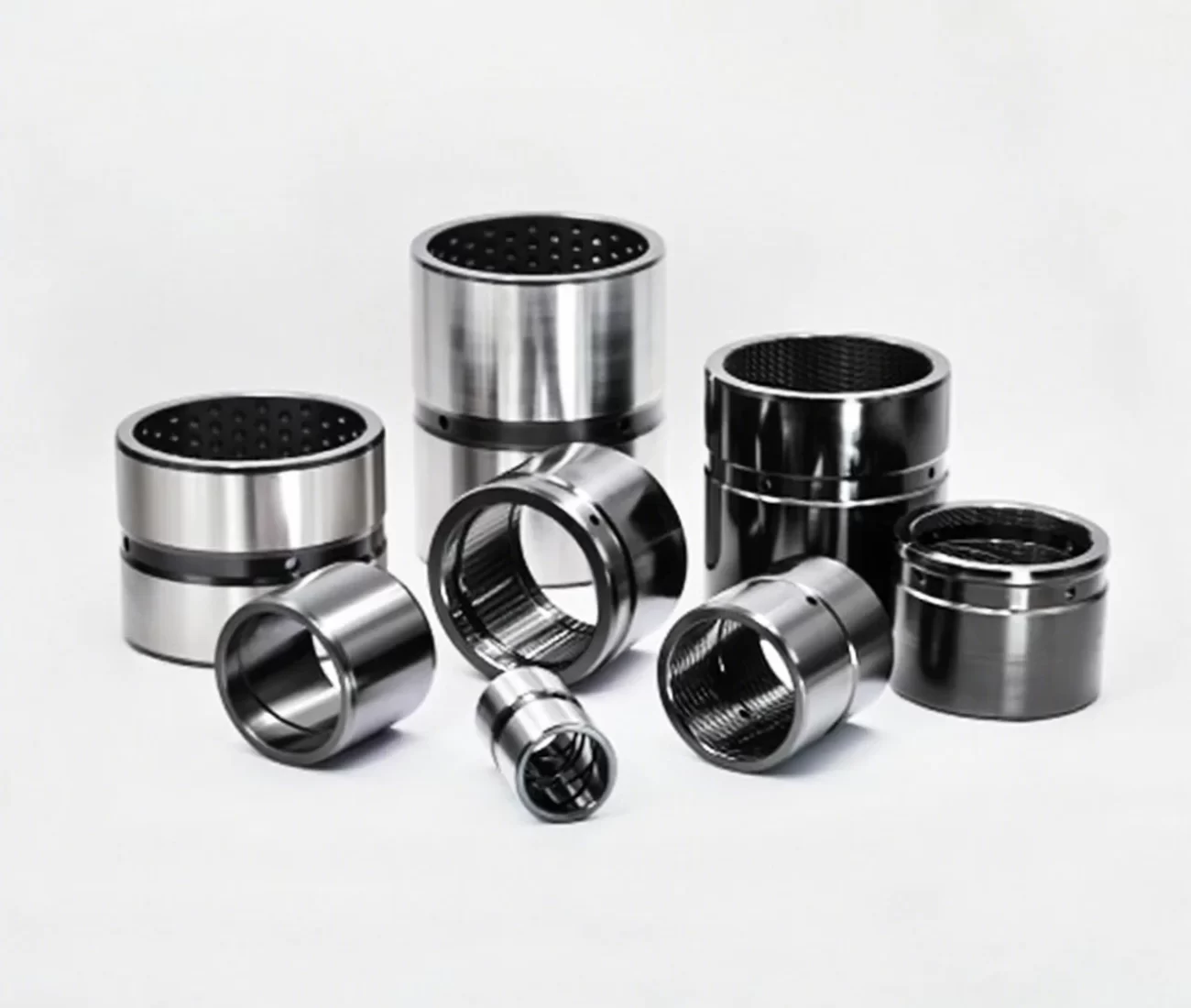
Evaluating a stainless steel bushing manufacturer is essential for ensuring stable performance in precision mechanical systems. Supplier selection directly affects equipment accuracy, wear rate, and long term maintenance cost. Engineers must evaluate machining consistency, material traceability, and production stability. A qualified supplier ensures predictable performance under continuous load conditions. Procurement decisions are not only cost driven but also reliability focused. In automation systems, even minor dimensional deviation can lead to vibration or alignment issues. Therefore, evaluation must combine technical inspection and operational risk control.
Industrial Role in Motion and Automation Systems
A stainless steel bushing manufacturer plays a critical role in motion control systems such as CNC machines, robotics, and automated production lines. Bushings reduce friction and stabilize mechanical movement during operation. Without precision components, systems may suffer from positioning errors and increased wear. Engineers evaluate load capacity, wear resistance, and vibration control when selecting suppliers. Consistent geometry is essential for maintaining motion accuracy under dynamic conditions. Industrial automation depends on these components for repeatable and stable performance. Any deviation in quality can affect production output. Therefore, supplier capability directly influences mechanical reliability and system efficiency in industrial environments.
Material Standards and Alloy Control Requirements
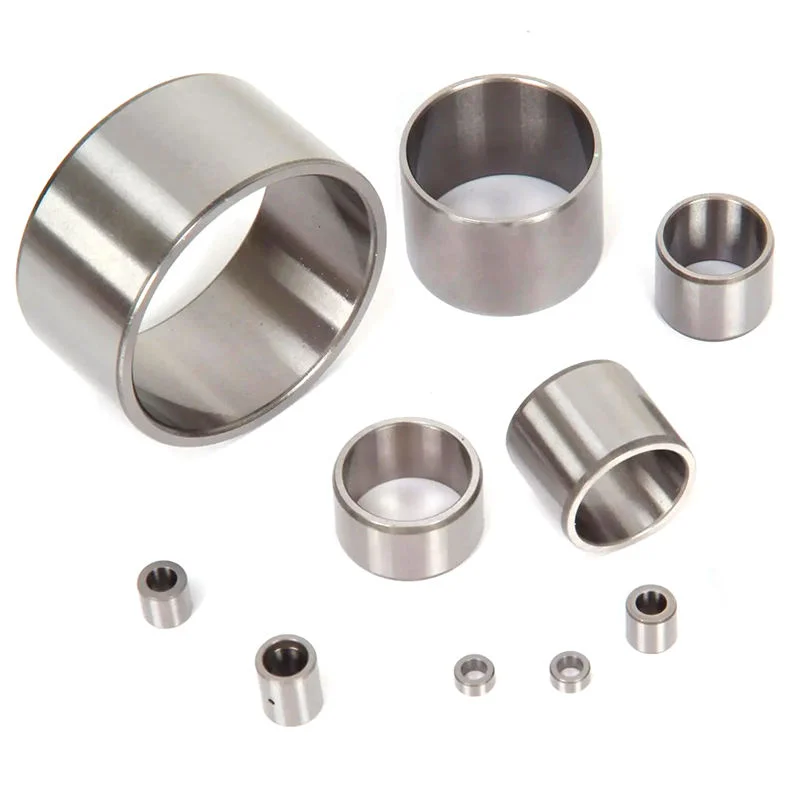
A stainless steel bushing manufacturer must follow strict material selection rules to ensure durability and corrosion resistance. Common stainless steel grades include 304 and 316, both widely used in industrial environments. These materials offer strong resistance to oxidation, moisture, and chemical exposure. Material testing ensures chemical composition stability before machining begins. Hardness control is also important for wear resistance performance. Certification systems provide traceability from raw material to finished product. In some cases, engineers compare standard bushings with industrial stainless steel bushing solutions for higher load applications. Proper alloy control ensures long term mechanical stability across different working conditions.
Manufacturing Process and Precision Control Systems
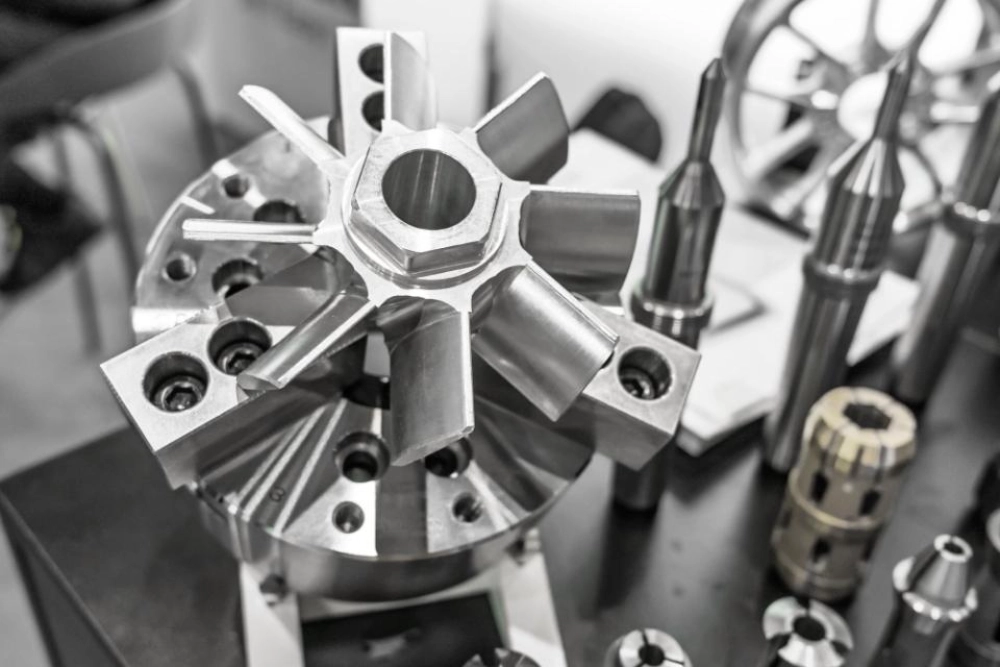
A stainless steel bushing manufacturer relies on CNC machining, grinding, and turning processes to achieve tight dimensional control. Heat treatment is applied to enhance hardness while maintaining structural stability. Surface finishing reduces friction and improves assembly performance. Process control systems monitor production to prevent deviation. Tool wear management is essential for maintaining consistent output quality. Automated calibration systems help ensure batch consistency. In high volume production, even small variations can affect system performance. Therefore, strict manufacturing control is a core requirement for industrial grade components.
Inspection and Quality Assurance Systems
A stainless steel bushing manufacturer uses advanced inspection systems to ensure dimensional accuracy and product reliability. Coordinate Measuring Machines verify geometric precision in three dimensions. Micrometers and plug gauges are used for diameter control. Quality management follows ISO 9001:2015 for general quality systems, ISO 2768 for general tolerances in mechanical parts, and ISO 14253 for decision rules in inspection and measurement processes. These standards ensure structured inspection workflows across production lines. All measurement data is recorded for traceability. Batch testing ensures consistency across production cycles. Surface roughness inspection evaluates machining stability and tool condition. These systems reduce defect rates and improve long term reliability. Engineering teams rely on inspection data for validation during system integration.
| Inspection Tool | Function | Accuracy Level |
|---|---|---|
| CMM System | 3D geometry measurement | Micron level |
| Micrometer | Outer diameter control | ±0.001 mm |
| Plug Gauge | Inner diameter verification | High precision fit |
This inspection framework ensures that production quality remains stable and measurable across large manufacturing batches, supporting reliable industrial usage.
Supplier Capability Comparison and Engineering Support
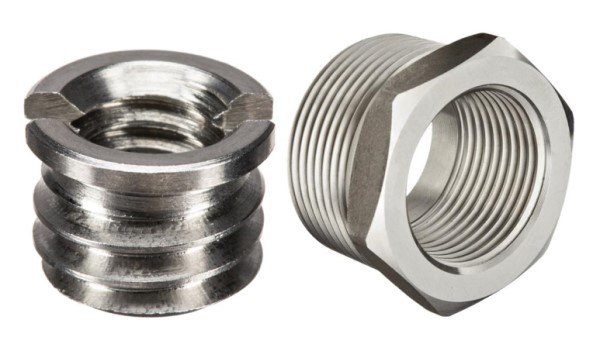
Supplier evaluation must consider engineering capability, production capacity, and customization support. Strong suppliers provide early stage design assistance to improve manufacturability. This reduces redesign risk and shortens development cycles. Communication efficiency between engineering teams is also important. Faster prototyping improves project execution speed. Production scalability ensures stable supply for large industrial orders. Buyers often compare sample accuracy and lead time consistency before approval. A capable supplier improves system integration efficiency and reduces operational uncertainty.
Cost Structure and Commercial Value Logic
Pricing depends on raw material cost, machining complexity, and tooling requirements. Stainless steel price fluctuations directly influence production cost. High precision machining increases CNC processing time and operational expense. Surface finishing and inspection procedures also contribute to total cost. Suppliers must balance cost efficiency with performance reliability. Long term value is more important than unit price alone. Durable components reduce maintenance frequency and downtime costs. Therefore, cost evaluation must include lifecycle performance analysis.
| Cost Factor | Description | Impact Level |
|---|---|---|
| Raw Material | Steel grade selection | High |
| Machining Time | CNC processing duration | Medium |
| Tooling | Fixture and setup cost | Medium |
This cost breakdown helps engineering buyers analyze the commercial structure behind supplier pricing decisions.
Surface Treatment and Application Matching
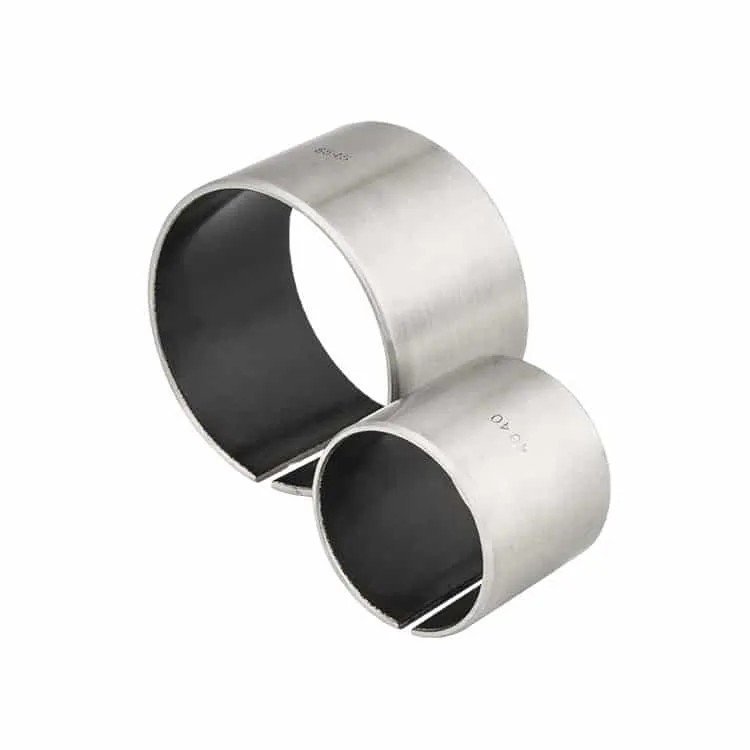
Surface treatment significantly affects performance in different working environments. Polishing reduces friction and improves smooth motion. Coating enhances corrosion resistance in harsh environments. Suppliers select finishing methods based on application requirements. In heavy duty systems, durability is prioritized over appearance. Some applications may combine components such as brass bushing with oil groove to improve lubrication efficiency. Proper matching between surface treatment and environment ensures stable operation and extended service life.
Supply Chain Stability and Delivery Performance
A stainless steel bushing manufacturer must maintain stable supply chain systems to ensure uninterrupted production. Raw material availability directly affects production scheduling. Reliable logistics systems ensure consistent global delivery performance. Inventory management supports continuous manufacturing flow. Suppliers with integrated planning reduce project delays. Buyers prefer suppliers with proven on time delivery records. Stable supply performance improves production planning efficiency. Consistency in delivery is essential for long term cooperation.
Industrial Application Cases
Precision bushings are widely used in CNC equipment, robotics, and hydraulic systems. In automation lines, they ensure smooth motion and positioning accuracy. In heavy machinery, wear resistance becomes critical for durability. Some environments require industrial stainless steel bushing solutions for higher load and corrosion resistance. Proper selection improves system stability and reduces vibration impact. Real world applications validate supplier capability and long term reliability. Engineering teams rely on field performance data before final procurement decisions.
Buyer Selection Checklist
Evaluation should follow a structured checklist to ensure reliable procurement decisions. Material certification must be verified for consistency. Dimensional accuracy reports confirm machining capability. Engineering support quality reflects supplier technical strength. Stable production systems reduce operational risks. Delivery performance history must be reviewed carefully. Cost analysis should include lifecycle durability. This structured method improves decision accuracy and reduces long term maintenance cost.
FAQ
What defines a reliable stainless steel bushing manufacturer?
A reliable supplier demonstrates stable machining accuracy, verified material sourcing, and consistent quality control systems. Engineers expect tight tolerance control across all production batches. ISO based certification ensures standardized inspection and traceability. Strong communication between engineering and production teams reflects supplier maturity.
Full inspection documentation is required for each shipment. Long term reliability depends on process stability rather than single batch results. Buyers should evaluate sample consistency before mass production approval. Stable suppliers reduce operational risks and improve system uptime in industrial environments.
What factors influence pricing in stainless steel bushing production?
Pricing is determined by raw material cost, machining complexity, and production volume. Higher grade stainless steel increases both material and processing cost. Precision requirements extend CNC machining time and increase operational expense. Surface finishing and inspection procedures add additional cost layers. Customization level also affects final pricing structure. Small batch production results in higher unit cost due to setup distribution. Logistics and packaging requirements contribute to overall pricing. However, long term value should be evaluated based on durability and maintenance reduction.
How to verify quality consistency from a stainless steel bushing manufacturer?
Quality consistency is verified through inspection reports, batch testing, and material certification. Coordinate Measuring Machine data confirms geometric accuracy. Micrometer and gauge measurements ensure dimensional stability. ISO based systems standardize inspection procedures across production cycles. Traceable documentation is essential for verification. Repeated sampling tests confirm production repeatability. Surface roughness data reflects machining stability. Long term consistency is proven through defect rate history and continuous quality monitoring systems.