A handle system plays a central role in industrial control precision and operator safety. Reliability depends on friction stability, torque resistance, and structural balance under continuous load. Industrial environments often expose equipment to vibration, oil contamination, and mechanical shock. These conditions require consistent grip performance across long operational cycles. Engineers design each system with controlled geometry and reinforced internal cores. Stability ensures operators maintain accurate force application during machine adjustment tasks. Poor grip performance can reduce efficiency and increase operational risk in precision systems. Reliability also depends on ergonomic alignment between human force and mechanical response behavior.
Core Materials Behind Handle System Durability
Material selection determines long term structural stability and surface grip consistency. Stainless steel alloys provide high tensile strength and corrosion resistance in demanding environments. Polymer composites reduce overall weight while maintaining thermal stability during continuous operation cycles. Rubber coatings improve friction performance under oily or humid conditions. Each system must balance rigidity with surface comfort for operator control efficiency. Material fatigue resistance plays a key role in repeated torque applications. Engineers test materials under vibration and stress simulations before production approval. Proper material layering increases lifespan and reduces maintenance frequency in industrial systems.
| Material Type | Key Feature | Industrial Advantage |
|---|---|---|
| Stainless Steel | High strength | Stable load performance |
| Polymer Composite | Light structure | Reduced operator fatigue |
| Rubber Coating | High friction | Better grip in contamination |
Material systems directly influence mechanical stability under industrial stress conditions. Steel cores resist deformation during high torque operations. Polymer layers absorb vibration energy during repetitive motion cycles. Rubber surfaces maintain grip integrity in contaminated environments. Combined material engineering improves adaptability across multiple machine types. Selection depends on temperature range, chemical exposure, and load frequency. Manufacturers optimize composite structures to extend operational lifespan. Testing ensures performance consistency under real working conditions.
Surface Engineering Design of Handle System for Grip Stability
Surface engineering defines how effectively force transfers between operator and machine. Knurled textures create micro contact points that increase friction stability. Laser etching improves uniformity across mass production batches. Coating thickness influences tactile feedback and slip resistance levels. Oil and dust accumulation can reduce surface efficiency if not properly managed. Engineers design micro grooves to channel away contaminants during operation. This maintains consistent grip performance under variable industrial conditions. Precision machining ensures uniform texture depth across all units.
Load Bearing Structure and Stress Distribution of Handle System
Internal structure determines how force distributes during continuous industrial use. Reinforced cores prevent deformation under repeated torque stress cycles. Balanced geometry ensures even load transfer across mounting points. Stress concentration zones are minimized through optimized structural design. Engineers simulate mechanical load conditions to identify weak points. Fatigue resistance improves service life in high frequency operations. Proper alignment reduces vibration impact during machine usage. Structural integrity directly affects safety and operational precision.
Manufacturing Quality Standards for Handle System Production
Manufacturing precision ensures consistent performance across every unit produced. Production control follows ISO 9001 quality management systems, covering traceability, process stability, and continuous improvement requirements. Dimensional tolerances are governed by ISO 2768 standards for mechanical components. Surface roughness evaluation uses ISO 1302 to maintain consistent texture control across production batches. Surface profile measurement under ISO 4287 detects micro irregularities that may affect grip stability. Corrosion resistance testing uses ISO 9227 salt spray methods to simulate accelerated environmental exposure.
Torque testing tool calibration follows ISO 6789 principles to ensure measurement accuracy during validation. Calibration tools ensure uniform production accuracy across batches. Quality control systems reduce variation in structural and surface characteristics. Every production stage includes inspection to maintain reliability standards.
Environmental Resistance Impact on Handle System Performance
Environmental conditions strongly influence long term durability and grip stability. Corrosion occurs in high humidity or chemically active environments. Temperature fluctuations affect material expansion and contraction behavior. Dust accumulation reduces surface friction efficiency over time. Chemical exposure may degrade protective coating layers. Engineers apply anti corrosion treatments to improve resistance. Thermal stability ensures consistent performance in high heat machinery zones. Proper environmental matching increases service life and reduces failure risk.
Installation Methods Improving Handle System Stability
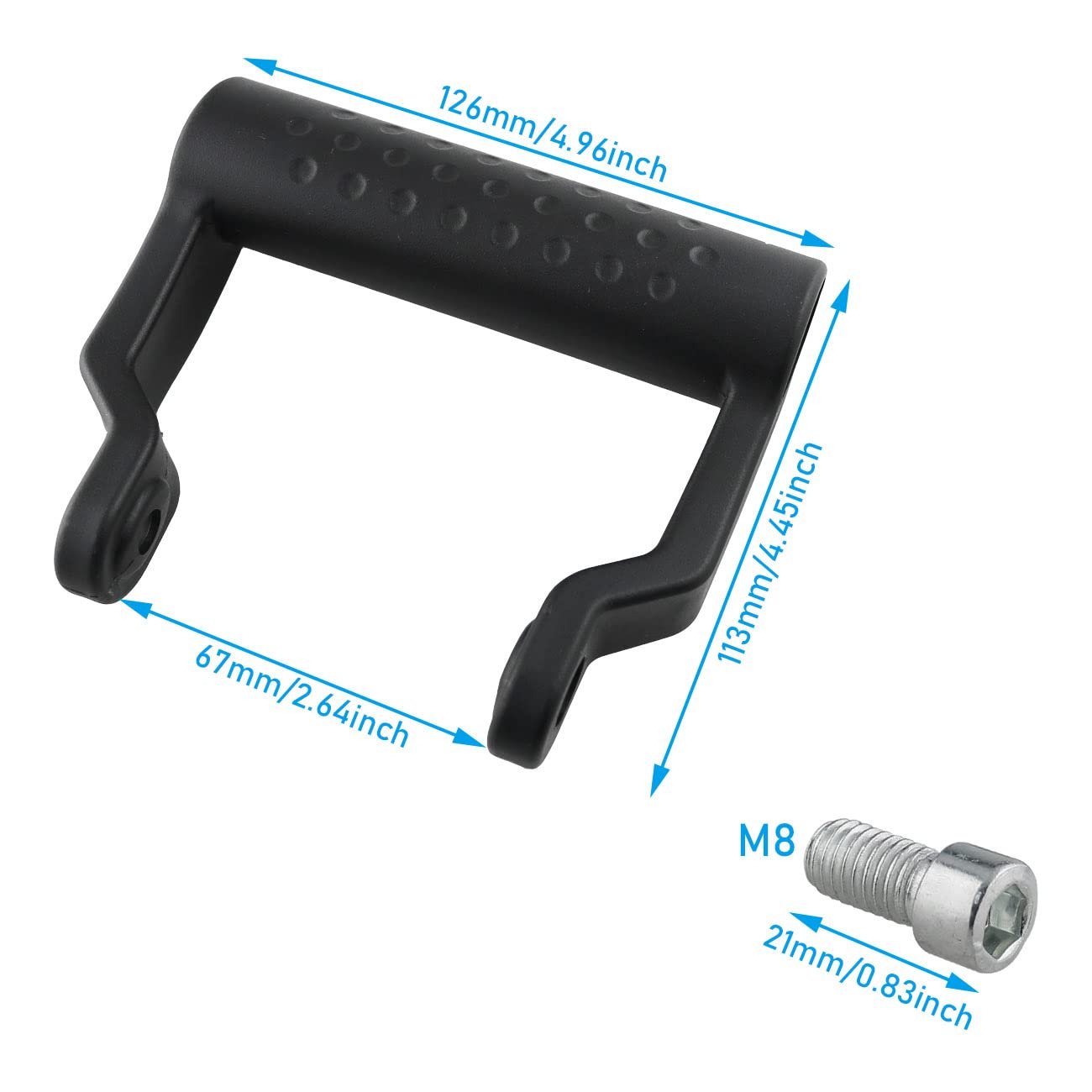
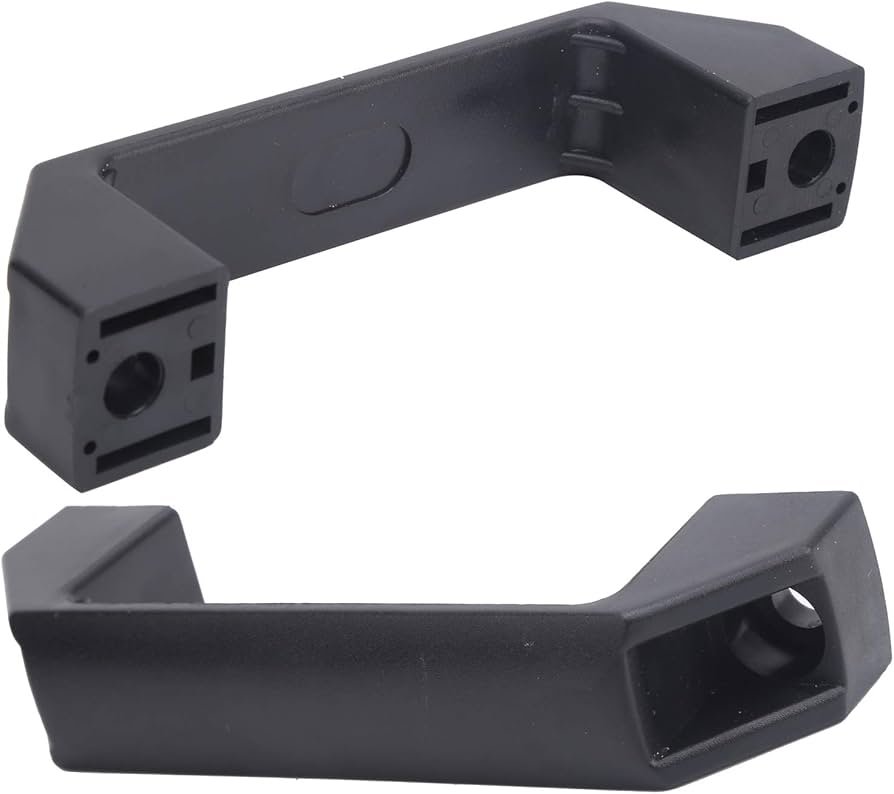
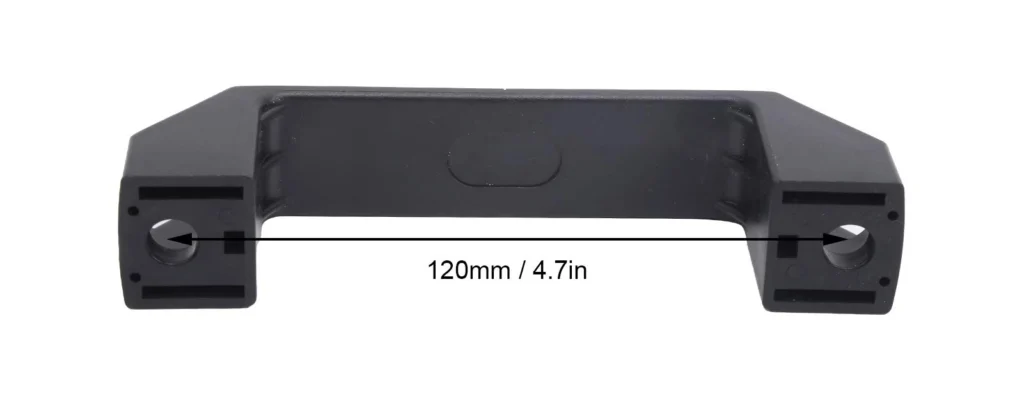
Proper installation ensures consistent mechanical performance and safety. Torque calibration during mounting prevents structural imbalance during operation. Alignment accuracy reduces uneven stress distribution across connection points. Secure fastening techniques minimize vibration loosening effects. Operators must verify mounting integrity before machine activation. Incorrect installation can reduce grip efficiency and operational safety. In some industrial systems, U-handles are used for compact installation layouts. Proper installation practices directly influence long term performance stability.
- Verify torque before final tightening
- Ensure alignment with machine axis
- Use anti vibration locking components
- Inspect fastening after initial operation cycle
Correct installation procedures significantly extend equipment service life. Maintenance teams often record installation parameters for future inspection cycles. Proper alignment improves force transfer efficiency during repetitive tasks. Stability during operation depends heavily on mounting accuracy.
Maintenance Strategy for Long Term Stability
Regular maintenance ensures consistent performance in industrial environments. Cleaning removes oil residue and particulate buildup from grip surfaces. Lubrication control prevents contamination of friction areas. Wear inspection identifies early surface degradation signs. Scheduled replacement reduces unexpected operational failure risks. Operators monitor grip performance during daily machine cycles. Stable maintenance routines extend service life significantly. In compact machinery systems, folding handles are often used to simplify maintenance access.
Performance Comparison of Industrial Handle Designs
Different handle types serve different mechanical requirements in industrial systems. Fixed designs provide maximum rigidity for heavy load applications. Rotating systems reduce wrist strain during repetitive adjustments. Ergonomic structures improve operator comfort during extended operation periods. Each system configuration delivers specific performance advantages. Selection depends on torque requirements and space constraints. Surface engineering also affects grip efficiency under dynamic load conditions. Modular designs improve flexibility in automated production systems.
| Handle Type | Strength Level | Application Area |
|---|---|---|
| Fixed | High | Heavy machinery |
| Rotating | Medium | Adjustment systems |
| Ergonomic | High | Operator intensive tasks |
Fixed systems provide maximum torque resistance in continuous operation environments. Rotating structures reduce mechanical strain during directional adjustments. Ergonomic designs enhance human machine interaction efficiency. Each configuration supports different industrial workflow needs. Material reinforcement improves durability across all types. Engineers match design with machine function to optimize performance output. Proper selection improves both safety and productivity.
Cost Efficiency and Reliability Balance in Handle System Selection
Cost and performance balance determines procurement decisions in industrial systems. High grade materials increase initial investment but reduce long term maintenance costs. Advanced coatings improve performance but add production complexity. Lower cost systems may compromise surface durability for affordability. Each system requires lifecycle cost evaluation. Long term reliability often justifies higher upfront investment. Maintenance frequency directly affects total ownership cost. Industrial buyers prioritize stability and durability in demanding environments.
FAQ
What materials are best for handle system performance?
Material selection depends on operational environment and load intensity. Stainless steel provides strong structural support and corrosion resistance. Polymer composites reduce weight and improve handling comfort during long operation cycles. Rubber coatings enhance friction in wet or oily environments. Engineers often combine multiple materials to optimize performance balance. Testing includes vibration and thermal stress simulation. Final selection depends on machine application requirements and environmental exposure levels.
How does surface texture affect handle system safety?
Surface texture directly impacts grip stability during machine operation. Knurled and micro patterned designs increase friction contact points. These structures reduce slip risk under vibration and contamination. Laser etched surfaces provide consistent performance across production batches. Smooth surfaces reduce grip efficiency and increase operational risk. Proper texture design improves control accuracy during high torque tasks. Engineers adjust groove depth for balance between comfort and stability. Texture consistency remains essential for long term operational safety.
What industries use handle system most?
Manufacturing and automotive industries rely heavily on these components. CNC machining systems require precise control during operation. Assembly lines depend on stable grip tools for repetitive tasks. Energy sector machinery uses reinforced designs for high torque environments. Packaging systems benefit from ergonomic control structures. Selection depends on workload intensity and operational frequency. Industrial automation systems increasingly use advanced grip designs for efficiency improvement.