Industrial operators require robust connections to transfer rotational power efficiently. Modern power transmission systems demand durable components that resist environmental degradation. Selecting a stainless steel shaft coupling ensures high performance in demanding applications. Engineers face many challenges when connecting misaligned rotating components. Corrosive processing environments quickly destroy standard carbon steel alternatives. Investing in high-quality hardware prevents catastrophic system failures and costly downtime. Specialized machinery relies on precise torque transmission to maintain operational accuracy. Proper selection methods optimize the operational lifespan of the entire drivetrain assembly. You must analyze specific mechanical factors before purchasing your industrial connectors. Mechanical engineers carefully examine torque values to select compatible industrial parts. Such a systematic approach guarantees long-term reliability for your automated systems.
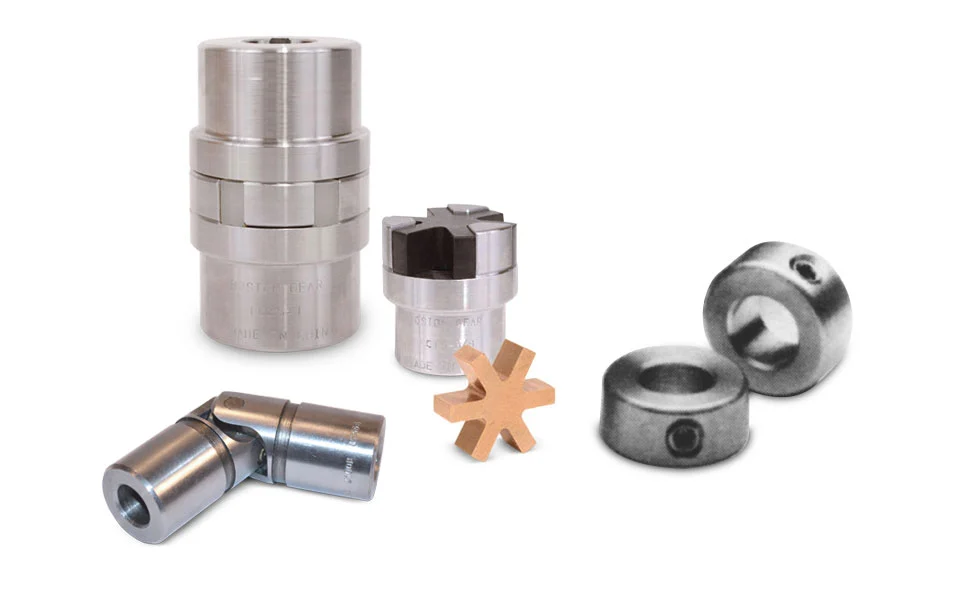
Choosing the Best Stainless Steel Shaft Coupling Material Grade
Selecting the correct metal grade determines the durability of your motion components. Grade 304 stainless steel offers excellent mechanical strength for standard industrial applications. Food processing facilities utilize this material due to its outstanding hygienic properties. Chemical environments require superior resistance against highly acidic or alkaline washdowns. Grade 316 stainless steel contains molybdenum which prevents localized pitting corrosion. Marine applications benefit greatly from the enhanced resistance against saltwater exposure. Engineers must evaluate these chemical properties before finalizing their design specifications. Choosing the wrong material leads to rapid component oxidation and premature failure. Proper grade selection ensures your assembly withstands harsh operating conditions indefinitely. High-temperature operations also demand specific metal alloys to maintain structural integrity.
| Material Grade | Tensile Strength (MPa) | Yield Strength (MPa) | Corrosion Resistance |
|---|---|---|---|
| AISI 304 | 515 | 205 | High |
| AISI 316 | 580 | 290 | Excellent |
Evaluating Steel Shaft Connector Performance
The compiled data illustrates clear structural differences between standard industrial alloys. AISI 316 provides superior mechanical values compared to standard AISI 304 options. Higher tensile strength allows machinery to transmit more force without experiencing deformities. Engineers review these physical limits when calculating shaft coupling torque coupling limits. These yield metrics directly influence the safety factor of your rotational system. Selecting Grade 316 ensures protection against harsh chemical washdowns in factories. Chlorides easily damage Grade 304 while molybdenum protects Grade 316 from pitting. Your choice of metal impacts the maintenance cycle of your entire plant. Purchasing managers use these tensile values to justify component upgrade investments. Proper material matching prevents unexpected mechanical fatigue in high-stress operations.
Addressing Misalignment and Radial Displacements
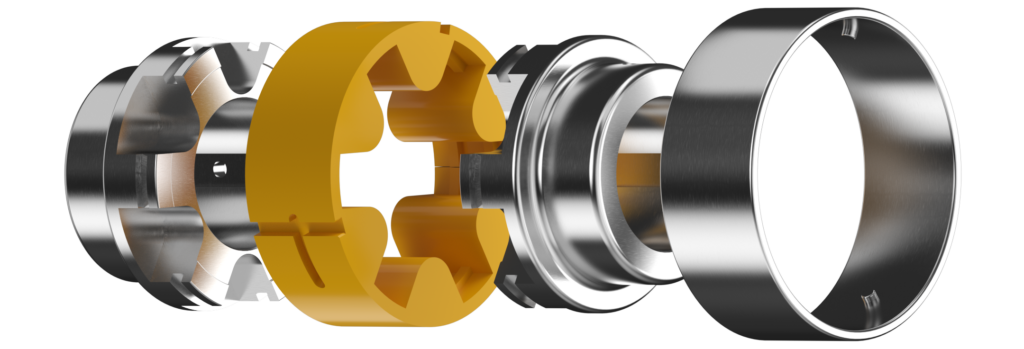
System misalignment represents a major cause of rotary equipment damage. Perfect collinear alignment between two rotating shafts remains extremely difficult to maintain. Thermal expansion causes structural shifting that alters the original positioning of equipment. Using a resilient stainless steel shaft coupling compensates for these inevitable physical deviations. This motion component accommodates angular misalignment without transmitting excessive reaction loads. Parallel offset also requires flexible mechanisms to protect delicate motor bearings from wear. Dynamic testing reveals that flexible inserts reduce mechanical stress during high-speed rotation. Plant technicians must monitor vibration levels to detect severe installation errors early. Choosing adaptive hardware prolongs the operational life of connected gearboxes and pumps. Reliable couplers absorb shock loads during sudden machine starts and stops.
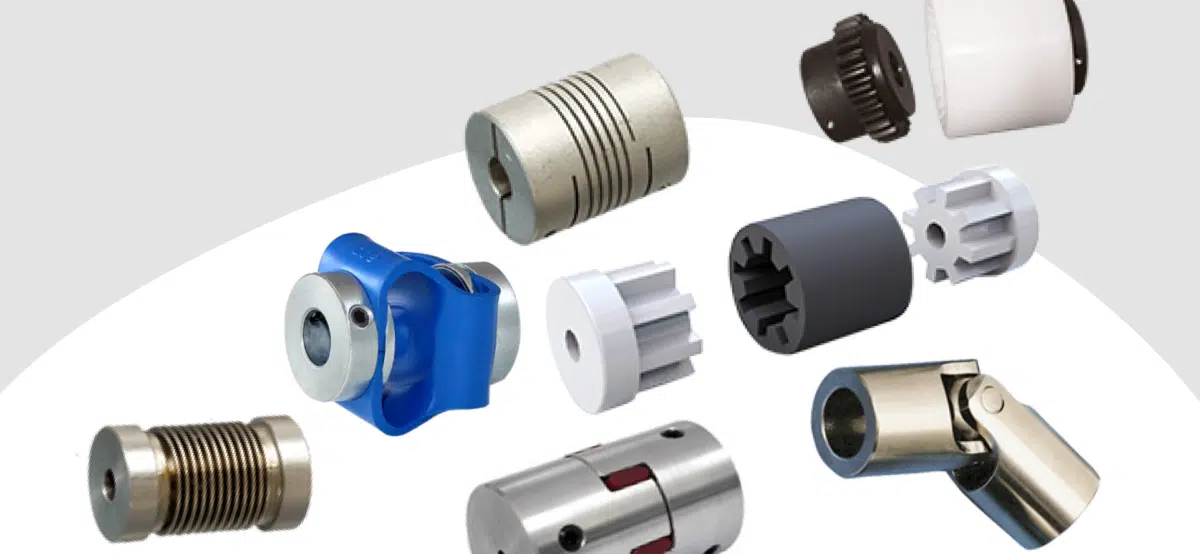
- Disc Couplings: Offer high torsional stiffness and zero backlash.
- Bellows Couplings: Accommodate significant angular and parallel misalignment.
- Jaw Couplings: Feature elastomeric spiders to absorb shock loads.
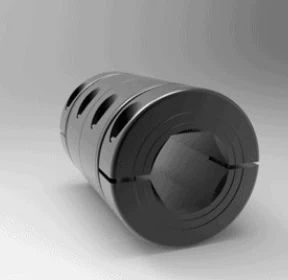
- Slit Couplings: Provide single-piece metallic construction for compact spaces.
Analyzing Specific Industrial Joint Configurations
Each coupling design serves specific operational goals in industrial motion control. Disc designs utilize thin metal sheets to transmit torque while maintaining high rigidity. Bellows configurations provide maximum flexibility for high-precision positioning applications like servomotors. In contrast, Jaw systems incorporate elastomeric components to dampen system vibration. Selecting a flexible coupling elastomeric coupling balance style helps protect sensitive encoder systems. One-piece slit couplers offer low inertia and excellent cost efficiency for light duties. Engineers must weigh torsional stiffness against misalignment capacity when selecting components. No single configuration fits every industrial scenario across your manufacturing plant. Proper assessment of these physical options guarantees optimal mechanical system performance. Different industries prioritize specific design features to match their unique operational parameters.
| Coupling Type | Torque Capacity | Angular Misalignment | Backlash |
|---|---|---|---|
| Disc Coupling | High | Up to 1.0° | Zero |
| Bellows Coupling | Medium-High | Up to 2.0° | Zero |
| Jaw Coupling | Medium | Up to 0.5° | Low |
Analyzing Motion Transfer Efficiency Metrics
Selecting a suitable stainless steel shaft coupling requires careful comparison of physical capabilities. Disc models excel in high-torque scenarios where precision remains the top priority. Zero backlash characteristics make these systems perfect for CNC machinery applications. Bellows configurations accommodate twice as much angular misalignment as other designs. This superior flexibility protects your sensitive driving motors from premature mechanical wear. Jaw options trade absolute precision for excellent shock absorption capacity in conveyor belts. These soft inserts cushion the drive system against sudden load spikes effectively. Mechanical specifications dictate which performance profile matches your specific industrial requirements. Operators must balance these competing physical characteristics during the procurement phase. Correct component matching guarantees maximum operational uptime for automated assembly lines.
Balancing Rotational Speed and Dynamic Vibration
High-speed machinery generates severe centrifugal forces that amplify minor balancing errors. Unbalanced components vibrate heavily, which rapidly damages delicate system bearings and seals. Specifying a high-quality stainless flexible joint minimizes these dangerous high-frequency vibrations. Precision machining guarantees even weight distribution across the entire rotating component. Symmetric clamping designs also help maintain perfect balance during rapid rotational acceleration. Balanced systems operate quietly while consuming less energy during continuous manufacturing cycles. Maintenance engineers prefer balanced joints to reduce routine servicing intervals in factories. Extreme rotational speeds demand tight manufacturing tolerances to prevent mechanical failure. Quality manufacturers test every component dynamically before shipping to global industrial clients. Investing in balanced hardware protects your automated assets and ensures consistent output.
Finalizing Your Stainless Steel Shaft Coupling Selection
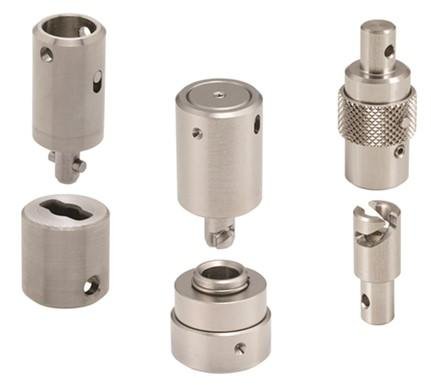
Successful procurement processes require clear communication regarding your specific torque requirements. Engineers must verify shaft diameters and keyway dimensions before placing orders. Incorrect shaft sizing prevents secure mounting and causes slippage during heavy operations. Clamping hubs offer secure slip-free connections without damaging expensive precision shafts. Set screw designs work well for light applications but struggle under vibration. System designers should document environmental conditions like chemical exposure and temperature extremes. Such documentation assists manufacturers in recommending the most cost-effective hardware configurations. Strategic component sourcing ensures your production facility avoids costly shipping delays. Partnering with reliable suppliers guarantees access to certified materials and testing documentation. Careful planning eliminates common installation issues and maximizes equipment reliability.
FAQ
What torque limits apply to these flexible shaft connectors?
Torque limits vary significantly depending on the specific design of your chosen component. Heavy-duty disc designs transmit superior torque compared to lightweight bellows or jaw configurations. Selecting a premium stainless steel shaft coupling ensures your system handles extreme peak torque demands. Overloading your connectors leads to mechanical failure and damages connected motor systems. Engineers calculate nominal torque using standard safety factors for continuous industrial operations. You must verify the peak startup torque of your electric motor during selection. Sizing software from manufacturers simplifies the mechanical calculation process for engineers. Proper safety margins extend the operational lifespan of all physical drive hardware. Consulting manufacturer catalogs helps clarify specific rating limits for your machinery.
How does 316 grade resist chemical corrosion?
Grade 316 stainless steel contains approximately two percent molybdenum in its chemical composition. Such a specific alloying element dramatically improves resistance against chlorides and industrial acids. Standard grades like 304 suffer rapid pitting corrosion when exposed to harsh saltwater environments. Molybdenum forms a highly stable protective oxide layer on the metal surface. The micro-barrier prevents corrosive substances from attacking the underlying steel structure. Chemical plants prefer 316 components to maintain structural integrity during daily washdown cycles. Investing in superior materials reduces replacement frequency and improves long-term plant efficiency. Choosing corrosion-resistant hardware guarantees reliable operation in challenging industrial environments. Proper material grade matching prevents costly downtime in highly corrosive processing sectors.
Can these components handle high angular misalignment?
Bellows and disc designs handle varying degrees of misalignment depending on their construction. Flexible bellows configurations typically accommodate up to two degrees of angular offset without failing. In contrast, standard jaw couplers handle only half a degree of angular deviation. Exceeding manufacturer recommendations increases stress and causes rapid fatigue on connected shafts. Engineers must verify operational misalignment limits using precise dial indicators during installation. Proper alignment practices guarantee long-term reliability and minimize mechanical wear on bearings. Laser alignment tools provide the high accuracy required for sensitive industrial machinery applications. Investing time in precise setup procedures prevents premature component failure and unexpected maintenance costs. Accurate physical calibration ensures your drive system achieves maximum operational efficiency over time.