Selecting the right mechanical component is vital for power transmission systems. Engineers often debate the performance of set screw vs clamp coupling styles in industrial machinery. Each design offers specific mechanical benefits depending on your operational parameters. Hardened fasteners secure one variety directly to the shaft surface. Meanwhile, the other style utilizes compressive forces to create a secure connection. Torque demands, system vibration, and maintenance schedules influence this decision greatly. Misalignments can quickly lead to component failure if you select the wrong component. Proper evaluation of these options prevents costly downtime in automated manufacturing systems. We must analyze the unique gripping mechanisms of both popular solutions to make a highly informed engineering choice.
Mechanical Principles of Shaft Attachment Designs
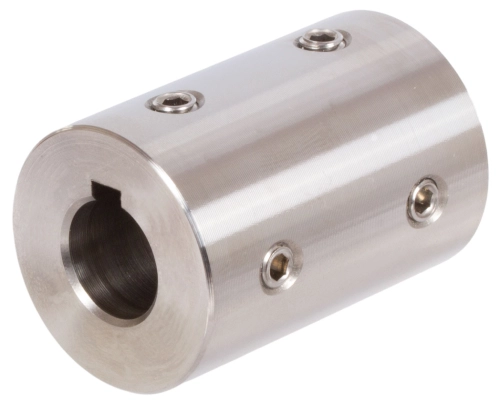
Set screw connections rely on direct screw point impingement against the rotating metal shaft. Typically, socket cup point screws bite into the steel shaft to resist axial forces. This physical penetration creates a small indentation that locks the components together. Hardened alloy steel screws work best with softer shaft metals to maximize penetration depth. When configuring a stainless steel torque rating coupling, designers must calculate the localized stress concentration. Extreme shear forces can deform the shaft metal over extended operating cycles. Furthermore, these raised burrs make coupling removal incredibly difficult during routine maintenance. Technicians often require specialized pullers to slide the damaged parts off the shaft. You must consider these mechanical wear factors during the initial system configuration.
Operating Principles of Clamping Collar Connections
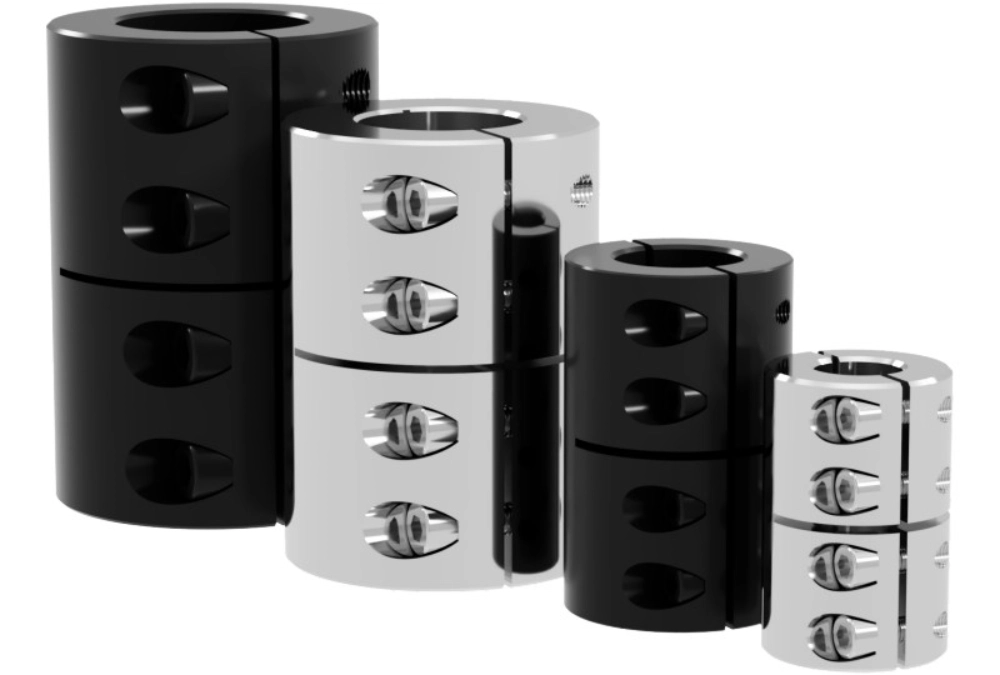
Clamping collars utilize high friction forces to secure the connection without damaging the shaft. Socket head cap screws tighten the split hub to distribute clamping pressure evenly. This uniform radial force wraps around the entire circumference of the metal cylinder. One-piece styles offer high holding power but require sliding over the shaft end during installation. Conversely, two-piece designs split completely in half for easy assembly in confined spaces. Precision machined bores ensure a perfect fit with standard metric and imperial shafting. The design distributes heavy loads across a larger surface area compared to point contact fasteners. Consequently, this design prevents localized stress concentrations and eliminates shaft scoring entirely. Engineers specify these components for highly sensitive motion control systems.
Performance Metrics of Set Screw vs Clamp Coupling Under Load
| Design Feature | Set Screw Style | Clamp Style |
|---|---|---|
| Holding Mechanism | Point contact / Penetration | Frictional / Circumferential |
| Shaft Damage Risk | High (scoring and burrs) | Zero (preserves surface) |
| Vibration Resistance | Moderate (screws can back out) | Excellent (even tension) |
| Cost Point | Low | Moderate to High |
Detailed Evaluation of Hub Style Fasteners
The performance data highlights critical trade-offs between these two industrial fastening solutions. Selecting a set screw vs clamp coupling depends heavily on your tolerance for shaft wear and mechanical stress. Our table demonstrates that point contact devices are highly cost-effective for simple applications. However, those devices often cause structural dimples that complicate future maintenance procedures. Clamp collars offer superior performance by distributing high compression forces across the shaft circumference. This uniform grip prevents dangerous slippage under high speed reversing cycles. Furthermore, the frictional connection preserves expensive precision ground shafting from permanent cosmetic defects. Hardened steel screws inside clamp configurations maintain constant tension under heavy dynamic vibration. You should select the clamp design when component preservation is your primary engineering priority.
Material Specifications and Environmental Suitability
| Coupling Material | Corrosion Resistance | Ideal Environment | Weight Profile |
|---|---|---|---|
| Carbon Steel | Low (requires coating) | Dry, clean indoor facilities | Heavy |
| Stainless Steel | Excellent (marine grade) | Washdown, chemical processing | Heavy |
| Aluminum Alloy | Moderate (anodized) | High speed, low inertia systems | Lightweight |
Best Operational Scenarios for Rotary Shaft Joints
Material selection determines how these mechanical components survive in harsh working conditions. Carbon steel parts provide excellent strength but require black oxide coatings to prevent rust. In contrast, stainless steel options resist aggressive chemical washdowns in food processing plants. Aluminum models offer the lowest inertia, making them perfect for precise servo motor installations. When evaluating a set screw vs clamp coupling, material compatibility with your shaft is vital. Soft aluminum shafts will sustain major damage from hardened alloy steel screws. On the other hand, clamping assemblies distribute force evenly without digging into delicate surfaces. Selecting matching materials prevents galvanic corrosion and ensures long term connection reliability. You must analyze environmental humidity and temperature before finalizing your material choices.
Key Selection Metrics for Mechanical Couplings
Torque requirements (peak and continuous torque)
Shaft size and tolerance limits
Rotational speed (RPM) and dynamic balance
Backlash tolerance in motion control
Environmental factors (temperature, moisture, chemicals)
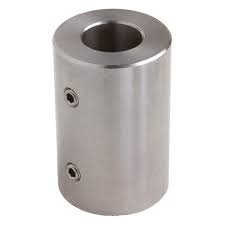
Preferred Engineering Environments for Clamp Style Components
Each selection metric plays a specific role in maintaining system alignment and performance. High torque applications demand rigid connections that prevent rotational slippage during sudden starts. For systems with misalignment, a Flexible coupling elastomeric coupling might provide better damping characteristics. However, rigid options are necessary when you require absolute positional accuracy without angular backlash. Speed limitations dictate the physical balancing requirements of your rotating hub assembly. Standard set screw vs clamp coupling options perform differently when operating at high RPM thresholds. Screws can create asymmetrical weight distribution, which induces high shaft vibration over time. Balanced clamping collars maintain symmetry and reduce bearing wear significantly at fast operational speeds. We advise calculating these dynamic forces to prevent premature catastrophic system failure.
Installation Best Practices for Industrial Drive Shafts
Correct installation techniques ensure the long term survival of your mechanical drive assembly. Technicians must use a calibrated torque wrench to tighten all fasteners to manufacturer specifications. Over-tightening can easily strip threads or crack the coupling hub during initial setup. Conversely, under-tightening leads to connection slippage and immediate shaft damage under peak operational loads. Clean both shaft surfaces thoroughly to remove oil and debris before mounting the hardware. Any remaining grease reduces the coefficient of friction and lowers the rated holding capacity. You should inspect the alignment carefully using a dial indicator to prevent unnecessary bearing stress. Regular maintenance schedules must include checking bolt tightness after the initial break-in period. Following these precise steps guarantees optimal power transmission efficiency across your entire factory line.
Selecting Set Screw vs Clamp Coupling for Demanding Duty
Budget allocations always influence final component selection decisions in industrial project engineering. Lower initial purchase prices make alternative locking fasteners attractive for simple, mass-produced machinery. However, long-term operational costs often tell a completely different economic story. Frequent shaft replacements due to point damage quickly offset any initial financial savings. Maintenance labor expenses also pile up when technicians struggle with seized components during routine servicing. Clamping components require a higher upfront investment but deliver significant machine uptime benefits. Their non-destructive design minimizes parts replacement and lowers overall total cost of ownership. Smart facilities select high quality hardware to maximize mechanical efficiency and operational longevity. You must balance immediate capital expenditure against continuous operational reliability.
FAQ
Can you reuse a shaft after using a set screw attachment?
Reusing a metal shaft after using point contact fasteners is often difficult. Hardened screws bite deep into the shaft to secure the connection. This penetration raises sharp metal burrs around the contact point. Technicians must file down these raised burrs before sliding a new component on. Consequently, this repair process reduces the shaft diameter slightly and weakens the metal. Selecting a set screw vs clamp coupling solves this issue because clamping designs preserve the surface completely. You can easily adjust clamping collars without causing any structural shaft damage. Protecting your expensive drive shafts saves money on replacement parts over time.
How do temperature changes affect clamping force in couplings?
Temperature fluctuations significantly impact the holding power of industrial couplers. Different metals expand and contract at unique rates under thermal stress. For example, aluminum hubs expand faster than steel fasteners when ambient heat increases. This mismatch can reduce the clamping pressure and cause shaft slippage. Conversely, extreme cold temperatures contract the hub and increase stress on the mounting bolts. Engineers must calculate thermal expansion coefficients during the initial design phase. Using matching materials for shafts and collars helps maintain constant gripping force. Proper thermal analysis prevents unexpected connection failures in extreme environmental conditions.
What is the average torque capacity difference between these styles?
Clamping styles generally provide higher holding torque than standard point contact designs. Radial friction forces clamp the shaft over a wide contact area. This distributed pressure prevents rotational slippage under heavy peak loads. Set screws rely on point penetration which can shear under sudden high torque spikes. Adding a keyway to the shaft increases the torque capacity for both systems. However, keyed setups require precision machining and increase your overall manufacturing costs. These collars offer a balanced solution for high torque applications without expensive machining. Selecting the correct coupling design ensures smooth torque transmission for your system.