Handwheel For Packaging Machinery Selection Factors For Industrial Applications
Choosing the correct handwheel for packaging machinery requires attention to structure, material, and operating conditions. Packaging equipment often needs frequent manual adjustments during production, maintenance, and format changes. A suitable handwheel provides stable control and improves operator efficiency. Buyers should evaluate torque requirements, installation methods, and environmental factors before purchasing. The wrong component may create vibration, poor adjustment accuracy, or premature wear. Professional selection considers both mechanical performance and daily usage demands. Reliable handwheels support packaging lines that require repeated positioning tasks. Proper evaluation also reduces replacement frequency and helps maintain consistent machine performance throughout long production cycles.
Structural Design Features That Influence Handwheel Performance
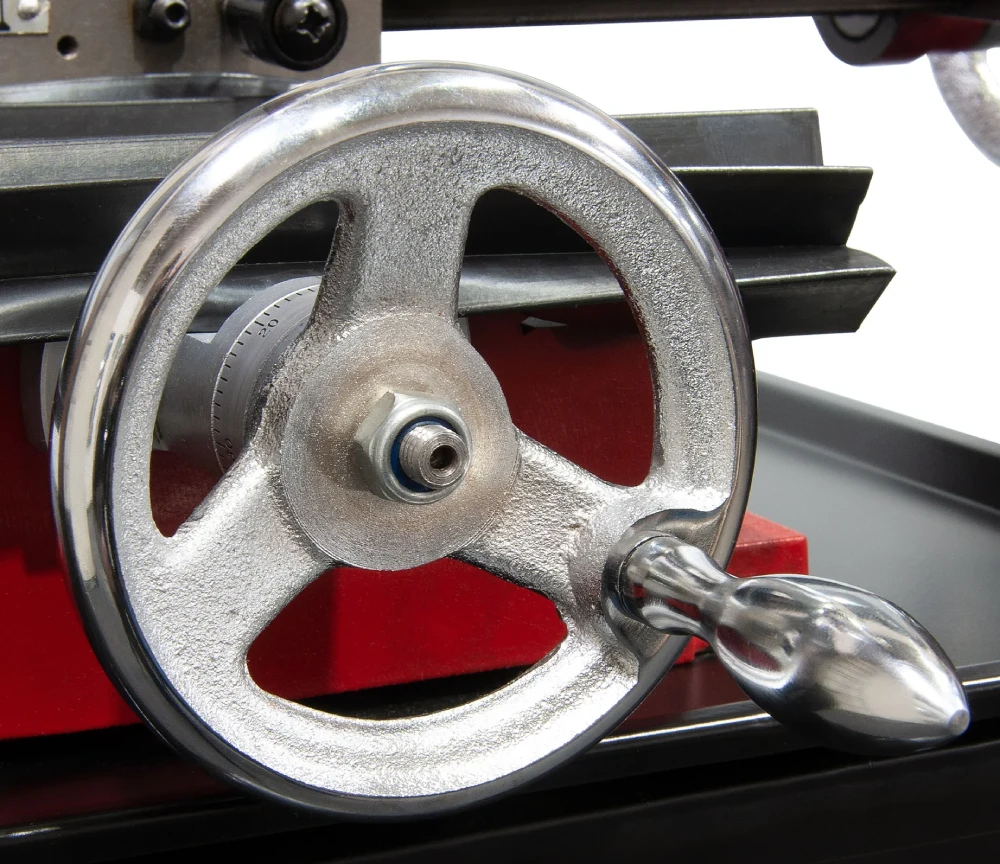
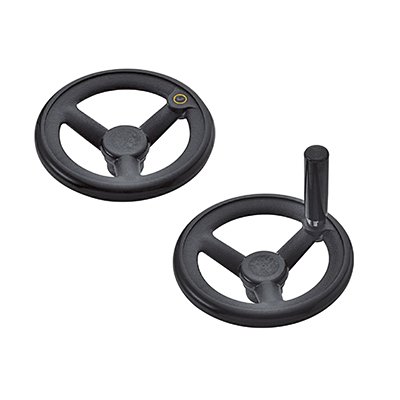
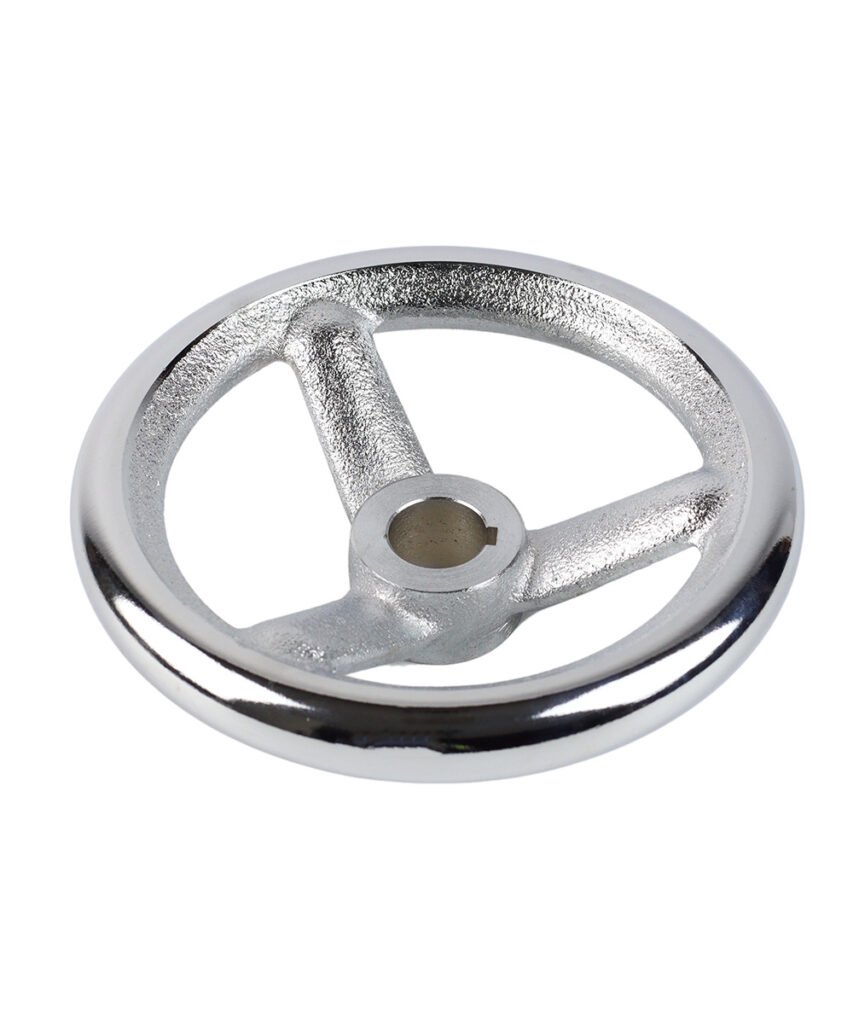
Industrial packaging equipment uses handwheels with different structural designs based on application requirements. The main components include the wheel body, hub, bore, fixing method, and grip area. The wheel diameter affects operating force, while the hub design influences connection stability. Through-hole structures allow flexible shaft installation for various equipment models. Clamping systems provide secure attachment without complicated tools. Some designs include rotating handles that improve user comfort during repeated adjustments. Material thickness and reinforcement ribs also affect strength under continuous operation. Manufacturers usually optimize these elements according to machine size, adjustment frequency, and required torque levels. A balanced structure helps operators achieve accurate control while reducing unnecessary mechanical stress.
Material Selection And Durability Factors For Packaging Equipment Components
Material choice directly affects service life, reliability, and application suitability. Engineering plastics provide lightweight performance and resistance against many chemicals.Aluminum alloy options offer strong mechanical properties with reduced weight. Stainless steel versions perform well in humid or demanding industrial environments.
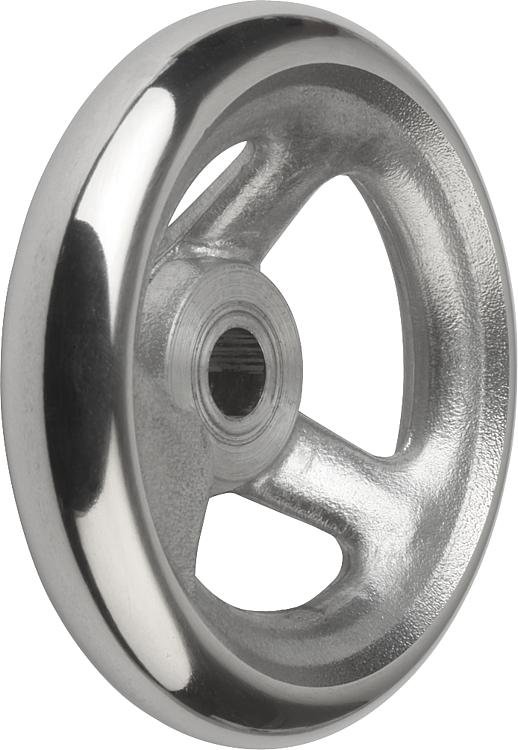
Material selection should consider temperature changes, cleaning procedures, and exposure conditions. Packaging facilities handling food, pharmaceuticals, or chemicals often require corrosion-resistant solutions. Surface finishing also influences appearance and long-term protection. The following table compares common materials used in manual adjustment components.
| Material | Main Advantages | Common Applications |
|---|---|---|
| Engineering Plastic | Lightweight, corrosion resistance, easy operation | General packaging machines and adjustment systems |
| Aluminum Alloy | High strength, low weight, good machining performance | Industrial equipment requiring frequent adjustments |
| Stainless Steel | Excellent durability and environmental resistance | Food, chemical, and high-cleanliness applications |
Specification Matching For Different Packaging Machinery Requirements
Selecting Handwheel For Packaging Machinery requires careful matching between component specifications and machine demands. Important parameters include diameter, bore size, shaft compatibility, and torque capacity. A larger wheel diameter generally creates greater leverage with less operator effort. However, oversized designs may reduce installation flexibility in compact machines. Bore dimensions must match the equipment shaft accurately to prevent movement during operation. Keyways, threaded connections, and clamping systems require precise measurement before ordering. The table below presents common specification considerations for buyers.
| Specification | Selection Consideration | Impact On Operation |
|---|---|---|
| Wheel Diameter | Match adjustment force requirements | Controls operating comfort and torque output |
| Bore Size | Match shaft dimensions | Improves connection stability |
| Torque Capacity | Match machine adjustment load | Prevents structural damage during use |
Installation Accuracy And Connection Methods In Equipment Systems
Precise installation improves adjustment reliability and reduces mechanical issues. Packaging machines commonly use shaft mounting, threaded connections, and clamping methods. Each method provides different benefits depending on machine design. Through-hole structures allow versatile installation across multiple equipment configurations. Keyed connections prevent unwanted rotation between the handwheel and shaft. Clamping designs offer quick replacement without complex modification. Installers should verify alignment before operation because incorrect positioning may create uneven force distribution. Professional suppliers usually provide dimensional drawings and technical support for customized applications. Proper installation creates a stable connection between manual controls and internal adjustment mechanisms. This approach supports efficient maintenance and consistent production performance.
Ergonomic Design Benefits For Frequent Manual Adjustments
Operator comfort plays an important role in equipment component selection. Handwheels with suitable grip shapes reduce fatigue during repeated adjustments. Rounded edges prevent discomfort during extended operation periods. Rotating handles provide better control when users need precise positioning. Surface textures can improve grip security in environments with moisture or dust. Many modern designs focus on balancing appearance, strength, and practical usability. Industrial Machine Handwheels often use ergonomic concepts to support production environments with frequent manual interaction. Better handling characteristics improve workflow efficiency and help operators complete adjustment tasks with less physical effort.
Key Evaluation Points Before Purchasing A Reliable Component
Before placing an order, buyers should review several important factors:
- Material quality and production consistency.
- Dimensional accuracy and shaft compatibility.
- Load capacity and operating environment requirements.
- Surface treatment and corrosion resistance.
- Supplier customization and inspection capability.
Purchasing decisions should include both technical specifications and supplier reliability. A detailed evaluation helps prevent compatibility problems after delivery. Buyers can compare different options through drawings, samples, and quality documents. The next section explains how inspection procedures support product reliability.
Quality Control Methods For Consistent Handwheel Performance
Quality inspection ensures that components meet expected mechanical standards. Professional manufacturers usually check dimensions, material properties, surface conditions, and functional performance. Measuring equipment verifies bore accuracy and external dimensions. Load testing evaluates whether the product can handle expected operating forces. Surface inspection identifies defects that may affect appearance or durability. Material verification confirms that selected alloys or plastics meet requirements. These procedures help maintain production consistency across large orders. The use of documented inspection systems also supports reliable cooperation between suppliers and equipment companies. Strong quality management reduces unexpected failures and improves long-term equipment operation.
Maintenance Considerations When Replacing Manual Adjustment Parts
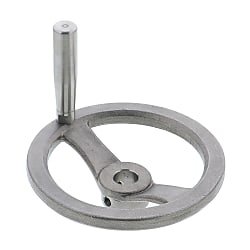
Maintenance teams need compatible replacement parts to keep packaging systems running efficiently. A suitable handwheel should match existing shafts, mounting positions, and operating conditions. Replacement planning should consider wear patterns, production schedules, and spare inventory requirements. Components with durable materials can reduce downtime caused by frequent replacements. Some buyers choose customized solutions for older machines with unique specifications. The SUS304 316L adjustable handwheel option provides strong corrosion resistance for demanding industrial environments. Stainless steel construction supports applications where cleaning frequency and environmental protection are important. Careful replacement planning helps maintain stable production and reduces unnecessary maintenance interruptions.
Supplier Selection Criteria For Long-Term Industrial Procurement
Supplier capability affects product quality, delivery stability, and customization results. Buyers should review manufacturing experience, technical support, and quality control systems. A professional supplier can provide accurate drawings, material options, and production recommendations. Custom designs may require cooperation between engineering teams and production specialists. Selecting Handwheel For Packaging Machinery suppliers with strong manufacturing resources supports consistent procurement outcomes. Reliable suppliers also maintain communication during sampling, production, and inspection stages. Long-term partnerships often improve efficiency because suppliers gain better knowledge of equipment requirements. Careful supplier evaluation creates stronger purchasing confidence and reduces future sourcing risks.
Future Development Trends In Packaging Equipment Adjustment Components
Modern packaging systems continue to demand lighter, stronger, and more adaptable components. Manufacturers are improving designs through advanced materials and precision processing methods. Customized dimensions allow better integration with automated production lines. Ergonomic improvements continue to receive attention because operators still perform many adjustment tasks manually. Digital manufacturing technologies also support faster customization and quality monitoring. Future components will likely combine durability, user comfort, and flexible installation features. These improvements help packaging equipment achieve higher efficiency while maintaining reliable manual control functions.
FAQ
What factors should buyers consider when selecting handwheel for packaging machinery?
Buyers should evaluate material, dimensions, torque requirements, and installation methods before selecting a suitable component. The operating environment also affects material decisions because moisture, chemicals, and temperature changes may influence durability. Wheel diameter should match adjustment force requirements, while bore dimensions must fit the machine shaft correctly. Quality inspection records and supplier experience provide additional confidence. A suitable design improves operator comfort and reduces maintenance problems. Careful selection creates better compatibility with packaging systems and supports stable production performance over extended operating periods.
Which materials are commonly used for packaging equipment handwheels?
Common materials include engineering plastics, aluminum alloys, and stainless steel. Engineering plastics provide lightweight performance and chemical resistance for general applications. Aluminum alloy offers a balance between strength and weight reduction. Stainless steel provides excellent corrosion resistance for demanding environments such as food processing or pharmaceutical production. Material selection depends on machine conditions, cleaning requirements, and expected service life. Buyers should compare mechanical properties, surface treatments, and environmental compatibility before making decisions. Proper material selection helps maintain reliable operation and reduces replacement costs.
How can a suitable handwheel improve packaging equipment operation?
A suitable handwheel improves packaging equipment operation by providing accurate manual control and comfortable adjustment.Correct dimensions allow smooth rotation and stable positioning during machine setup.
Ergonomic grips reduce operator fatigue during repeated tasks. Durable materials prevent early damage caused by environmental factors or frequent use. Reliable connections also minimize movement between the handwheel and machine shaft. These advantages support faster maintenance, better workflow efficiency, and consistent equipment performance. Choosing the right component helps operators complete adjustments safely while maintaining production quality.