Material Structure and Mechanical Differences
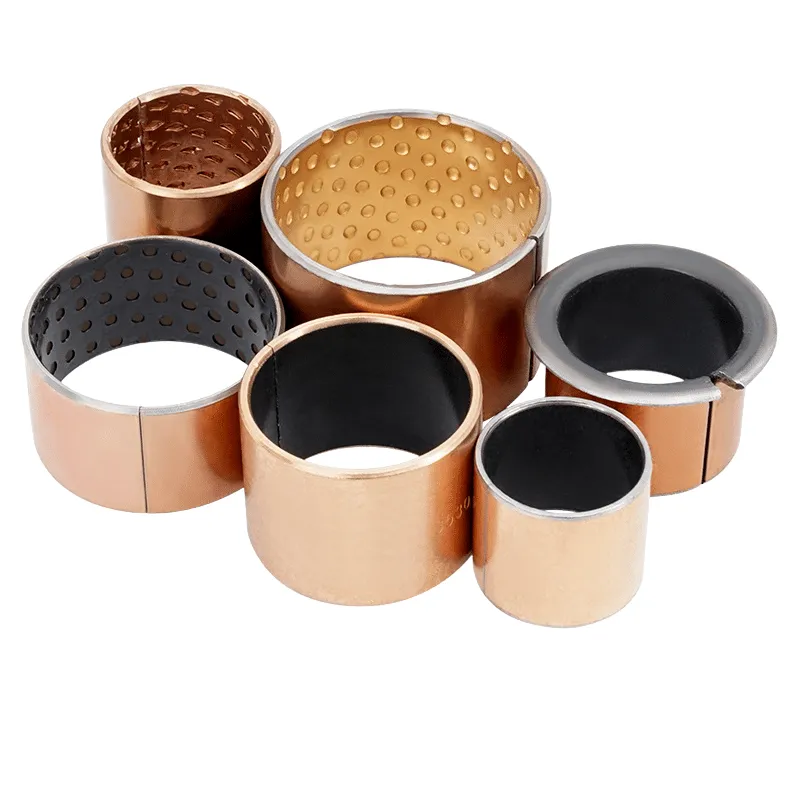
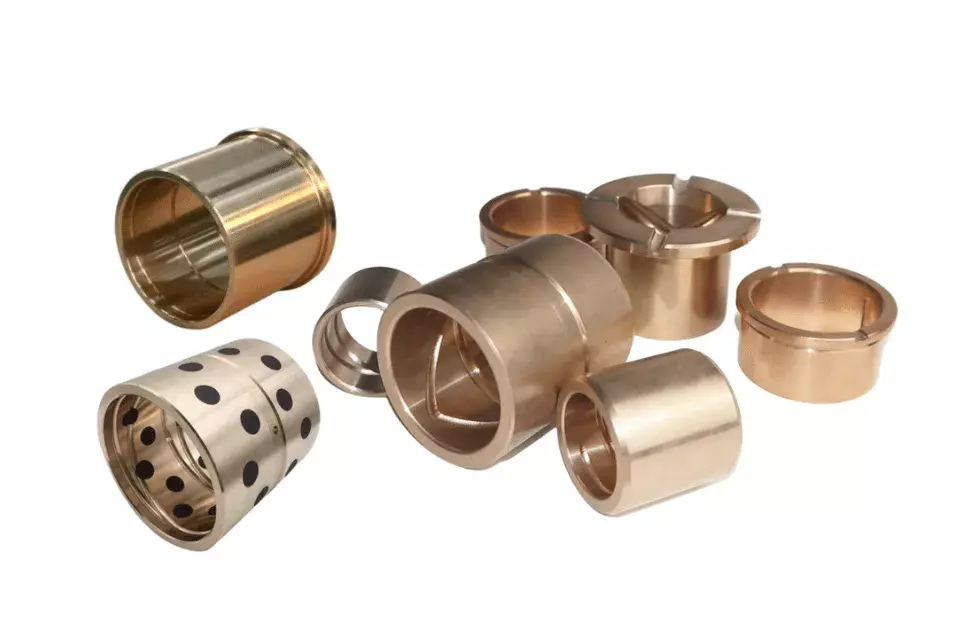
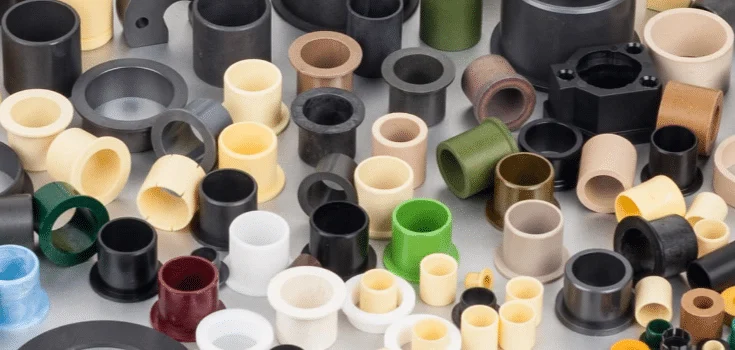
Plastic bushing vs bronze rely on engineered polymers such as nylon and PTFE blends. These materials create smooth molecular sliding under motion. Bronze bushings rely on copper alloy grains that distribute stress evenly. Metallic bonding increases rigidity under compressive force. Plastic materials reduce vibration through internal damping effects. Bronze structures deliver higher structural stability under shock impact. Engineers often evaluate deformation response under continuous cycling loads. Plastic components allow slight elastic recovery after stress removal. Bronze components maintain fixed geometry under higher force levels. Thermal expansion behavior differs between both materials. Plastic expands more under heat exposure. Bronze maintains dimensional stability across broader thermal ranges. These differences define early-stage engineering selection in mechanical systems.
Plastic Bushing Vs Bronze Load and Wear Performance
Plastic Bushing Vs Bronze selection strongly depends on mechanical load behavior. Engineered polymer bushings handle moderate load conditions with stable contact distribution. Bronze bushings support significantly higher load intensity without structural failure. Wear patterns differ across long-term operation cycles. Plastic surfaces polish gradually under repeated motion. Bronze surfaces develop defined wear tracks under insufficient lubrication. Engineers analyze stress concentration zones to reduce failure risk. Plastic materials absorb micro-vibrations during movement cycles. Bronze materials resist deformation under heavy static pressure. Wear resistance also depends on operating speed and lubrication quality. Plastic systems reduce abrasive wear through embedded additives. Bronze systems depend on external lubrication stability. These differences define reliability in industrial motion systems.
Friction and Lubrication Systems
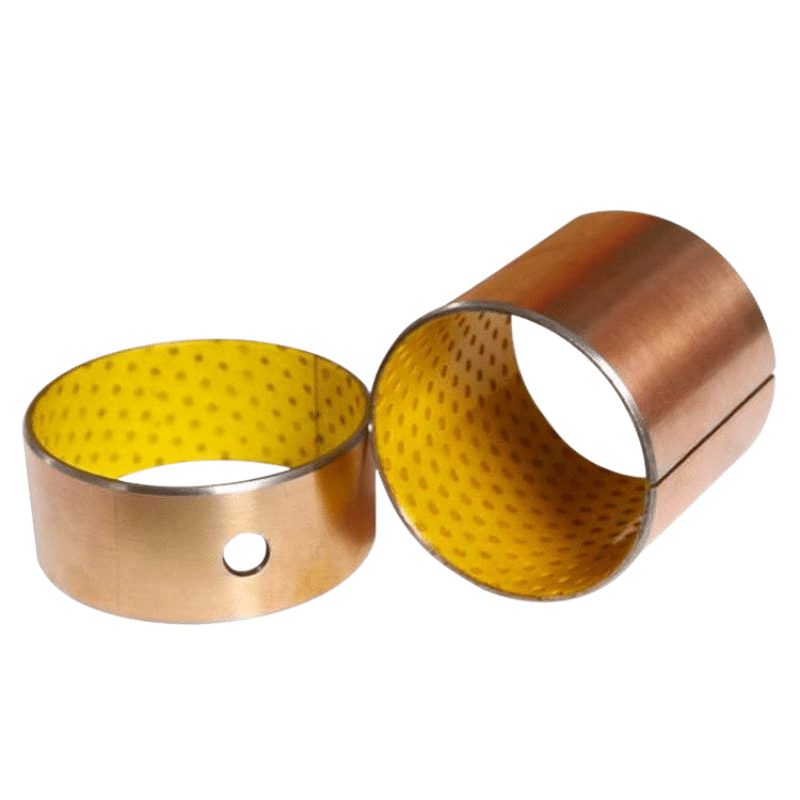
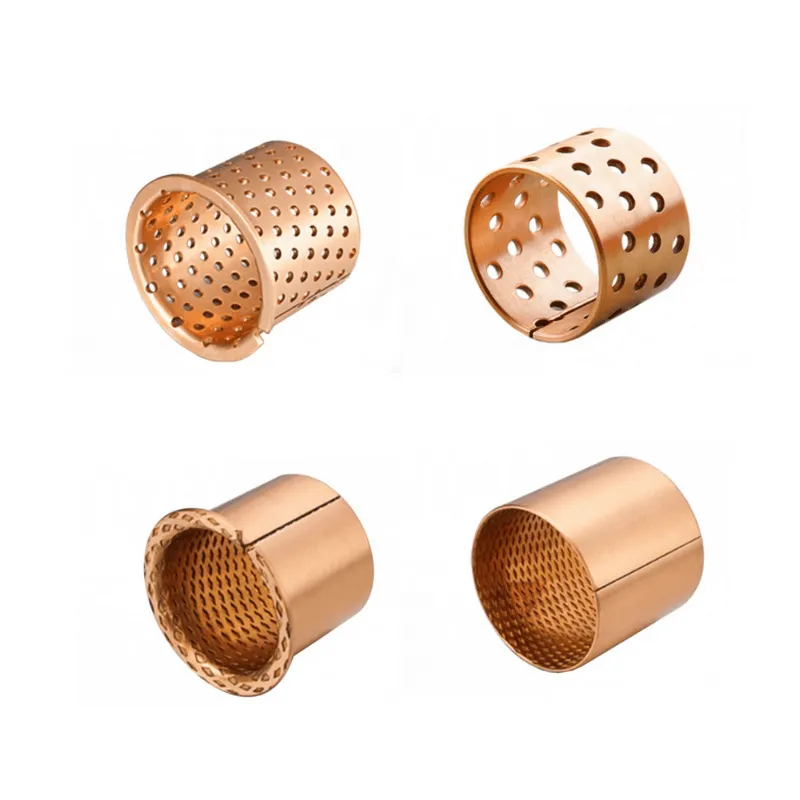
Plastic bushings often operate with self-lubricating additives integrated into the material. These additives create a low-friction interface during motion. Bronze bushings require external lubrication such as grease or oil systems. Oil grooves improve lubricant retention and distribution efficiency. In some heavy machinery systems, brass bushing with oil groove improves sliding stability under continuous load cycles. Heat generation varies significantly between materials. Plastic components produce less frictional heat under light loads. Bronze components dissipate heat more effectively under high-load environments. Engineers evaluate lubrication intervals based on operating speed and pressure conditions. Dry running capability is a major advantage of polymer-based systems. Bronze systems perform better in high-temperature lubricated environments. Friction control directly impacts energy efficiency and system lifespan.
Environmental Resistance and Operating Stability
Plastic bushings resist corrosion from moisture, acids, and chemical exposure. This makes them suitable for humid or chemically active environments. Bronze bushings offer moderate corrosion resistance depending on alloy composition. Oxidation may occur during prolonged exposure. Temperature performance also differs significantly. Plastic materials soften at elevated temperatures. Bronze materials maintain stability under wider thermal ranges. Dust exposure affects both materials differently in industrial systems. Plastic surfaces reduce particle adhesion due to smoother textures. Bronze surfaces may retain particles if lubrication degrades. Industrial stainless steel bushing is often used in extreme environments requiring maximum corrosion resistance. This option is selected when both polymer and bronze systems fail to meet durability requirements. Environmental stability directly influences system reliability and maintenance cycles.
Cost and Lifecycle Economics
Plastic Bushing Vs Bronze cost evaluation includes production, maintenance, and replacement cycles. Plastic bushings are manufactured through injection molding processes. This reduces production time and material waste. Bronze bushings require casting and CNC machining steps. These processes increase manufacturing complexity. Initial purchase cost is often lower for plastic components. Bronze components require higher upfront investment. Maintenance costs differ significantly across lifecycle stages. Plastic systems require minimal lubrication maintenance. Bronze systems require scheduled lubrication and inspection routines. Lifecycle cost analysis provides more accurate decision support than initial pricing alone. Plastic systems perform well in low-maintenance environments. Bronze systems offer longer durability under heavy-duty conditions. Engineers balance cost efficiency with performance reliability in final selection.
Manufacturing Precision and Dimensional Control
Plastic bushings achieve precision through controlled injection molding cycles. This process ensures repeatable dimensions across production batches. Bronze bushings rely on casting followed by machining for accuracy. Machining improves surface finish and dimensional tolerance. Shrinkage behavior differs significantly between materials. Plastic materials shrink predictably during cooling phases. Bronze alloys require controlled solidification to avoid internal stress defects. Surface finish quality also varies. Plastic surfaces emerge smooth directly from molds. Bronze surfaces require additional polishing for optimal performance. Tolerance stability is critical in high-speed rotating systems. Engineers evaluate clearance fit to prevent vibration issues. Manufacturing method directly influences long-term operational consistency.
Plastic Bushing Vs Bronze Application Scenarios
Plastic Bushing Vs Bronze selection depends on system load, speed, and environment. Engineered polymer bushings are widely used in automation equipment and light machinery. These systems prioritize low noise and minimal maintenance. Bronze bushings are commonly used in construction machinery and hydraulic systems. These systems require high load resistance and durability. Engineers evaluate vibration intensity before selecting materials. Plastic components reduce acoustic output in sensitive environments. Bronze components maintain structural stability under continuous stress. System design often integrates both materials in hybrid configurations. This improves efficiency and performance balance. Plastic systems excel in repetitive low-load motion. Bronze systems excel in heavy-duty mechanical environments. Material selection ensures operational stability across different industries.
Installation and Maintenance Strategy
Plastic bushings allow slightly flexible installation due to material compliance. This reduces alignment sensitivity during assembly. Bronze bushings require precise shaft alignment for optimal performance. Misalignment increases wear and friction. Maintenance frequency differs significantly between materials. Plastic systems require minimal lubrication intervention. Bronze systems require scheduled lubrication cycles. Engineers monitor wear patterns to predict replacement timing. Plastic surfaces wear gradually with smooth transitions. Bronze surfaces may show scoring if lubrication fails. Proper installation reduces vibration and extends service life. Maintenance planning depends on load intensity and operating cycles. Correct assembly improves system reliability and reduces downtime risk.
Industry Standards and Engineering Selection Criteria
Engineering standards such as ISO bearing guidelines define selection parameters for bushings. These include load rating, speed limits, and temperature thresholds. Engineers calculate safety factors before final material selection. Plastic systems are suitable for low to medium load applications. Bronze systems are preferred in high-load industrial environments. Testing procedures validate wear resistance under simulated cycles. Vibration frequency also influences material selection. Plastic materials reduce acoustic emissions in sensitive systems. Bronze materials provide structural stability under continuous load. Design compliance ensures predictable performance across applications. Standardized evaluation reduces system failure risk and improves operational reliability.
Optimization Strategy for Hybrid Mechanical Systems
Hybrid design strategies combine polymer and metal properties for optimized performance. Shaft hardness plays a critical role in compatibility. Hardened shafts reduce wear across both materials. Lubrication strategy improves efficiency in mixed systems. Plastic components reduce friction losses in light-load sections. Bronze components stabilize heavy-load zones. Engineers segment mechanical systems for performance balance. Thermal expansion differences must be controlled through clearance design. Plastic expands more than bronze under heat exposure. Proper engineering prevents binding and deformation. Hybrid systems improve energy efficiency and extend service life. System-level optimization enhances industrial performance stability.
Key Advantages and Technical Summary
- Plastic bushings reduce maintenance frequency in light-duty systems
- Bronze bushings support higher mechanical loads under industrial stress
- Plastic systems provide quieter operation in automation environments
- Bronze systems deliver stronger structural resistance under impact loads
Material selection depends on operational priorities and system demands. Engineers evaluate load, speed, and environmental exposure. Plastic systems emphasize efficiency and simplicity. Bronze systems prioritize durability and strength. Proper selection improves long-term operational stability.
Comparative Engineering Data Table
| Performance Factor | Plastic Bushing | Bronze Bushing |
|---|---|---|
| Friction Level | Low with self-lubrication | Requires external lubrication |
| Load Capacity | Medium strength | High strength |
| Corrosion Resistance | High resistance | Moderate resistance |
| Maintenance Requirement | Low | Regular lubrication needed |
| Cost Efficiency | Lower cost | Higher cost |
Engineering data highlights clear trade-offs between both materials. Plastic systems reduce maintenance complexity and operating cost. Bronze systems provide higher structural reliability under demanding conditions. Selection depends on application environment and performance expectations.
FAQ
Which performs better under heavy load conditions?
Bronze bushings perform better under heavy load conditions due to their metallic grain structure. These grains distribute stress efficiently across contact surfaces. Plastic bushings may deform slightly under continuous high pressure. This limits their use in heavy industrial machinery. Engineers select bronze systems for presses, excavators, and hydraulic equipment. Load stability remains a critical selection factor. Lubrication also affects performance under stress. Bronze requires consistent lubrication to maintain durability. Plastic reduces lubrication needs but cannot match maximum load capacity. System safety depends on correct material selection under heavy-duty operation.
Do plastic bushings require lubrication like bronze bushings?
Plastic bushings often operate without external lubrication due to embedded lubricating compounds. These compounds create a low-friction interface during motion. Bronze bushings require oil or grease to prevent wear damage. Without lubrication, bronze surfaces may develop scoring and heat buildup. Plastic systems maintain stable performance under dry conditions. However, extreme load or temperature may still require additional lubrication support. Engineers evaluate operating conditions before selecting lubrication strategies. Maintenance schedules differ significantly between both materials. Plastic reduces inspection frequency in many systems. Bronze requires regular monitoring to ensure stable performance.
How to decide between plastic and bronze bushings in design projects?
Engineers evaluate load, speed, temperature, and environment when selecting materials. Plastic bushings suit low to medium load applications with frequent motion cycles. Bronze bushings suit heavy-load and high-impact environments. Temperature resistance is another key factor. Plastic materials degrade faster under heat exposure. Bronze maintains stability across wider thermal ranges. Maintenance capability also influences selection. Plastic reduces lubrication requirements and simplifies servicing. Bronze requires structured maintenance schedules. Cost analysis includes lifecycle evaluation rather than initial price alone. System noise and vibration also affect decisions. Plastic reduces acoustic output. Bronze enhances structural rigidity. Final selection balances performance, durability, and operational efficiency.