Why Is 316L Stainless Steel CNC Machining Important For Marine Parts?
Marine environments create severe challenges for metal components because saltwater, moisture, and chemical exposure can accelerate corrosion. 316L stainless steel CNC machining provides a reliable manufacturing solution for marine parts that require long-term stability. This stainless steel grade contains specific alloy elements that improve resistance against chloride corrosion and harsh conditions. CNC technology further enhances performance by producing accurate dimensions and complex structures. Ship equipment, offshore systems, and underwater devices often depend on carefully processed components. Manufacturers select suitable machining methods to maintain strength, surface quality, and operational reliability. The combination of advanced manufacturing and corrosion-resistant material helps marine parts achieve longer service periods with reduced maintenance requirements.
What Properties Make 316L Stainless Steel Ideal For Marine Applications?
316L stainless steel offers excellent protection because of its balanced chemical composition. Chromium creates a passive oxide layer that prevents continuous surface damage. Nickel improves toughness and supports stable performance under mechanical stress. Molybdenum provides additional protection against pitting and crevice corrosion caused by seawater exposure. The low carbon content also reduces carbide formation during welding processes. This feature helps maintain corrosion resistance around welded sections. Marine engineers often choose this material for components that require durability, strength, and consistent performance. Compared with many standard stainless steel options, 316L provides stronger resistance in environments containing chlorides, making it suitable for demanding marine applications.
| Material Element | Main Function | Marine Performance Benefit |
|---|---|---|
| Chromium | Creates a passive protective layer | Reduces surface corrosion risks |
| Nickel | Improves toughness and stability | Supports mechanical durability |
| Molybdenum | Enhances chloride resistance | Protects against seawater pitting |
| Low Carbon Content | Limits carbide precipitation | Improves welded area reliability |
How Does Chemical Composition Affect Marine Component Durability?
The chemical structure of 316L stainless steel directly determines its ability to survive marine conditions. Chromium content usually ranges between 16% and 18%, while nickel content commonly reaches 10% to 14%. Molybdenum levels around 2% to 3% improve resistance against aggressive saltwater exposure. These elements work together to maintain a stable protective surface. The reduced carbon level helps prevent corrosion problems after welding operations. For marine manufacturers, chemical consistency is essential because unpredictable material behavior can affect equipment safety. Material certificates and alloy verification processes confirm that supplied materials match required specifications. Proper material control supports reliable production and improves the service life of finished components.
Which Marine Components Require High-Quality Stainless Steel Processing?
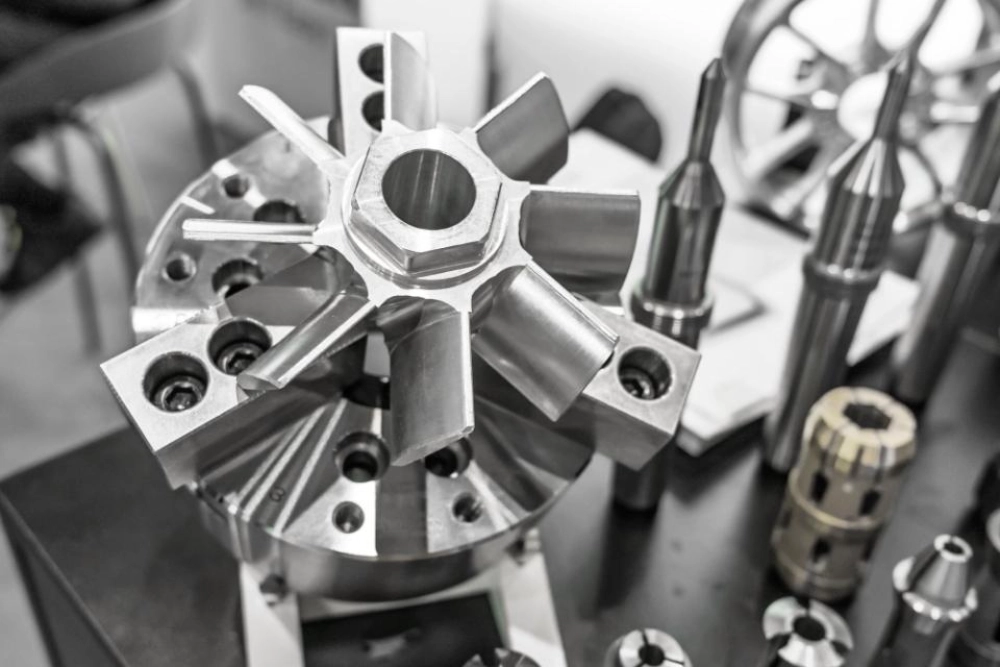
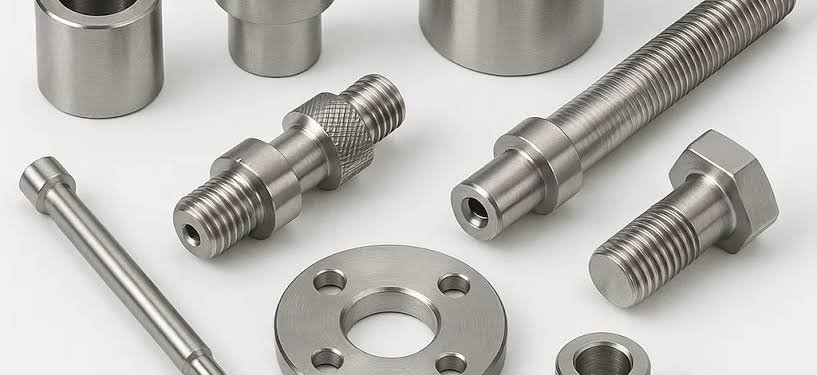
Marine equipment includes many parts that must maintain performance under continuous exposure to seawater. Valves, pump bodies, fasteners, shafts, and connection components require strong corrosion resistance and accurate manufacturing. Precision machined components created from 316L stainless steel support complex designs with strict dimensional requirements. CNC processing allows manufacturers to produce detailed structures, accurate threads, and smooth internal surfaces. These features improve assembly performance and reduce operational problems. Marine applications often involve heavy loads and changing temperatures, so component quality becomes critical. Proper machining techniques ensure that parts maintain their mechanical properties throughout long-term service. Reliable processing also helps reduce replacement frequency in marine systems.
| Marine Part Type | Production Requirement | 316L Stainless Steel Advantage |
|---|---|---|
| Marine Valves | Precise channels and corrosion resistance | Maintains performance in seawater |
| Pump Components | High accuracy and wear resistance | Provides stable mechanical strength |
| Fasteners | Reliable threads and durability | Reduces rust-related failures |
| Shaft Components | Surface quality and load capacity | Supports continuous operation |
How Does 316L Stainless Steel CNC Machining Improve Marine Part Performance?
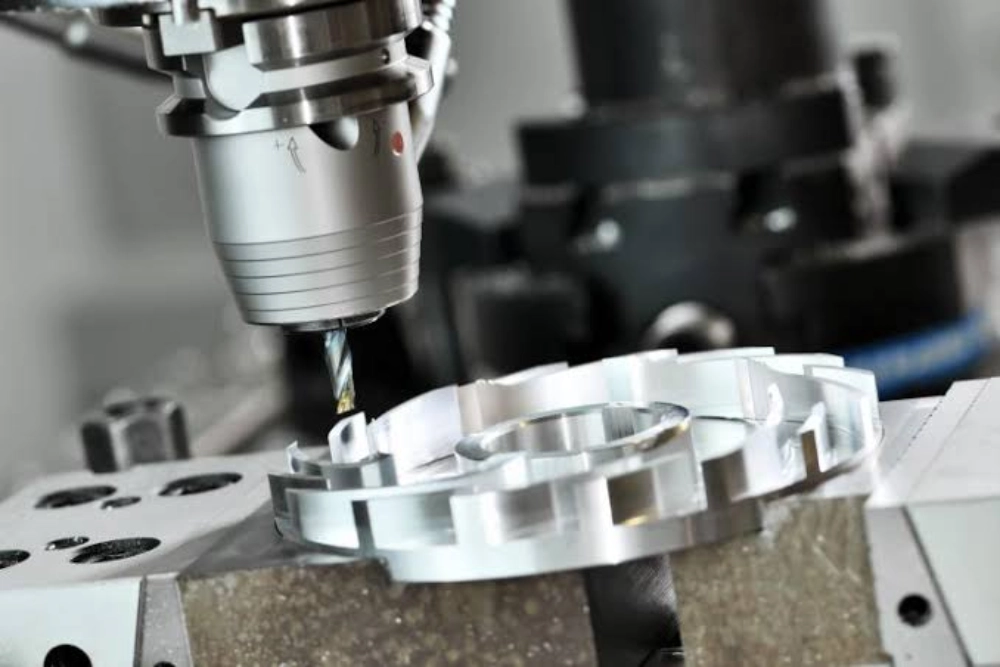
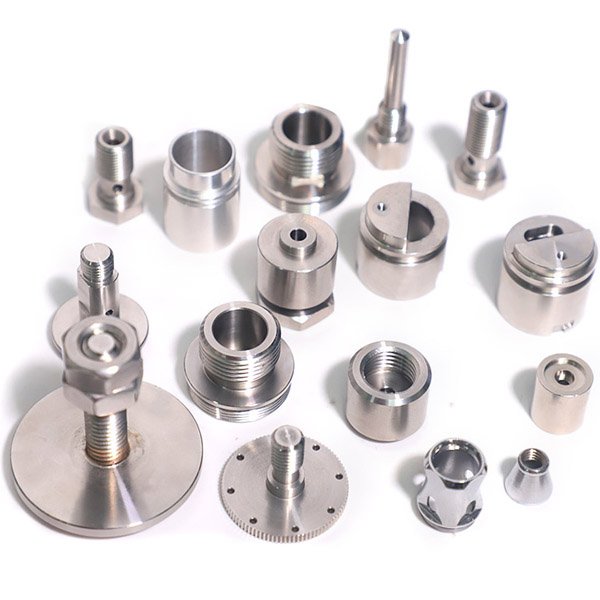
Modern marine manufacturing depends on precise production methods to achieve reliable results. 316L stainless steel CNC machining allows manufacturers to create complex geometries while maintaining strict tolerances. However, this alloy requires careful control because it can experience work hardening during cutting operations. Skilled machinists select suitable cutting speeds, feed rates, and carbide tools to maintain efficiency. Cooling systems also play an important role by controlling heat generation during processing. Proper parameter adjustment reduces tool wear and improves surface quality. Advanced CNC equipment supports repeatable production for different marine applications. Precision CNC machined parts benefit from controlled machining parameters, stable tooling, and consistent inspection procedures. These manufacturing advantages help components achieve consistent dimensions and reliable performance in challenging environments.
Key machining considerations include:
- Selecting cutting tools suitable for stainless steel hardness.
- Controlling machining temperature through effective cooling methods.
- Monitoring tool conditions during long production cycles.
- Applying suitable finishing methods after machining.
- Performing inspection procedures before final delivery.
How Do Machining Parameters Influence Final Component Quality?
Machining parameters directly affect accuracy, durability, and surface performance. Cutting speed influences heat generation and tool lifespan. Feed rate affects surface roughness and dimensional consistency. Improper settings may create defects that reduce component reliability. Manufacturers analyze production data to optimize machining conditions for each project. Inspection teams measure critical dimensions and evaluate surface characteristics before shipment. These procedures help maintain stable quality across different production batches. CNC manufacturing systems can record machining information, allowing engineers to improve future processes. Careful parameter management supports better efficiency while reducing material waste. For marine industries, consistent quality control ensures components can operate safely under demanding conditions.
How Does Surface Finishing Improve Marine CNC Parts?
Surface finishing provides additional protection for marine components exposed to harsh environments. Electropolishing removes microscopic surface irregularities and creates a smoother metal surface. Passivation strengthens the natural oxide layer and improves corrosion resistance. Brushing finishing creates a controlled appearance while maintaining functional protection. These treatments reduce contamination buildup and support easier maintenance. Surface quality also influences how effectively components resist seawater damage. Manufacturers select finishing methods based on operating conditions and customer requirements. Combining accurate machining with proper surface treatment creates stronger protection against corrosion. This approach improves component reliability and extends service life in marine applications.
How Do Quality Standards Support Reliable Marine Manufacturing?
Marine component production requires strict quality management because failures can create significant operational risks. Manufacturers often follow recognized standards to verify material quality and production consistency. Material traceability records confirm alloy sources and processing history. Dimensional inspections verify whether finished components meet engineering drawings. Surface testing evaluates whether parts achieve required finishing conditions. These quality procedures create confidence for marine equipment buyers. Reliable suppliers maintain documented production systems and inspection methods throughout manufacturing. Strong quality control reduces unexpected failures and supports long-term cooperation between manufacturers and customers.
Quality evaluation usually includes:
- Material certificate verification before production.
- Dimensional inspection using precision measurement equipment.
- Surface analysis for corrosion protection.
- Final testing before shipment approval.
How Can Buyers Select A Reliable CNC Supplier For Marine Parts?
Choosing a suitable supplier requires evaluation of manufacturing capability, technical experience, and quality systems. Buyers should review machining equipment, material handling procedures, and inspection methods before cooperation. Suppliers with marine manufacturing experience usually recognize corrosion challenges and tolerance requirements more effectively. Production communication also affects project success because clear specifications reduce errors. A reliable partner provides detailed documentation, consistent samples, and stable production results. CNC suppliers should demonstrate their ability to process difficult alloys while maintaining accuracy. Careful supplier evaluation helps buyers reduce risks and achieve dependable marine component performance.
Why Does Material Selection Determine Marine CNC Part Longevity?
Material selection has a direct impact on marine component lifespan and maintenance requirements. Stainless steel grades with strong corrosion resistance can reduce damage caused by saltwater exposure. 316L stainless steel CNC machining combines suitable material properties with advanced manufacturing accuracy. Proper processing, finishing, and inspection methods further improve performance. Marine industries require components that can operate reliably under pressure, vibration, and environmental stress. Selecting the correct material helps prevent premature failures and reduces replacement costs. Engineers consider chemical composition, mechanical strength, and application conditions before choosing materials. This balanced approach supports durable marine systems and improves overall equipment reliability.
FAQ
Is 316L stainless steel better than 304 stainless steel for marine parts?
316L stainless steel provides stronger marine performance because it contains molybdenum, which improves resistance against chloride corrosion. 304 stainless steel works well in many general applications, but it offers less protection in saltwater environments. Marine components often face continuous exposure to moisture and seawater, making corrosion resistance a priority. The additional alloy elements in 316L help reduce pitting and crevice corrosion risks. For equipment operating near oceans or offshore locations, 316L is usually a more suitable choice. Material selection depends on specific conditions, but harsh marine environments often require enhanced corrosion protection.
How To Choose Marine Stainless Steel CNC Parts 316L?
When selecting marine stainless steel CNC parts, buyers should evaluate corrosion resistance, mechanical strength, dimensional accuracy, and surface finish. 316L stainless steel suits many marine applications because its molybdenum content improves resistance against chloride-induced pitting and crevice corrosion. Buyers should also confirm the material grade through mill certificates and chemical composition reports. Machining quality matters because inaccurate dimensions can affect sealing, assembly, and component reliability. Surface treatments such as passivation or electropolishing may provide additional protection for demanding environments. Production capability, inspection procedures, and tolerance control should also match the application’s technical requirements. For components exposed to seawater, selecting the correct material and machining process helps improve durability and reduce maintenance risks.
How can 316L CNC parts maintain performance in seawater environments?
316L CNC parts maintain performance through a combination of suitable material properties, accurate manufacturing, and proper maintenance practices. The alloy composition provides strong corrosion resistance, while precision processing ensures reliable dimensions and assembly performance. Surface treatments such as passivation and electropolishing can further improve protection. Regular inspections help identify potential issues before they affect equipment operation. Marine operators should also follow maintenance schedules to remove contaminants and monitor component conditions. When manufacturers apply strict production controls, these parts can provide long service life in seawater environments. Reliable material selection and professional processing remain essential for marine applications.