Introduction to Plastic Knob vs Metal Knob in Industrial Applications
Plastic knob vs metal knob remains a critical comparison in industrial sourcing decisions. Buyers often evaluate performance, cost, and durability before selecting components. Knobs are widely used in machinery, electronics, and control panels. Each material offers distinct benefits depending on application demands. Plastic knobs provide lightweight and corrosion resistance advantages. Metal knobs deliver higher strength and long-term durability under stress. Engineers must balance function with cost efficiency. Environmental exposure also influences material selection in large-scale projects.
Material Composition and Manufacturing Processes
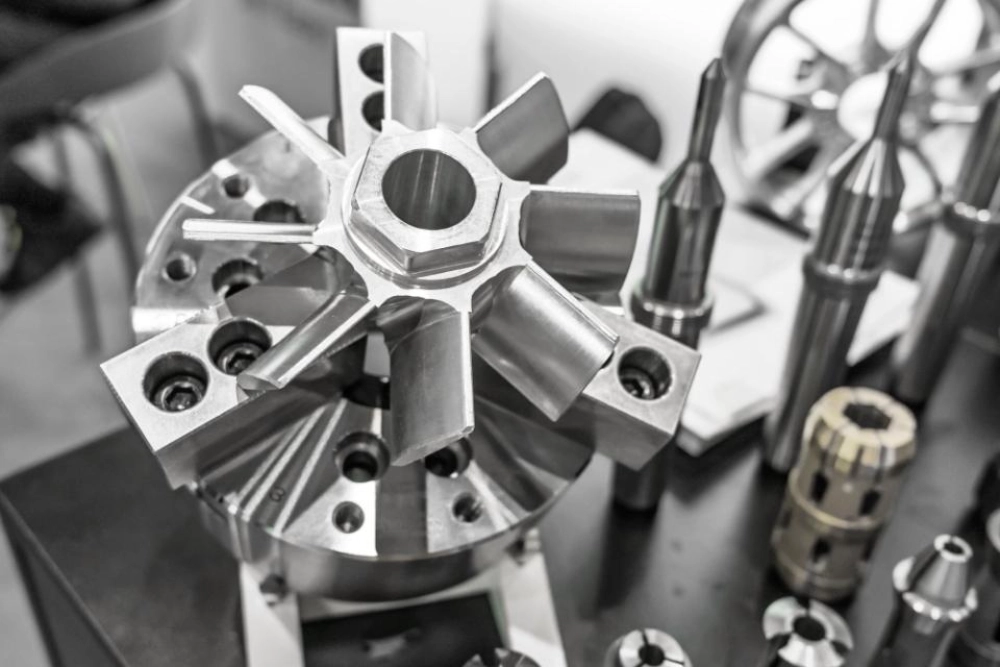
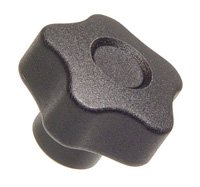
Plastic knobs are typically produced using ABS, polypropylene, or reinforced nylon materials. These polymers offer flexibility and resistance to certain chemicals. Injection molding allows high-volume production with consistent quality. Complex shapes can be achieved without secondary machining processes. Metal knobs rely on aluminum, stainless steel, or zinc alloys. Manufacturing methods include CNC machining, die casting, and forging. Each method affects precision, cost, and surface finish. Metal processing requires additional finishing such as polishing or coating. Production cycles for metals are usually longer than plastics. However, metals provide superior dimensional stability under mechanical stress.
Mechanical Strength and Load-Bearing Capabilities
Strength differences define the performance gap between these materials. Metal knobs withstand higher torque and mechanical loads without deformation. Plastic knobs may deform under excessive force or repeated stress cycles. Reinforced plastics improve strength but cannot fully match metals. Industrial equipment often requires consistent torque resistance over time. Metal designs ensure reliability in high-pressure environments. Plastic options are suitable for light-duty or moderate applications. Engineers must calculate load requirements before selecting materials. Failure risks increase when materials are mismatched with operational demands. Long-term stability becomes essential in mission-critical systems.
Durability and Environmental Resistance Factors
Environmental conditions significantly impact material longevity. Metal knobs resist physical wear and maintain structure over extended use. Stainless steel options offer excellent corrosion resistance in humid environments. Plastic knobs resist chemicals and certain acids effectively. However, prolonged UV exposure may degrade some plastic materials. Temperature extremes can also affect plastic performance over time. Metals handle high temperatures better without structural compromise. Coatings can enhance metal resistance against corrosion and oxidation. Both materials require proper selection based on exposure conditions. Industrial buyers often prioritize durability for long-term reliability.
Cost Efficiency and Production Scalability
Cost structures differ significantly between plastic and metal components. Plastic knobs benefit from lower material and production costs. Injection molding supports mass production with reduced unit pricing. Tooling costs can be high initially but amortize over large volumes. Metal knobs require higher raw material investment and machining costs. Smaller production runs may favor metal due to lower tooling requirements. Long-term cost analysis includes maintenance and replacement frequency. Plastic may reduce upfront costs but increase replacement cycles. Metal often provides better lifecycle value despite higher initial pricing. Strategic sourcing depends on production scale and usage intensity.
Design Flexibility and Customization Options
Design versatility plays a major role in product differentiation. Plastic knobs allow diverse shapes, colors, and textures through molding techniques. Custom branding elements can be integrated directly into the design. Surface finishes such as matte or gloss are easily achieved. Metal knobs offer premium aesthetics and tactile feedback. Finishing options include anodizing, powder coating, and electroplating. These processes enhance both appearance and durability. Complex ergonomic designs are easier to implement in plastic. Metals, however, provide a more robust and professional feel. Design selection depends on both functional and branding requirements.
Weight and Ergonomic Performance in Use
Weight differences influence usability and application suitability. Plastic knobs are lightweight and reduce overall equipment mass. This advantage is important in portable or handheld devices. Metal knobs provide a solid feel and improved grip under force. Heavier weight can enhance perceived quality in premium products. Ergonomics also depend on shape, texture, and surface finish. Plastic allows softer edges and comfortable handling. Metal surfaces may require texturing to improve grip. User interaction plays a critical role in component selection. Comfort and control directly impact operational efficiency.
Industry Applications and Use Case Scenarios
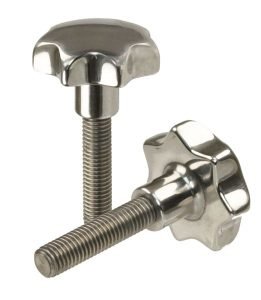
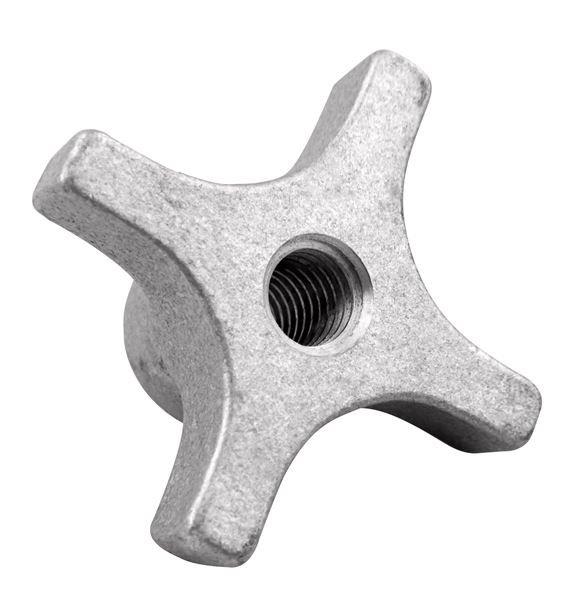
Application context determines the ideal material choice. Plastic knobs are widely used in consumer electronics and light machinery. They are also common in medical devices due to chemical resistance. Metal knobs dominate heavy machinery and industrial control systems. High-load environments require reliable mechanical strength. Products like stainless steel star knobs are preferred in demanding industrial settings. Furniture and decorative hardware may use both materials depending on design goals. Automotive and aerospace industries often favor metal for safety reasons. Each sector evaluates performance, durability, and compliance requirements carefully.
Comparison Table: Plastic Knob vs Metal Knob Key Differences
| Feature | Plastic Knob | Metal Knob |
|---|---|---|
| Material | ABS, PP, Nylon | Aluminum, Steel, Zinc |
| Weight | Lightweight | Heavier |
| Strength | Moderate | High |
| Cost | Lower | Higher |
| Durability | Moderate | Excellent |
| Corrosion Resistance | Good | Excellent with coating |
| Customization | High flexibility | Moderate flexibility |
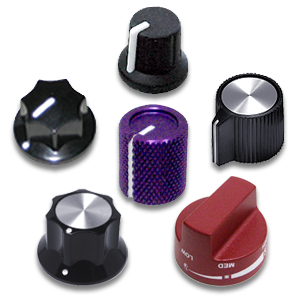
Applying Comparison Insights to Practical Selection
These differences help buyers align product features with application needs. Plastic knobs excel in cost-sensitive, high-volume production scenarios. Metal knobs perform better in demanding environments requiring strength. Each factor should be evaluated alongside operational requirements. Buyers should also consider maintenance and replacement frequency. Proper material selection reduces downtime and improves efficiency. Decision-making becomes more effective with structured comparison data. Real-world performance often depends on combined factors rather than a single attribute.
Performance Comparison Across Industrial Conditions
| Condition | Plastic Knob Performance | Metal Knob Performance |
|---|---|---|
| High Temperature | May deform | Stable |
| Chemical Exposure | Resistant to many chemicals | Depends on coating |
| Heavy Load | Limited capacity | High load tolerance |
| Outdoor Use | UV degradation possible | Corrosion resistant |
| Precision Control | Adequate | Superior |
Evaluating Performance Data for Engineering Decisions
Performance comparisons highlight how materials behave under real conditions. Plastic knobs suit environments with moderate stress and chemical exposure. Metal knobs remain reliable under extreme temperatures and loads. Engineers must consider safety margins when selecting components. Data-driven decisions reduce operational risks and maintenance costs. Environmental factors often outweigh cost considerations in industrial settings. Matching performance data with application needs ensures long-term reliability. Accurate evaluation improves both product quality and user satisfaction.
Key Factors to Consider When Choosing Between Plastic and Metal Knobs
Selecting the right knob involves balancing multiple variables. Key considerations include application type, load requirements, and environment. Budget constraints also influence material selection in large orders. Lifecycle expectations should guide procurement strategies. Additional factors include compliance with industry standards and certifications. For example, metric clamping lobe knobs are often used where precision adjustment is required. Supplier reliability and customization capabilities are equally important. Buyers should conduct thorough evaluations before finalizing orders. Strategic selection improves both performance and cost efficiency.
Procurement Tips for B2B Buyers and OEMs
B2B buyers must evaluate suppliers based on quality and consistency. Certifications such as ISO 9001 for quality management and ISO 14001 for environmental systems indicate structured operations. RoHS compliance restricts hazardous substances like lead and mercury in components. REACH regulation ensures safe chemical usage across supply chains. Material traceability ensures product reliability and safety. Minimum order quantities affect cost and inventory planning. Customization options should align with branding and functional requirements. Sampling and testing are essential before bulk purchasing decisions. Long-term partnerships with reliable suppliers reduce operational risks. Procurement strategies should focus on total value rather than initial pricing. Effective sourcing improves supply chain stability and product performance.

Future Trends in Knob Manufacturing and Material Innovation
Innovation continues to shape the evolution of industrial components. Sustainable materials are gaining attention in manufacturing processes. Recyclable plastics and eco-friendly coatings are becoming more common. Advanced metal treatments improve durability and corrosion resistance. Hybrid designs combine plastic cores with metal surfaces. Smart manufacturing technologies enhance precision and efficiency. Automation reduces production errors and improves scalability. Future developments will focus on performance, sustainability, and cost optimization. Industry trends indicate growing demand for customized and high-performance components.
Frequently Asked Questions
What is the main difference between plastic knob vs metal knob?
Plastic knob vs metal knob primarily differs in material strength, cost, and durability. Plastic knobs are lightweight and cost-effective for mass production. Metal knobs offer higher strength and better resistance to mechanical stress. Environmental resistance also varies between the two materials. Plastics handle certain chemicals well but may degrade under UV exposure. Metals perform better in high-temperature and heavy-load environments. The choice depends on application requirements and budget constraints. Industrial buyers often prioritize durability and lifecycle performance when selecting between these options.
Which option is more durable in industrial environments?
Durability depends on operating conditions and usage intensity. Metal knobs generally provide superior durability in industrial settings. They resist wear, deformation, and high mechanical stress effectively. Stainless steel and coated metals offer excellent corrosion resistance. Plastic knobs perform well in controlled environments with limited stress. However, prolonged exposure to heat or UV may reduce their lifespan. Reinforced plastics can improve durability but still fall short of metals. For heavy-duty applications, metal remains the preferred choice due to reliability and longevity.
How to choose between plastic and metal knobs for bulk orders?
Choosing the right material requires evaluating several business factors. Buyers should analyze application requirements and environmental exposure first. Budget considerations play a significant role in large-scale procurement. Plastic knobs reduce upfront costs and support high-volume production. Metal knobs offer better long-term value through durability and reduced replacement needs. Supplier capability and customization options should also be assessed. Testing samples before bulk orders helps ensure performance expectations are met. A balanced approach between cost and functionality leads to optimal procurement decisions.