Evaluating Stainless Steel Pins Vs Alloy Steel Pins In Manufacturing
Industrial fastener selection demands absolute precision for optimal mechanical performance. Engineers regularly evaluate different metals to ensure long-term structural integrity. Indeed, comparing stainless steel pins vs alloy steel pins requires careful analysis. Each alloy possesses unique metallurgical properties that influence operational lifespans. Moisture, chemical exposure, and physical stress impact these metallic components daily. Selecting the wrong fastener material often leads to sudden mechanical failure. Heavy machinery relies on robust connectors to maintain continuous assembly line production. Thus, specifying correct hardware prevents expensive downtime in manufacturing plants. The upcoming discussion explores distinct chemical formulations and their practical consequences. Scientific tests prioritize factual data regarding corrosion resistance and yield strength ratios. This comparison assists procurement specialists in making highly informed purchasing decisions.
Metallurgical Properties Of Chromium Rich Fasteners
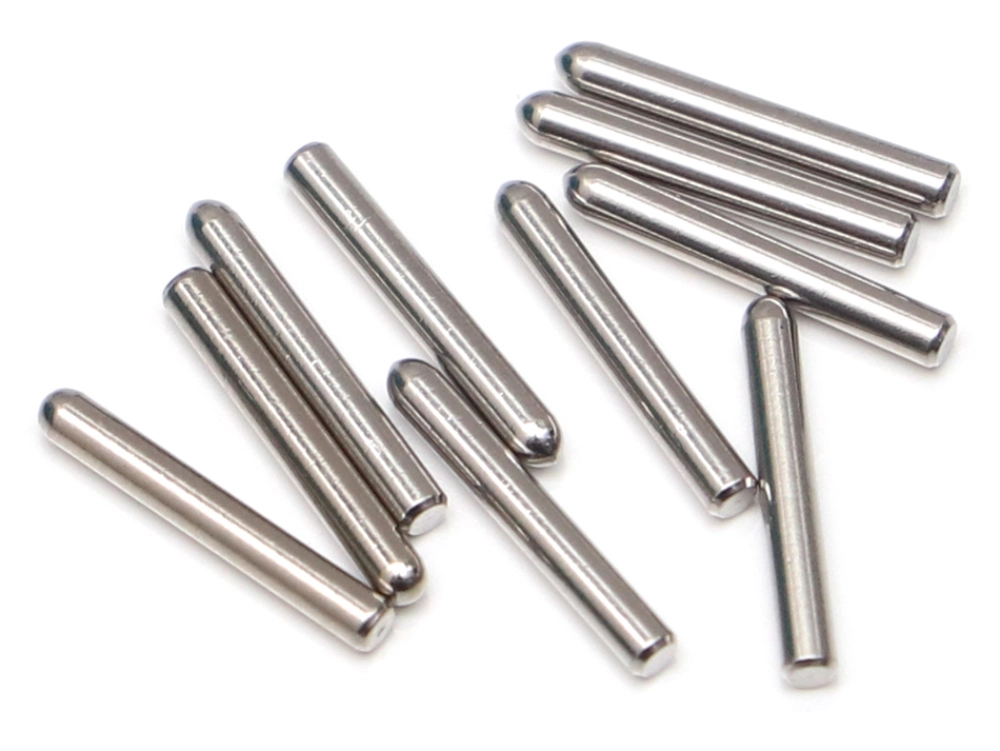
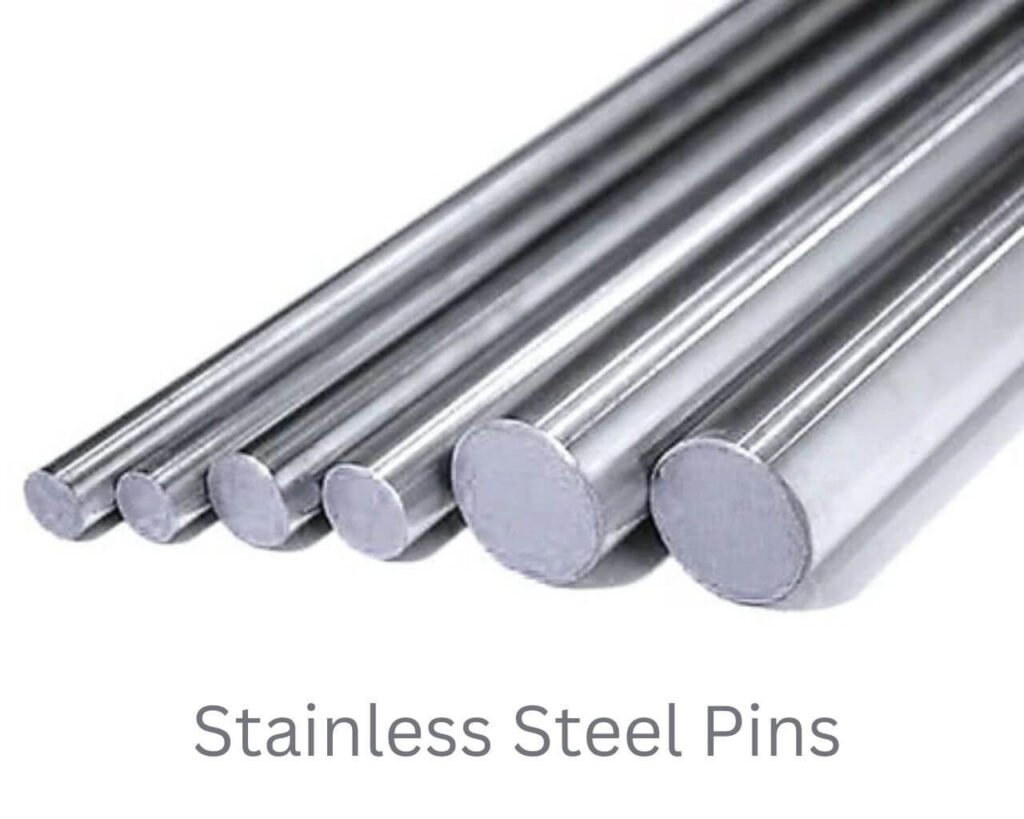
Chromium content defines the performance of modern rust-resistant steel alloys. Typically, these materials contain at least ten percent chromium by weight. This element creates an invisible protective barrier on the metal surface. Oxygen reacts with chromium to form a self-healing oxide film instantly. Consequently, a stainless steel pin resists rust even in highly humid environments. Grade 316 variants include molybdenum to combat severe chloride pitting. Chemical processors favor these fasteners for acid handling equipment parts. However, standard austenitic grades offer lower hardness than carbon variants. Designers must consider this strength limitation during the early blueprint phase. Sufficient tensile capacity ensures the assembly survives intense operating pressures. Empirical evidence demonstrates that material composition dictates overall environmental endurance. Choosing chromium-rich metals provides reliable security against oxidation risks.
Physical Strengths Of Heat Treated Carbon Alloys
Alloy steels merge carbon with elements like manganese, chromium, and molybdenum. These additives enhance structural hardness through specialized thermal treatment processes. Manufacturers heat these components above critical temperatures before rapid quenching. This process creates a highly durable martensitic grain structure. For example, a machining lock pin withstands immense rotational shear forces. Such parts routinely operate inside heavy automotive transmission systems. High tensile strength prevents bending under sudden, violent mechanical impacts. Nevertheless, these carbon-rich alloys require protective coatings to prevent rust. Uncoated surfaces oxidize quickly when exposed to moisture or outdoor air. Engineers utilize zinc plating or black oxide finishes to delay corrosion. Plating surface treatments expand the usability of high-strength fasteners. Optimal material selection balances extreme physical toughness with environmental exposure risks.
Comparative Data Metrics For Engineering Steels
Selecting the correct fastener involves analyzing objective metallurgical data. Metallurgical charts compare standard stainless grades against popular heat-treated alloy compositions. Tensile strength determines the maximum pulling force a fastener tolerates. Yield strength defines the point where permanent metal deformation begins. Meanwhile, Rockwell hardness scales measure resistance to localized surface indentation. Stainless grades maintain moderate strength but deliver exceptional corrosion protection. Conversely, alloy steels provide extreme load-bearing capabilities with limited oxidation resistance. Specifiers must balance these mechanical values against specific environmental hazards. The following dataset summarizes key structural metrics for professional evaluation. Standard industrial databases compile these verified figures from international material specifications. This reference assists in verifying precise load limits for safety.
| Material Grade | Tensile Strength (MPa) | Yield Strength (MPa) | Hardness Level | Primary Benefit |
|---|---|---|---|---|
| Grade 304 Stainless | 515 | 205 | 92 HRB | General rust protection |
| Grade 316 Stainless | 580 | 290 | 95 HRB | Chloride pitting resistance |
| AISI 4140 Alloy | 1000 | 850 | 32 HRC | Extreme shear resistance |
| AISI 8620 Alloy | 700 | 550 | 25 HRC | High surface wear limits |
Technical Interpretation Of Steel Performance Metrics
The numerical data reveals dramatic differences in load-bearing capabilities. Clearly, AISI 4140 alloy steel achieves the highest tensile strength values. This grade easily outperforms austenitic stainless options in high-stress scenarios. However, stainless grades provide indispensable value in wet environments. Analyzing stainless steel pins vs alloy steel pins helps engineers select appropriate parts. Lower yield strength in stainless steels prevents their use in heavy lifting mechanisms. Conversely, alloy pins fail quickly without supplementary chemical surface protection. Corrosive elements attack uncoated carbon structures, causing rapid material degradation. Thus, the final decision requires matching material capabilities with atmospheric conditions. Independent laboratory testing confirms these mechanical variations under extreme physical testing. Designers should maintain strict adherence to these verified threshold limits during system design.
Hardness and Thermal Limitations Of Fasteners
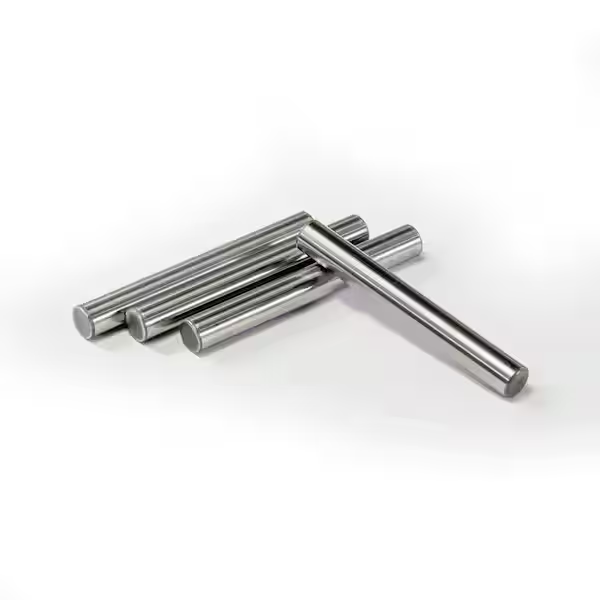
Temperature fluctuations alter the mechanical behavior of industrial pin fasteners. Extreme heat reduces the structural integrity of quenched carbon structures. Conversely, low temperatures induce dangerous embrittlement in certain alloy formulations. Austenitic stainless steels retain excellent ductility in cryogenic conditions. These alloys perform reliably without cracking in freezing temperatures. Meanwhile, alloy steel pins withstand elevated operating temperatures up to 400 degrees. Exceeding this thermal threshold softens the heat-treated metal structure. This thermal degradation compromises the safety of heavy conveyor systems. Engineers must evaluate these precise temperature limits before final hardware installation. The following table documents thermal limits and maximum working temperatures. Such vital limits assist in preventing premature metal failure in commercial industrial ovens.
| Material Grade | Max Working Temp (°C) | Min Working Temp (°C) | Wear Resistance | Acid Resistance |
|---|---|---|---|---|
| Grade 304 Stainless | 800 | -196 | Moderate | High |
| Grade 316 Stainless | 850 | -196 | Moderate | Very High |
| AISI 4140 Alloy | 375 | -40 | Very High | Low |
| AISI 8620 Alloy | 350 | -40 | Extreme | Low |
Analyzing Thermal Resilience and Surface Longevity
The second dataset illustrates why extreme environments require precise metallurgical choices. Austenitic stainless steels withstand remarkably high temperatures without losing ductile characteristics. This makes them ideal for industrial furnace assemblies and exhaust systems. However, alloy steels offer superior resistance to physical abrasive wear over time. A hard martensitic surface layer protects the core from frictional damage. But these high-strength materials lose ductility rapidly below negative forty degrees. Cryogenic systems must avoid carbon alloys to prevent catastrophic fracturing. Industrial guidelines prioritize stainless compositions for liquid nitrogen transport equipment components.
Consequently, environmental temperatures dictate the safety thresholds of mechanical designs. Empirical field records validate these recommended operating parameters in active machinery. Proper material selection guarantees long-term performance under demanding operating stress.
Selecting Stainless Steel Pins Vs Alloy Steel Pins For Heavy Duty Operations
Engineers must evaluate practical application demands before selecting a fastening component. Both materials serve crucial roles in modern mechanical engineering projects. Indeed, selecting stainless steel pins vs alloy steel pins depends on load profiles. High-load machinery utilizes heat-treated alloy fasteners for structural security. Food processing machinery relies on stainless steel to meet hygiene regulations. Chemical exposure quickly ruins standard alloy pins in pharmaceutical manufacturing plants. Thus, the environmental medium determines the ideal material choice directly. The following list outlines standard industrial applications for quick reference. These examples represent typical field usages for both pin material categories. Field inspection reports document these applications from active industrial plant operations. This list clarifies specific mechanical needs for both options.
Food Processing Conveyors: Requires hygienic 316 stainless pins to resist chemical washes.
Heavy Earthmoving Equipment: Demands 4140 alloy pins to support extreme hydraulic forces.
Marine Rigging Systems: Utilizes rustproof stainless fasteners to prevent saltwater pitting.
High-Speed Gearboxes: Employs hardened alloy lock pins to handle rotational torque.
Operational Trade-offs in Heavy Machinery Environments
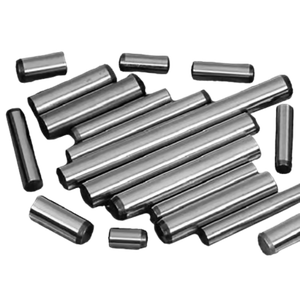
The listed applications demonstrate how specific environments govern fastener material choice. Saltwater exposure ruins alloy steel rapidly, causing severe crevice corrosion failures. Consequently, marine operators must choose stainless steels despite lower strength limits. Conversely, high-torque industrial gearboxes generate intense physical shear loads.Stainless steel pins bend under such high mechanical strain patterns. This bending disrupts gear alignment and causes catastrophic machinery breakdowns. Alloy pins provide the necessary physical rigidity to maintain perfect alignment. Machine designers balance corrosion threats against structural load calculations during initial planning. Fastening specialists choose the appropriate components by assessing these critical parameters. Thus, proper material selection ensures safety and prevents unexpected operating failures. Using the correct pin material maximizes the operational lifetime of equipment.
FAQ
Which Pin Material Offers Superior Corrosion Resistance in Chemical Processing?
Stainless steel fasteners provide the best protection against aggressive chemical environments. The high chromium content creates an invisible oxide barrier that blocks oxygen. In contrast, alloy steels deteriorate rapidly when exposed to acidic vapors. Thus, chemical processing facilities rely on stainless steel to prevent rust. Evaluating stainless steel pins vs alloy steel pins in chemical plants reveals clear choices. Engineers select austenitic grades like 316 for extreme acid resistance. This grade includes molybdenum to prevent localized pitting corrosion over time. Industrial guidelines recommend stainless steel for all corrosive environment applications. Empirical testing proves their lasting durability under wet chemical conditions.
Can Alloy Steel Fasteners Handle Higher Shear Loads Than Stainless Steel?
Alloy steel fasteners easily handle significantly higher shear loads than stainless steel. Heat treatment processes transform carbon structures to achieve maximum physical hardness. This heat treatment allows alloy steel pins to resist extreme mechanical forces. Conversely, standard stainless steel grades lack the necessary carbon to harden deeply. They bend or deform under heavy torque and physical impact pressures. Consequently, heavy machinery designers select alloy steel pins for load-bearing locations. Heavy industries utilize these hardened components in structural gearboxes and engine parts. Laboratory results prove their superior performance under violent mechanical stress. Using high-strength alloy pins prevents mechanical shear failure in industrial equipment.
What Specific Heat Treatments Improve The Durability Of Steel Fasteners?
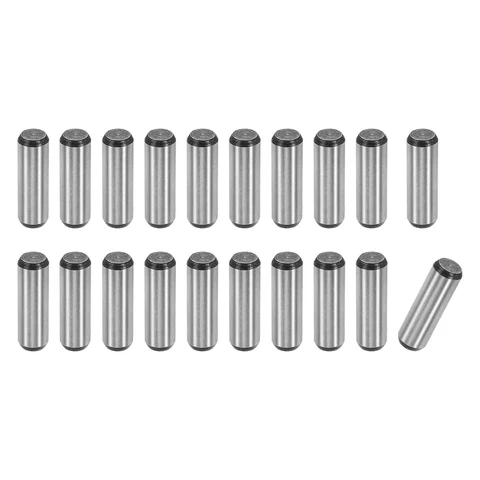
Manufacturers use quenching and tempering processes to harden high-strength alloy steels. They heat the metal above critical temperatures before cooling it rapidly in oil. This rapid cooling locks carbon atoms into a highly durable martensitic structure. Subsequent tempering reduces brittleness while maintaining high yield strength properties. In contrast, stainless steels undergo solution annealing to restore corrosion resistance. The thermal process dissolves precipitates to ensure uniform chromium distribution. Metallurgists monitor these temperature treatments closely to ensure maximum part reliability. Quality testing facilities verify hardness levels using standard Rockwell tester machines. These strict quality protocols ensure excellent performance in demanding field operations.