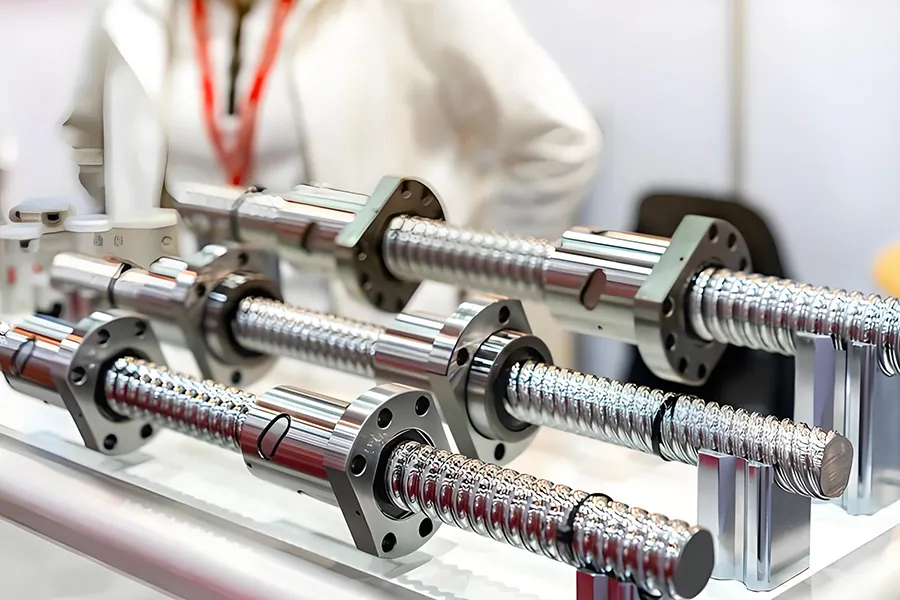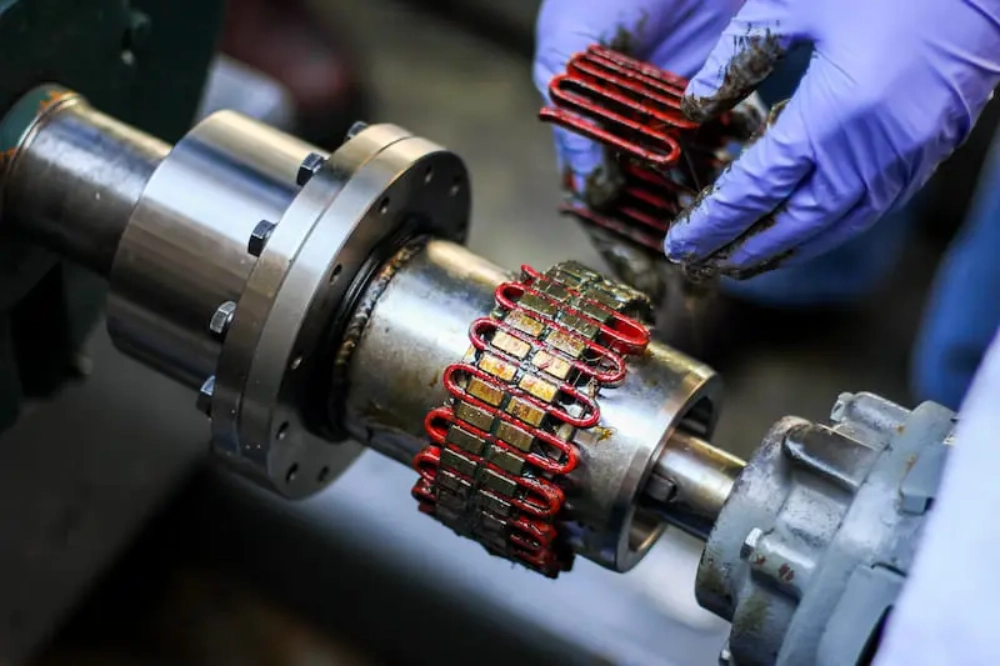
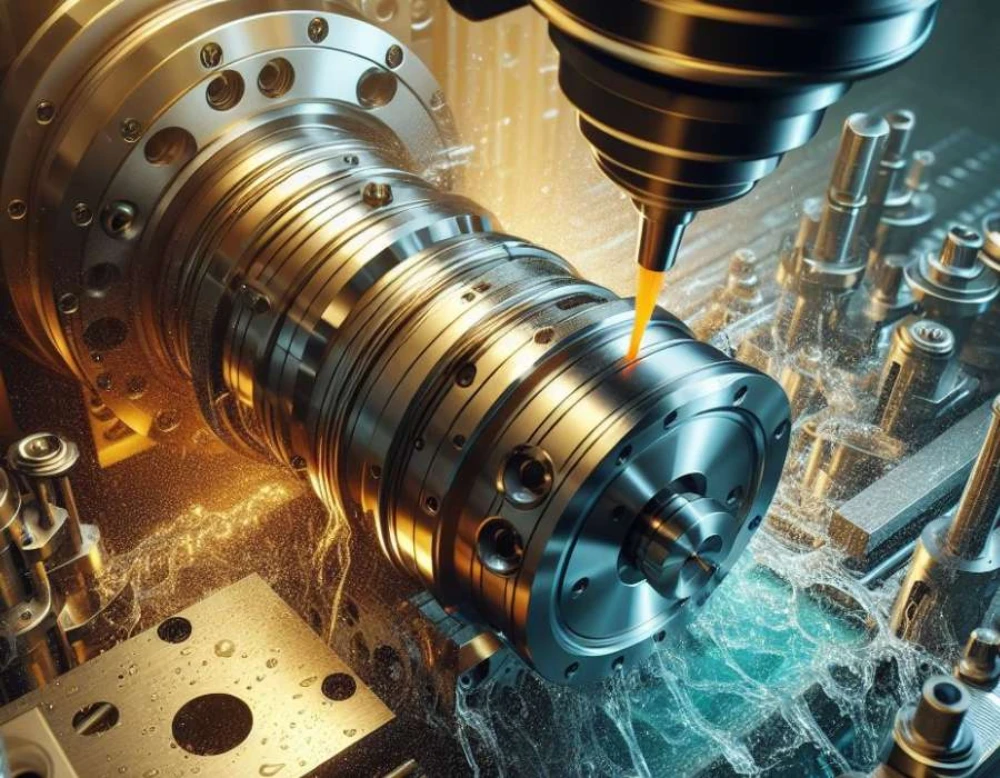
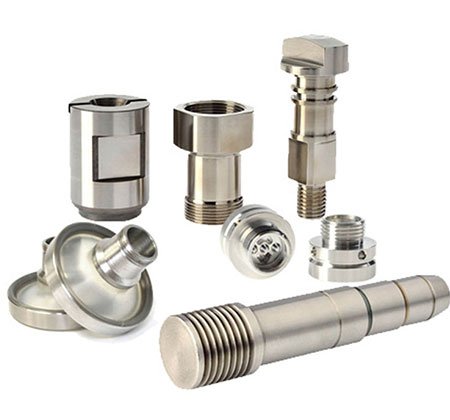
Valve pump components cnc play an important role in modern fluid control systems. Industrial equipment requires precise valve and pump parts to maintain stable operation under demanding conditions. Manufacturers use advanced CNC machining methods to produce components with accurate dimensions and consistent quality. These parts support industries such as energy, chemical processing, water treatment, and automated manufacturing. Pump systems depend on reliable internal structures because small dimensional errors may cause leakage, pressure loss, or reduced efficiency. Professional suppliers combine machining technology, material expertise, and inspection processes to provide components that match specific equipment requirements. These capabilities help companies improve production reliability and reduce maintenance risks.
How Valve Pump Components CNC Improve Pump Performance
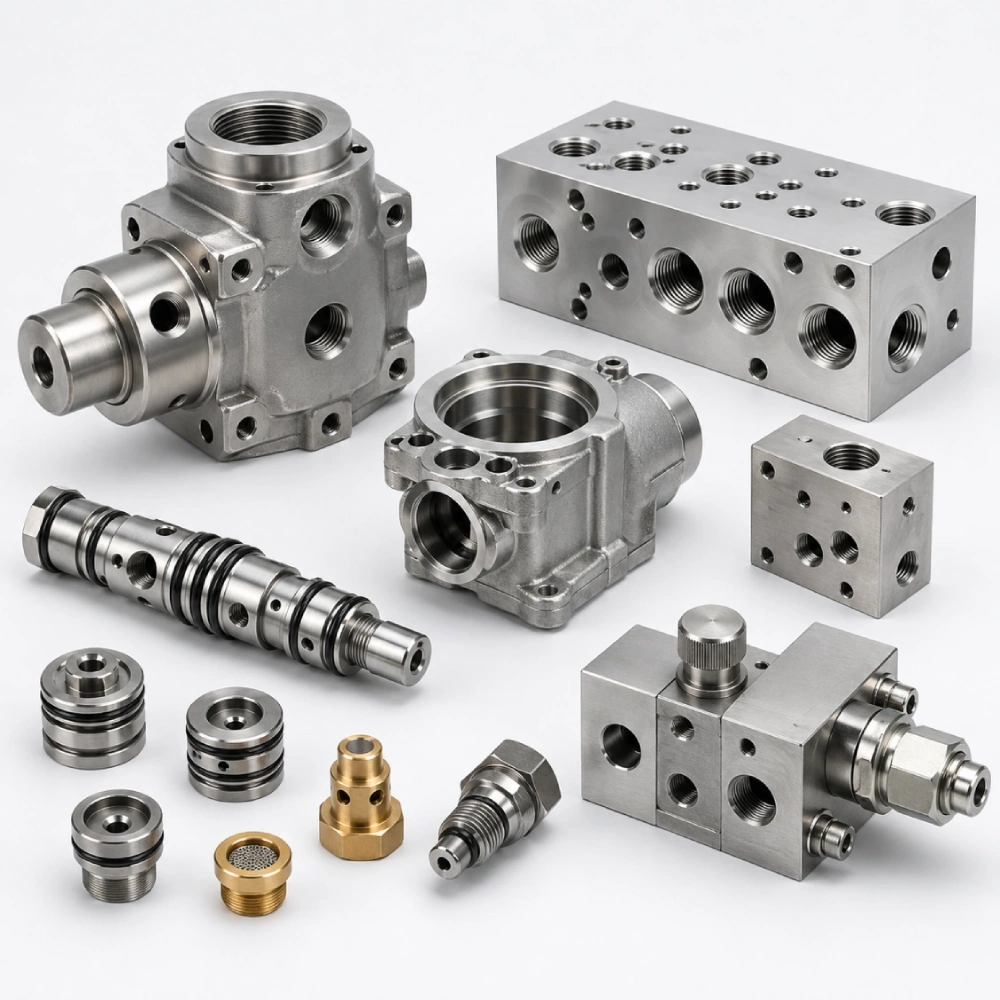
High-performance pump systems rely on precision manufacturing to achieve stable flow control and long service life. Valve pump components cnc improve equipment performance through accurate machining, tight tolerances, and repeatable production results. CNC technology allows manufacturers to create complex geometries that traditional machining methods may struggle to achieve. Precise valve seats, housings, shafts, and connection parts help maintain pressure control during continuous operation. Surface finishing processes also reduce friction between moving parts. This improves energy efficiency and decreases component wear. Industrial buyers often evaluate machining accuracy because reliable parts directly influence equipment safety and operating costs. Advanced production methods create consistent results across different production volumes.
Precision Manufacturing Processes For Valve Pump Parts
CNC machining involves multiple processes that shape raw materials into functional valve and pump components. Manufacturers select different techniques based on part structure, material properties, and tolerance requirements. CNC turning creates cylindrical parts such as shafts and sleeves, while milling produces complex surfaces and connection features. Drilling and threading processes create accurate holes and fastening structures. Surface treatments improve corrosion resistance and mechanical durability. Experienced manufacturers combine automated equipment with skilled technicians to maintain stable production standards. Precision machined components require careful process control because even small variations may affect assembly performance. Quality-focused production methods help industrial customers receive reliable parts for demanding applications.
| Machining Process | Main Function | Typical Valve Pump Applications |
|---|---|---|
| CNC Turning | Creates round and symmetrical structures | Shafts, sleeves, rotating components |
| CNC Milling | Produces complex surfaces and precise features | Valve bodies, mounting parts, covers |
| Drilling And Threading | Creates accurate connection points | Ports, fittings, fastening sections |
| Surface Treatment | Improves durability and corrosion resistance | Industrial environments with harsh conditions |
Material Selection For Durable Valve Pump Components
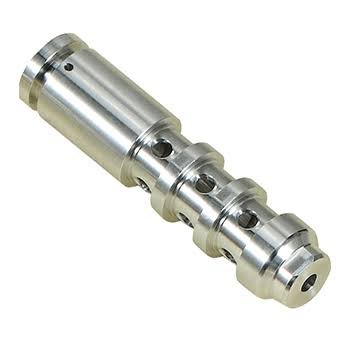
Material selection directly affects component performance, especially in industries involving pressure, chemicals, or extreme temperatures. Stainless steel remains a popular option because it provides corrosion resistance and strong mechanical properties. Aluminum alloys offer lightweight advantages for equipment requiring reduced weight. Brass materials provide good machining performance and suitable resistance for certain fluid systems. Titanium alloys support applications that require high strength and chemical stability. Valve pump components cnc manufacturers usually evaluate operating conditions before recommending materials. Factors such as fluid type, temperature range, pressure level, and maintenance requirements influence final material choices. Proper material selection helps companies achieve longer service intervals and improved equipment reliability.
| Material | Key Advantages | Common Industrial Uses |
|---|---|---|
| Stainless Steel | Corrosion resistance, strength, durability | Chemical equipment, energy systems, water treatment |
| Aluminum Alloy | Lightweight structure, good machinability | Automation equipment, compact pump systems |
| Brass | Excellent machining performance and stability | Fluid control devices and fittings |
| Titanium Alloy | High strength and chemical resistance | Specialized industrial applications |
Key Quality Standards For CNC Machined Pump Components
Reliable production requires strict quality management throughout the entire manufacturing process. Suppliers inspect raw materials before machining to prevent defects from entering production stages. During machining, technicians monitor dimensions, surface conditions, and equipment performance. Final inspections verify whether finished parts meet customer specifications. Precision CNC machined parts require advanced measurement tools because industrial equipment demands accurate assembly performance. Common inspection methods include coordinate measuring machines, surface roughness testing, and tolerance verification. Companies selecting suppliers should review inspection capabilities, certification systems, and manufacturing experience. Strong quality control reduces unexpected failures and supports long-term equipment operation in competitive industrial markets.
Valve Pump Components CNC Support Various Industrial Fields
Industrial sectors depend on reliable fluid systems to maintain continuous operations. Valve pump components cnc are widely used in oil and gas equipment, chemical processing systems, water treatment facilities, medical devices, and manufacturing machinery. Each industry requires specific component characteristics because operating environments vary significantly. Oil and gas applications often require strong pressure resistance and corrosion protection. Chemical equipment needs materials that can handle aggressive fluids. Water treatment systems focus on durability and stable flow management. Medical equipment requires clean surfaces and precise structures. Manufacturing systems depend on consistent performance during automated production. Advanced CNC manufacturing supports these different requirements by providing flexible production solutions for various industrial conditions.
Factors To Consider When Choosing CNC Component Suppliers
Selecting the right supplier requires careful evaluation of technical capability, production management, and service reliability. Industrial buyers should review several important factors before starting cooperation. A capable manufacturer should provide accurate machining results and stable delivery performance. Supplier evaluation helps companies reduce production risks and maintain consistent equipment quality.
Key factors include:
- Advanced CNC equipment with multi-axis machining capabilities.
- Experienced engineering teams for technical communication.
- Strict inspection systems for dimensional accuracy.
- Flexible production capacity for different order volumes.
- Reliable delivery management and production tracking.
- Support for customized designs and engineering improvements.
A professional supplier creates value beyond basic manufacturing. Strong technical support allows customers to optimize designs, improve component performance, and reduce future maintenance challenges. Companies should consider long-term cooperation potential instead of focusing only on initial pricing.
Advanced CNC Solutions For Custom Valve Pump Requirements
Customized manufacturing has become increasingly important for industrial equipment developers. Different pump systems often require unique dimensions, materials, and structural designs. Suppliers with advanced machining capabilities can produce customized parts based on engineering drawings and technical specifications. They can support prototype development, small-batch testing, and large-scale production. Engineering teams analyze design requirements, recommend suitable materials, and optimize machining methods. Valve pump components cnc solutions provide flexibility for companies that need specialized components for changing market demands. Effective cooperation between buyers and manufacturers improves product development efficiency. Professional suppliers also maintain communication throughout production to ensure final components match expected performance standards.
The Role Of Precision Manufacturing In Long-Term Equipment Reliability
Industrial equipment requires components that maintain performance over extended operating periods. Reliable manufacturing methods reduce mechanical failures and improve system stability. CNC machining creates consistent part quality because automated processes minimize production variation. Manufacturers use digital programming, advanced tools, and inspection equipment to maintain accuracy during repeated production cycles. These methods support demanding applications where component failure may interrupt entire operations. High-quality valve and pump parts contribute to safer equipment performance and lower maintenance expenses. Companies investing in dependable manufacturing partners gain better control over supply chains. Consistent production standards also support future equipment upgrades and replacement part availability.
How CNC Technology Supports Modern Industrial Development
Modern industries continue to increase their requirements for precision, efficiency, and customization. CNC technology provides manufacturers with greater flexibility when producing complex industrial components. Computer-controlled machining systems allow engineers to create detailed designs with accurate dimensions. Automated production improves repeatability while reducing manual errors. Advanced software also helps optimize tool paths and shorten manufacturing cycles. Many industries now require components that combine compact structures with high performance. CNC machining supports these demands through efficient production methods and adaptable manufacturing processes. As industrial systems become more advanced, suppliers with strong technical capabilities become essential partners for maintaining reliable equipment performance.
FAQ
What Materials Are Commonly Used For CNC Valve Pump Components?
Industrial manufacturers commonly select stainless steel, aluminum alloys, brass, and titanium alloys for CNC valve pump components. Stainless steel provides excellent corrosion resistance and mechanical strength, making it suitable for chemical and energy applications. Aluminum alloys offer lightweight properties for equipment requiring reduced weight. Brass supports applications that need good machinability and stable fluid control performance. Titanium alloys provide high strength and chemical resistance for specialized environments. Material selection depends on pressure conditions, temperature ranges, fluid characteristics, and expected service life. Professional suppliers evaluate these factors before recommending suitable materials for specific industrial requirements.
Why Do Industries Use CNC Machined Valve Pump Parts?
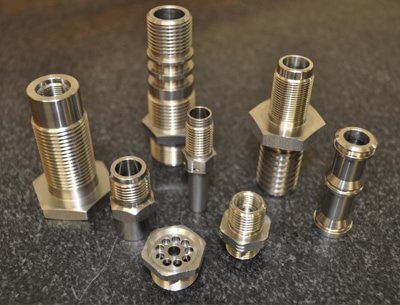
Industries use CNC machined valve pump parts because they require accurate dimensions, stable performance, and consistent production quality. CNC processes create complex structures with precise tolerances that support reliable assembly and operation. These components help reduce leakage risks, improve flow control, and extend equipment service life. Automated machining also provides repeatable results across different production batches. Industrial companies benefit from lower maintenance costs because reliable parts reduce unexpected equipment problems. CNC manufacturing supports various sectors by providing customized solutions for different operating environments. Strong quality management further ensures that finished components meet technical requirements and performance expectations.
How Can Buyers Select Reliable CNC Component Suppliers?
Buyers should evaluate suppliers through several important criteria, including machining capability, inspection systems, engineering support, and production experience. A reliable supplier should provide clear technical communication and demonstrate strong quality management practices. Reviewing manufacturing equipment, testing methods, and previous project experience helps companies assess supplier reliability. Production flexibility is also important because industrial projects may require different quantities and customized designs. Suppliers with professional engineering teams can provide valuable suggestions for improving component performance. Long-term cooperation depends on consistent quality, delivery stability, and effective problem-solving ability. Careful supplier evaluation helps companies build dependable manufacturing partnerships.