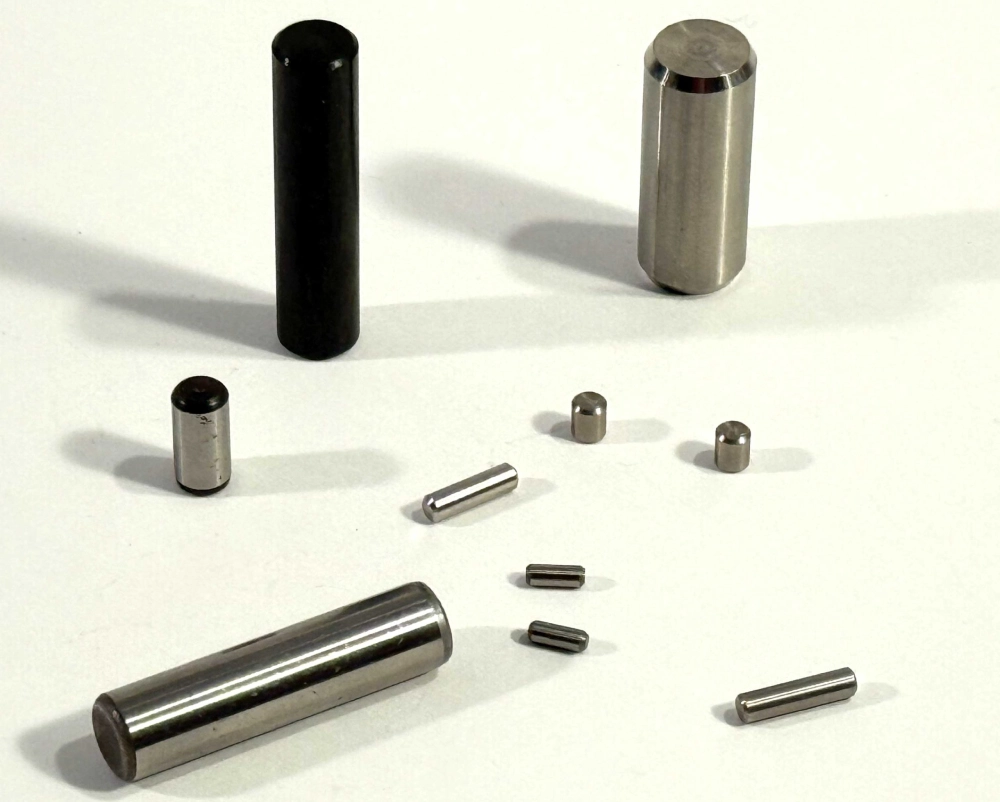
Precise mechanical assembly demands absolute accuracy in manufacturing environments. Machine operators must align heavy steel plates before starting production cycles. Small misalignments often cause catastrophic failures in high-speed rotary equipment. Therefore, engineers utilize hardened dowel pins to secure these critical joints. These metallic components absorb massive lateral forces during high-speed operations. Mechanical systems maintain their functional calibration when these aligners remain fully intact. Factory systems achieve unmatched structural repeatability by utilizing these standard locating parts. Proper installation ensures that joint components resist extreme rotational stress over time. Skilled technicians regularly verify the fit parameters to prevent premature joint loosening. Consequently, modern production lines run smoothly without experiencing unexpected structural shifts. Rigid assembly blocks rely on these precise elements to maintain tight operational tolerances. Every production department requires robust alignment solutions for their daily machining operations.
How Hardened Dowel Pins Prevent Mechanical Shear Failure
Heavy machinery experiences constant directional forces during intensive daily operations. These forces generate high shear stress across mechanical joint interfaces. Unprotected joints will slip when subjected to sudden rotational accelerations. To counteract this movement, engineers install solid ground metal fasteners. Such components act as structural anchors within pre-drilled locating holes. They absorb the primary lateral loads instead of the mounting bolts. Standard bolts typically offer excellent clamping force but lack shear resistance. Therefore, combining threaded fasteners with locating rods creates a superior joint. This combination prevents lateral shifting under extreme mechanical stress. Rigid alignment protects delicate internal gears from costly tooth wear. Furthermore, stable assemblies experience fewer vibrations during high-speed runs. Reduced vibration extends the overall lifespan of industrial drive systems. Ultimately, reliable shear protection minimizes expensive downtime in factory operations.
Material Standards Define the Performance of Industrial Fasteners
Metallurgical selection determines how well these alignment tools perform under stress. Manufacturers usually produce hardened dowel pins from high-grade alloy steel. This material undergoes rigorous heat treatment to achieve maximum structural density. Case hardening creates a tough outer shell while keeping the core ductile. Typically, these parts reach a surface hardness of sixty Rockwell C. Such high hardness levels prevent surface scratching during press-fit installation. In highly corrosive environments, a stainless steel pin offers better rust resistance. However, standard steel variants provide much higher shear load limits. Engineers must balance corrosion needs with the required mechanical strength. Selecting the correct material standard ensures long-term operational durability. High-stress components require premium alloys to avoid sudden metal fatigue. Proper metallurgical choices reduce maintenance costs for industrial factories.
Standard Dimensional Tolerances for Hardened Dowel Pins
Dimensional accuracy remains critical when preparing holes for precision alignment. Engineers specify precise slip fits or interference fits for these metal rods. Standard manufacturing practices utilize specific ISO metric tolerance classes. For instance, an m6 tolerance provides a reliable press fit. This classification ensures the rod remains tightly secured inside the housing block. Alternatively, an h8 tolerance allows for easy manual removal during servicing. Hole preparation requires highly accurate reaming tools to meet these tight limits. Slightly oversized holes will cause unwanted play within the mechanical joint. Conversely, undersized holes can cause the metal host component to crack. Technicians must measure every bore diameter with precise digital micrometers. Consistent inspection guarantees that each connector fits securely within the assembly. Careful tolerance management prevents mechanical failures during heavy factory operations.
Essential Mechanical Applications in Aerospace and Automotive Assemblies
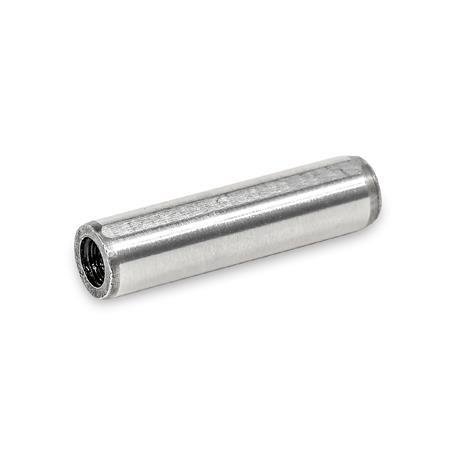
Many high-tech industries rely on robust fasteners to maintain mechanical safety. Automotive manufacturers utilize hardened dowel pins to align engine block cylinder heads. This placement ensures that pistons and valves operate in perfect harmony. Similarly, aerospace builders use these connectors to secure critical fuselage segments. Flight control systems require absolute precision to ensure passenger safety. In tooling shops, a machining lock pin secures fixtures during milling tasks. These specialty devices hold heavy metal blanks firmly against spinning cutters. Any movement during the cutting process would ruin the expensive workpiece. Therefore, factory technicians trust strong locating fasteners for daily production runs. Heavy stamping dies also require these components to guide the upper press. Precise alignment prevents tool damage and maintains high product quality. Every critical assembly benefits from these durable, high-strength alignment components.
Comparative Specifications of High-Strength Engineering Aligners
| Material Grade | Hardness Level (HRC) | Shear Strength (MPa) | Primary Fit Type |
|---|---|---|---|
| Alloy Steel 4140 | 58 - 62 | 650 | Interference Fit |
| Tool Steel D2 | 60 - 64 | 750 | Heavy Press Fit |
| Stainless 316 | 25 - 30 | 350 | Standard Clearance Fit |
Analyzing the Performance Metrics of Heavy-Duty Engineering Pins
The data comparison highlights how raw material composition dictates the load capacity of connectors. Alloy steel 4140 offers an optimal balance of hardness and extreme shear resistance for machinery. This specific grade remains highly popular because of its excellent wear characteristics over years. Consequently, industrial operators select hardened dowel pins made from this material for heavy tooling. Tool steel D2 provides even higher hardness but lacks the same level of ductility. Therefore, engineers reserve D2 elements for high-impact stamping operations where deformation is completely unacceptable. In contrast, stainless steel options lack the extreme strength of hardened carbon steels. However, their superior corrosion resistance makes them essential in wet food processing plants. Selecting the ideal specification guarantees high machine efficiency and eliminates unnecessary component replacements.
Dimensional Limits and Geometric Tolerances for Secure Locating
| Tolerance Symbol | Upper Limit (µm) | Lower Limit (µm) | Application Suitability |
|---|---|---|---|
| m6 | +12 | +4 | Permanent Press Fit |
| h7 | 0 | -15 | Sliding Fit / Alignment |
| g6 | -2 | -11 | Free Movement / Locating |
Interpreting the Geometric Fit Standards of Industrial Connectors
The displayed tolerance values demonstrate how subtle variations affect mechanical fitment within metal blocks. For instance, the m6 classification creates a tight interference fit for heavy assemblies. This specific fitment ensures that hardened dowel pins remain permanently fixed inside their mating bores. Such seating prevents the pin from backing out under severe rotational vibrations. Conversely, the h7 tolerance range offers a highly practical transition fit for maintenance. Technicians easily remove these components during routine mechanical inspection cycles without damaging the host. Finally, the g6 standard provides a sliding clearance fit for dynamic manufacturing machinery. This clearance allows free linear motion while keeping lateral play to a minimum. Engineers select these precise dimensions to optimize the operational life of rotating shafts. Careful selection prevents catastrophic alignment errors during rapid production runs.
Primary Manufacturing Fields Utilizing Precision Locating Components
High-speed marine diesel engines
Automotive transmission gearboxes
Precision plastic injection molds
Aerospace navigational gyroscope housings
Heavy-duty metal stamping dies
Why Precision Machinery Relies on Accurate Locating Elements
Each listed application depends heavily on reliable alignment solutions to ensure daily functional safety. For example, marine engines operate under massive vibrational stress during long ocean voyages. These powerplants require strong locating components to prevent internal parts from shifting out of plane. Similarly, plastic injection molds require exact alignment to produce uniform consumer goods. Even minor microscopic deviations will create defective parts with visible surface flash. Aerospace navigational systems require absolute perfection because human lives depend on accurate data readings. Consequently, manufacturing facilities install precision fasteners to guarantee long-term operational consistency. Robust alignment elements absorb the continuous stress of repetitive high-pressure assembly cycles. By securing these critical interfaces, factories experience fewer unexpected production delays. Furthermore, consistent mechanical stability improves the overall quality of manufactured end products.
FAQ
What is the standard hardness range for these engineering alignment components?
Standard manufacturing specifications require a surface hardness between fifty-eight and sixty-two Rockwell C. This specific range provides excellent wear resistance during heavy press-fit cycles. At this hardness level, the steel resists deformation under severe shear stress. However, the core of the pin remains ductile to prevent brittle snapping. Special heat treatment processes, such as case hardening, achieve this structural balance. Lower hardness values would cause the metal to deform under high cyclic loads. Therefore, purchasing departments specify this precise hardness range to ensure long-term reliability. Machinery components remain perfectly aligned throughout millions of active production cycles. Operators experience fewer mechanical failures when using these certified fasteners.
How do engineers calculate the installation fit for these locating pins?
Engineers determine installation fits by referencing standard ISO metric tables. They determine the ideal dimensional relationship between the pin diameter and the hole size. For permanent alignment applications, an interference fit like m6 ensures zero clearance. This tight fit prevents any lateral movement within the mechanical assembly. Conversely, slip fits allow technicians to remove components easily during maintenance tasks. Thermal expansion formulas also assist calculations for high-temperature machine environments. Incorrect fit calculations can lead to joint failure or cracked host components. Consequently, designers always verify bore tolerances using highly accurate measuring instruments. Properly prepared holes guarantee a secure and stable alignment over time.
Why do manufacturers prefer alloy steel over stainless steel for heavy loads?
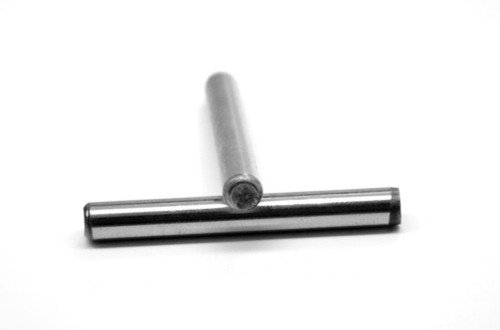
Alloy steel provides significantly higher tensile and shear strength than standard stainless steel. This high structural capacity makes it ideal for managing massive mechanical loads. Heavy machinery components exert extreme lateral forces that would shear softer metals. Specifically, heat-treated carbon alloys resist bending under intense cyclical stress. While stainless steel resists rust, it lacks the necessary hardness for heavy pressing. Therefore, factory engineers select these robust steel components for critical load-bearing joints. They achieve superior structural integrity and prevent unexpected alignment shifts. Consequently, heavy-duty production lines run continuously without experiencing component failures. This material choice secures critical industrial machinery.