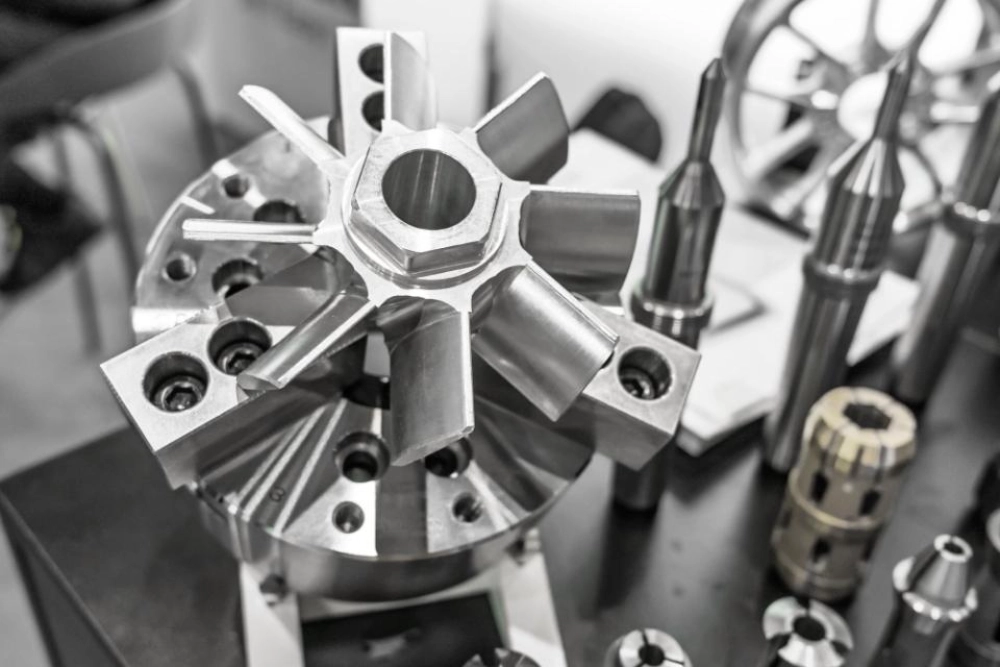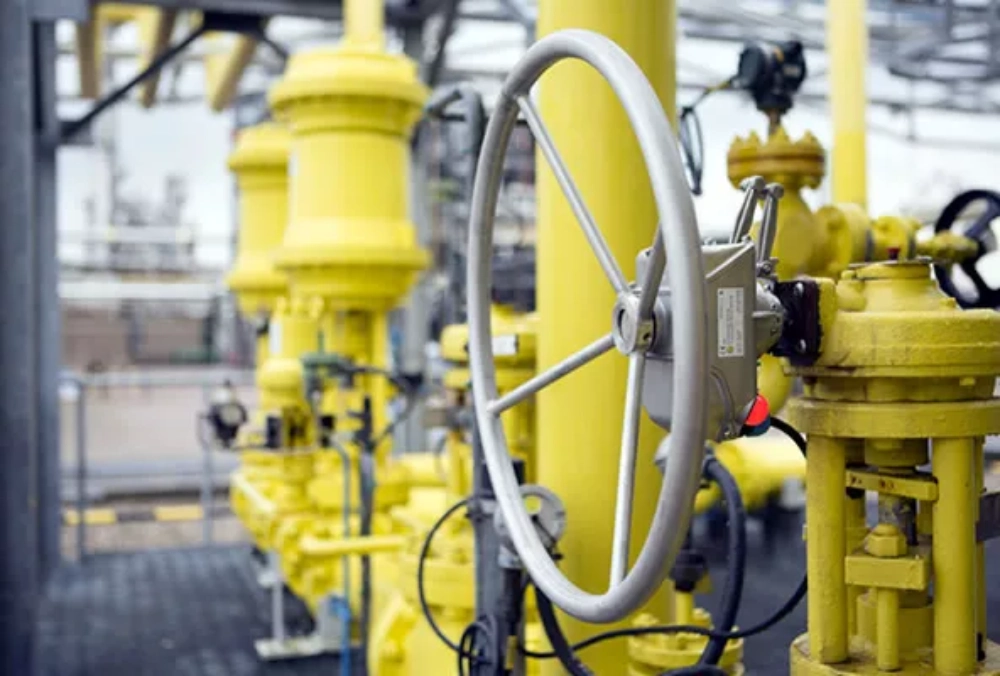
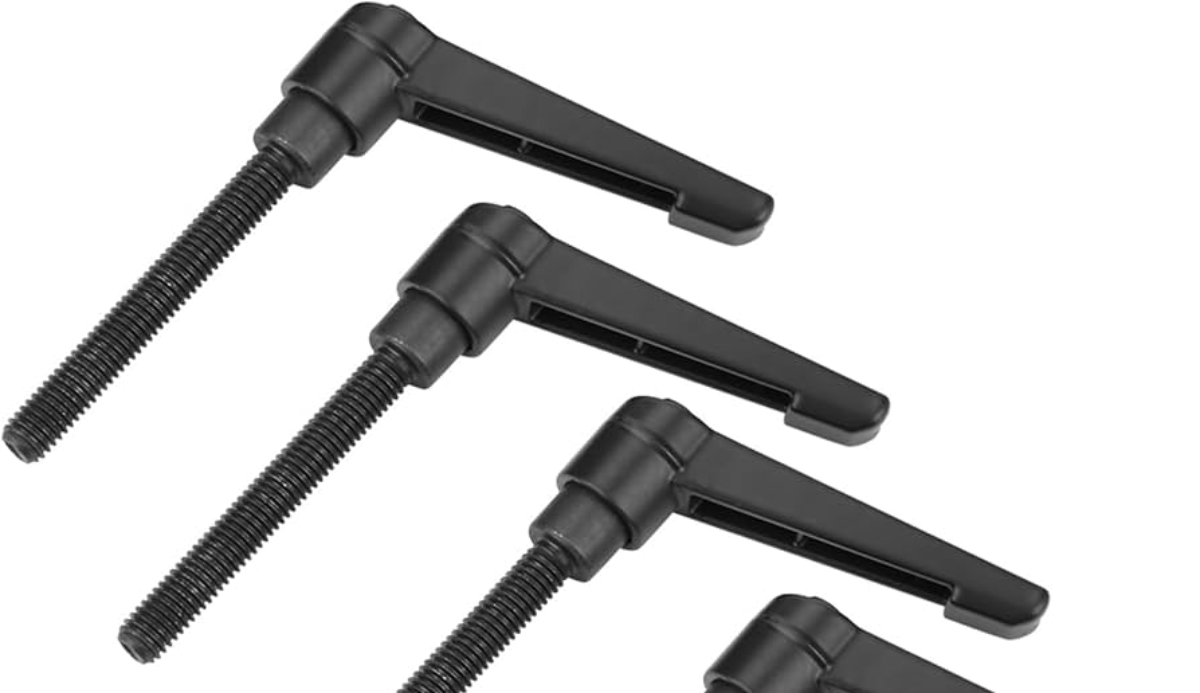
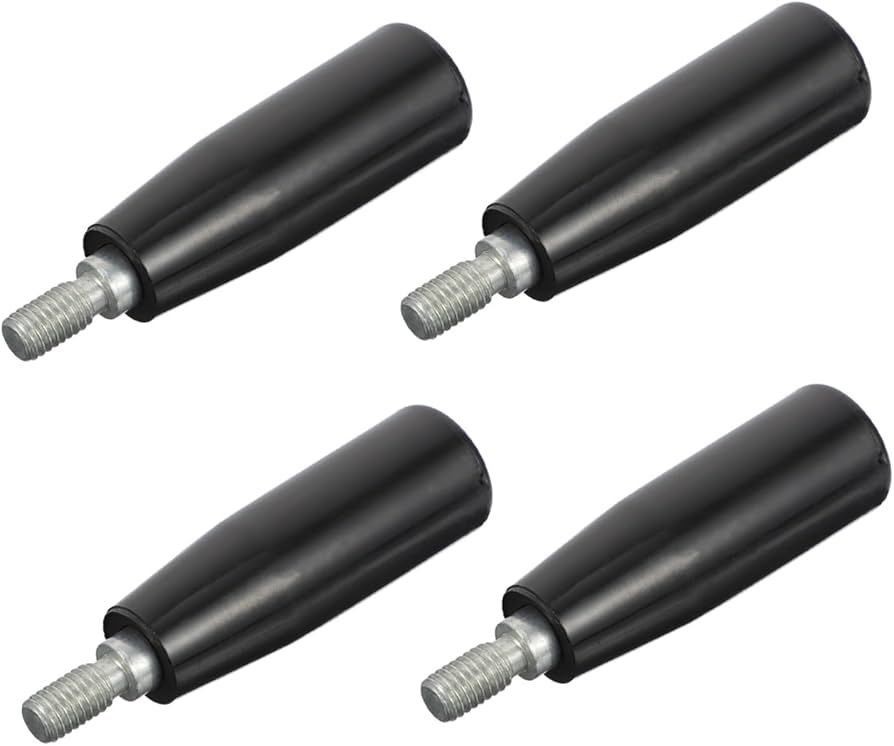
Machine handles serve as direct mechanical interfaces in industrial equipment control systems. They allow operators to apply force, adjust positioning, and manage mechanical resistance efficiently. These components are widely used in manufacturing environments where tactile feedback is essential. Engineers design them to withstand repeated torque and vibration stress. In automated production lines, they still remain critical for manual override operations. Their mechanical simplicity ensures reliability in harsh working conditions. Operators rely on them when electronic controls fail or require backup input. Proper integration improves workflow stability and reduces operational downtime across industrial systems. They also support precision adjustment in heavy-duty machinery assemblies. Material selection and ergonomic shaping enhance long-term usability and safety performance.
Mechanical Control and Safety Functions in Industrial Environments
Machine handles provide essential safety control functions in industrial operations. They enable operators to stop or adjust machinery without delay during abnormal conditions. This direct control reduces dependency on digital interfaces in emergency scenarios. Many industrial systems include manual override mechanisms for compliance requirements. These components help isolate mechanical energy during maintenance procedures. Their predictable response improves operational safety in high-risk environments. Engineers prioritize grip stability under oil, dust, and vibration exposure. Proper positioning reduces operator strain during repetitive adjustments. Safety interlocks often integrate with these mechanical controls for redundancy. Their role is critical in ensuring controlled energy release during system faults.
Structural Design and Material Selection in Industrial Components
Machine handles are engineered using high-strength alloys and engineered polymers. These materials ensure durability under continuous mechanical stress and environmental exposure. Steel variants provide maximum tensile strength for heavy machinery use. Aluminum options reduce weight while maintaining structural integrity. Polymer-based versions resist corrosion in chemical processing environments. Surface textures improve grip performance under wet or oily conditions. Internal mounting systems ensure stable connection to rotating shafts or fixed assemblies. Fatigue resistance is tested under repeated load cycles during manufacturing. Design geometry distributes force evenly across operator contact points. This reduces localized stress and extends service life in demanding industrial applications.
Industrial Machinery Applications and Usage Scenarios
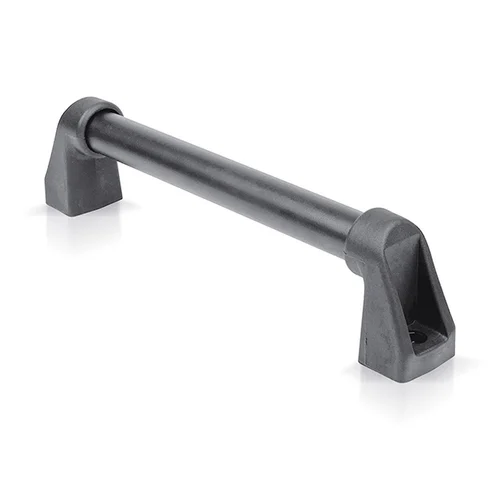
Machine handles are used across milling machines, hydraulic presses, and conveyor systems. They allow operators to perform manual adjustments with precision and control. Packaging equipment uses them for calibration and alignment tasks. Assembly lines integrate them for positioning and mechanical locking functions. Heavy industrial machinery depends on them for controlled force application. Maintenance systems use them for isolation and safety procedures. Their versatility supports both automated and semi-automated environments. In compact systems, folding designs optimize workspace efficiency. One common variation is U-handles, which improve grip stability in tight operational areas. Their ergonomic structure supports continuous use without excessive operator fatigue.
Engineering Standards and Durability Requirements in Production Systems
Machine Handles Must Comply With Strict Industrial Engineering Standards For Safety And Performance. ISO Tolerance Classifications Such As IT6 To IT14 Define Allowable Dimensional Deviation Ranges. These Grades Control Shaft Hole Fits, Clearance Fits, And Transition Fits In Assembly Systems. Surface Hardness Requirements Ensure Resistance To Abrasion, Indentation, And Long Term Wear Stress. Load Testing Evaluates Structural Performance Under Peak Torque And Repeated Mechanical Stress Cycles. Corrosion Resistance Standards Apply To Humid, Salt Spray, And Chemical Industrial Environments. Manufacturers Conduct Fatigue Testing To Simulate Millions Of Operational Load Repetition Cycles. Environmental Testing Includes Thermal Expansion Checks And High Frequency Vibration Exposure Validation. ISO 286 Standards Define Precise Limits For Hole And Shaft Fit Compatibility Across Components. Compliance Ensures Interchangeability Between Machine Parts From Different Production Sources. Certification Processes Verify Structural Integrity Before Industrial Deployment And Operational Use. These Standards Reduce Mechanical Failure Risk And Ensure Stable Long Term Industrial Performance.

Maintenance Strategy and Replacement Cycles in Industrial Operations
Machine handles require regular inspection to maintain safe operation. Operators check for cracks, deformation, and surface wear. Lubrication reduces friction in rotating assemblies and improves efficiency. Loose fittings must be corrected immediately to avoid mechanical failure. Replacement cycles depend on workload intensity and environmental conditions. High-frequency usage shortens operational lifespan significantly. Cleaning prevents debris accumulation that affects grip performance. Preventive maintenance schedules reduce unexpected downtime. Proper documentation tracks usage history and wear patterns. Consistent maintenance ensures operational reliability and extends service life in industrial systems.
Functional Adjustment Systems in Mechanical Equipment
Crank handles are widely used in mechanical systems requiring rotational adjustment. They convert manual force into controlled mechanical movement. These components are common in positioning tables and lifting mechanisms. Operators use them for fine calibration of industrial equipment. Their structure provides mechanical advantage in high-resistance systems. Precision engineering ensures smooth rotational motion under load. They are often selected for equipment requiring incremental adjustment control. Durable construction supports repeated operational cycles without deformation. Their design improves accuracy in manual mechanical positioning tasks.
Data Visualization of Material Performance in Industrial Handles
The following table compares material performance characteristics in industrial applications.
| Material Type | Strength Level | Wear Resistance | Industrial Application |
|---|---|---|---|
| Carbon Steel | Very High | High | Heavy machinery systems |
| Aluminum Alloy | Medium | Medium | Light industrial equipment |
| Engineering Polymer | Medium | Very High | Chemical processing systems |
Material selection directly influences durability and operational stability. Steel offers maximum strength for high-load environments. Aluminum balances weight reduction and mechanical performance. Polymers excel in corrosive and chemically aggressive settings. Engineers select materials based on torque requirements and environmental exposure. Proper selection improves lifecycle efficiency and reduces maintenance frequency.
Design Efficiency and Ergonomic Impact in Industrial Systems
Ergonomic design plays a key role in industrial handle performance. Proper curvature reduces hand strain during continuous operation. Force distribution improves control accuracy under heavy load. Surface finishing enhances grip stability in slippery environments. Structural reinforcement prevents deformation under repeated stress. Engineers optimize geometry for both comfort and mechanical efficiency. These improvements reduce operator fatigue in long production cycles. Design evolution continues to improve industrial usability standards.
Operational Functions and Industrial Use Cases Overview
- Provide direct mechanical control in machinery systems
- Enable emergency manual override functions
- Support precision positioning in manufacturing equipment
- Assist in maintenance isolation procedures
- Improve operator safety during high-load operations
- Enhance ergonomic efficiency in repetitive tasks
These functions highlight the operational importance of mechanical control components. Each function contributes to system stability and workplace safety. Direct control allows immediate response without delay. Manual override ensures continuity during system failure. Precision positioning improves production accuracy. Maintenance isolation supports safe servicing procedures. Ergonomic improvements reduce fatigue during extended operation cycles. Together, these roles strengthen industrial reliability.
Material and Performance Comparison in Industrial Handle Systems
The next table summarizes performance differences across material categories.
| Performance Factor | Metal Handles | Polymer Handles | Composite Designs |
|---|---|---|---|
| Mechanical Strength | Very High | Medium | High |
| Corrosion Resistance | Medium | Very High | High |
| Weight Efficiency | Low | High | Medium |
Metal structures provide maximum durability for heavy-duty systems. Polymer designs excel in corrosive environments and lightweight applications. Composite systems balance strength and weight efficiency. Selection depends on industrial operating conditions. Engineers evaluate stress load and environmental exposure before implementation. Proper matching improves system reliability and reduces operational failure risk.
FAQ
What materials are most commonly used in industrial handle systems?
Industrial handle systems typically use steel, aluminum, and reinforced polymers. Steel provides maximum strength for heavy-duty machinery applications.Aluminum reduces overall system weight while maintaining structural integrity. Reinforced polymers resist corrosion in chemical environments.
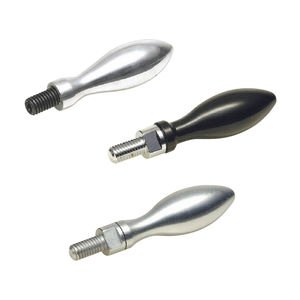
Material selection depends on torque demand and environmental exposure conditions. Engineers also consider fatigue resistance and thermal stability during design. Surface treatment improves grip performance under industrial conditions. Each material supports different operational requirements across manufacturing systems. Proper selection ensures long-term durability and stable mechanical performance in industrial environments.
How do mechanical handles improve safety in industrial environments?
Mechanical handles improve safety by enabling direct manual control over machinery. Operators can immediately adjust or stop equipment during abnormal operation. This reduces reliance on electronic systems in emergency conditions. Mechanical feedback allows users to detect resistance changes instantly. Ergonomic design reduces fatigue and handling errors during operation. Safety systems often integrate manual override functions for redundancy. Isolation procedures rely on mechanical interfaces for secure shutdown. Predictable response improves operational control under high-risk conditions. These factors collectively reduce workplace hazards in industrial systems significantly.
What determines service life of industrial control handles?
Service life depends on usage frequency, load intensity, and environmental conditions. High torque applications increase wear on mechanical components. Corrosive environments reduce structural integrity over time. Maintenance frequency significantly affects durability and performance stability. Proper lubrication reduces friction and mechanical degradation. Installation quality influences long-term structural alignment. Material selection determines resistance to fatigue and stress cycles. Regular inspection helps identify early signs of wear or failure. Replacement scheduling ensures continuous operational safety. These combined factors define overall lifespan in industrial applications.