Industrial systems rely on precise manual controls for safe operation. The term replace machine knob refers to maintaining accuracy and reliability in control interfaces. Operators depend on knobs for adjustments in torque, temperature, and positioning. Mechanical wear gradually reduces performance and responsiveness over time. Frequent use creates friction that degrades surface texture and grip quality. Small failures often lead to larger operational inconsistencies if ignored. Equipment downtime increases when control components fail unexpectedly. Maintenance teams prioritize inspection of high-contact components like knobs. Early replacement prevents calibration drift and operator errors during production. Reliable control hardware supports consistent output quality and safety compliance. Therefore, recognizing degradation patterns helps maintain system stability and efficiency.
Key signs that indicate it is time to replace machine knob
Visible damage often signals the need for immediate replacement. Cracks, chips, or deformation weaken structural integrity under torque loads. Worn surfaces reduce grip, causing inaccurate adjustments during operation. Loose fittings create instability between the knob and shaft connection. Slippage occurs when internal threads or inserts degrade over time. Operators may notice inconsistent resistance when rotating the control. Unusual vibration during use indicates internal wear or imbalance. Material fatigue develops after repeated stress cycles in industrial environments. Ignoring these signs increases the risk of sudden failure. Timely decisions to replace machine knob components ensure continued precision and safety. Regular inspection reduces unexpected breakdowns and protects machinery performance.
How environmental conditions accelerate machine knob failure
Industrial environments expose components to extreme operating conditions. High temperatures accelerate material expansion and structural weakening. Chemical exposure degrades polymers and corrodes metal surfaces over time. Moisture leads to oxidation, especially in untreated metal knobs. Ultraviolet radiation breaks down plastic molecular bonds gradually. Dust and debris accumulate in mechanical interfaces, increasing friction. Oil contamination affects grip and reduces tactile feedback for operators. Corrosive gases in certain industries further damage surface coatings. Replacing components becomes necessary when environmental damage exceeds tolerance levels. Maintenance teams often replace machine knob parts in harsh settings more frequently. Protective coatings and material selection can slow degradation but not eliminate it entirely.
Material selection and durability considerations for machine knobs
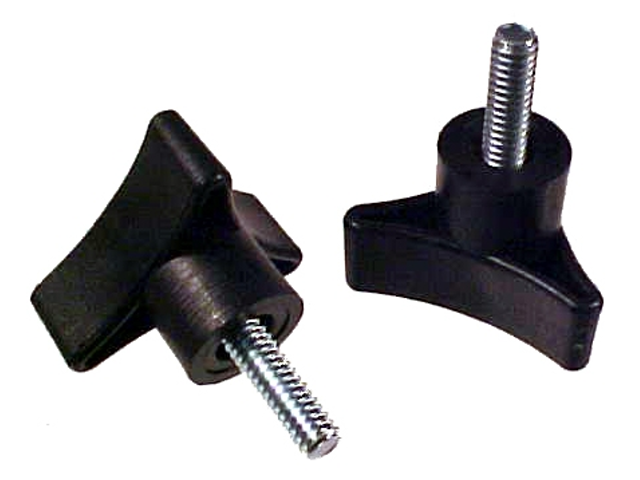
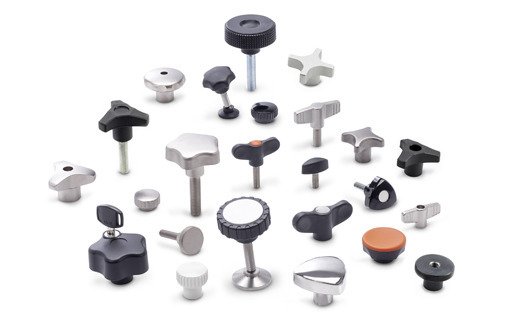
Material choice directly influences durability and performance under stress. Engineering plastics like ABS offer lightweight and corrosion resistance benefits. Phenolic resins provide excellent heat resistance and electrical insulation properties. Metal knobs deliver superior strength and high torque handling capacity. Stainless steel resists corrosion in chemically aggressive environments. Aluminum offers a balance between weight and mechanical strength. Composite materials combine durability with ergonomic design flexibility. Selection depends on operational load, exposure conditions, and safety requirements. For example, wing knobs female thread designs suit applications requiring quick manual adjustments. Proper material selection reduces the frequency to replace machine knob components. Engineering evaluation ensures compatibility with system demands and longevity expectations.
Compatibility and sizing factors before replacing a machine knob
Accurate sizing ensures proper fit and functional stability during operation. Shaft types include round, D-shaped, and splined configurations. Each design requires precise matching to prevent slippage or misalignment. Thread specifications must align with internal inserts for secure fastening. Tolerance accuracy affects rotational smoothness and mechanical engagement. Ergonomic design improves operator comfort and reduces fatigue. Knob diameter influences torque application and control precision. Height and shape affect accessibility in confined control panels. Misalignment can lead to premature wear and operational inefficiency. Therefore, engineers must evaluate compatibility before they replace machine knob units. Proper selection ensures seamless integration and reliable performance.
Maintenance practices to extend machine knob lifespan
Routine maintenance reduces wear and extends component service life. Regular inspection identifies early signs of surface degradation. Cleaning removes contaminants that increase friction and corrosion risk. Mild solvents help maintain material integrity without causing damage. Tightening checks ensure secure attachment to shafts and prevent loosening. Lubrication may be applied to compatible interfaces for smoother operation. Scheduled maintenance intervals improve consistency in performance monitoring. Documentation of wear patterns supports predictive maintenance planning. Replacing worn parts before failure avoids costly downtime. Maintenance teams that delay replacement often face higher repair costs. Proactive strategies reduce the need to frequently replace machine knob components.
Common industrial scenarios requiring knob replacement
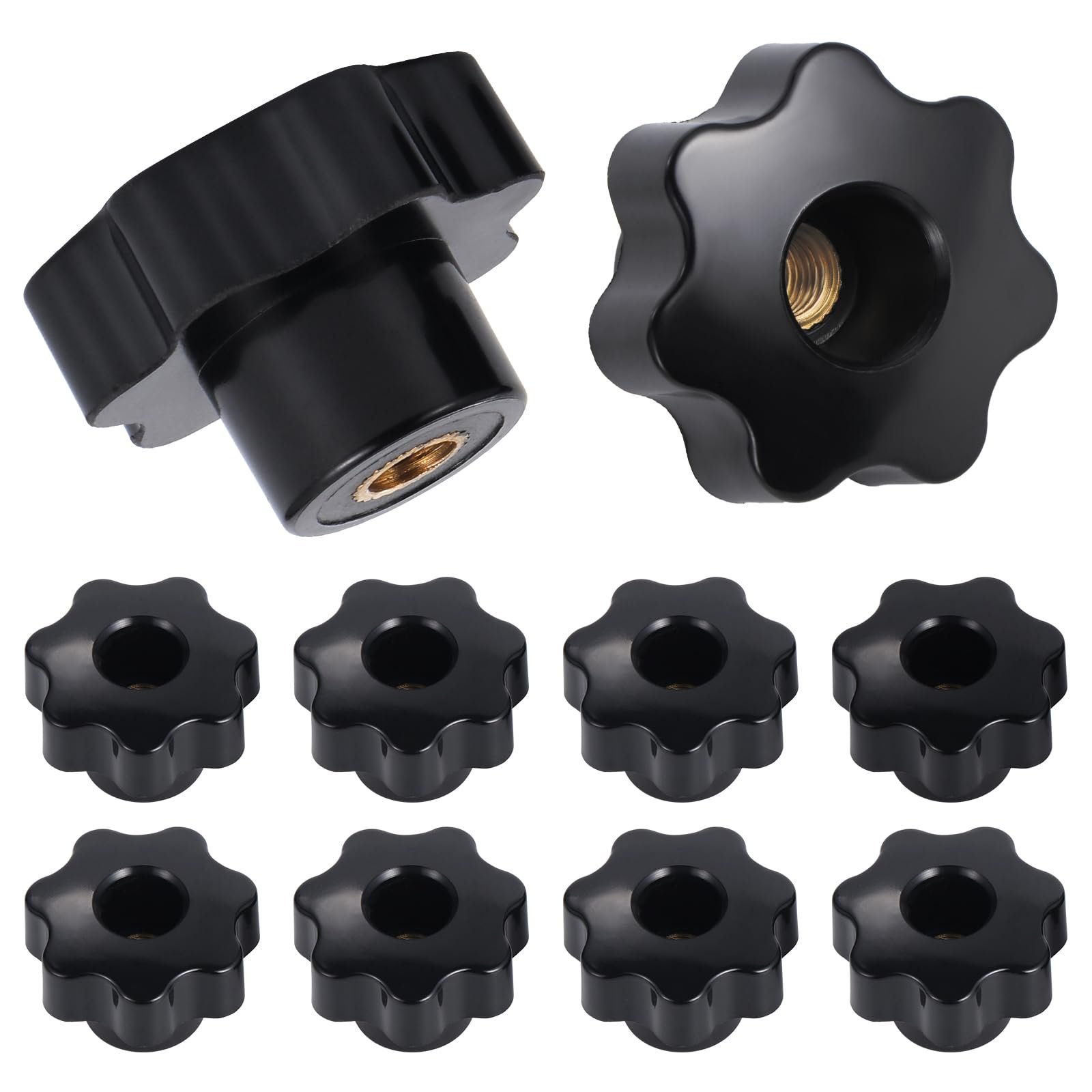
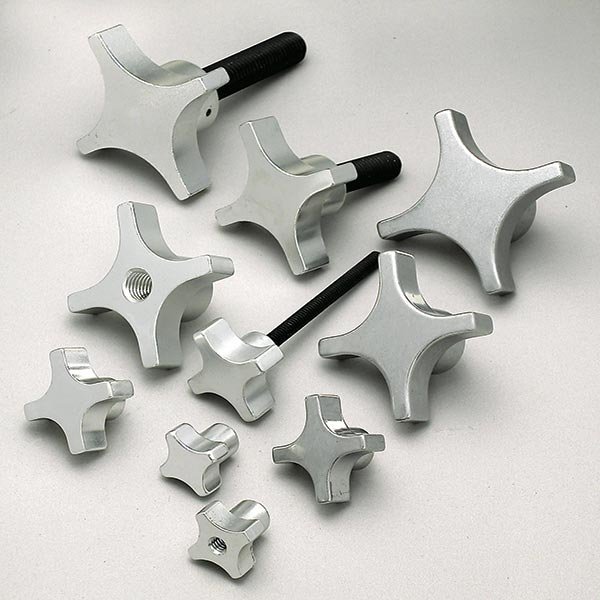
Various industries depend on reliable control knobs for daily operations. CNC machines require precise adjustments for cutting accuracy. Electrical panels use knobs for voltage and temperature regulation. Packaging equipment relies on consistent mechanical positioning controls. Textile machinery requires frequent adjustments for tension and alignment. Exposure to repetitive use accelerates wear in these environments. Operators demand consistent feedback for accurate process control. Faulty knobs compromise productivity and increase error rates. Industries prioritize replacement to maintain operational consistency. Many systems incorporate four lobe clamping star knobs for secure manual tightening applications. These designs enhance grip and torque distribution during operation.
Cost vs performance: deciding when replacement is necessary
Balancing cost and performance influences maintenance decisions in industrial settings. Replacing components too early increases operational expenses unnecessarily. Delayed replacement increases downtime and safety risks significantly. Lifecycle cost analysis helps determine optimal replacement timing. Performance degradation often outweighs the cost of new components. Equipment reliability directly impacts production efficiency and output quality. Safety considerations remain critical when control components show wear. Minor investment in replacement prevents major system failures later. Maintenance teams evaluate risk factors before deciding to replace machine knob parts. Strategic replacement planning ensures cost efficiency and operational continuity.
Comparison of machine knob materials and performance
| Material | Durability | Corrosion Resistance | Heat Resistance | Typical Application |
|---|---|---|---|---|
| ABS Plastic | Moderate | High | Low | Light-duty control panels |
| Phenolic Resin | High | Moderate | High | Electrical equipment |
| Stainless Steel | Very High | Very High | High | Harsh industrial environments |
| Aluminum | High | Moderate | Moderate | General machinery |
Performance factors influencing replacement cycles
| Factor | Impact Level | Effect on Lifespan | Recommended Action |
|---|---|---|---|
| High Temperature | Severe | Shortens lifespan | Use heat-resistant materials |
| Chemical Exposure | High | Causes corrosion | Select resistant coatings |
| Mechanical Stress | Moderate | Leads to fatigue | Increase inspection frequency |
| Frequent Use | High | Accelerates wear | Schedule regular replacement |
Technical interpretation of material and performance data
Material performance data supports informed engineering decisions in industrial environments. Each material offers distinct advantages depending on operational conditions. Stainless steel provides superior durability in corrosive environments with minimal maintenance needs. Phenolic resin performs well in electrical insulation applications requiring thermal stability. ABS plastic suits low-load applications where cost efficiency is important. Aluminum balances weight and strength for general industrial use cases. Environmental factors significantly influence material performance over time.
List: Checklist before you replace a machine knob
- Inspect surface for cracks or wear
- Measure shaft diameter accurately
- Verify thread type and size
- Check compatibility with equipment
- Evaluate environmental exposure conditions
- Confirm ergonomic suitability
- Ensure proper torque handling capacity
Detailed explanation of replacement checklist procedures
A structured checklist ensures accurate and efficient replacement processes. Inspection identifies visible defects that affect performance and safety. Measurement guarantees compatibility between the knob and shaft interface. Thread verification prevents installation errors and mechanical instability. Environmental evaluation ensures the selected material withstands operating conditions. Ergonomic assessment improves usability and operator comfort during adjustments. Torque capacity validation ensures the knob handles operational stress effectively. Following these steps reduces installation errors and extends component lifespan. Maintenance teams rely on standardized procedures to maintain consistency. Careful execution minimizes the need for repeated replacement interventions.
Technical standards and quality benchmarks for machine knobs
International standards define quality requirements for industrial components. Specifications from the International Organization for Standardization such as ISO 2768 ensure dimensional accuracy and general tolerance consistency. Standards issued by the International Electrotechnical Commission like IEC 60529 address enclosure protection and electrical insulation safety in control systems. Torque resistance testing follows ISO 898 to validate mechanical strength under operational loads. Manufacturing tolerances align with ISO 286 to determine fit precision and performance reliability. Quality control processes include stress testing and environmental simulation under IEC 60068 conditions. Certification confirms compliance with industrial safety requirements such as CE marking directives. Engineers use these benchmarks to evaluate component suitability. Standardized testing ensures consistent performance across different applications. Compliance reduces operational risks and enhances long-term reliability.
Conclusion: Optimizing equipment reliability through timely knob replacement
Reliable control components support efficient and safe industrial operations. Timely replacement prevents performance degradation and unexpected failures. Maintenance strategies must balance cost, safety, and operational efficiency. Data-driven decisions improve equipment lifespan and reduce downtime risks. Proper material selection enhances durability under demanding conditions. Regular inspection ensures early detection of wear and damage. Standardized procedures improve consistency in maintenance practices. Engineers prioritize critical components to maintain system stability. Effective planning minimizes disruptions and improves productivity. Strategic efforts to replace machine knob components ensure long-term operational success.
FAQ
What causes a machine knob to fail prematurely?
Premature failure often results from environmental and mechanical factors. High temperatures weaken materials and accelerate structural degradation. Chemical exposure damages surfaces and reduces strength over time. Frequent use increases friction, leading to faster wear and fatigue. Poor material selection fails to withstand operational stress conditions. Improper installation may cause misalignment and uneven load distribution. Lack of maintenance allows contaminants to accumulate and damage components. Insufficient tightening leads to instability during operation. Each factor contributes to reduced lifespan and performance issues. Addressing these causes early helps improve durability and reliability in industrial applications.
How do I choose the right replacement knob for my equipment?
Selection requires careful evaluation of technical specifications and usage conditions. Start by identifying shaft type and exact dimensional requirements. Verify thread compatibility to ensure secure installation. Consider environmental exposure such as heat, moisture, or chemicals. Choose materials that match operational demands and durability expectations. Evaluate ergonomic design for ease of use and operator comfort. Assess torque requirements to ensure the knob handles applied force. Review industry standards for compliance and safety requirements. Consulting technical datasheets supports accurate decision making. Proper selection ensures long-term performance and reduces maintenance frequency.
Can improper knob replacement affect machine safety or accuracy?
Improper replacement can significantly impact both safety and operational precision. Incorrect sizing may cause slippage or unstable control during adjustments. Misaligned installation leads to uneven stress distribution and faster wear. Using incompatible materials increases the risk of failure under load. Poor ergonomic design reduces operator control and increases error probability. Loose fittings create vibration and inconsistent performance during operation. Safety risks increase when control components fail unexpectedly. Precision systems depend on accurate adjustments for consistent output quality. Proper installation and correct component selection ensure reliable performance. Careful replacement procedures protect both equipment and operator safety.