Material Selection and stainless steel handwheel Performance Factors
Industrial equipment requires manual control components that maintain stable operation under different working conditions. A stainless steel handwheel is widely used in valves, machine tools, and mechanical systems because it combines strength, corrosion resistance, and long service life. Its performance depends on several technical factors, including material composition, structural design, manufacturing accuracy, and environmental exposure. Stainless steel contains chromium that creates a protective oxide layer on the surface. This layer helps prevent corrosion and maintains appearance during long term operation. However, different applications require different material grades and structural solutions. Proper evaluation of these factors helps achieve reliable mechanical control and consistent operating performance.
Stainless Steel Grades and Corrosion Resistance Performance
Material composition has a direct influence on durability and environmental resistance. Stainless steel grades such as 304 and 316 provide different levels of corrosion protection because their chemical elements vary. Grade 304 contains chromium and nickel, which provide balanced strength and oxidation resistance for general applications. Grade 316 includes molybdenum, improving resistance against chloride exposure and chemical environments. Surface conditions also affect corrosion behavior because scratches, contamination, and poor finishing may reduce protection performance. Engineers usually evaluate temperature, humidity, chemical contact, and cleaning methods before selecting materials. The correct stainless steel grade improves service life and reduces performance changes caused by environmental stress.
| Stainless Steel Grade | Main Chemical Advantage | Suitable Environment |
|---|---|---|
| 304 Stainless Steel | Chromium and nickel provide balanced corrosion resistance | General industrial equipment and indoor applications |
| 316 Stainless Steel | Molybdenum improves chloride and chemical resistance | Marine, chemical, and humid environments |
| Special Stainless Alloys | Enhanced mechanical and environmental performance | Extreme industrial conditions |
Mechanical Design Features That Influence Operation
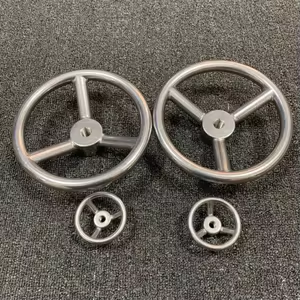
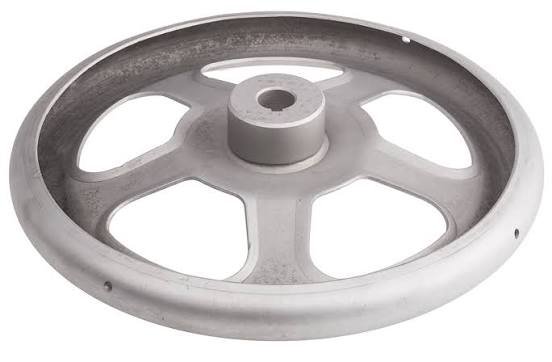
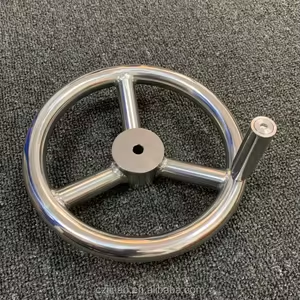
Structural design determines how efficiently manual force transfers into mechanical movement. Wheel diameter affects operating torque because larger diameters provide greater leverage with less physical effort. The thickness of the wheel body influences rigidity and resistance against deformation. The hub connection requires accurate dimensions to prevent looseness during repeated rotation. Many applications use stainless steel spoked handwheels because the spoke structure balances strength, weight reduction, and comfortable handling. The number of spokes, spacing design, and surface shape all influence user interaction. A suitable design improves control accuracy while reducing stress on connected mechanical parts. Engineering teams usually consider operating frequency and load requirements when developing suitable configurations.
How stainless steel handwheel Manufacturing Accuracy Affects Performance
Manufacturing precision plays an important role in mechanical reliability. Production processes such as cutting, forming, machining, and polishing directly influence final dimensions and surface quality. Small errors in mounting holes or connection areas may create unstable installation or uneven rotation. Precision machining controls important parameters such as hole diameter, center alignment, and surface smoothness. Surface roughness also affects corrosion resistance because smoother finishes reduce areas where contaminants can accumulate. Quality inspection normally includes dimensional measurement, visual examination, and material verification. These procedures help maintain consistent performance across different production batches. Accurate manufacturing allows components to operate smoothly while reducing unnecessary wear during long term usage.
Production Processes and Quality Control Factors
Manufacturing processes determine the final characteristics of mechanical components. During production, each stage affects strength, appearance, and functional stability. Material cutting must maintain accurate dimensions to support later machining processes. Forming operations influence structural strength by controlling shape consistency. Machining procedures create precise mounting areas and connection surfaces. Polishing improves surface appearance while reducing rough areas that may collect contaminants. Testing procedures usually include dimensional inspection, surface evaluation, and mechanical checks. These processes help maintain stable performance in different operating environments. A well controlled manufacturing system ensures that every component meets expected requirements for strength, durability, and operational reliability.
| Manufacturing Stage | Main Purpose | Performance Influence |
|---|---|---|
| Material Inspection | Verify stainless steel composition and quality | Ensures corrosion resistance and mechanical strength |
| Precision Machining | Create accurate holes and connection structures | Improves installation stability and rotation performance |
| Surface Finishing | Improve smoothness and appearance | Supports durability and contamination resistance |
| Final Testing | Check dimensions and functional conditions | Reduces performance variation |
Environmental Conditions That Influence Service Life
Operating environments create different challenges for mechanical components. Indoor applications usually face lower corrosion risks, while outdoor equipment experiences moisture, temperature changes, and airborne contaminants. Chemical facilities require stronger resistance against acids, salts, or cleaning agents. Marine environments often contain chloride elements that accelerate corrosion on unsuitable materials. Temperature variation can also influence expansion, contraction, and mechanical stability. Regular exposure to harsh conditions may affect surface quality and connection performance over time. Selecting proper materials and designs according to environmental factors helps maintain reliable operation. Environmental evaluation remains an important step when applying stainless steel components in industrial systems.
Important Factors for Evaluating Industrial Handwheel Performance
Performance evaluation requires attention to multiple technical aspects rather than a single specification. Material properties, structural design, and manufacturing quality work together to determine actual operating results. The following factors commonly influence overall performance:
- Stainless steel grade and chemical composition
- Wheel diameter and structural strength
- Connection accuracy and mounting stability
- Surface finishing quality
- Operating environment and maintenance conditions
These factors provide a comprehensive view of component capability. A balanced evaluation helps match component characteristics with equipment requirements. Different applications may prioritize corrosion resistance, mechanical strength, or ergonomic operation depending on working conditions.
Maintenance Methods for Improving Durability
Regular maintenance helps preserve mechanical function and surface condition of a stainless steel handwheel during continuous operation. Cleaning removes dust, oil residue, and industrial contaminants that may affect appearance or movement. Stainless steel surfaces usually require suitable cleaning solutions to avoid damage from aggressive chemicals. Inspection of mounting areas can identify loose connections or unusual movement at an early stage. Lubrication may improve rotation performance when mechanical joints require additional support. Maintenance frequency depends on operating environment, usage intensity, and exposure conditions. Proper maintenance procedures reduce unnecessary wear and help maintain stable operation. A structured inspection routine also provides valuable information about component condition and replacement timing.
Technical Considerations for Long Term Performance
Long term performance depends on the interaction between materials, design, manufacturing, and operating conditions. High quality stainless steel provides corrosion resistance, but structural accuracy and surface treatment remain equally important for a stainless steel handwheel. A component with excellent material properties may still experience problems if connection dimensions are inaccurate. Similarly, precise machining cannot compensate for unsuitable materials in aggressive environments. Engineers usually analyze the complete application system before determining suitable specifications. This approach considers mechanical forces, environmental exposure, and maintenance conditions together. Comprehensive technical evaluation helps improve reliability and supports stable equipment operation over extended periods.
Applications and Customized Structural Requirements
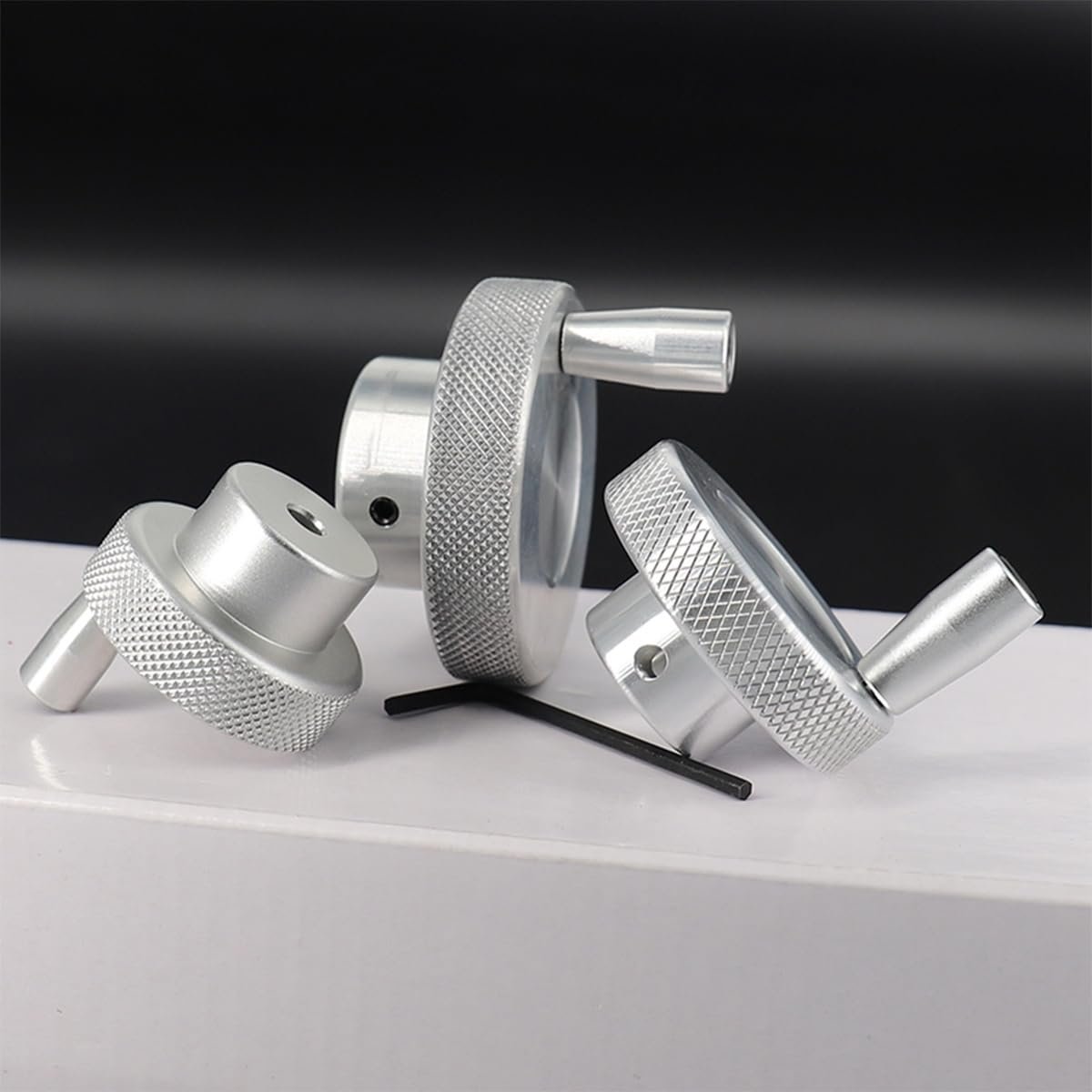
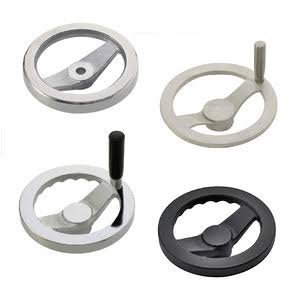
Different machines require different configurations based on operating methods and mechanical loads. Machine tools, valves, and control systems may use different connection structures, diameters, and grip designs. A Lathe machine handwheel with handle is designed for machine tool operation where precise manual adjustment is important. Such components require accurate machining because small dimensional differences may affect positioning control. Handle design also influences operator comfort during repeated adjustment tasks. Engineers consider factors such as load direction, rotation frequency, and installation space when developing suitable structures. Customized designs allow components to match specific equipment requirements while maintaining mechanical stability.
Technical Evaluation Methods for Stable Operation
Mechanical component performance depends on the relationship between design parameters and actual working conditions. Engineers normally evaluate torque requirements, connection strength, material properties, and environmental exposure before selecting suitable specifications. A larger wheel diameter may reduce operating force, while a stronger structure may improve resistance against repeated loads. Surface treatment methods also influence durability by protecting the metal surface from oxidation and contamination. Testing procedures can include dimensional verification, corrosion resistance checks, and functional rotation assessments. These evaluations provide detailed performance information and help maintain stable operation in different industrial applications. A complete technical review supports better matching between components and equipment systems.
FAQ
What stainless steel grade is suitable for industrial handwheel applications?
The suitable stainless steel grade depends on environmental conditions and mechanical requirements. Grade 304 provides balanced corrosion resistance and strength for general industrial applications. Grade 316 offers improved protection in environments with salt, chemicals, or high humidity because molybdenum increases resistance against chloride corrosion. Other specialized alloys may be selected for extreme temperature or chemical conditions. Material selection should consider exposure factors, cleaning methods, and operating frequency. The correct grade improves durability and helps maintain stable mechanical performance throughout the service period.
How does manufacturing accuracy affect handwheel operation?
Manufacturing accuracy affects installation quality, movement stability, and service life. Precise machining ensures that connection holes, mounting surfaces, and rotating structures maintain correct dimensions. Small production errors may create uneven movement, vibration, or additional wear during operation. Surface finishing accuracy also influences corrosion resistance because smoother surfaces reduce contamination accumulation. Production inspection methods such as dimensional measurement and material testing help maintain consistent results. Accurate manufacturing improves operating efficiency and reduces problems caused by poor fitting or unstable mechanical connections.
What maintenance methods can improve handwheel durability?
Maintenance improves durability by protecting surfaces and preventing mechanical problems. Regular cleaning removes contaminants that may affect stainless steel appearance and corrosion resistance. Operators should inspect connection areas for looseness, deformation, or abnormal movement. Suitable lubrication can support smoother operation when rotating parts require additional protection. Maintenance plans should match environmental conditions, operating frequency, and equipment requirements. Consistent inspection helps identify potential issues before they influence system performance. Proper care extends service life and supports reliable operation in different industrial applications.