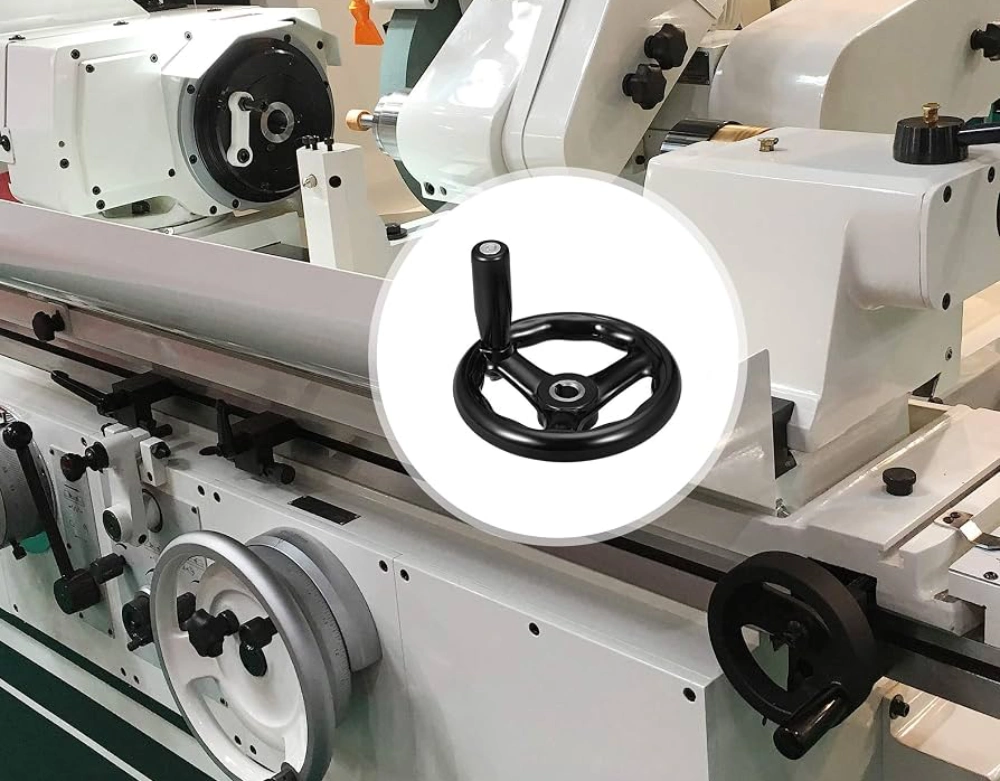
Modern industrial equipment continues to demand reliable manual adjustment solutions for stable operation. Mechanical control components support machine setup, parameter adjustment, and equipment maintenance processes. In many production environments, operators require products that provide comfortable handling and consistent movement. A suitable handwheel 100mm solution should match equipment structure, operating conditions, and application requirements. Industrial buyers usually consider product stability, supplier capability, and manufacturing quality before making purchasing decisions. Different industries create different expectations for strength, durability, and environmental resistance. Selecting suitable components helps improve equipment management efficiency and reduces unnecessary maintenance costs. Professional suppliers focus on material quality, production accuracy, and customization ability to support various industrial applications. These factors create a foundation for reliable long-term equipment operation.
Material Selection Determines Durability And Operating Stability
Material selection directly influences mechanical strength, environmental resistance, and service performance. Industrial buyers should evaluate material characteristics before selecting suitable products for specific applications. Different materials provide different advantages in terms of hardness, weight, temperature resistance, and corrosion protection. Nylon materials offer lightweight performance with strong resistance against abrasion and chemical exposure. Phenolic resin provides excellent rigidity and thermal stability for demanding working conditions. Metal materials usually deliver higher structural strength and better impact resistance. Suppliers should provide detailed material specifications and quality information to support purchasing decisions. Proper material selection reduces replacement frequency and improves equipment reliability. Buyers should compare operating environments, mechanical loads, and maintenance requirements before confirming final specifications. A suitable material choice creates better performance during continuous industrial use.
| Material Type | Main Features | Industrial Applications |
|---|---|---|
| Nylon | Lightweight, wear resistant, chemical resistant | Automation equipment and control systems |
| Phenolic Resin | High temperature resistance and rigid structure | Heavy machinery applications |
| Aluminum Alloy | Strong structure with reduced weight | Machine tools and industrial equipment |
| Stainless Steel | High strength and corrosion resistance | Harsh industrial environments |
Engineering Materials Create Different Performance Advantages
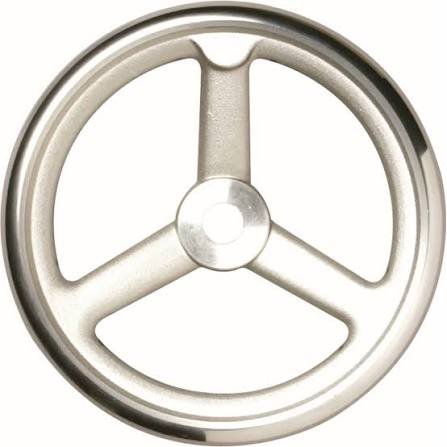
Engineering materials create different performance benefits according to industrial requirements. Nylon-based products support frequent operation because they maintain stable dimensions during repeated use. Phenolic components perform well under higher temperatures and mechanical pressure. Aluminum alloy designs provide a balance between strength and portability. Aluminum solid Handwheels are suitable for equipment requiring rigid construction and smooth manual operation. Stainless steel materials support applications where moisture resistance and structural durability are important. Buyers should evaluate working conditions before selecting suitable materials. Environmental factors such as chemicals, humidity, temperature changes, and operating force can influence product lifespan. Professional suppliers with various material options can provide better solutions for specialized projects. Correct material selection improves equipment efficiency and reduces unexpected replacement requirements.
Manufacturing Precision Controls Product Reliability And Service Performance
Manufacturing accuracy affects installation compatibility, rotation smoothness, and long-term operating stability. Precision production controls important dimensions, including mounting holes, shaft connections, and structural thickness. Small dimensional differences may create uneven force distribution or vibration during operation. Plastic production requires accurate mold design and temperature management to maintain consistent quality. Metal manufacturing requires advanced machining processes to achieve precise tolerances and smooth surfaces. Professional manufacturers usually perform inspections throughout different production stages. These inspections include dimensional testing, material verification, and surface evaluation. Reliable manufacturing processes help maintain stable quality during large-volume orders. Buyers should review factory equipment, technical capability, and inspection systems before cooperation. Strong production control supports dependable performance in demanding industrial environments.
| Manufacturing Process | Production Advantage | Quality Influence |
|---|---|---|
| Injection Molding | High efficiency and consistent output | Improves production stability |
| CNC Machining | High dimensional accuracy | Supports precise installation |
| Surface Treatment | Enhances protection and appearance | Improves environmental resistance |
Production Technology Influences Industrial Component Consistency
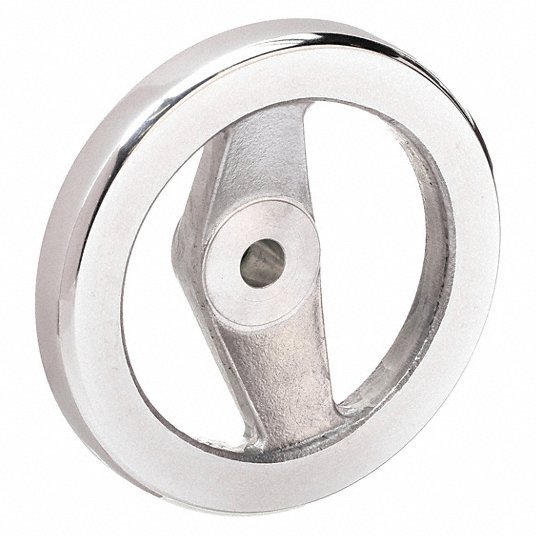
Advanced production technology affects product consistency, customization capability, and delivery reliability. Modern factories combine automated equipment with skilled technicians to maintain stable manufacturing standards. Mold accuracy influences plastic component dimensions and surface quality. CNC programming affects machining precision and structural performance. Inspection systems help identify production issues before delivery. A supplier with strong technical capability can handle customized requirements more effectively. Production management also affects order accuracy and delivery schedules. Industrial buyers should evaluate equipment conditions, production workflow, and quality systems before selecting suppliers. Consistent manufacturing methods reduce operational risks and improve purchasing confidence. Professional production management creates reliable components that support handwheel 100mm performance throughout extended industrial service periods. These production advantages help maintain stable quality during large-volume procurement and demanding applications.
Structural Design Features Improve Operating Efficiency
Structural design influences force transmission, handling comfort, and mechanical stability during operation. Engineers consider rim diameter, spoke structure, hub construction, and connection methods when developing industrial components. A balanced structure allows operators to apply force more effectively during manual adjustment. The rim thickness affects grip comfort and operational control. The hub design determines installation stability and connection reliability. Spoke structures help distribute mechanical stress and improve overall strength. Proper engineering prevents stress concentration during repeated movement cycles. Buyers should evaluate design features according to equipment requirements and operating frequency. A well-designed product can reduce operator fatigue and improve adjustment efficiency. Manufacturers with engineering experience can provide customized solutions based on specific machine structures and working conditions.
Surface Treatment Methods Improve Environmental Protection
Surface treatment methods protect handwheel 100mm components from corrosion, oxidation, and external damage. Industrial environments often expose mechanical parts to moisture, dust, chemicals, and temperature changes. Anodizing improves aluminum surface hardness and corrosion resistance. Powder coating creates a protective layer against external contaminants. Polishing reduces surface roughness and improves appearance quality. Plating technologies can enhance durability for specific metal applications. Stainless steel materials naturally provide corrosion resistance but still require proper finishing in specialized conditions. Buyers should evaluate coating quality, treatment standards, and supplier testing records before purchasing. Appropriate surface protection helps maintain functional performance and visual quality throughout extended service periods. These methods reduce maintenance requirements and support stable operation in challenging industrial environments.
Quality Inspection Standards Ensure Stable Industrial Performance
Quality inspection procedures determine whether products can maintain consistent performance during long-term industrial use. Professional suppliers usually establish inspection systems covering raw materials, production processes, and finished products. Material verification confirms whether selected materials meet required specifications. Dimensional testing checks critical measurements, including diameter accuracy, mounting compatibility, and structural balance. Load testing evaluates whether products can withstand repeated operating forces. Surface inspection identifies defects that may influence durability and appearance. Industrial buyers should review supplier inspection methods before placing bulk orders. A complete quality management system reduces production risks and improves order reliability. Consistent inspection standards create stronger confidence for equipment manufacturers and distributors requiring stable component performance.
Supplier Capability And Purchasing Factors Influence Product Value
Supplier capability directly affects product consistency, customization support, and delivery performance. Experienced manufacturers usually have strong knowledge of different industrial requirements and provide suitable solutions for various applications. Production management influences order accuracy and manufacturing efficiency. Technical teams help customers select proper structures, materials, and specifications. Buyers should evaluate several factors before purchasing:
- Material specifications and quality certificates
- Manufacturing equipment and technical experience
- Dimensional accuracy and customization capability
- Production capacity and delivery reliability
- Quality inspection procedures and technical support
These factors provide a practical evaluation method for industrial buyers. Selecting suitable suppliers requires consideration of both product performance and manufacturing reliability.
Maintenance Practices Extend Handwheel 100mm Working Life
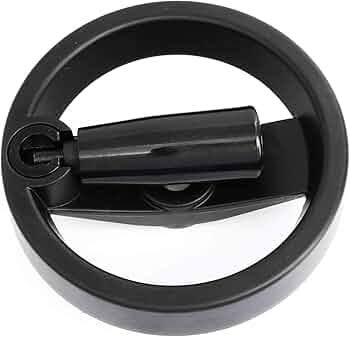
Regular maintenance helps preserve mechanical performance and reduce unexpected failures during operation. Operators should inspect connection areas, mounting structures, and surface conditions regularly. Dust accumulation, moisture exposure, and chemical contact may influence product durability over time. Proper cleaning prevents surface damage and maintains appearance quality. Lubrication requirements depend on connected equipment and operating environments. Excessive force should be avoided because it may increase structural stress. Stainless steel spoked handwheels are suitable for applications requiring strong corrosion resistance and reliable mechanical performance. Storage conditions also influence product quality when components remain unused for long periods. Regular inspection allows operators to identify potential problems early. Effective maintenance practices improve reliability and reduce replacement frequency in industrial applications.
Industrial Applications Require Different Performance Standards
Different industries require specific product characteristics based on operating environments and mechanical requirements. Machine tools often need strong structures and accurate adjustment control. Automation systems focus on repeated operation and ergonomic handling performance. Industrial control equipment requires reliable manual adjustment functions and stable installation. Valve systems often require corrosion resistance and long service capability. Buyers should analyze torque requirements, installation methods, and environmental conditions before selecting suitable components. Application analysis prevents unsuitable purchasing decisions and improves equipment efficiency. Manufacturers with customization capabilities can adjust dimensions, materials, and finishing processes according to project requirements. Proper product selection supports reliable operation across different industrial fields. It also helps customers achieve better equipment management and reduce maintenance pressure.
FAQ
What Materials Are Commonly Used For Handwheel 100mm Production?
Common production materials include nylon, phenolic resin, aluminum alloy, and stainless steel. Each material provides different advantages according to industrial requirements. Nylon offers lightweight performance, good wear resistance, and chemical stability. Phenolic resin provides strong rigidity and better temperature resistance. Aluminum alloy delivers a combination of strength and reduced weight. Stainless steel supports applications requiring high corrosion resistance and mechanical durability. Buyers should consider operating environments, load conditions, and maintenance requirements before selecting materials. Professional suppliers can provide material information and testing documents to support purchasing decisions. Proper material selection improves reliability and helps reduce replacement costs during long-term industrial operation.
How Can Buyers Evaluate Handwheel 100mm Quality From Suppliers?
Buyers can evaluate supplier quality through material information, production capability, and inspection systems. Reliable manufacturers usually provide detailed specifications and quality documentation. Production equipment, technical experience, and manufacturing processes reflect supplier capability. Buyers should review dimensional accuracy, surface treatment quality, and structural performance before placing large orders. Sample testing can confirm product suitability for specific applications. Communication efficiency and customization support are also important evaluation factors. A professional supplier should provide consistent quality and technical assistance throughout cooperation. These evaluation methods help buyers select dependable products and establish stable supplier relationships for future industrial projects.
What Factors Reduce Handwheel 100mm Service Life?
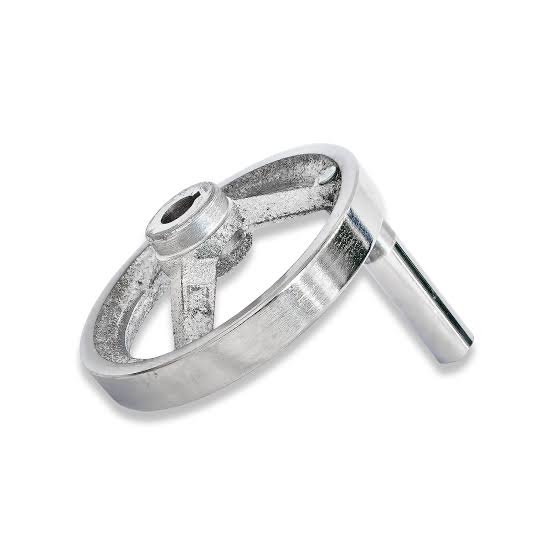
Several factors can reduce service life, including unsuitable materials, excessive loads, incorrect installation, and harsh operating environments. Continuous overload operation may create structural stress and accelerate wear. Exposure to chemicals, moisture, or extreme temperatures can affect material properties. Poor installation may cause uneven force distribution and reduce mechanical stability. Manufacturing defects can also influence long-term reliability. Regular inspection and proper maintenance help reduce these risks. Buyers should select products according to actual working conditions and cooperate with suppliers that provide reliable quality control. Proper selection, installation, and maintenance practices improve durability and support stable industrial performance.