Why Packaging for Precision Parts Requires Strict Quality Control
Packaging for precision parts plays a critical role in protecting machined products during storage and transportation. Precision components often contain tight tolerances, fine surfaces, and complex geometries. Any contamination, impact, or moisture exposure can reduce final performance. Industrial buyers expect suppliers to maintain stable packaging procedures that match manufacturing accuracy. Reliable packaging includes protective materials, controlled handling, and inspection processes.
Key Material Requirements For Precision Parts Packaging
Selecting suitable materials requires analysis of component properties, environmental conditions, and transportation risks. Metal parts usually need corrosion prevention, while electronic components require static protection. Foam inserts, vacuum bags, moisture barriers, and anti-static films provide different protection functions. Material thickness, flexibility, and chemical stability also affect packaging performance. Suppliers evaluate temperature changes, humidity levels, and handling conditions before choosing solutions. For example, stainless steel components may need protective wrapping with corrosion inhibitors. Sensitive surfaces may require soft materials that prevent friction marks. Effective packaging for precision parts depends on matching material characteristics with specific industrial requirements.
| Component Type | Recommended Material | Main Protection Function |
|---|---|---|
| CNC metal components | VCI film and foam inserts | Corrosion control and impact reduction |
| Electronic precision parts | Anti-static bags | Electrostatic discharge prevention |
| Finished mechanical assemblies | Custom trays and protective covers | Position control and surface protection |
How Moisture And Contamination Protection Improve Packaging Performance
Moisture and contamination control directly influence precision component quality. Humidity can create oxidation on untreated metal surfaces and damage sensitive finishes. Dust particles may interfere with assembly operations when components require strict cleanliness levels. Suppliers often combine sealed packaging, desiccant materials, and clean handling areas to reduce these risks. Selecting packaging for precision parts requires attention to environmental exposure throughout the supply chain. Storage warehouses, shipping containers, and production environments all create different challenges. A controlled packaging process protects product appearance and functional accuracy. Buyers should evaluate whether suppliers maintain documented procedures for moisture control, cleanliness verification, and packaging inspections before cooperation.
Advanced Protection Methods Used In Industrial Precision Parts Packaging
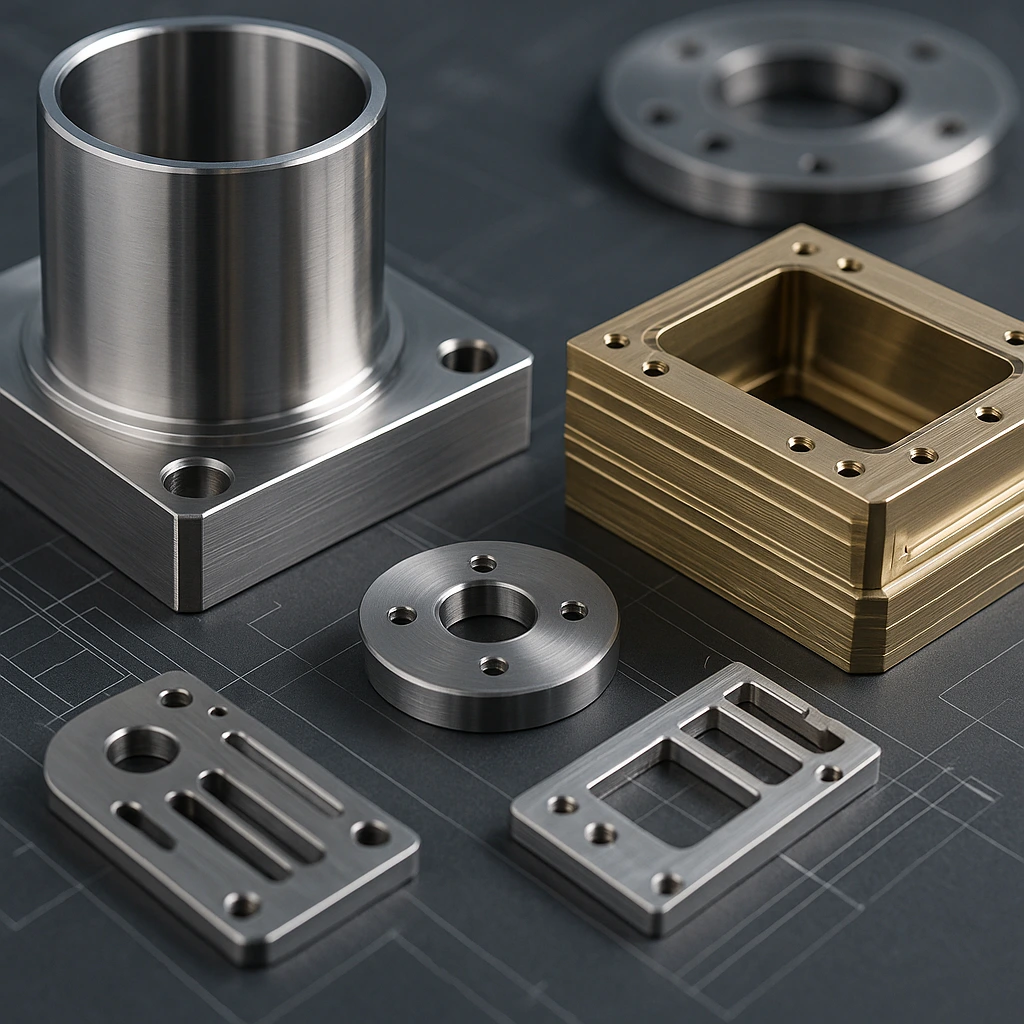
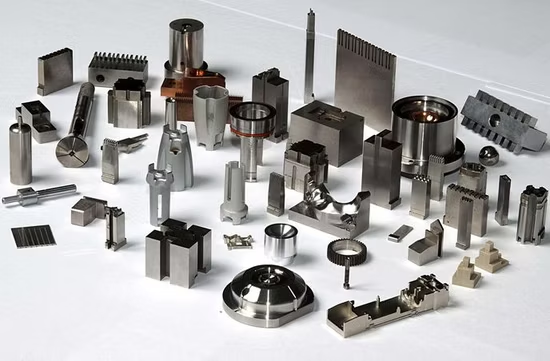
Modern industrial packaging solutions focus on stability, customization, and transportation safety. Engineers design protective structures according to component weight, shape, and surface sensitivity. Common methods include molded foam, EVA inserts, reusable trays, and compartment systems. These solutions keep parts separated and reduce movement during shipping. Precision milled components OEM/ODM suppliers often require customized packaging because their products include unique dimensions and strict surface requirements. Packaging engineers analyze vibration risks and stacking pressure before selecting protective structures. Shock-resistant designs help reduce damage during international transportation. Proper packaging planning also improves warehouse organization and simplifies inventory handling for industrial buyers.
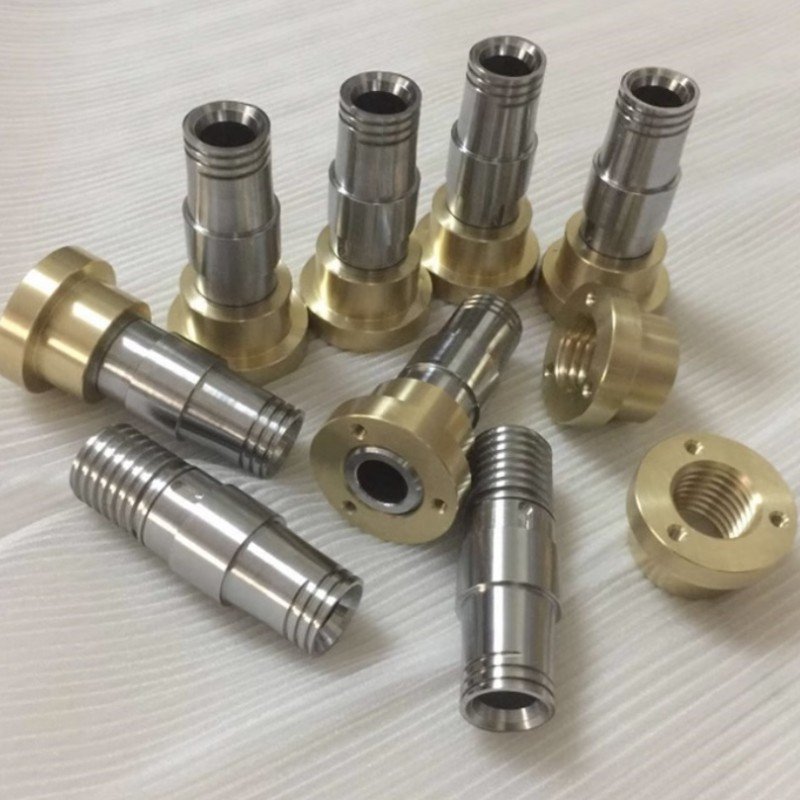
Protection Method Comparison For Precision Components
| Protection Method | Application Area | Quality Benefit |
|---|---|---|
| Vacuum sealing | High-value metal parts | Reduces moisture and oxidation risks |
| Custom foam trays | Complex shaped components | Prevents movement and surface damage |
| Anti-static packaging | Electronic assemblies | Controls electrostatic discharge |
| VCI protection | Steel and alloy parts | Provides corrosion resistance |
Packaging Design Standards For Different Precision Components
Different precision components require different packaging strategies because dimensions and performance requirements vary widely. Small components may need compartment packaging to avoid mixing during delivery. Large machined parts may require reinforced containers with stronger support structures. Engineers consider factors including weight distribution, contact points, and surface finishes. Packaging design also connects with manufacturing inspection procedures. Parts that pass dimensional verification still need proper protection afterward. A professional supplier creates packaging specifications that match product drawings and customer expectations. These specifications define material selection, placement methods, labeling requirements, and handling instructions. Consistent design reduces quality variation between production batches and shipments.
Essential Protection Practices For Industrial Packaging
Effective packaging systems usually include several coordinated protection steps. These steps help maintain product condition from production completion to final usage.
- Use clean packaging areas to reduce particle contamination.
- Apply corrosion protection based on material characteristics.
- Select cushioning materials according to component geometry.
- Secure parts to prevent vibration movement during transportation.
- Add identification labels for inventory tracking and inspection control.
Reliable packaging operations require cooperation between production teams, quality departments, and logistics specialists. Suppliers review packaging performance through customer feedback and transportation results. Continuous improvement helps companies adjust materials and methods when shipment conditions change. Strong packaging processes support consistent delivery performance and reduce unnecessary replacement costs.
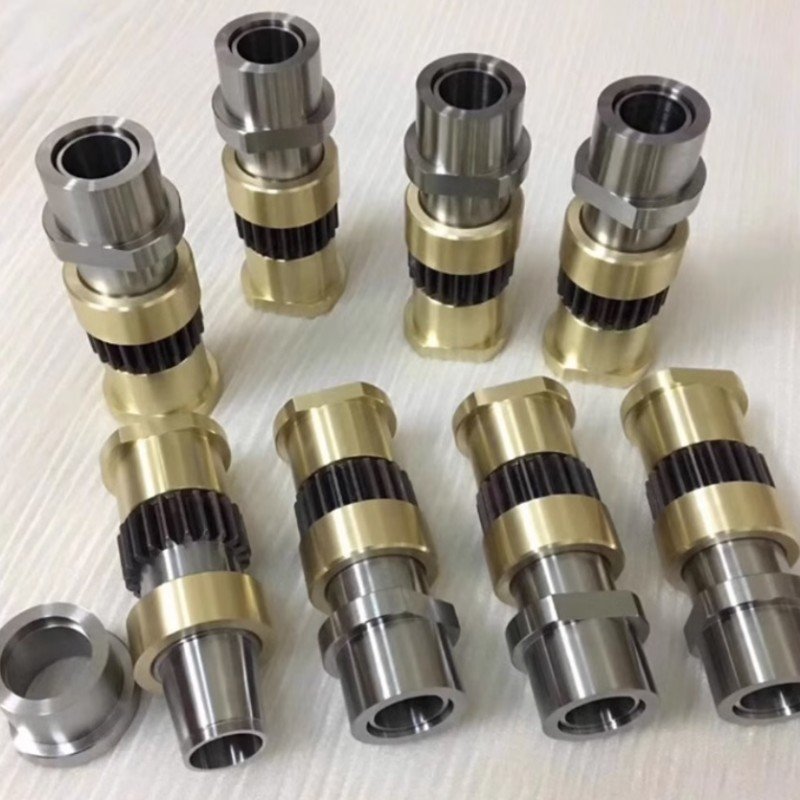
How Packaging for Precision Parts Supports Reliable Delivery
Reliable delivery depends on more than manufacturing capability because transportation creates additional risks. Suppliers must protect components against vibration, temperature changes, humidity, and handling pressure. Proper packaging reduces damage rates and supports stable supply chain operations. Many industrial buyers evaluate packaging procedures before selecting long-term partners. They check material quality, packing records, and inspection methods. Packaging for precision parts requires engineering decisions that consider product value and application requirements. Suppliers with advanced packaging systems can provide stronger delivery confidence. They also reduce delays caused by damaged shipments, rejected components, or additional inspection requirements after arrival.
How Suppliers Verify Packaging Quality Before Shipment
Quality verification ensures packaging systems perform as expected before products leave the facility. Suppliers may conduct visual checks, sealing inspections, and transportation simulations. Packaging teams inspect protective materials for defects, incorrect sizes, or weak structures. They also confirm labels, quantities, and product identification information. Precision CNC machined parts OEM/ODM suppliers often combine packaging verification with final quality inspections. This approach creates a complete control process from machining accuracy to shipment preparation. Reliable suppliers maintain records that show packaging standards, inspection results, and corrective actions. These records support transparency and help buyers evaluate supplier reliability over long-term cooperation.
Common Packaging Problems That Affect Precision Parts Quality
Packaging failures often create unnecessary costs and production interruptions. Poor material selection may expose components to corrosion or surface damage. Incorrect fixing methods can allow movement inside containers during transportation. Excessive pressure from packaging structures may affect delicate surfaces or small features. Suppliers should analyze these risks before creating packaging solutions. Common problems include insufficient cushioning, weak sealing, improper labeling, and unsuitable storage conditions. Addressing these issues requires technical evaluation rather than simple material replacement. Companies that review packaging performance regularly can improve shipment reliability. A detailed packaging strategy protects valuable components and supports stable manufacturing operations.
Custom Packaging Solutions For Precision Components
Custom packaging provides better protection when standard solutions cannot meet product requirements. Engineers create packaging structures according to component dimensions, material properties, and usage conditions. This approach improves protection efficiency while reducing unnecessary packaging space. Custom designs also support faster warehouse operations because parts remain organized and easy to identify. Buyers seeking reliable suppliers should review packaging capabilities alongside machining expertise. Strong suppliers combine manufacturing knowledge, quality systems, and logistics experience. Custom packaging for precision parts helps maintain accuracy throughout transportation and storage. It represents a long-term investment in product protection, customer satisfaction, and supply chain stability.
Future Trends In Precision Parts Packaging Solutions
Industrial packaging continues to develop with smarter materials and digital management systems. Sustainable materials are becoming more common as companies reduce environmental impact. Reusable trays and recyclable protective materials support greener supply chains. Digital tracking technologies also improve shipment visibility and inventory control. Advanced packaging systems may include sensors that monitor temperature, humidity, and vibration conditions. These innovations help buyers receive better information about transportation environments. Future solutions will focus on balancing protection performance, cost efficiency, and environmental responsibility. Suppliers that adopt modern packaging practices can strengthen competitiveness in global precision manufacturing markets.
Frequently Asked Questions
What Materials Are Commonly Used For Packaging Precision Parts?
Common materials include anti-static bags, VCI films, foam inserts, EVA trays, vacuum packaging, and moisture barriers. Each material serves a different protection purpose. Metal components often require corrosion prevention, while electronic parts need static control.
How Does Packaging Prevent Damage To Precision Components?
Packaging prevents damage by controlling movement, reducing impact forces, and protecting surfaces from environmental risks. Proper cushioning materials absorb vibration during transportation. Sealed packaging reduces moisture exposure and contamination risks. Custom trays maintain component positioning and prevent contact between parts. Suppliers also use inspection procedures to verify packaging effectiveness before shipment. Strong packaging systems consider transportation routes, storage conditions, and component sensitivity. These factors help maintain dimensional accuracy and appearance quality. Reliable protection methods reduce rejected shipments and support smoother production processes for customers.
Why Is Custom Packaging Important For Precision Parts Suppliers?
Custom packaging allows suppliers to match protection methods with specific component requirements. Standard packaging may not provide enough support for complex shapes or sensitive surfaces. Custom designs improve positioning, reduce movement, and optimize storage efficiency. They also help maintain consistent packing procedures across repeated orders. Suppliers with custom packaging capabilities can respond better to different product specifications. This capability demonstrates technical experience and quality commitment. For industrial buyers, customized packaging improves delivery reliability and reduces risks caused by transportation damage. It creates stronger cooperation between suppliers and customers through better product protection.