
Why International Buyers Need Clear Trade Term Knowledge
exw fob cif ddp explained helps global buyers compare responsibility, cost allocation, and shipping risks before international purchases. Trade terms define how sellers and buyers manage transportation, customs procedures, insurance arrangements, and delivery obligations. For companies sourcing products globally, choosing the correct term influences total landed costs and supply chain efficiency. Each option creates different responsibilities between suppliers and buyers during export and import activities. Professional purchasing teams evaluate supplier capability, logistics experience, and destination requirements before confirming agreements. A suitable trade term reduces misunderstandings and improves cooperation throughout international transactions. Clear responsibility definitions also support better financial planning and more predictable procurement operations for companies.

How EXW Changes Supplier And Buyer Responsibilities
EXW means Ex Works, where sellers prepare products at a designated location such as a factory or warehouse. Buyers take responsibility for pickup, transportation, export arrangements, and import procedures. This option provides buyers with greater control over logistics decisions and freight negotiations. However, it requires strong international purchasing experience because local handling and customs requirements may create additional challenges.
Companies with established logistics networks often select EXW because they can manage transportation resources effectively. Supplier support remains important because accurate documents, packaging preparation, and product readiness influence shipment efficiency. The concept of exw fob cif ddp explained also highlights how responsibility changes between parties during different stages of international delivery.
Why FOB And CIF Create Different Shipping Advantages
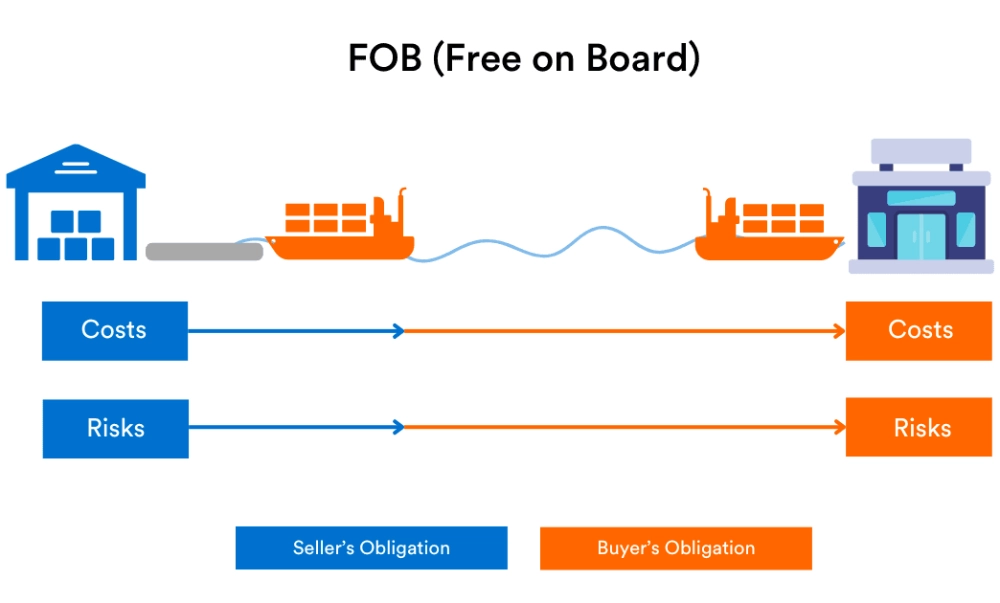
FOB and CIF are common choices for ocean freight transactions because they provide different responsibility structures. FOB allows buyers to manage international shipping after sellers complete export procedures and vessel loading. This option suits companies with experienced freight management teams. CIF provides more convenience because sellers arrange transportation and basic insurance coverage until the destination port. However, buyers should review insurance conditions carefully because standard coverage may not include every possible risk. Both terms create different cost structures and management requirements. Buyers should consider shipment value, destination regulations, and internal logistics ability before making decisions. Selecting the correct option helps companies balance control, convenience, and transportation reliability.
Why DDP Offers Complete Import Handling Services
DDP means Delivered Duty Paid and provides one of the most complete delivery solutions for international buyers. Under this arrangement, sellers manage transportation, export documentation, import clearance, duties, and final delivery. This option reduces administrative pressure for companies without strong international logistics teams. Small distributors and new market participants often prefer DDP because it creates clearer cost expectations before purchasing. However, buyers should confirm supplier experience with destination customs systems and taxation rules. Reliable documentation and professional logistics coordination remain important factors for successful delivery. Although DDP reduces buyer responsibilities, supplier evaluation remains necessary because incorrect procedures can still affect shipment timelines and business operations.
Comparing EXW FOB CIF DDP Explained Through Cost And Risk
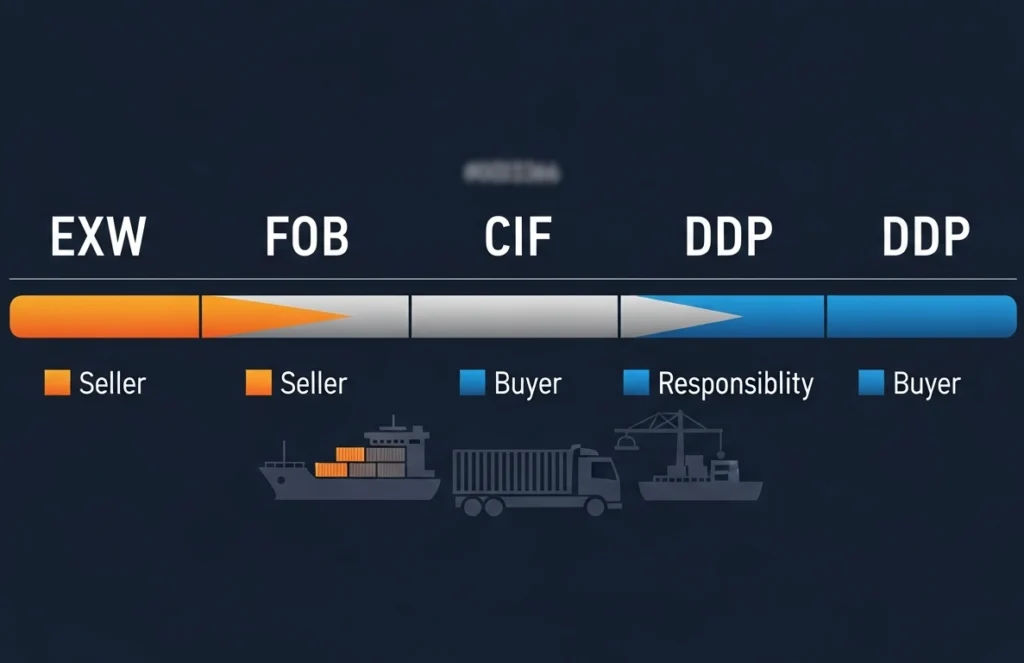
exw fob cif ddp explained helps buyers compare responsibility levels, transportation control, and financial exposure across different trade arrangements. Each term creates different obligations for sellers and buyers during international transactions. Purchasing teams should evaluate logistics capability, destination requirements, and cost structures before selecting suitable options. The following table compares important responsibilities under common shipping terms. This information allows buyers to identify which arrangement matches their operational resources and risk preferences. A suitable choice supports better cost management and improves supply chain reliability.
| Trade Term | Seller Responsibility | Buyer Responsibility | Risk Level |
|---|---|---|---|
| EXW | Prepare goods at agreed location | Pickup, export, shipping, import clearance | High |
| FOB | Export clearance and loading | Ocean freight and import procedures | Medium |
| CIF | Export, freight, and basic insurance | Import clearance and destination costs | Medium |
| DDP | Transportation, duties, and final delivery | Product receiving | Low |
How Different Trade Terms Influence Buyer Responsibilities
The comparison shows that different trade terms create different levels of buyer involvement. EXW offers maximum control but requires strong logistics experience. FOB provides a balanced solution for buyers managing international freight independently. CIF reduces transportation management tasks but requires attention to insurance limitations. DDP offers convenience because sellers handle most delivery procedures. Buyers should evaluate hidden costs, customs requirements, and operational responsibilities before making decisions. Proper analysis helps companies create reliable purchasing strategies and maintain stable supplier relationships. Clear responsibility allocation also reduces disputes during international transportation and improves cooperation between different supply chain partners.
How Trade Terms Influence Total Purchasing Costs
International purchasing decisions depend on more than product prices because exw fob cif ddp explained helps buyers evaluate hidden expenses across different shipping methods. Transportation fees, customs charges, insurance costs, and handling expenses can influence final purchase budgets. Professional buyers calculate total landed costs before confirming supplier agreements. Different products require different risk management approaches. Companies should review shipment distance, product sensitivity, and destination regulations before choosing suitable arrangements. Careful financial evaluation allows purchasing teams to compare actual expenses rather than focusing only on initial supplier quotations. This approach supports better budgeting and improves long-term sourcing efficiency.
| Cost Category | EXW | FOB | CIF | DDP |
|---|---|---|---|---|
| Factory Pickup | Buyer | Seller | Seller | Seller |
| International Freight | Buyer | Buyer | Seller | Seller |
| Import Duty | Buyer | Buyer | Buyer | Seller |
| Final Delivery | Buyer | Buyer | Buyer | Seller |
How Cost Responsibility Affects Final Procurement Decisions
Cost responsibility directly affects supplier selection and purchasing strategies. Buyers with professional logistics teams may prefer EXW or FOB because they can control transportation arrangements. Companies seeking simpler procurement processes may choose CIF or DDP. For industrial applications involving stainless steel precision machined parts, buyers also consider delivery protection because surface quality and handling methods influence final performance. Proper packaging, transportation planning, and supplier coordination help maintain product quality throughout international shipping. A complete cost review prevents unexpected expenses and improves cooperation between global business partners. Effective cost management also creates stronger foundations for future supplier relationships.
How Buyers Select Suitable Trade Terms For Supply Chains
Selecting suitable trade terms requires careful evaluation of business capability and market conditions. Buyers should review internal resources before confirming agreements with suppliers. Companies with experienced import teams can manage additional responsibilities more effectively. Businesses without international logistics knowledge may prefer supplier-managed solutions. Important evaluation points include:
- Evaluate import experience and customs management ability.
- Compare total costs instead of product prices only.
- Review supplier export documentation accuracy.
- Confirm insurance needs for valuable shipments.
- Analyze delivery schedules and supply chain flexibility.
These factors help purchasing teams develop stronger sourcing strategies. Companies with advanced logistics knowledge often select options that provide greater transportation control. Businesses entering new markets may prefer arrangements with fewer administrative tasks. Buyers should communicate responsibilities clearly before signing contracts.
Common Mistakes And Communication Issues In International Trade
Many purchasing problems occur because buyers focus only on supplier quotations without reviewing complete cost responsibilities. Some companies select EXW without considering export procedures, local handling charges, or transportation coordination. Others choose CIF without checking insurance limitations and shipment protection requirements. DDP can also create challenges when suppliers lack knowledge of destination customs regulations. Contract details should clearly define responsibilities, required documents, delivery locations, and payment conditions. Professional buyers review every important factor before confirming agreements. A complete evaluation process reduces financial risks and improves cooperation between suppliers and international customers. Clear communication also prevents misunderstandings during production, shipping, and final delivery stages.
How Product Requirements Affect Delivery Decisions
Product characteristics often influence transportation choices because different items require specific handling conditions. Sensitive industrial components need suitable packaging, moisture protection, and stable transportation methods during international shipments. For mechanical systems using stainless steel torque rating coupling, buyers should consider delivery reliability because improper handling may affect connection performance and operational stability. Suppliers with technical experience can provide better recommendations for packaging materials, loading methods, and shipping arrangements. Product value, application environment, and transportation distance all influence suitable trade decisions. Careful preparation protects product quality and supports consistent supply chain performance. Buyers should discuss technical requirements with suppliers before confirming final delivery agreements.
How Professional Trade Management Improves Global Sourcing
Professional trade management helps companies balance cost control, operational responsibility, and delivery reliability. Buyers should avoid selecting trade terms only because of convenience or lower initial pricing. Different markets have unique customs systems, transportation conditions, and supplier capabilities. Companies should evaluate current resources and future business goals before making decisions. Experienced importers may prefer arrangements with stronger logistics control. New buyers may select options that reduce administrative responsibilities. The right trade arrangement supports efficient procurement processes and creates better cooperation between international partners. Continuous review of supplier performance and shipping results also helps companies improve future sourcing decisions.

FAQ
What Does EXW Mean For International Buyers?
EXW means buyers collect products directly from the seller’s location and manage most transportation responsibilities. This arrangement provides strong control because buyers choose logistics providers and shipping methods. However, it requires experience with export procedures, freight coordination, and customs management. Companies without international purchasing experience may face additional challenges during transportation preparation. EXW works well for organizations with established supply chains and professional logistics teams. Buyers should confirm pickup requirements, documentation needs, and local handling responsibilities before accepting EXW terms. Proper planning allows companies to use flexible transportation options while reducing unexpected expenses during international shipments.
Which Is Better Between FOB And CIF For Importers?
FOB and CIF support different purchasing strategies, so the better option depends on buyer capability and supply chain requirements. FOB provides more control because buyers arrange international freight after export completion. CIF offers greater convenience because sellers manage transportation and basic insurance arrangements. Companies with experienced logistics teams often select FOB because they can negotiate freight costs directly. Businesses seeking simpler purchasing processes may prefer CIF. Buyers should compare transportation expenses, insurance coverage, supplier reliability, and destination requirements before making decisions. A careful evaluation helps companies select suitable terms that match operational resources and financial objectives.
Is DDP The Safest Option For Overseas Purchasing?
DDP can be a convenient option for overseas buyers because suppliers manage transportation, customs clearance, duties, and final delivery. This arrangement reduces administrative work and provides clearer cost expectations before purchasing. However, buyers should verify supplier knowledge of destination regulations and import requirements. Reliable DDP suppliers need strong logistics capability, accurate documentation systems, and international delivery experience. Companies should confirm delivery conditions before signing agreements because responsibilities may vary between suppliers. Although DDP reduces buyer involvement, proper supplier evaluation remains necessary. Choosing a qualified partner helps create smoother transactions and minimizes potential risks during global purchasing activities.