
Standard Values of Industrial Gear Tooth Depth in Heavy Machinery
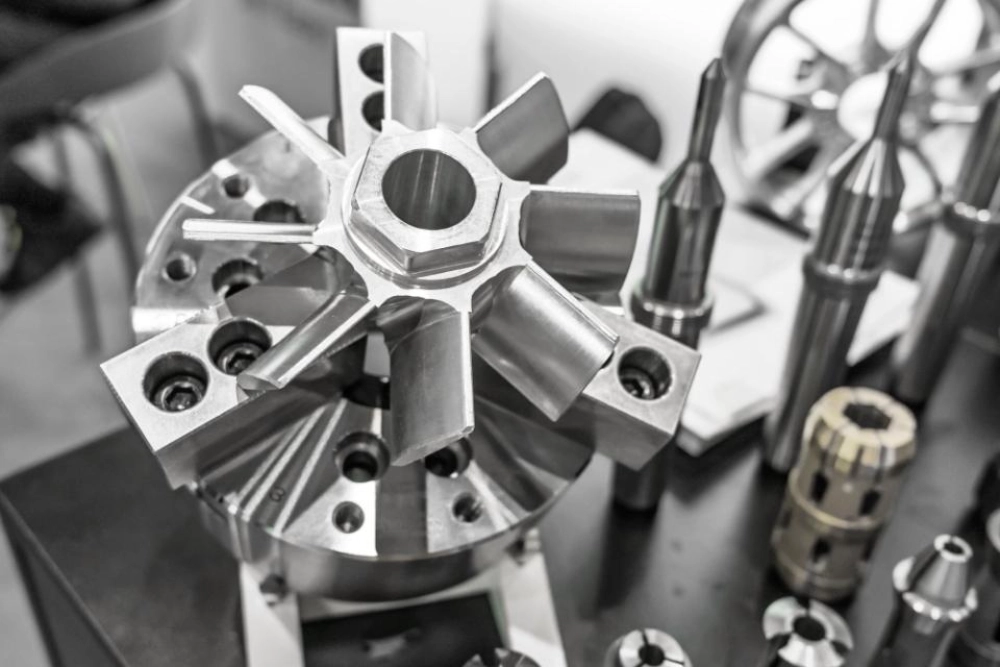
Heavy machinery systems require highly precise components to transfer immense rotational power under extreme load conditions. Proper engineering of these mechanical components ensures long-term operational reliability across many different factory settings. Severe industrial applications demand specific geometric dimensions to prevent sudden tooth deflection and costly gear failure. Correctly calculating the industrial gear tooth depth plays a critical role in optimizing contact ratios between meshing gear teeth. Engineers must carefully analyze these dimensional variables during the initial development phase of industrial gearboxes. Improper dimensions often lead to accelerated wear and severe mechanical vibrations inside the gearbox casing. Standardizing these physical measurements helps manufacturers maintain consistency across various production batches.
Why Industrial Gear Tooth Depth Matters for Torque
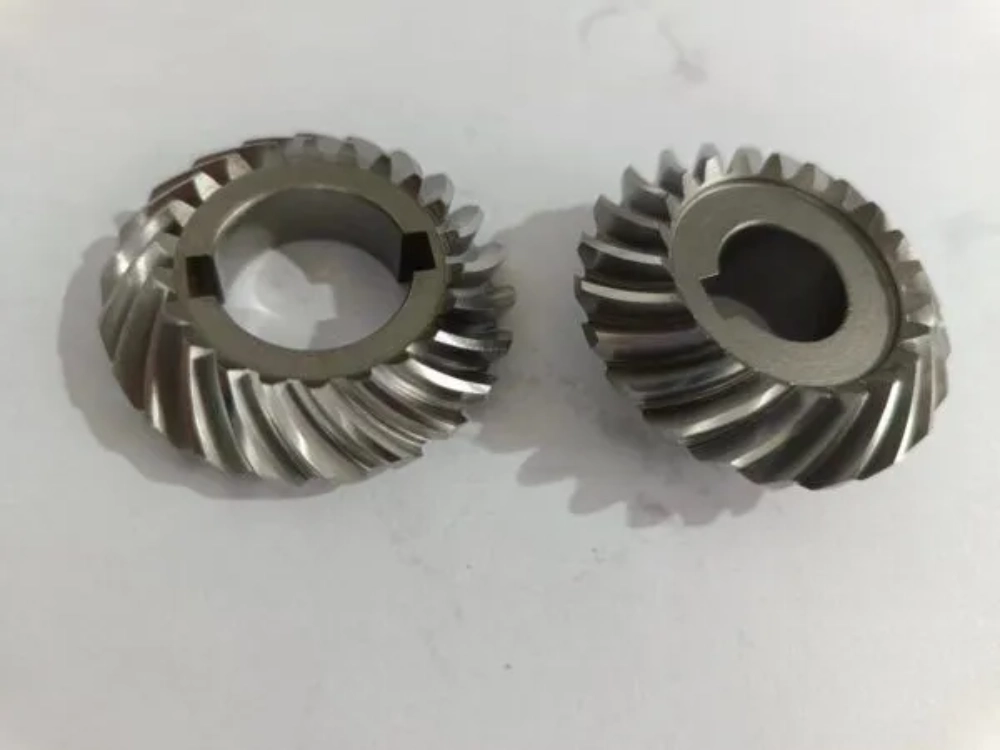
Different gear configurations experience unique stress patterns along the active tooth profiles during power transmission cycles. Machinery designers select distinct gear designs based on the specific speed and torque requirements of each industrial system. Standard spur gear helical gear arrangements demand precise root modifications to handle intense bending moments without cracking. Solid steel materials provide the necessary structural support to withstand these continuous mechanical stresses during peak operation. Engineers utilize advanced mathematical models to predict the exact stress distribution along the root fillet area. Adding precise radius profiles to the tooth base significantly reduces local stress concentration factors during rotation. Such structural enhancements extend the overall operational life of the entire industrial transmission assembly.
Standard Calculations for Gear Tooth Height
International standards define precise mathematical formulas to establish consistent tooth profiles for heavy-duty industrial machinery. The American Gear Manufacturers Association establishes clear reference parameters for module-based and diametral pitch gearing systems. Designers calculate the industrial gear tooth depth by adding the nominal addendum to the standard dedendum values. These mathematical values represent the total height of the tooth from root to tip before surface finishing. Standard pressure angles of twenty degrees typically dictate the exact slope and width of the active profile. Using standardized dimensions ensures that replacement parts mesh perfectly with existing components in older industrial gearboxes. Technicians rely on these precise measurements to verify compliance during quality assurance inspections at the factory.
Reference Table for Industrial Gear Dimensions
| Metric Module (mm) | Addendum (mm) | Dedendum (mm) | Total Height (mm) |
|---|---|---|---|
| Module 2.0 | 2.00 | 2.50 | 4.50 |
| Module 4.0 | 4.00 | 5.00 | 9.00 |
| Module 6.0 | 6.00 | 7.50 | 13.50 |
| Module 8.0 | 8.00 | 10.00 | 18.00 |
Technical Analysis of Our Gear Tooth Depth Chart
The provided metric module chart shows the direct proportional relationship between module sizing and physical tooth dimensions. Higher metric modules require larger physical dimensions to ensure the gear assembly handles heavy torque loads without failure. Each increment in the metric module increases the industrial gear tooth depth in a predictable linear pattern. Manufacturing facilities use these precise calculations to set CNC cutting machines for accurate tooth generation. Standardizing these values ensures high compatibility when replacing worn components in existing power transmission systems. Engineering departments must verify these standard heights to maintain correct backlash limits during gearbox assembly processes. Consistent tooth shapes directly prevent premature mechanical wear and reduce operational noise during high-speed rotation.
Crucial Design Factors for Industrial Gear Height
- Operating speed and centrifugal force profiles
- Lubricating oil viscosity and lubrication delivery methods
- Required contact ratios for smooth power transmission
- Ambient thermal conditions and thermal expansion rates
- Hardness requirements of the steel substrate layers
How Operating Conditions Impact Gear Tooth Geometry
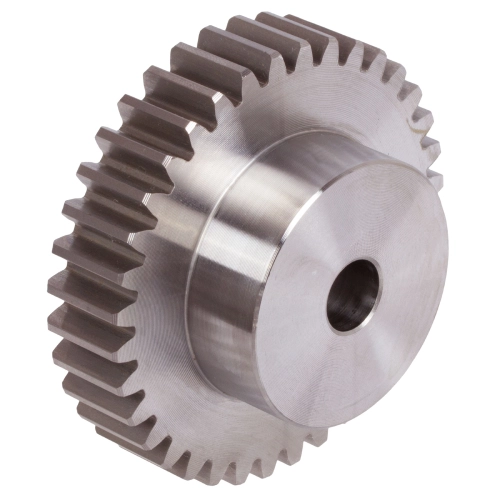
Many different operational factors influence how designers choose the correct parameters for critical power transmission components. Extreme rotational speeds generate significant centrifugal forces that can cause micro-deformations along the active tooth profiles. High operating temperatures expand the metallic components, which alters the active clearance space during continuous factory operations. Engineers must adjust the nominal industrial gear tooth depth to account for these specific thermal expansion variables. Proper lubricating oil selection helps minimize friction and heat generation along these critical contact surfaces. Maintaining the correct structural parameters prevents metal-to-metal contact and avoids sudden catastrophic gear tooth breakage. Implementing these design adjustments guarantees optimal performance and long service life for industrial gear assemblies.
Reference Table for Tooth Depth Tolerances
| AGMA Accuracy Grade | Application Type | Tolerance Limit (mm) | Backlash Range (mm) |
|---|---|---|---|
| Grade 6-8 | Standard Conveyors | ± 0.050 | 0.15 to 0.25 |
| Grade 9-11 | Heavy Mining Mills | ± 0.025 | 0.10 to 0.18 |
| Grade 12-14 | High-Speed Turbines | ± 0.012 | 0.05 to 0.10 |
Technical Analysis of Depth Tolerance Variations
The second tolerance chart illustrates how accuracy requirements vary across different industrial machinery applications. High-precision gearboxes require extremely tight manufacturing tolerances to ensure quiet operation and smooth power delivery. Setting the correct industrial gear tooth depth helps technicians maintain these precise tolerance levels during production. Even minor deviations from these target limits can cause severe contact issues and tooth crowning problems. Experienced machine operators adjust grinding wheels frequently to keep these physical dimensions within the specified range. Strict quality control processes guarantee that each manufactured component fits perfectly into highly demanding industrial power transmissions. Implementing these high-precision specifications successfully reduces overall operational costs by preventing unexpected mechanical downtime.

Heat Treatment Effects on Gear Teeth
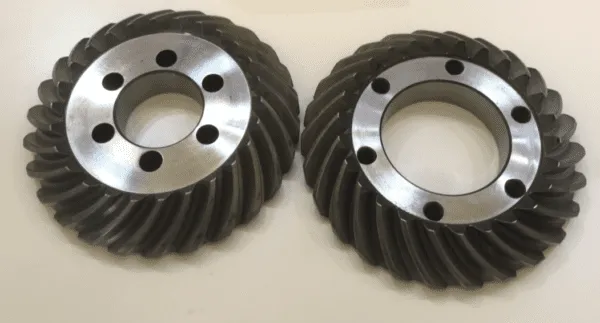
Heat treatment represents a vital manufacturing stage that directly determines the ultimate strength of industrial gearboxes. Manufacturers select premium steel grades like eighteen chrome nickel molybdenum alloys to construct heavy-duty industrial components. Advanced carburizing methods create a hardened outer case layer while keeping the inner steel core ductile. Specialized precision bevel gear worm gear systems require distinct heat treatment profiles to ensure optimal surface durability. Hardening depths must scale correctly with the physical tooth dimensions to prevent premature surface peeling. Technicians measure surface hardness values carefully after the quenching stage to confirm correct mechanical properties. Proper execution of this thermal process ensures that the finished gear withstands heavy impact forces.
Common Damage Linked to Incorrect Tooth Height
Incorrect dimensional calculations often lead to various physical defects and premature failures in heavy machinery installations. Excessive root stress causes micro-cracking which slowly propagates under cyclic loading to cause complete tooth separation. Insufficient active contact areas promote rapid adhesive wear and severe surface pitting along the tooth pitch line. Maintenance technicians monitor vibration frequencies regularly to detect early signs of mechanical wear inside gearboxes. Adjusting the mounting alignment helps distribute mechanical loads evenly across the entire face width of meshing gears. Implementing correct design geometries from the start eliminates these expensive field repair scenarios for manufacturing plants. Reliable mechanical systems depend heavily on these precise engineering calculations during the initial product manufacturing stages.
FAQ
What is the standard ratio for gear tooth depth?
Standard industrial gears typically utilize a specific ratio to determine the total physical depth of each tooth. Engineering specifications define full-depth teeth using a nominal factor of two point twenty-five times the metric module. Such calculations allocate one unit of the module to the addendum above the pitch line. The remaining portion of one point twenty-five units defines the dedendum below the pitch line. Maintaining this exact physical ratio ensures standard contact ratios during active rotational operations. These proportional standards prevent excessive stress concentration at the tooth roots and maintain sufficient structural clearance.
How does carburizing affect case depth relative to total tooth depth?
Carburizing thermal treatments create a highly wear-resistant outer layer while preserving a tough inner core. Heat treatment specialists must calculate the hardened depth based on the pitch of the gear teeth. Standard engineering specifications suggest a hardened layer equal to roughly one-sixth of the base thickness. Exceeding this recommended thickness makes the gear tooth extremely brittle and susceptible to sudden cracking. Insufficient depth leads to severe subsurface deformation and premature peeling under high operating torque. Machinists verify these physical depth parameters using specialized non-destructive testing equipment during the final inspection stages. Proper calibration of the heating cycle guarantees uniform material properties across the entire production run.
Can tooth depth be customized for high-speed industrial operations?
Machinery designers frequently modify standard dimensions to improve performance in high-velocity power transmission systems. Reducing the total depth helps minimize sliding friction between meshing components during rapid rotational cycles. Shorter teeth also increase the resistance to bending fatigue under continuous load conditions. Engineers call these custom configurations short-addendum systems because they deviate from standard catalog dimensions. These custom profiles require highly specialized cutting tools and advanced manufacturing setups to ensure high accuracy. Implementing these precise profile modifications significantly reduces noise levels during high-speed gearbox operation. High-speed industrial installations benefit greatly from these custom geometric configurations.