Industrial equipment requires accurate adjustment solutions to maintain stable production performance. Handwheel 125mm provides a practical manual control method for machines that need frequent positioning operations. Its diameter creates a balanced relationship between operating comfort and mechanical force. Many industrial systems use manual adjustment components for machine setup, maintenance, and process control. A suitable design helps operators complete adjustments efficiently while reducing unnecessary effort. Product reliability depends on material selection, structural design, and manufacturing precision. Professional suppliers focus on consistent production processes to support different equipment requirements. Reliable industrial components improve machine usability and create long-term value for equipment manufacturers and maintenance teams.
Structural Design Features That Improve Industrial Handwheel Performance
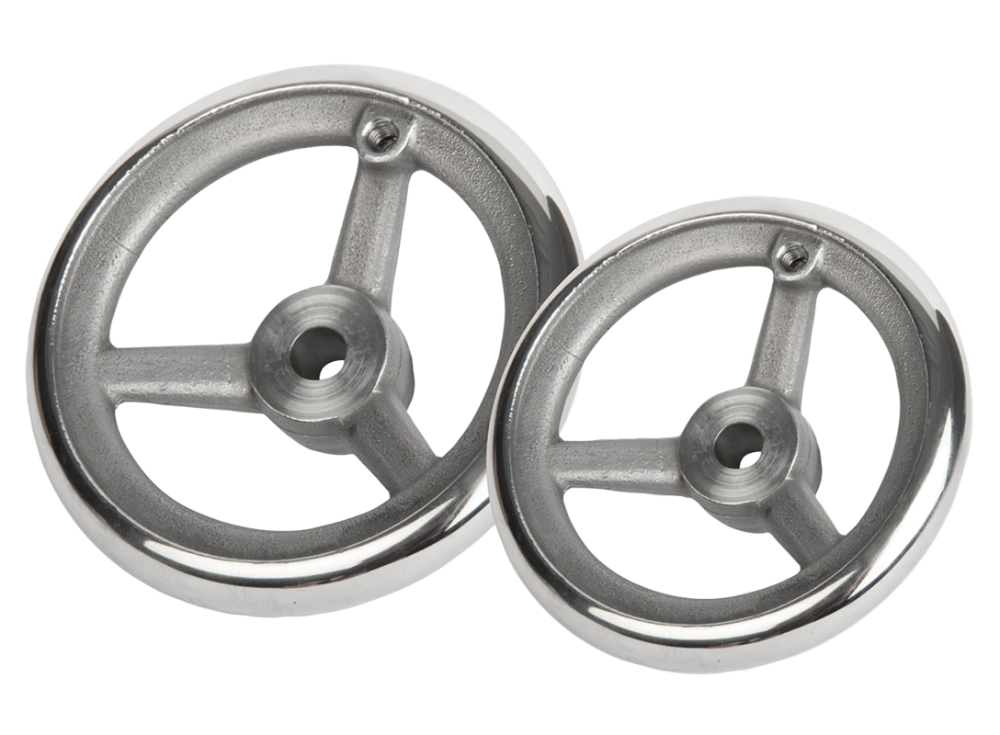
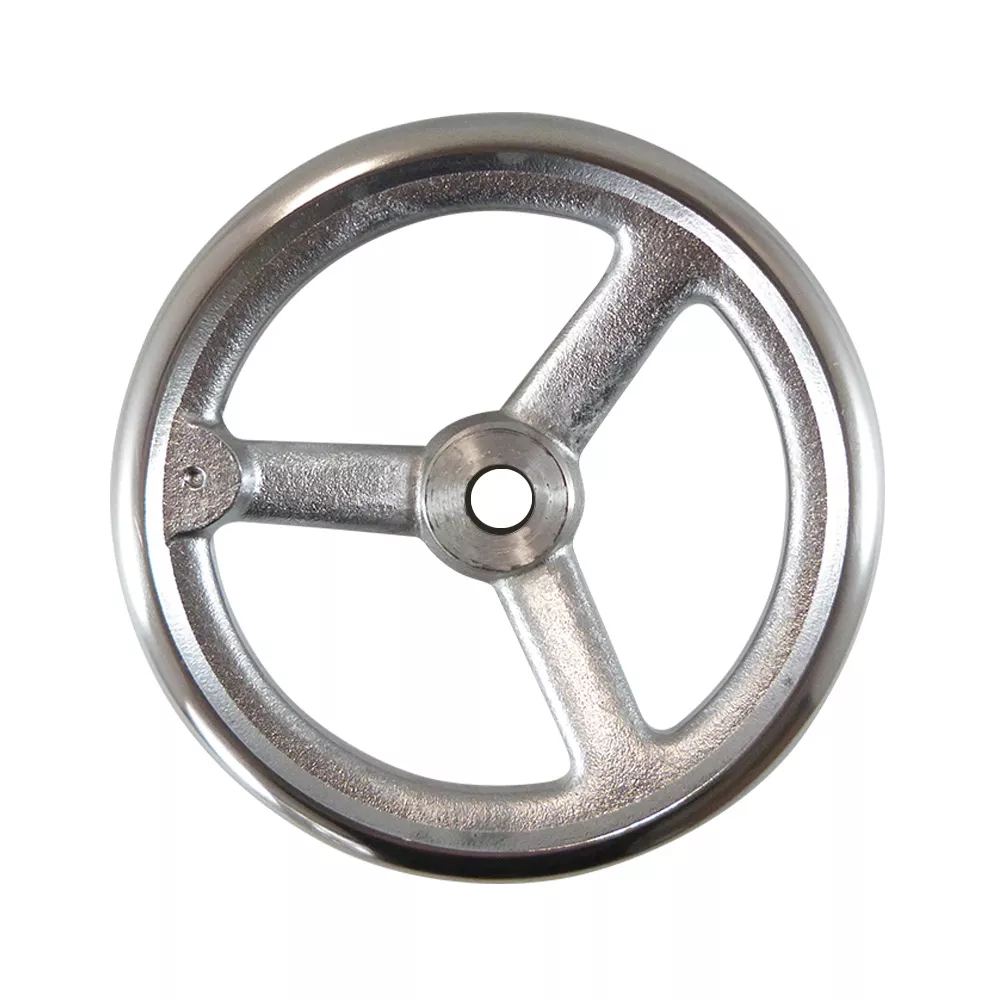
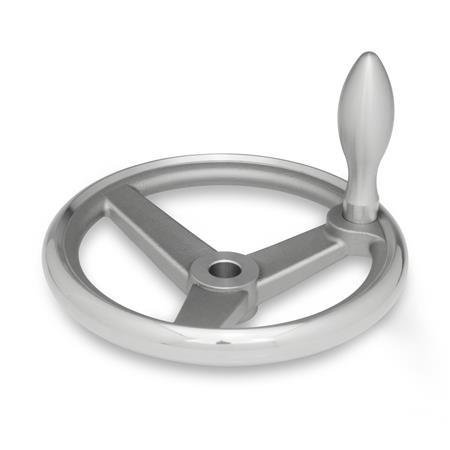
Industrial handwheel structures contain several functional parts that influence operation stability. The rim provides the contact area for operators, while the hub connects with machine shafts or adjustment mechanisms. Spoke design affects weight distribution, strength, and handling experience. Solid structures provide stronger support for applications requiring higher mechanical force. Connection methods such as keyways, threaded holes, and clamping systems allow compatibility with different machines. Surface finishing improves grip performance and protects against environmental damage. Manufacturers analyze operating conditions before selecting suitable structures. Factors including vibration, rotation frequency, and available installation space affect the final design. Proper structural planning ensures smooth operation and reduces problems during equipment usage.
Handwheel 125mm Material Selection Determines Long-Term Durability
Material selection plays an important role in industrial component performance. Different workplaces require different resistance characteristics from manual control parts. Engineering plastics provide lightweight properties and strong chemical resistance for many automation applications. Aluminum alloys offer reduced weight with reliable mechanical strength. Stainless steel materials perform well in environments with moisture, corrosion risks, or strict hygiene requirements. Aluminum solid Handwheels are suitable for users who need a strong structure with smooth rotation and reduced maintenance demands. Surface treatments such as anodizing, coating, and polishing further improve durability. Buyers should evaluate working conditions, expected service life, and maintenance requirements before selecting materials. Proper material decisions help companies achieve stable performance and reduce replacement frequency.
Manufacturing Precision And Industrial Applications Require Stable Adjustment Solutions
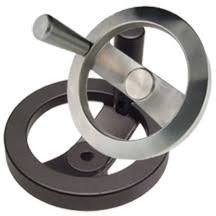
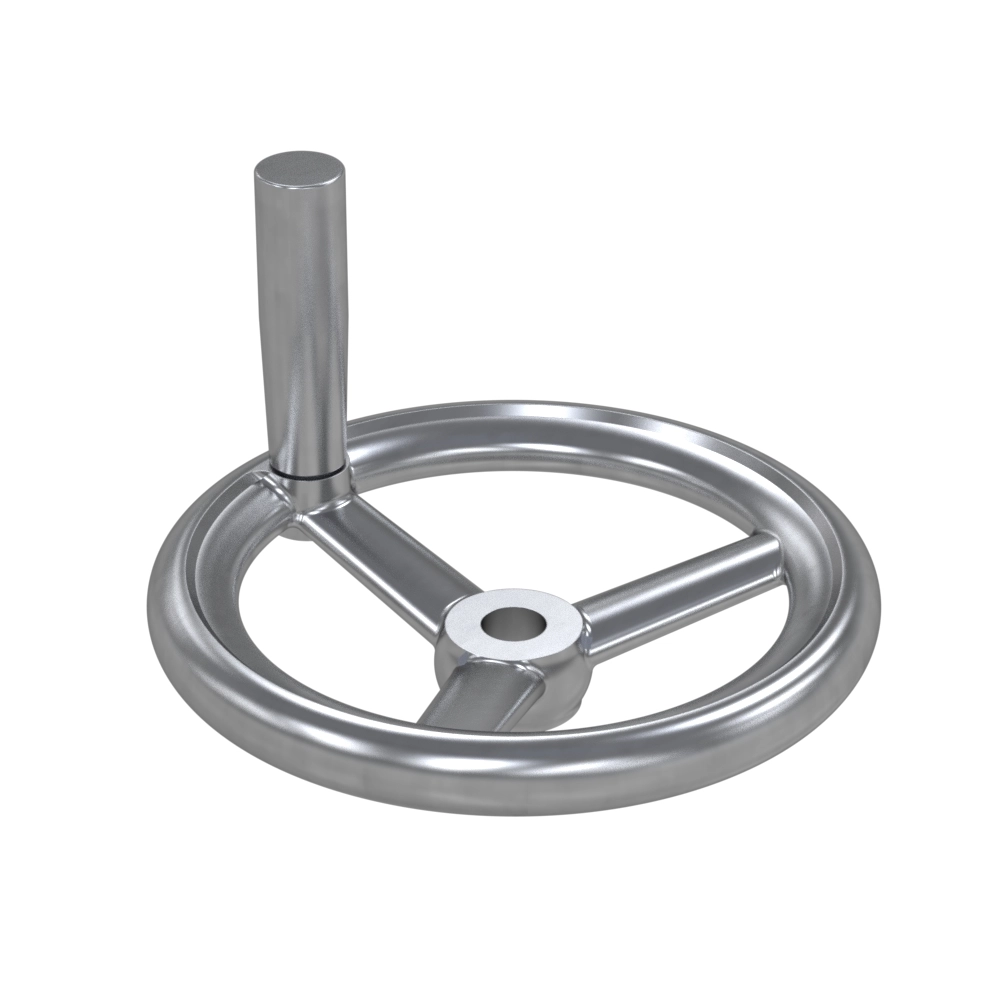
Manufacturing accuracy directly affects installation compatibility and product reliability. Advanced production methods help suppliers maintain consistent dimensions across different batches. Injection molding supports precise plastic forming with stable surface quality. CNC machining improves accuracy for metal parts, especially in shaft holes and mounting areas. Surface processing enhances wear resistance and protects components from external conditions. Quality control procedures usually include dimensional inspection, appearance evaluation, and mechanical testing. Industrial machinery often needs reliable manual control components for adjustment and positioning tasks. Machine tools use these parts for alignment, movement control, and setup procedures. Packaging systems require adjustment solutions when changing production formats. Automation equipment uses manual controls during installation, maintenance, and calibration processes. Stainless steel spoked handwheels provide durability and corrosion resistance for demanding working environments.
Selection Factors For Industrial Handwheel Purchasing Decisions
Industrial buyers should evaluate several factors before selecting suitable products. Technical requirements and working environments determine the best solution for each application.
- Diameter size and required operating force
- Material performance and environmental resistance
- Shaft connection type and mounting compatibility
- Surface treatment requirements
- Supplier production capability and quality management
These factors help buyers compare different options and avoid unsuitable purchases. Product drawings, technical specifications, and samples provide useful information during evaluation. Companies should also consider future maintenance needs and replacement availability. A complete selection process improves equipment reliability and reduces unexpected downtime. Professional suppliers can provide technical recommendations based on machine structure and operating conditions.
Technical Specifications Comparison For Different Industrial Handwheel Options
Different industrial handwheel types provide various advantages based on material and design features. Comparing specifications helps buyers identify suitable solutions for different applications.
| Handwheel Type | Material | Main Feature | Suitable Applications |
|---|---|---|---|
| Standard Plastic Handwheel | Engineering Plastic | Lightweight and Chemical Resistant | Automation Equipment |
| Aluminum Handwheel | Aluminum Alloy | Strong Structure and Low Weight | Machine Tools |
| Stainless Steel Handwheel | Stainless Steel | Corrosion Resistance and High Strength | Processing Equipment |
Performance Differences Based On Industrial Specification Requirements
Supplier Evaluation Criteria For Reliable Industrial Component Supply
Supplier capability directly influences product quality, delivery stability, and long-term cooperation efficiency. Experienced manufacturers usually maintain organized production systems with professional equipment and trained workers. Quality management processes help control dimensions, materials, and finishing standards. Buyers should evaluate production capacity, inspection procedures, and customization support before selecting a supplier. A reliable manufacturer can provide technical documents, product samples, and suitable recommendations for different applications. Communication efficiency also affects order accuracy and project progress. Suppliers with strong engineering support can help customers solve compatibility issues during product selection. Careful supplier evaluation reduces purchasing risks and improves the reliability of industrial equipment projects.
| Supplier Evaluation Item | Capability Requirement | Industrial Value |
|---|---|---|
| Manufacturing Capacity | Stable production lines and skilled workers | Reliable delivery performance |
| Quality Management | Inspection systems and process control | Consistent product standards |
| Customization Ability | Flexible dimensions and material options | Improved equipment matching |
| Technical Support | Professional engineering assistance | Reduced selection problems |
Customization And Installation Requirements Improve Equipment Compatibility
Customized industrial components help manufacturers achieve better equipment integration. Standard specifications may not always match special machine requirements. Suppliers can adjust shaft openings, mounting structures, surface treatments, and dimensions according to technical drawings. Handwheel 125mm customization allows equipment builders to improve installation accuracy and operating comfort. Material changes can support different environments, including high humidity areas and industrial locations with chemical exposure. Surface finishing options also provide additional protection against wear and corrosion. Correct installation also affects adjustment accuracy and overall equipment performance. Before assembly, users should confirm shaft dimensions, mounting depth, and fixing methods. Incorrect installation may create unstable movement or reduce control precision. Suppliers can provide technical drawings and installation recommendations to support integration.
Maintenance Practices And Solution Selection Extend Industrial Service Life
Regular maintenance supports stable performance and reduces unexpected equipment downtime. Operators should create inspection schedules based on working conditions and usage frequency. Cleaning procedures remove dust, oil residue, and other contaminants that may affect rotation quality. Lubrication helps maintain smooth movement when components experience repeated operation. Mounting points should receive regular checks to prevent loosening issues. Surface damage, unusual resistance, or abnormal movement may indicate replacement requirements. Industrial buyers also compare standard and customized options before making purchasing decisions. Standard solutions provide faster availability and lower initial costs. Customized solutions offer better compatibility for special equipment requirements. Companies should evaluate current needs, future expansion plans, and maintenance expectations before selecting suitable products.
| Comparison Factor | Standard Solution | Customized Solution |
|---|---|---|
| Availability | Ready specifications and faster supply | Requires development preparation |
| Design Flexibility | Limited existing options | Adjusted for specific equipment |
| Cost Structure | Lower initial purchase cost | Higher value for special needs |
| Application Matching | Suitable for common machines | Optimized for unique systems |
FAQ
What Materials Are Commonly Used For Industrial Handwheels?
Industrial handwheels commonly use engineering plastic, aluminum alloy, and stainless steel because each material provides different advantages. Engineering plastic offers lightweight performance and resistance against moisture and chemicals. Aluminum alloy provides strong mechanical properties while reducing overall weight. Stainless steel delivers excellent corrosion resistance for harsh industrial environments. Material selection depends on operating conditions, expected service life, and maintenance requirements. Buyers should consider temperature changes, chemical exposure, and mechanical stress before choosing a suitable material. Professional suppliers can recommend appropriate options based on equipment structure and application demands. Correct material selection improves reliability and helps reduce replacement frequency during long-term operation.
How Does Handwheel Size Affect Equipment Operation?
Handwheel size affects operating force, adjustment comfort, and installation requirements. Larger diameters generally provide better mechanical advantage because operators can generate more torque with less effort. Smaller sizes save installation space and fit compact machinery designs. The ideal size depends on machine structure, adjustment frequency, and available operating space. Equipment requiring frequent manual positioning often benefits from a balanced diameter that provides comfortable handling. Buyers should also consider operator safety and workflow efficiency when selecting dimensions. Proper size matching improves control accuracy and reduces fatigue during repeated adjustments. Technical evaluation helps companies select suitable products for different industrial systems.
What Should Buyers Check Before Ordering Industrial Handwheels?
Before ordering industrial handwheels, buyers should confirm dimensions, materials, connection methods, and supplier capabilities. Accurate measurements prevent installation problems and improve equipment compatibility. Material selection should match environmental conditions and expected workload. Buyers should review manufacturing standards, quality inspection methods, and customization services. Reliable suppliers usually provide technical drawings, samples, and professional communication support. Production capacity and delivery reliability are also important factors for long-term cooperation. A complete evaluation process helps companies avoid procurement risks and achieve stable equipment performance. Careful preparation ensures that selected components meet operational requirements and provide consistent value.